
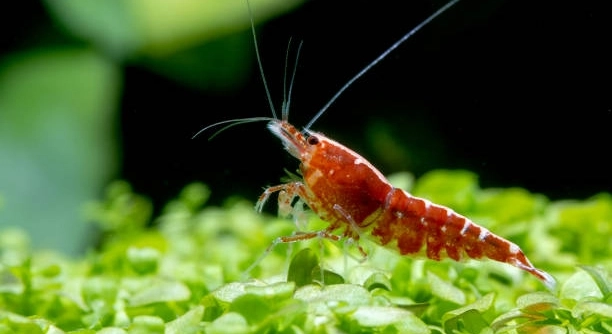
Have you ever watched your shrimp dart around the tank and wondered if their quick movements meant something unfriendly, making their tiny behaviors seem confusing as you try to understand their simple underwater world better.
Shrimp behaviors that appear aggressive typically stem from territorial instincts, feeding competition, or normal social interactions. These actions include chasing, nudging, and sudden bursts of movement, which often serve functional purposes rather than indicating true hostility or harmful intent overall.
These tiny actions carry subtle meanings that help explain shrimp behavior, offering insight into the patterns shaping their daily world.
Understanding Subtle Shrimp Behaviors
Some shrimp actions can look intense, and it can feel confusing when you are trying to understand why they react so quickly. Many of these movements are natural responses that help them communicate or adjust to changes in their surroundings. When you watch closely, patterns start to appear, showing that their behavior is shaped by simple needs rather than harsh intentions. You might notice quick dashes, short nudges, or fast retreats, and these small motions help them stay safe or claim small spaces in the tank. Even when these actions seem bold, they often reflect basic routines tied to feeding, exploring, or maintaining comfort. As you become more familiar with their habits, it gets easier to see that these sudden movements are not meant to cause trouble. Instead, they reveal how shrimp manage their space in calm, practical ways. Learning these signs can make caring for them feel smoother overall.
These behaviors may look sharp at first, but they help shrimp express simple needs without causing real conflict in the tank, giving you a clearer sense of how they interact and what they require to stay comfortable each day as you observe their movements with steady attention each time around.
Shrimp often rely on predictable routines that shape how they respond to movement, food, and space. When you pay attention to these habits, you start noticing how gentle patterns guide their daily activity. These actions support their comfort and help reduce stress as they adjust to their environment. Even the quick bursts that seem intense are usually practical motions meant to maintain balance. Understanding these small details makes it easier to care for them and helps you create a tank that keeps them content. With steady observation, you can support their needs while appreciating their calm, steady rhythm each day.
Noticing Common Tank Interactions
Many shrimp interactions look bold because they react quickly to movement or food, making their actions seem stronger than they are. When you watch them with steady attention, these motions start to appear normal, showing simple routines rather than any real conflict in the tank most of the time overall.
Shrimp communicate through small movements that help them manage space, food, and safety in practical ways. When you observe them closely, you see how these motions repeat throughout the day, forming patterns that guide the group without creating real tension. Quick dashes toward food are common, and they help shrimp secure small portions without disturbing others. Short nudges can appear forceful, but they usually serve as gentle reminders to maintain distance or shift position. These motions allow them to settle into their preferred spots while staying alert to changes around them. Even when several shrimp gather in one area, their actions remain controlled and steady, shaped by simple needs rather than aggressive intentions. You might notice brief moments of chasing, yet these bursts end quickly once each shrimp finds a comfortable place. As you continue watching, the rhythm becomes easy to understand, showing that most behaviors are meant to support balance in the tank. By recognizing these patterns, you can adjust feeding, decoration placement, or spacing to create a setup that keeps them calm. This simple awareness helps you maintain a peaceful environment that supports their natural habits each day.
Responding to Sudden Movements
Shrimp often react quickly to nearby motion, causing short bursts that can seem intense. These actions help them stay alert and aware, allowing them to adjust their position without disturbing the rest of the tank or creating unnecessary tension during their regular routines each day.
These quick reactions can look sharp, but they usually reflect a natural instinct to maintain safety. When a shrimp senses movement, it may dart forward or backward to create a bit of space. This motion is not meant to challenge others but simply to avoid unexpected contact. As you observe these moments more often, you begin to see how controlled they are. Shrimp rely on these small choices to remain comfortable, especially in busy tanks where many motions overlap. Their responses help them navigate shared spaces with ease.
Some shrimp repeat these swift motions when another shrimp approaches too closely. Instead of starting conflict, they use these gestures to set gentle boundaries. This allows them to keep their place without forcing others away. These movements also help prevent crowding near food or shelter, making the tank feel calmer. With steady observation, you can recognize when these reactions appear and ensure the environment remains open enough for each shrimp to settle comfortably. These patterns show how shrimp maintain balance without showing harmful behavior.
Establishing Small Spaces
Shrimp often select tiny spots in the tank where they feel comfortable, and they use simple movements to keep those areas steady. These motions may look firm, but they are usually soft reminders that help them maintain space without causing issues for nearby shrimp in the tank.
When a shrimp finds a place it prefers, it will return to that spot throughout the day. If another shrimp enters that area, the resident shrimp might give a nudge or quick shift to signal it wants a bit of room. These motions help keep the area organized rather than starting any type of real conflict. Over time, each shrimp settles into its own routine, forming a pattern that makes the tank feel balanced. These habits also help reduce stress, since each shrimp knows where it can return when it wants calm moments. By recognizing these small signals, you can adjust the layout with gentle changes, giving them more choices for resting spots and adding comfort to their daily rhythm.
Competing for Food
Shrimp often move quickly toward food, which can make their actions look intense. These motions help them secure small bites without causing any real trouble. Even when several shrimp gather closely, they usually shift around each other with steady, harmless movements.
Short nudges during feeding happen when shrimp want a tiny bit more space. These gestures may seem bold, but they are simply practical motions used to avoid crowding. Once each shrimp gets a small share, the energy in the tank settles again, showing these moments are more about eagerness than conflict.
Sorting Out Social Order
Shrimp sometimes display brief motions that help shape simple social routines in the tank. These actions can include nudging or quick shifts that look strong at first, but they play a role in maintaining balance among the group. When one shrimp makes a move to remind another of its position, the gesture ends quickly and rarely repeats with intensity. These motions help prevent confusion when several shrimp want the same area or resource. Over time, these patterns form a quiet structure that keeps the tank calm. With steady observation, you can see how these actions guide their daily habits without causing real issues.
Adjusting to New Additions
Shrimp may act more alert when new shrimp enter the tank. Their quick motions help them understand the newcomer and decide how to share space. These reactions settle once the group becomes familiar with each other and finds a steady rhythm again.
FAQ
Why do my shrimp chase each other even when the tank seems calm?
Shrimp may chase each other when they want a small amount of space or when food has recently been added. These short bursts are usually harmless and help them sort out movement in tight spots. The chasing often stops quickly once each shrimp settles into a comfortable area. This behavior helps them stay organized, especially in tanks with limited hiding spots or feeding zones.
Why do my shrimp suddenly dart backward for no clear reason?
Shrimp use fast backward movements to avoid unexpected motion. They react to shadows, nearby fish, or even another shrimp passing too close. This response helps them stay safe and avoid accidental contact. Although the motion looks sharp, it is a natural habit that helps them remain aware of their surroundings. Over time, they return to normal activity without any lasting tension.
Why do shrimp crowd around the same area even when the tank is large?
Shrimp tend to gather where they feel comfortable. They may choose spots with thicker plants, better cover, or more biofilm to graze on. Even in big tanks, they often form small clusters. This is not a sign of conflict. Instead, it shows that they prefer certain surfaces or textures. If the crowding feels too strong, spreading food or adding more hiding spots can help.
What does it mean when my shrimp nudge each other?
Nudging is a simple way for shrimp to communicate small requests for space. It looks bold at times, but it rarely carries negative intent. A shrimp may nudge another when it wants to reach food or shift closer to a preferred spot. These interactions are quick and do not escalate. As long as the shrimp are eating well and moving normally, nudging is not a concern.
Should I worry if a shrimp guards an area and pushes others away?
Shrimp sometimes pick small areas they return to throughout the day. If one becomes protective of a corner or leaf, the behavior usually reflects comfort rather than aggression. The shrimp is simply keeping a familiar space. Others may briefly test the boundary, but most adjust easily. If guarding becomes too constant, adding more plant cover or small hiding pieces can ease the pressure.
Why do my shrimp look aggressive during feeding time?
Feeding brings out faster motions because shrimp want their share. They may climb over each other or make quick pushes. These actions settle once the food spreads out. Shrimp do not intend harm during feeding. They are simply eager. Using more feeding spots or scattering food helps avoid crowding and keeps the group calm.
Why do shrimp act differently when I add new tank mates?
New additions change the flow of movement. Shrimp may act more alert or shift around to understand who entered their space. These reactions soften once they identify the newcomer and learn its routine. If the tank has enough hiding areas, the adjustment happens smoothly.
What if my shrimp shake their bodies or flick their tails repeatedly?
Body flicking helps shrimp clean themselves, remove debris, or reset their balance. It can also show mild stress if water conditions change. If the behavior repeats often, checking the filter, temperature, and water quality can help. When conditions are steady, body flicking becomes occasional and harmless.
Is occasional stillness or hiding normal?
Shrimp often rest in quiet corners. They may hide when they feel exposed or after shedding. Stillness helps them recover and regain strength. As long as they return to normal movement and feeding, this habit is completely normal.
Final Thoughts
Shrimp behaviors can seem bold at first, especially when you are still learning how they communicate in small, simple ways. Many of their movements happen so quickly that it is easy to think they are upset or reacting with intensity. When you take the time to watch them more closely, you start to see patterns that repeat throughout the day. These motions reflect how they balance space, food, and comfort. Even actions that look harsh are usually gentle signals meant to maintain order. Shrimp rely on tiny decisions to navigate their shared environment, and these choices help them stay calm rather than stir up conflict. By observing these moments without assuming the worst, you begin to understand how practical their behavior truly is. Each action has a purpose that supports their routine, helping them stay comfortable while sharing a tank with others.
As you gain familiarity with their habits, you start recognizing when a shrimp is simply asking for space, adjusting to noise, or responding to movement nearby. These signals may appear strong, but they rarely indicate harmful behavior. Shrimp communicate with motions instead of sound, so they rely on quick gestures to sort out small situations. When several shrimp gather in the same area, these signals become easier to see. One might shift slightly, another might nudge, and another might move backward to create a bit of room. These exchanges do not disrupt the environment. Instead, they keep everything moving in a way that feels steady and predictable. With time, the tank develops a quiet rhythm that matches the shrimp’s natural instincts. Watching them settle into this pattern makes it easier to support their needs with simple adjustments like spreading food, adding more cover, or spacing decorations so they have more options to choose from.
Understanding shrimp behavior helps you care for them with confidence, and it also makes the experience of keeping them more relaxing. Their movements tell a clear story once you know what to look for. Shrimp are not trying to dominate others or create tension. They are simply reacting to small changes and maintaining routines that make sense for their size and instincts. When you learn these signals, you can shape the tank around their comfort. This might mean giving them more hiding spots, keeping the water stable, or making sure they have several feeding locations. These simple steps can create a calm environment where they thrive. Over time, their quick motions become familiar and even calming to watch. What once looked like aggression becomes easy to understand as natural communication. By recognizing these moments for what they are, you can support your shrimp in a way that keeps them active, comfortable, and steady in their daily routine.

Hello,
If you enjoy the content that we create, please consider saying a "Thank You!" by leaving a tip.
Every little bit helps us continue crafting quality advice that supports the health, happiness, and well-being of pets around the world, for pets of all shapes, sizes, and species.
We really appreciate the kindness and support that you show us!