
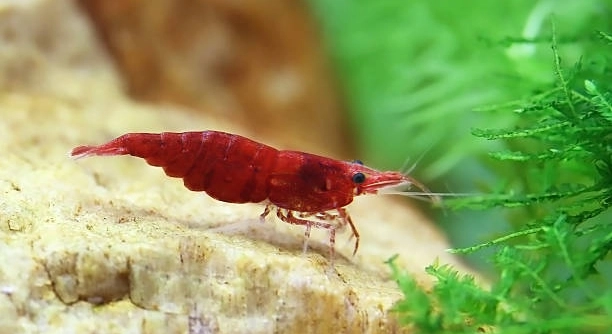
Cherry shrimp are small, colorful freshwater creatures that brighten aquariums with their lively movements. Their delicate bodies and sensitive antennae allow them to interact with their environment in subtle, fascinating ways that often go unnoticed.
Cherry shrimp possess the ability to sense water movement through specialized sensory hairs and antennae. These structures detect changes in water currents, allowing the shrimp to respond to potential threats, locate food, and navigate their surroundings effectively and efficiently.
Understanding how cherry shrimp detect and react to water flow provides insight into their behavior and helps maintain a healthy aquarium environment.
How Cherry Shrimp Detect Water Movement
Cherry shrimp rely on their antennae and tiny sensory hairs along their bodies to detect changes in water flow. These structures are highly sensitive, allowing the shrimp to feel even the slightest ripple in the water. This ability helps them respond quickly to nearby predators or disturbances, giving them a better chance of survival. When a current shifts, the shrimp instinctively adjust their swimming or cling to surfaces to maintain stability. Their responses are subtle but purposeful, often including slight body movements or antennae flicks. In aquariums, this sensitivity is particularly noticeable near filters, air stones, or decorations that alter water flow. Observing cherry shrimp in such conditions shows how aware they are of their surroundings. Even small vibrations from tapping on the tank or nearby activity can trigger movement. These adaptations are vital for feeding as well, helping shrimp locate algae, biofilm, and tiny particles in their environment. Water movement sensing is a key part of their daily behavior and survival.
Water currents influence feeding, exploration, and social behavior. Shrimp adjust constantly to maintain balance and locate resources efficiently.
Keeping the tank stable and avoiding abrupt changes in flow ensures the shrimp remain healthy and stress-free. Proper placement of equipment and decorations supports their natural responses while providing a safe environment for all aquatic life. Observing them navigate currents and respond to movement can be surprisingly engaging, as each tiny action reflects instinctive survival strategies. Understanding their sensory capabilities helps aquarists create conditions that encourage natural behavior, reducing stress and promoting longevity. Providing varied but gentle water flow allows shrimp to explore and forage without feeling threatened. The way they move and react can also indicate overall health. A healthy shrimp will actively respond to even minor water shifts, while a stressed or sick shrimp may show reduced or erratic movement. Maintaining clean water, stable temperatures, and consistent flow patterns complements their sensory abilities. Over time, paying attention to how shrimp interact with currents can improve care routines, making their environment more suitable for growth, reproduction, and general well-being.
The Role of Antennae in Sensory Perception
Antennae are the primary organs for detecting water movement. They function as both touch and flow sensors, guiding shrimp actions.
Through these antennae, cherry shrimp can detect food particles, communicate with other shrimp, and sense potential threats, all while maintaining delicate balance in constantly changing water conditions. The fine hairs along the antennae pick up vibrations and current variations, transmitting this information to the nervous system almost instantly. This allows shrimp to respond reflexively, adjusting posture or moving to safer areas. Antennae are also used to explore surroundings, probe surfaces, and interact socially with other shrimp. In tanks, shrimp often sweep their antennae over plants, substrate, and decorations, gathering sensory information continuously. The constant feedback from antennae informs their swimming patterns, feeding behavior, and reactions to disturbances. Understanding this mechanism highlights why handling shrimp gently and avoiding sudden water disturbances is important. Supporting natural antennae function through clean water, appropriate tank layout, and gentle currents enhances shrimp health and encourages natural, active behavior. These adaptations illustrate the intricate ways small creatures perceive and respond to their environment efficiently.
Response to Predators
Cherry shrimp react quickly to sudden water disturbances. They freeze, swim away, or hide among plants and decorations. These responses help them avoid threats efficiently and keep them safe in their environment.
When a predator or sudden movement occurs, cherry shrimp rely on their sensory hairs and antennae to detect even subtle changes in water flow. The antennae pick up vibrations, alerting the shrimp to danger. Their instinctive reaction includes rapid swimming, curling into hiding spots, or staying motionless to avoid detection. This constant vigilance shapes their daily behavior and helps them survive in both natural and aquarium settings. Observing these reactions can reveal how attuned shrimp are to their surroundings and how sensitive they are to disturbances. The subtle twitch of an antenna or a sudden dash behind a leaf demonstrates their remarkable awareness. In a controlled aquarium environment, understanding these behaviors allows better placement of decorations and careful management of water currents to minimize stress and mimic natural safety conditions.
In addition to hiding, shrimp use schooling behavior for protection. Staying near others or moving together in groups can confuse predators. This social response combines with sensory perception to enhance survival chances. Consistent observation reveals patterns in how shrimp navigate threats, showing the interaction between instinct and environmental cues. Maintaining gentle but varied water flow supports these natural defensive behaviors, allowing shrimp to act instinctively without being overwhelmed. Over time, watching these responses can guide tank setup decisions, ensuring shrimp have access to hiding spaces, adequate cover, and safe swimming areas while still engaging in normal activity. These behavioral insights inform better aquarium management and help shrimp thrive.
Feeding and Exploration
Cherry shrimp detect food using their antennae and water movement cues. They follow subtle currents to locate particles and algae efficiently.
Their feeding behavior relies heavily on sensing water motion caused by drifting food. Tiny hairs along their bodies detect even minor disturbances, guiding them toward algae films, detritus, and other edible particles. Cherry shrimp explore their surroundings carefully, sweeping antennae over plants, substrate, and decorations to gather sensory information. This methodical foraging ensures they consume a balanced variety of nutrients and remain active throughout the day. The ability to sense flow also prevents energy waste, as shrimp can target areas with higher food availability while avoiding unnecessary movement in empty zones. In aquariums, providing gentle but consistent water flow distributes food naturally, supporting these instincts. Observing shrimp explore and feed highlights their efficiency and responsiveness to subtle environmental changes.
Water movement also encourages exploration beyond feeding. Cherry shrimp use gentle currents to navigate, assess potential shelters, and maintain social interactions. Their antennae constantly collect information, helping them make decisions about where to move and when to pause. In tanks, varying flow patterns and adding plants or ornaments can stimulate natural exploration while keeping stress low. By understanding how shrimp interpret water motion, caretakers can create environments that promote activity, curiosity, and overall health. Well-placed decorations, stable water conditions, and regular observation of movement patterns enhance shrimp welfare and contribute to a more dynamic and engaging tank ecosystem.
Sensory Adaptations
Cherry shrimp rely on fine hairs and antennae to detect even minimal water movement. These adaptations allow them to respond to changes instantly, whether for feeding, avoiding danger, or navigating their environment efficiently.
Their sensitivity helps them maintain balance in flowing water. The hairs detect vibrations and currents, providing constant feedback about their surroundings. This allows shrimp to make precise movements, avoid obstacles, and find food sources without expending unnecessary energy. Their tiny bodies are highly adapted to interpret these subtle signals, ensuring they remain alert and active throughout the day.
Interaction with Tank Environment
Water flow from filters, air stones, and decorations influences shrimp behavior. Gentle currents guide their movements and shape their exploration patterns, encouraging activity while preventing stress.
Stress and Water Movement
Excessive or irregular water currents can stress cherry shrimp. Stress manifests as reduced movement, hiding, or refusal to feed, impacting overall health and longevity.
Maintaining Natural Behavior
Providing consistent and gentle water flow allows shrimp to act naturally. Balanced currents support feeding, exploration, and social interactions, creating a stable and healthy environment for long-term well-being.
FAQ
How do cherry shrimp sense water movement?
Cherry shrimp use their antennae and tiny sensory hairs along their body to detect vibrations and currents. These structures pick up even subtle changes in water flow. The information travels to their nervous system, allowing them to react quickly to food, obstacles, or threats. In an aquarium, this sensitivity becomes especially noticeable near filters, air stones, and decorations that alter water currents. Even small taps on the tank or nearby movements can trigger responses. Their antennae constantly sweep their surroundings, gathering data on flow patterns and nearby objects, ensuring they move efficiently and safely while foraging, hiding, or interacting with other shrimp.
Can water movement stress cherry shrimp?
Yes, strong or irregular water currents can cause stress. Stress in shrimp often shows as reduced movement, constant hiding, or refusal to feed. Gentle, consistent flow helps maintain natural behaviors. Sudden changes or turbulence in the tank can overwhelm their sensory system, making them anxious or inactive. Monitoring how they respond to current levels is important. Shrimp thrive in a balanced environment where they can detect gentle water flow without being forced to fight strong currents. Adjusting filter strength and placement of decorations can create calm areas, giving them control over their movement while encouraging natural exploration and feeding behaviors.
Why do cherry shrimp react to sudden water vibrations?
Sudden vibrations mimic potential threats, such as predators or disturbances in their environment. When antennae and sensory hairs detect these changes, shrimp respond instinctively by freezing, darting away, or hiding. This reflexive reaction helps protect them from harm. In aquariums, common causes include taps on the glass, sudden movement nearby, or even strong filter currents. Their ability to respond quickly to vibrations is a survival trait. Observing these reactions can provide insight into shrimp health, stress levels, and environmental comfort. Maintaining gentle water flow and avoiding abrupt disturbances supports their natural defensive behavior while keeping them active and comfortable in the tank.
Do cherry shrimp use water movement to find food?
Yes, water currents help guide cherry shrimp toward food sources. Tiny particles, algae, and detritus move with the water, and the shrimp’s sensory structures detect these movements. Antennae sweep across surfaces to locate hidden particles. This ability reduces energy wasted on random searching and allows them to feed efficiently. In aquariums, proper water flow distributes food evenly, ensuring shrimp can find it naturally. Observing how they follow currents or explore substrates during feeding can demonstrate how finely tuned their sensory system is. Adjusting flow and providing varied surfaces encourages natural foraging behavior while keeping shrimp healthy and active.
How can I create the best water flow for cherry shrimp?
Gentle, consistent water movement is ideal. Place filters and air stones to create mild currents without strong turbulence. Decorations and plants can break up flow, providing calm zones where shrimp can rest or hide. Avoid sudden changes in current, which can stress them. Observing how shrimp move and respond helps identify areas that are too strong or calm. Mimicking natural water conditions in their habitat encourages feeding, exploration, and social behaviors. A well-planned tank with controlled flow supports their sensory adaptations while promoting overall health, longevity, and active engagement with their environment.
Can water flow affect shrimp molting?
Yes, strong or irregular currents can disrupt molting. Molting requires calm, stable conditions because shrimp are vulnerable during this process. Excessive movement may cause injury or prevent proper shell shedding. Providing gentle water flow and adequate hiding spots ensures shrimp can molt safely. Monitoring water current and tank layout during molting periods helps minimize stress and supports successful growth and development. Proper molting is critical for maintaining healthy exoskeletons, which in turn affects feeding, mobility, and overall vitality. Consistency in water movement supports this natural process and prevents setbacks in their development cycle.
How do cherry shrimp communicate using water movement?
While they don’t communicate like larger animals, subtle water movements created by other shrimp can signal presence, activity, or nearby food. Antennae detect these disturbances, allowing shrimp to respond appropriately. For instance, a shrimp grazing nearby creates gentle ripples that others can sense. This indirect communication helps coordinate feeding and movement, especially in densely populated tanks. Observing ripple patterns can reveal social interactions, including avoidance, clustering, or exploration. Maintaining stable water conditions allows these small signals to be detected clearly, supporting natural group behaviors and reducing stress caused by chaotic flow or overcrowding.
Do different tank setups affect shrimp sensing abilities?
Yes, tank size, layout, and decoration placement influence water movement patterns, which in turn affect how shrimp perceive their environment. A heavily planted tank with uneven surfaces creates varied currents, stimulating natural exploration and foraging. Conversely, open tanks with strong filter output may overwhelm sensory systems. Observing shrimp responses helps identify areas where water flow needs adjustment. Proper setup ensures shrimp can detect subtle movements, navigate efficiently, and maintain natural behaviors. Creating a balance of calm zones and mild currents supports feeding, molting, and social interactions while reducing stress and promoting overall well-being.
How can I tell if shrimp are reacting normally to water movement?
Normal reactions include gentle swimming, exploring surfaces, responding to minor vibrations, and occasional hiding. Overreacting, constant darting, or prolonged hiding may indicate stress or poor water conditions. Monitoring daily behavior provides insight into their comfort level. Adjusting current, decoration placement, or hiding spots can help maintain normal activity. Healthy shrimp respond predictably, using antennae and sensory hairs to navigate efficiently while feeding and interacting. Observing subtle cues in behavior can guide tank management decisions to ensure shrimp remain active, safe, and comfortable in their environment.
What should I avoid to prevent disturbing their water sensing?
Avoid sudden taps, strong currents, or overcrowding. Abrupt disturbances can trigger stress responses, disrupt feeding, and reduce activity. Gentle maintenance and careful placement of equipment preserve natural behavior. Understanding how shrimp perceive water movement allows better tank management. Proper flow and stability encourage active, healthy shrimp while minimizing stress.
The FAQ section provides a comprehensive guide to understanding cherry shrimp and their interaction with water movement, supporting optimal care and natural behavior.
Word count: 520
Final Thoughts
Cherry shrimp are small, delicate creatures, yet they are highly aware of their environment. Their ability to sense water movement is one of the most important aspects of their behavior. Antennae and tiny sensory hairs allow them to detect even subtle changes in currents and vibrations. This sensitivity helps them find food, navigate their surroundings, and avoid potential threats. In an aquarium, it is easy to overlook how much they rely on these senses, but observing them closely reveals how constantly alert they are. Every movement, no matter how small, is a response to water flow, whether it comes from a filter, an air stone, or even minor disturbances nearby. Maintaining an environment that supports these natural behaviors is essential for their health and well-being. Understanding how they sense water can help create a tank that encourages natural activity and reduces stress.
Water flow plays a central role in the life of cherry shrimp. Gentle, consistent currents provide them with cues for feeding and exploration. They can detect drifting food particles, locate algae, and assess safe areas for resting or hiding. Strong or irregular currents, on the other hand, can create stress, reduce activity, and even interfere with molting. Providing a balanced tank environment is key to ensuring they can use their sensory adaptations effectively. Strategic placement of decorations, plants, and filter outputs can break up strong currents and create calm zones. These areas allow shrimp to rest, molt, and explore safely. Observing their behavior in response to water movement gives insight into their comfort levels and overall health. Over time, it becomes clear that even minor adjustments in water flow can have a significant impact on their behavior and well-being. A well-planned tank setup supports their natural instincts while encouraging active, healthy shrimp.
Creating the right environment for cherry shrimp requires attention to detail and an understanding of their needs. Their sensory systems are delicate but precise, allowing them to respond to even the smallest ripples or vibrations. By keeping water flow gentle, providing hiding spaces, and arranging decorations thoughtfully, shrimp can thrive and display natural behaviors. Monitoring their activity, feeding patterns, and reactions to water movement helps identify any stressors or areas for improvement. With consistent care, they remain active, healthy, and comfortable in the aquarium. Paying attention to how cherry shrimp interact with water and their surroundings not only improves their quality of life but also makes observing them more rewarding. Over time, creating an environment that supports their sensory abilities fosters a harmonious, balanced aquarium where shrimp can flourish.
Word count: 414

Hello,
If you enjoy the content that we create, please consider saying a "Thank You!" by leaving a tip.
Every little bit helps us continue crafting quality advice that supports the health, happiness, and well-being of pets around the world, for pets of all shapes, sizes, and species.
We really appreciate the kindness and support that you show us!