
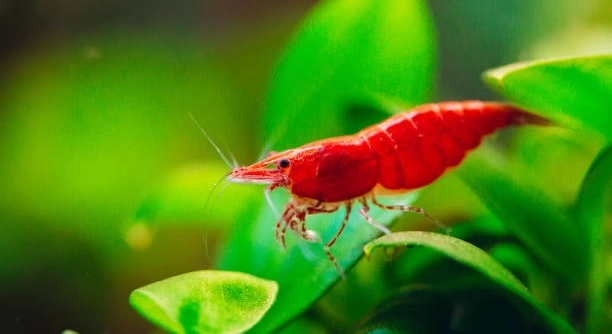
Is your cherry shrimp refusing to eat even when its favorite foods are offered? Observing these tiny creatures ignoring meals can be puzzling and slightly worrying for any aquarist. Understanding their behavior is key to keeping them healthy.
Cherry shrimp often ignore food due to stress, water quality issues, or changes in their environment. Overcrowding, improper temperature, or inadequate hiding spaces can also impact feeding habits, causing shrimp to reduce or completely stop eating temporarily.
Knowing the underlying reasons for this behavior can help restore normal feeding patterns and maintain a thriving, balanced shrimp tank environment.
Common Reasons Cherry Shrimp Refuse Food
Cherry shrimp can stop eating for several reasons, and most of them are linked to their environment. Stress is a major factor, often caused by sudden changes in water temperature or chemistry. Even minor fluctuations in pH, ammonia, or nitrite levels can make shrimp uneasy and less likely to feed. Overcrowding can also create tension in the tank, leaving shy shrimp hiding instead of eating. Additionally, the presence of aggressive tankmates can intimidate them, further reducing feeding activity. Lack of hiding spots or plants can make shrimp feel exposed, contributing to their reluctance to eat. Poor water quality from leftover food, debris, or insufficient filtration can also affect appetite. Observing their behavior carefully and noting any environmental changes can help pinpoint why they are refusing food. Regular water testing and providing a calm, stable habitat are essential steps to restore normal feeding.
Stress, poor water quality, and overcrowding are the main reasons for cherry shrimp ignoring food in aquariums.
By ensuring a stable environment, adequate hiding spaces, and proper water parameters, feeding habits can improve. Consistency in tank maintenance is crucial. Using high-quality shrimp food and varying diet with blanched vegetables or algae-based options can help stimulate appetite. Observing shrimp behavior closely allows you to detect early signs of stress or illness. Removing aggressive fish and maintaining a calm environment encourages shy shrimp to venture out and feed. Even simple changes, like adjusting light exposure or adding moss, can make shrimp feel secure. Regular partial water changes support water quality and overall health. Understanding their specific needs, such as temperature range and water hardness, prevents future feeding issues. Patience is important because shrimp may take time to adjust after any environmental change. Keeping a log of water parameters and feeding schedules can help track improvements. Attention to these details ensures your shrimp remain active, healthy, and more willing to eat regularly.
Improving Appetite in Cherry Shrimp
Small adjustments can make shrimp feel more comfortable and encourage feeding.
Providing varied foods, such as algae wafers, blanched vegetables, or specialized shrimp pellets, can attract their interest. Maintaining clean water, stable temperature, and hiding spots reduces stress. Regular observation ensures shrimp stay healthy and continue eating.
Adjusting Water Parameters
Stable water parameters are crucial for cherry shrimp feeding habits. Sudden shifts in pH, ammonia, or temperature can make them stop eating. Regular testing and careful adjustments keep shrimp comfortable and encourage consistent feeding behavior.
Keeping water parameters within recommended ranges prevents stress-related appetite loss. Cherry shrimp thrive in slightly acidic to neutral pH, low ammonia, and minimal nitrites. Fluctuations can disrupt their digestive system and make them reluctant to eat. Gradual adjustments, rather than sudden changes, help shrimp acclimate without added stress. Using a reliable water testing kit and performing small, regular water changes maintains stability. Observation of shrimp activity alongside water readings ensures that environmental conditions support healthy feeding patterns.
Temperature and hardness also influence appetite. Maintaining consistent heat within 72–78°F and moderate hardness supports metabolic function. Shrimp are sensitive to extremes, which may trigger hiding and fasting. Adjusting parameters slowly while monitoring behavior encourages feeding. Adding live plants can buffer minor pH changes and provide security, reducing stress. Over time, consistent care and stable water conditions restore appetite and normal feeding routines, allowing shrimp to grow and thrive in a balanced environment.
Feeding Techniques and Schedules
Feeding small amounts multiple times a day prevents overfeeding and maintains water quality. Shrimp respond well to consistent schedules.
Offering a mix of commercial shrimp food and natural options like blanched spinach or zucchini ensures a balanced diet. Removing uneaten food prevents water contamination, which can stress shrimp and reduce appetite. Observing which foods shrimp prefer allows adjustments that encourage regular feeding. Rotating diet items prevents boredom and supports overall health. Feeding at the same times daily helps shrimp anticipate meals, improving consistency. Overfeeding is a common mistake that leads to poor water quality and digestive issues, making shrimp less willing to eat.
Timing and portion control are critical for maintaining shrimp health. Small, measured feedings ensure shrimp have access to food without excess waste. Uneaten portions should be removed after a few hours to prevent water fouling. Monitoring shrimp during feeding allows you to detect problems early, such as selective eating or refusal of certain foods. Live plants and moss provide grazing surfaces and contribute to natural feeding behavior. Observing behavior changes and adjusting feeding methods accordingly encourages shrimp to resume normal eating habits. Consistent schedules, clean water, and dietary variety all combine to promote a healthy, active shrimp population.
Tank Environment and Hiding Spots
Providing sufficient hiding spots reduces stress and encourages shrimp to feed. Plants, moss, and small decorations create safe areas for shy shrimp.
Overcrowding can make shrimp retreat and avoid food. Ensuring adequate space for each shrimp promotes natural behavior and consistent feeding habits.
Observing Shrimp Behavior
Watching shrimp closely helps identify feeding issues early. Changes in activity, color, or movement often indicate stress or illness affecting appetite. Monitoring behavior alongside water parameters ensures the tank environment supports healthy feeding routines and overall shrimp well-being.
Avoiding Overfeeding
Overfeeding can quickly degrade water quality and stress shrimp. Small, measured portions maintain cleanliness and prevent uneaten food from accumulating.
FAQ
Why is my cherry shrimp not eating at all?
Cherry shrimp may stop eating due to stress, water quality issues, or environmental changes. Sudden shifts in pH, temperature, or ammonia levels can make them retreat. Overcrowding, aggressive tankmates, or lack of hiding spots can also prevent feeding. Ensuring stable conditions and providing safe spaces encourages normal appetite.
Can illness cause cherry shrimp to ignore food?
Yes, sickness can reduce feeding. Bacterial or fungal infections, parasites, or molting issues may make shrimp weak or lethargic. Sick shrimp often hide and avoid food. Observing signs such as unusual color, slow movement, or missing limbs can help detect illness. Quarantining affected shrimp and maintaining clean water supports recovery.
Does water temperature affect feeding habits?
Temperature plays a key role in metabolism. Cherry shrimp feed best between 72–78°F. Too low or high temperatures slow digestion and reduce appetite. Gradual adjustments in water temperature, along with monitoring for stress behaviors, can help shrimp regain normal feeding routines.
How often should I feed my shrimp?
Small, frequent feedings work best. Offering tiny portions once or twice daily prevents overfeeding and maintains water quality. Uneaten food should be removed after a few hours to avoid ammonia buildup. Consistent schedules encourage shrimp to anticipate meals and feed regularly.
Can the type of food affect appetite?
Yes, shrimp can be selective eaters. Commercial shrimp pellets, algae wafers, and blanched vegetables like zucchini or spinach provide balanced nutrition. Rotating foods prevents boredom and ensures a varied diet. Observing which foods are preferred helps maintain interest and encourages consistent feeding.
Do hiding spots improve feeding behavior?
Hiding spaces reduce stress and promote natural feeding habits. Live plants, moss, and decorations give shrimp security. Shy shrimp are more likely to feed when they feel safe from predators or aggressive tankmates. Adequate space and proper tank setup support active, healthy shrimp.
Is molting related to appetite loss?
Yes, shrimp often stop eating before molting. During this time, they are vulnerable and may hide. Providing hiding spots and a mineral-rich diet supports successful molting. Once the process is complete, feeding usually resumes. Monitoring shrimp during molting ensures they remain healthy and safe.
Can water quality changes make shrimp stop eating?
Absolutely. High ammonia, nitrite, or nitrate levels stress shrimp and can suppress appetite. Regular water testing, partial water changes, and proper filtration prevent harmful fluctuations. Maintaining stable parameters creates an environment that supports healthy, consistent feeding behavior.
Will shrimp eat if tankmates are aggressive?
Aggressive tankmates can intimidate shrimp, causing them to hide and avoid food. Separating shrimp from larger or territorial fish and ensuring adequate hiding spots reduces stress and encourages feeding. Peaceful tankmates and careful observation improve shrimp comfort and willingness to eat.
How long can cherry shrimp go without food?
Healthy adult shrimp can survive a few days without food, but prolonged fasting weakens them. Stress, illness, or poor water quality can extend this period. Ensuring proper care, diet, and environment helps prevent extended fasting and supports overall shrimp health and vitality.
Are live plants necessary for feeding behavior?
Live plants offer grazing surfaces and shelter. Shrimp feed on biofilm and algae growing on leaves, which supplements their diet. Plants also buffer minor water changes and provide security, helping shy shrimp feel comfortable enough to feed regularly.
What should I do if shrimp stop eating suddenly?
Check water parameters, temperature, and tankmates first. Remove uneaten food, provide hiding spaces, and observe behavior closely. Adjust diet to include preferred foods and monitor for signs of illness. Maintaining a stable, clean environment is key to restoring appetite and normal feeding patterns.
Can stress alone cause appetite loss?
Yes, stress from handling, water changes, or new tankmates can make shrimp avoid food. Minimizing sudden changes, providing adequate hiding spots, and maintaining calm conditions reduces stress and supports consistent feeding behavior.
Do juvenile shrimp have different feeding needs?
Juvenile shrimp may feed more frequently but in smaller amounts. They are sensitive to water quality and stress, which can quickly affect appetite. Providing appropriate food and stable conditions helps young shrimp grow and feed reliably.
How do I know if shrimp are eating enough?
Healthy shrimp are active, bright in color, and regularly forage. Observation during feeding sessions and checking for uneaten food helps gauge appetite. Consistent feeding and monitoring behavior ensure shrimp receive adequate nutrition for growth and molting.
Can seasonal changes affect feeding?
Seasonal changes affecting room temperature or light may influence water temperature and biofilm growth. Maintaining stable conditions indoors prevents appetite fluctuations. Consistent feeding schedules and environmental monitoring ensure shrimp continue to eat normally throughout the year.
Is it normal for shrimp to ignore food sometimes?
Yes, occasional fasting can occur during stress, molting, or minor environmental changes. Short periods without food are usually harmless, but persistent refusal signals underlying issues. Observing behavior and maintaining proper care supports shrimp health and restores regular feeding.
Do supplements help improve appetite?
Mineral-rich supplements can support molting and overall health, indirectly improving appetite. Providing calcium or trace elements in moderation helps shrimp feel healthy and encourages regular feeding. Over-supplementing is unnecessary and can affect water quality.
How long does it take for shrimp to start eating again?
Recovery depends on the cause. After stabilizing water parameters, reducing stress, or adjusting diet, shrimp often resume feeding within 24–48 hours. Persistent issues may require closer observation and environmental adjustments to restore normal appetite fully.
Can changing tank decor affect feeding?
Yes, sudden changes in layout or removal of hiding spots can stress shrimp and reduce appetite. Gradual adjustments and maintaining familiar shelter areas help shrimp feel secure, encouraging them to feed consistently. Observing behavior after changes ensures they adapt smoothly.
Is fasting before introducing new shrimp necessary?
Fasting new shrimp for a short period helps monitor health and reduces food competition. It allows observation for disease or stress before adding them to the main tank, ensuring a smooth transition and minimal impact on existing shrimp feeding behavior.
Final Thoughts
Understanding why cherry shrimp stop eating is essential for maintaining a healthy tank. Their feeding habits are closely linked to water quality, temperature, and environmental stability. Even small changes in pH, ammonia, or nitrite levels can cause stress and reduce appetite. Observing shrimp behavior carefully helps identify problems early. Stress from overcrowding, aggressive tankmates, or lack of hiding spots can make shrimp hide and avoid food. By keeping the tank clean, monitoring water parameters, and providing adequate shelter, shrimp are more likely to feed consistently. Ensuring a calm and stable environment is the foundation for healthy feeding behavior and overall shrimp well-being.
Feeding practices also play a significant role in their appetite. Offering small, frequent meals prevents overfeeding and helps maintain water quality. Using a variety of foods, including specialized shrimp pellets, algae wafers, and blanched vegetables, keeps their diet balanced and encourages interest in feeding. Observing which foods are preferred allows adjustments that improve consistency. Timing is important, as feeding at the same times daily helps shrimp anticipate meals. Removing uneaten food after a few hours prevents ammonia buildup, which can harm shrimp and discourage eating. Gradual introduction of new foods and maintaining a predictable feeding routine supports their health and activity levels.
Patience and attention are key when addressing feeding issues. Shrimp may take time to adjust after environmental changes, illness, or molting. Providing hiding spots and live plants gives them security and natural grazing areas. Regular monitoring of water parameters and shrimp behavior ensures that any problems are addressed promptly. Even minor improvements in tank conditions, diet variety, or feeding schedule can lead to noticeable changes in appetite. By combining careful observation, stable care routines, and appropriate feeding practices, shrimp regain regular eating habits and maintain strong, healthy growth. Consistent care creates a thriving tank where shrimp feel secure, active, and well-nourished.

Hello,
If you enjoy the content that we create, please consider saying a "Thank You!" by leaving a tip.
Every little bit helps us continue crafting quality advice that supports the health, happiness, and well-being of pets around the world, for pets of all shapes, sizes, and species.
We really appreciate the kindness and support that you show us!