
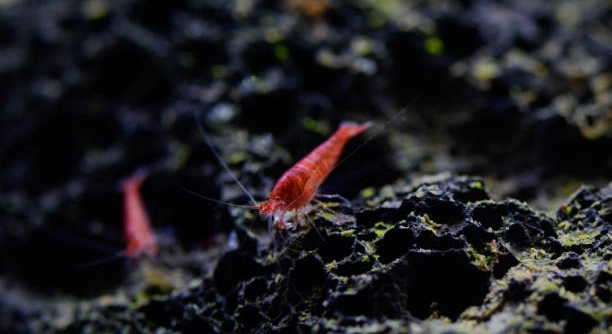
Cherry shrimp are fascinating little creatures that bring color and life to aquariums. Their behavior can be influenced by many aspects of their environment, diet, and social interactions, making them both lively and sensitive pets.
Several key factors affect cherry shrimp behavior, including water quality, temperature, tank size, presence of plants, diet, social dynamics, and light conditions. Each factor plays a significant role in shaping activity levels, feeding patterns, and overall health of the shrimp.
Understanding these elements can help maintain a balanced environment and promote healthy, active shrimp in your aquarium.
Water Quality and Its Impact
Water quality is one of the most important factors that influence cherry shrimp behavior. Maintaining proper pH, hardness, and ammonia levels ensures shrimp remain active and healthy. Poor water quality can stress them, causing hiding, reduced feeding, or even molting problems. Filtration, regular water changes, and monitoring are essential practices. Shrimp are sensitive to sudden changes, so gradual adjustments help prevent shock. Chlorine or heavy metals from tap water can be harmful, so using a water conditioner is necessary. Temperature fluctuations can also interact with water quality, affecting shrimp metabolism. Soft, slightly acidic water is often ideal for many cherry shrimp strains. Consistency is key; even minor, repeated changes can trigger stress responses. Observation of shrimp behavior, such as lethargy or reduced movement, is a good indicator that water parameters need attention. Healthy water encourages social interaction, frequent grazing, and active exploration of their tank.
Proper water quality keeps shrimp lively, feeding, and interacting naturally, making them easier to observe and enjoy.
Monitoring water parameters and maintaining cleanliness creates a stable environment. This stability encourages natural behaviors, supports growth, and reduces disease risks. By keeping ammonia and nitrite low, nitrate at safe levels, and pH stable, shrimp show normal swimming, grazing, and molting patterns. Temperature consistency complements water quality, ensuring metabolism and activity are optimal. Regular partial water changes remove toxins and replenish minerals. Filtration prevents debris accumulation while allowing gentle water flow. Adding live plants enhances water quality and offers hiding spots. Observation helps detect early signs of stress before issues worsen. Shrimp that feel secure in their environment display bright colors and engage in social behaviors, indicating a healthy tank ecosystem.
Temperature Effects on Behavior
Temperature directly affects shrimp metabolism and energy. Warmer water increases activity, while cooler water slows them down.
Cherry shrimp thrive in stable temperatures. Sudden shifts can cause hiding, molting issues, or aggression. Ideal ranges vary slightly by strain, but consistency is more important than exact degrees.
Temperature impacts shrimp at a physiological level. Warmer water accelerates metabolism, leading to more frequent grazing and increased movement. Cooler water slows digestion and may reduce feeding interest. Fluctuations can stress shrimp, weakening their immune systems and causing color fading or lethargy. Maintaining heaters or chillers ensures gradual changes rather than abrupt shifts. Temperature also interacts with water quality; warmer water can amplify ammonia toxicity. Observing shrimp behavior, such as reduced swimming or clustering in specific areas, signals possible stress. Using a thermometer daily helps track stability. A well-regulated temperature encourages regular molting, successful breeding, and social activity. Consistent conditions support vibrant colors, active foraging, and natural patterns, creating a balanced and healthy aquarium environment.
Tank Size and Space
A larger tank gives cherry shrimp more room to explore, hide, and establish territories. Crowded tanks can increase stress, reduce movement, and even trigger aggression or molting problems. Space directly influences overall activity and comfort levels.
Adequate space supports natural behavior, allowing shrimp to graze freely and interact safely. Overcrowding can lead to competition for food and hiding spots, resulting in shy or withdrawn shrimp. Providing plants, rocks, and decorations creates additional areas for exploration without increasing overall density. Shrimp in spacious environments tend to display brighter colors, more frequent molting, and healthier social interactions. A balanced ratio of shrimp to tank volume ensures both growth and longevity.
Shrimp respond well to a well-structured environment. Open swimming areas combined with covered hiding spots encourage consistent movement, grazing, and breeding behaviors. Proper tank size reduces stress and supports vibrant activity levels, keeping shrimp active and visually appealing.
Diet and Feeding Habits
Balanced nutrition affects cherry shrimp energy, coloration, and social interactions. Poor or inconsistent feeding can lead to lethargy, hiding, or molting issues.
Providing a varied diet supports overall health. Algae, biofilm, high-quality shrimp pellets, and occasional vegetables offer essential nutrients. Overfeeding should be avoided to prevent water quality deterioration. Healthy feeding encourages exploration, grazing, and normal social behavior. Observation of shrimp during feeding helps gauge appetite and detect stress or illness.
Diet influences molting frequency, coloration, and immune response. A mix of plant-based and protein-rich foods ensures shrimp get essential vitamins and minerals. Live or frozen foods, such as daphnia or brine shrimp, stimulate activity and natural foraging instincts. Feeding in small amounts multiple times a day reduces waste buildup and supports consistent energy levels. Monitoring leftover food prevents decay, keeping water clean. Nutritional balance also impacts reproductive success, with well-fed shrimp producing stronger, healthier offspring. Regularly rotating food types maintains interest and encourages active behavior.
Presence of Plants
Plants offer hiding spots and grazing surfaces, directly affecting cherry shrimp behavior. A well-planted tank encourages exploration and reduces stress, providing security during molting and social interactions.
Mosses and floating plants create natural surfaces for biofilm growth, keeping shrimp active and engaged. Plants also improve water quality by absorbing nitrates, which indirectly supports healthier, more vibrant shrimp.
Social Dynamics
Cherry shrimp behavior is influenced by tank mates and population density. Aggressive or overly active companions can cause hiding or stress, while compatible groups promote social grazing and interaction. A balanced ratio supports normal activity patterns, reduces competition, and encourages breeding.
Light Conditions
Lighting affects shrimp activity, feeding, and color expression. Moderate, consistent light encourages natural movement, while sudden changes or overly bright light can cause hiding, reduced grazing, or stress.
FAQ
Why do my cherry shrimp hide most of the time?
Hiding is usually a response to stress or discomfort. Common causes include poor water quality, sudden temperature changes, overcrowding, or aggressive tank mates. Providing plenty of plants, moss, and hiding spots helps them feel secure. Gradual adjustments in water parameters can reduce hiding and encourage normal activity.
How often should I feed my cherry shrimp?
Feeding small amounts once or twice a day is usually sufficient. Overfeeding can pollute the water and harm shrimp health. Offer a variety of foods, such as shrimp pellets, algae, and blanched vegetables. Observe how much they consume within a few hours to prevent leftover food from decaying.
Can cherry shrimp live with other fish?
Yes, but it depends on the fish species. Avoid aggressive or large fish that may eat or stress shrimp. Peaceful species, like small tetras or snails, are usually compatible. Providing hiding spaces ensures shrimp can escape if needed, helping maintain natural behavior and reducing stress.
Why are my cherry shrimp losing color?
Fading color is often linked to stress, poor diet, or water issues. Ensuring proper nutrition with a mix of plant-based and protein-rich foods, stable water parameters, and minimal disturbances can restore vibrant coloration over time. Shy or stressed shrimp may temporarily appear duller.
Why do some shrimp molt repeatedly while others don’t?
Molting frequency varies with age, diet, and water quality. Younger shrimp molt more often as they grow. Adequate calcium, minerals, and proper water conditions are essential for successful molting. Stress or poor nutrition can delay molting or cause unsuccessful molts, leading to weakened or unhealthy shrimp.
How do I tell if my cherry shrimp are breeding?
Female shrimp carrying eggs will develop a green or yellow cluster under their abdomen, known as “berried.” Observing regular grazing, active swimming, and calm tank conditions increases breeding success. Avoid disturbing berried females, as stress may cause them to drop eggs.
Why are my shrimp less active at times?
Activity levels fluctuate naturally with temperature, lighting, and time of day. Cooler water can slow metabolism, while bright light or disturbances may encourage hiding. Providing a stable environment with moderate lighting encourages consistent grazing and social interaction.
How can I reduce stress in cherry shrimp?
Stress reduction involves stable water quality, proper temperature, balanced diet, and adequate hiding spots. Avoid sudden changes, overcrowding, and aggressive tank mates. Gentle observation, rather than frequent handling or moving, allows shrimp to remain active and display normal behavior.
Why do my shrimp fight or seem aggressive?
Aggression is rare but can occur in overcrowded tanks or with limited food. Territorial disputes or competition for hiding spaces may trigger short conflicts. Ensuring enough space, hiding spots, and a balanced feeding routine reduces tension and promotes peaceful interactions.
Can light intensity affect shrimp health?
Yes, too bright or inconsistent lighting can stress shrimp, causing hiding and reduced grazing. Moderate, consistent light promotes activity, natural behavior, and healthy color. Using floating plants or timed lighting schedules can help maintain a comfortable environment for all shrimp.
How do I maintain a stable environment for cherry shrimp?
Regular water testing, partial water changes, and maintaining proper temperature and pH are key. Avoid sudden changes in the tank and provide sufficient plants, hiding spots, and appropriate tank mates. Observing behavior daily helps identify issues early and ensures long-term health.
Why do some shrimp die unexpectedly?
Unexpected deaths often result from water quality issues, disease, or stress. Ammonia, nitrite spikes, or toxins from tap water can be fatal. Ensuring clean water, a balanced diet, compatible tank mates, and consistent environmental conditions helps reduce sudden losses and supports a healthy population.
How can I encourage natural grazing behavior?
Providing moss, biofilm, and algae encourages shrimp to graze naturally. Supplementing with blanched vegetables or specialized shrimp foods promotes activity and social interaction. Observing them throughout the tank helps ensure they have access to sufficient food and encourages normal foraging patterns.
Why do some shrimp cling to surfaces instead of swimming?
Clinging behavior is usually related to feeding, molting preparation, or stress. Biofilm grazing, resting, or hiding from disturbances often causes this. Adequate plants, gentle water flow, and stable tank conditions allow shrimp to balance swimming and clinging naturally.
How important is tank maintenance for behavior?
Regular maintenance is critical. Partial water changes, gentle cleaning, and careful monitoring of parameters prevent stress and disease. Consistent maintenance keeps shrimp active, encourages natural interactions, and supports molting, feeding, and reproduction. Neglecting these tasks can quickly lead to behavioral changes or health issues.
This FAQ provides a detailed look at the most common behavioral questions and issues. Observing shrimp, maintaining a stable environment, and providing proper nutrition ensures they remain healthy, active, and colorful. Consistent care allows natural behavior to thrive in the tank, reducing stress and promoting longevity.
Final Thoughts
Cherry shrimp are delicate but fascinating creatures that bring life and color to any aquarium. Their behavior is influenced by multiple factors, including water quality, temperature, tank size, diet, social interactions, and lighting. Paying attention to these elements can make a noticeable difference in their activity levels, feeding habits, and overall well-being. Creating a stable and suitable environment is essential for them to thrive. Even small changes in water parameters or overcrowding can stress shrimp, causing hiding, reduced movement, or molting problems. Observing them regularly helps detect issues early, allowing adjustments before problems worsen. A consistent routine of water testing, partial changes, and gentle maintenance ensures that the tank remains a safe and comfortable home for these small animals.
Providing the right diet is equally important. Cherry shrimp need a combination of algae, biofilm, specialized pellets, and occasional vegetables to meet their nutritional needs. Overfeeding should be avoided, as leftover food can pollute the water and harm shrimp health. Balanced nutrition supports proper molting, vibrant coloration, and normal social behaviors. In addition, incorporating plants, moss, and other natural hiding places encourages exploration, grazing, and interaction without adding stress. The presence of tank mates also plays a role in behavior. Peaceful species enhance the tank environment, while aggressive or larger fish can disrupt social dynamics and cause shrimp to hide. Observing the way shrimp move, feed, and interact with their environment can reveal much about their comfort level and overall health.
Consistency is key in maintaining a healthy shrimp tank. Temperature fluctuations, sudden changes in lighting, or poor water quality can all affect behavior. Stable conditions allow shrimp to display their natural patterns, including grazing, swimming, and social interaction. Over time, a well-maintained tank leads to a balanced ecosystem where shrimp feel secure and active. Paying attention to these factors may require patience, but it ensures that the shrimp remain vibrant, healthy, and visually engaging. With careful observation, proper nutrition, and a well-planned habitat, cherry shrimp can thrive and exhibit the behaviors that make them enjoyable to watch and care for. Their small size and delicate nature make them sensitive to changes, but with consistent care, they are resilient and rewarding to keep.

Hello,
If you enjoy the content that we create, please consider saying a "Thank You!" by leaving a tip.
Every little bit helps us continue crafting quality advice that supports the health, happiness, and well-being of pets around the world, for pets of all shapes, sizes, and species.
We really appreciate the kindness and support that you show us!