
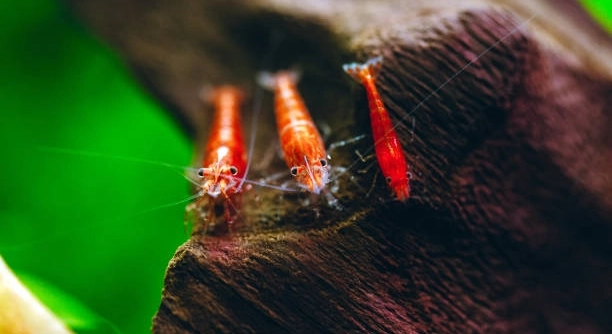
Cherry shrimp are small, vibrant creatures that add life to home aquariums. Their delicate movements and bright colors often make owners feel a connection, wondering if these tiny animals recognize or bond with them over time.
Cherry shrimp do not display loyalty in the same way mammals do. Their behavior is primarily driven by survival instincts, including foraging, hiding, and reproduction. Any repeated interactions with a specific human are coincidental rather than intentional attachment or recognition.
Observing these shrimp can still be rewarding, as their habits reveal fascinating insights into their nature and how they adapt to their environment.
Understanding Cherry Shrimp Behavior
Cherry shrimp spend most of their time exploring their environment, searching for algae, and scavenging for food particles. They are highly sensitive to changes in water conditions and light, which can affect their activity levels. Observing them, you notice that they have distinct patterns, often returning to the same hiding spots or favorite feeding areas. They interact more with their surroundings than with humans, responding primarily to stimuli that ensure their survival. While their small size makes them appear fragile, they are efficient in avoiding danger and maintaining their health. Their movements may seem purposeful, yet they are instinctual rather than conscious decisions to bond or show loyalty. Watching them adapt and respond daily can provide insight into aquatic ecosystems and how even tiny creatures develop routines. Their predictable habits make them enjoyable to maintain in a tank, especially when the environment is stable and safe.
Their behavior is mostly instinctual, with patterns shaped by survival rather than personal attachment.
Even though they do not form emotional connections with humans, observing cherry shrimp closely can be surprisingly rewarding. You begin to notice subtle differences in activity, response to new plants, and interaction with tank mates. Each shrimp shows unique traits, from cautious movements to bold exploration, which reflects their individual survival strategies. Creating a balanced, clean habitat encourages natural behaviors, allowing you to learn more about their feeding, molting, and social interactions. Paying attention to water parameters and tank setup can influence their well-being significantly. The more consistent the environment, the more active and observable the shrimp become. Over time, these small details help you appreciate the complexities of maintaining an aquarium and understanding the life patterns of these fascinating creatures.
Feeding Patterns and Interaction
Cherry shrimp respond quickly to food but rarely seek out human interaction.
Feeding is a key aspect of observing shrimp behavior. They are opportunistic feeders, consuming algae, biofilm, and specially formulated shrimp food. Their feeding habits are influenced by tank conditions, presence of other shrimp, and time of day. They tend to gather where food is plentiful, showing coordinated movement and occasional competition among tank mates. Observing their feeding can provide clues about their health, as active and consistent eaters tend to be healthier. Overfeeding can lead to water quality issues, so careful monitoring is essential. Treating feeding as an opportunity to observe behavior allows you to understand their natural instincts better. Gradually, you may notice preferences for certain foods or areas of the tank, which can inform how you manage the aquarium environment. Understanding these patterns also aids in maintaining a stable, thriving habitat for the shrimp.
Feeding behavior highlights survival instincts more than recognition or attachment to humans. It demonstrates their adaptability and responses to environmental cues, offering valuable insight into daily life in an aquarium. Observing the small rituals of feeding, competition, and selection reveals how shrimp prioritize nourishment while navigating their surroundings. They exhibit repeated patterns that can be used to assess health and activity. Even minor changes in diet or placement of food can shift behavior noticeably, emphasizing their sensitivity. Recognizing these patterns allows for better tank management and ensures shrimp remain healthy and active. Feeding is not just about nutrition—it provides a window into their instincts, reactions, and the subtle dynamics among tank inhabitants. Consistency, careful observation, and patience enhance your ability to interpret these behaviors and maintain an environment where shrimp thrive naturally.
Tank Environment and Its Influence
Tank setup affects shrimp activity more than any interaction with humans. Proper filtration, stable temperature, and hiding spaces encourage natural behavior and reduce stress.
A well-maintained tank allows cherry shrimp to explore safely. Plants, rocks, and substrates create shelter and feeding opportunities. Water quality, including pH and ammonia levels, directly impacts their health and activity. Shrimp are sensitive to sudden changes, which can cause hiding or lethargy. Observing how they respond to tank conditions helps ensure a stable environment. Placement of decorations and plants can influence movement patterns, giving insight into preferred spaces and behaviors. Keeping consistent parameters promotes active and visible shrimp, making observation easier.
Shrimp will often return to the same areas if the environment meets their needs. Familiar spaces provide security and reduce stress, allowing them to carry out natural behaviors. Even small adjustments, like adding moss or rearranging plants, can affect movement. They are highly responsive to the structure of their surroundings, and understanding these patterns helps maintain their well-being. Watching shrimp interact with the environment reveals their routines and preferences, emphasizing that comfort in their habitat is more important than any connection to humans.
Social Behavior and Tank Dynamics
Shrimp exhibit group behaviors influenced by tank population and layout rather than personal attachment. Their interactions are driven by safety, food, and reproduction.
Cherry shrimp often display schooling tendencies when food is present, moving together but without true coordination. They communicate primarily through chemical signals, which regulate mating, territory, and stress responses. Dominance and hierarchy appear subtly, with some shrimp claiming favored feeding spots or hiding areas. Aggressive encounters are rare but can occur when space is limited. Observing these patterns helps in understanding natural social structures, identifying dominant or shy individuals, and adjusting population density. Tank mates, including snails or small fish, also influence shrimp behavior, affecting activity and movement patterns.
In larger groups, social dynamics become more apparent. Shrimp use chemical cues to avoid conflict and signal readiness to molt or mate. Density and space availability impact feeding order, hiding frequency, and overall stress levels. Monitoring how shrimp interact in different setups informs proper tank management and health assessment. Recognizing these subtle interactions enhances care, allowing for adjustments that promote balanced and active communities. Attention to spacing, plant coverage, and water quality ensures minimal stress and encourages natural behavior, keeping shrimp thriving in their environment.
Signs of Stress in Cherry Shrimp
Shrimp show stress through hiding, color fading, or reduced activity. Overcrowding, poor water quality, and sudden changes often trigger these behaviors.
Molting difficulties or sluggish movements are also indicators of stress. Consistent observation helps identify problems early and adjust tank conditions to support their health and natural activity patterns.
Impact of Water Parameters
Stable water parameters are essential for shrimp survival. pH, temperature, hardness, and ammonia levels directly affect their behavior, growth, and reproduction. Regular monitoring ensures a healthy and active tank environment. Proper care reduces stress and supports natural behaviors, making shrimp more observable and lively.
Observing Molting Patterns
Molting is critical for growth and health. Shrimp often hide during this period, and providing safe spaces ensures successful molts without injury.
FAQ
Do cherry shrimp recognize their owners?
Cherry shrimp do not recognize humans individually. Their behavior is guided by instinct rather than memory of specific people. They may react to movement near the tank or feeding routines, but this is a response to environmental cues, not personal attachment or recognition. Over time, they may become accustomed to regular activity, appearing comfortable around your presence, yet this should not be mistaken for loyalty or emotional connection. Their responses are consistent with survival instincts, such as foraging and avoiding perceived threats.
Can cherry shrimp bond with other shrimp?
Cherry shrimp do not form emotional bonds but exhibit social behaviors based on safety, reproduction, and resource availability. They often group together while feeding or exploring, which offers protection and improves survival chances. Interactions with tank mates are largely instinctual, with chemical signals guiding mating, territory, and stress responses. Observing their social patterns helps maintain proper population density and ensures peaceful tank dynamics. Hierarchies may appear subtly, but these are practical adaptations rather than signs of emotional attachment.
Why do cherry shrimp hide so often?
Hiding is a natural instinct for safety, especially during molting or when stressed. Shrimp instinctively seek shelter in plants, rocks, or decorations to protect themselves from perceived threats. Frequent hiding can indicate stress from poor water quality, overcrowding, or sudden environmental changes. Providing stable conditions, sufficient hiding spaces, and a balanced tank population helps reduce stress and encourages regular activity. Even when shrimp are visible, they may retreat quickly if conditions change, highlighting their cautious nature rather than selective loyalty.
Do cherry shrimp respond to feeding routines?
Yes, shrimp quickly learn the timing and location of food, appearing active when feeding is expected. This behavior reflects anticipation and adaptation to predictable environmental cues. It is not a sign of loyalty or recognition but rather a survival strategy. Consistent feeding routines help maintain healthy shrimp and make observing their natural behaviors easier. Their response to food is tied to instinctual foraging habits, and even slight variations in timing or food type can alter activity levels. Observing these reactions provides insight into their feeding preferences and overall well-being.
Can cherry shrimp show affection toward humans?
Cherry shrimp do not display affection as mammals might. Their behaviors, such as approaching the glass during feeding or exploring near movement, are instinctual and tied to food or environmental stimuli. While they may appear interactive, it is important to recognize that these behaviors are not emotional responses. Understanding this distinction allows for realistic expectations and proper care. Treating interactions as observation opportunities rather than signs of attachment helps maintain a healthy, low-stress environment for the shrimp.
How do environmental changes affect shrimp behavior?
Shrimp are highly sensitive to water parameters, lighting, and tank layout. Sudden changes can cause hiding, lethargy, or altered feeding patterns. They thrive in stable conditions with consistent temperature, pH, and cleanliness. Gradual adjustments allow them to adapt without stress, ensuring natural activity continues. Observing reactions to changes helps refine tank management practices, improve health outcomes, and support predictable behavior. Even minor adjustments, like rearranging plants or adding decorations, can influence movement patterns and comfort levels.
What are the signs of a healthy cherry shrimp?
Healthy shrimp are active, display bright coloration, and molt successfully. They forage regularly, explore their environment, and maintain proper body shape. Healthy shrimp respond to feeding cues promptly and interact calmly with tank mates. Consistent activity and visible growth are reliable indicators of well-being. Monitoring these behaviors allows for early detection of potential health issues. Proper care, including stable water parameters, adequate food, and safe hiding spaces, supports longevity and activity. Observing shrimp closely reinforces understanding of natural patterns and contributes to a thriving tank ecosystem.
Can cherry shrimp recognize tank mates?
Shrimp interact with tank mates using chemical and visual cues, but this is based on survival, reproduction, and territory rather than recognition or loyalty. They respond to other shrimp through avoidance, mating behaviors, or feeding coordination. Understanding these social signals helps manage population balance and prevents stress-related issues. Tank composition, plant coverage, and available hiding spaces influence these interactions. Observing patterns among shrimp offers insights into natural group behaviors, hierarchy, and health, while emphasizing that these are instinctual adaptations rather than emotional connections.
How can I encourage visible activity in my shrimp?
Providing a stable environment, consistent feeding, and safe hiding spots promotes active behavior. Avoid sudden water changes or overcrowding, and offer plants and decorations for exploration. Gradually introducing stimuli, such as algae wafers or fresh vegetables, encourages movement. Active shrimp are easier to observe, and consistent care maintains natural behaviors.
Is it normal for shrimp to ignore humans?
Yes, cherry shrimp often ignore human presence. They prioritize survival, feeding, and exploration over interaction. Regular observation and gentle care ensure health and activity, but lack of response should be expected and not interpreted as disinterest or disloyalty.
Can shrimp learn routines?
Shrimp can adapt to predictable patterns, such as feeding times or light cycles, demonstrating conditioning rather than conscious learning. Recognizing these behaviors allows for better tank management and makes observation more rewarding. Their routines are practical responses, reflecting instinctual adaptation to consistent environmental cues.
What precautions ensure shrimp well-being?
Maintaining clean water, stable parameters, and sufficient hiding spaces is essential. Avoid abrupt changes and overcrowding. Regular observation of behavior, coloration, and molting patterns allows early intervention for health issues. Consistent care ensures active, visible shrimp and a balanced tank environment.
Final Thoughts
Cherry shrimp are small, delicate creatures that bring life and color to any aquarium. Their behaviors are largely guided by instinct rather than conscious thought or emotional attachment. Observing them can be rewarding, as their movements and routines reflect natural survival strategies. From foraging for food to finding safe hiding places, every action has a purpose. While it might be tempting to interpret their presence near humans as loyalty, these interactions are coincidental and driven by routine or environmental cues. Understanding this distinction helps set realistic expectations and ensures their care is focused on their needs rather than imagined connections.
Maintaining a stable, clean, and well-structured tank is essential for healthy and active shrimp. Water parameters, such as temperature, pH, and hardness, should be monitored regularly to prevent stress and ensure proper growth. Hiding spaces, plants, and decorations create a safe environment where shrimp can molt, forage, and explore comfortably. Social interactions with other shrimp are instinctive and influenced by space, population, and access to resources, rather than personal bonds. Observing these behaviors can reveal subtle differences among individuals, from shy shrimp that stay hidden to bold ones that explore freely. Recognizing these patterns helps in creating a balanced environment where shrimp can thrive naturally. Proper feeding routines also play an important role in their activity and overall well-being, reinforcing predictable behaviors while maintaining a healthy tank ecosystem.
Appreciating cherry shrimp for what they are—tiny, instinct-driven aquatic creatures—allows for a more enjoyable and mindful aquarium experience. They offer insight into survival instincts, environmental adaptation, and social dynamics on a small scale. Regular observation provides opportunities to understand their needs, adjust care practices, and maintain a thriving habitat. While they do not form emotional attachments to humans, their predictable patterns, vibrant colors, and active behaviors create a sense of engagement and satisfaction for those who keep them. Careful attention to water quality, tank layout, and feeding ensures shrimp remain healthy, active, and observable. By focusing on their natural behaviors and providing optimal conditions, keeping cherry shrimp becomes a meaningful practice in responsible aquarium maintenance, offering a rewarding glimpse into the intricate balance of aquatic life.

Hello,
If you enjoy the content that we create, please consider saying a "Thank You!" by leaving a tip.
Every little bit helps us continue crafting quality advice that supports the health, happiness, and well-being of pets around the world, for pets of all shapes, sizes, and species.
We really appreciate the kindness and support that you show us!