
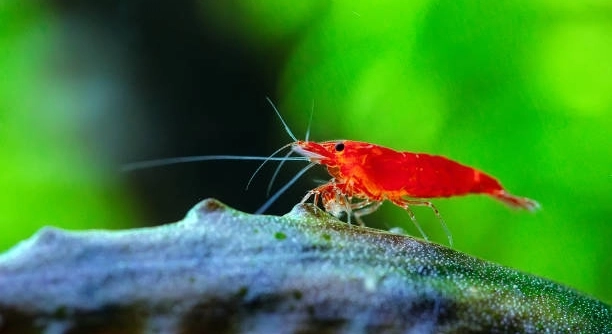
Do your cherry shrimp seem to be avoiding the moss in your aquarium despite appearing healthy and active elsewhere? Many shrimp owners notice this behavior and wonder what could be causing their pets to skip over certain areas.
Cherry shrimp often avoid moss due to water quality issues, insufficient biofilm growth, or stress from sudden environmental changes. Ensuring stable parameters, proper lighting, and a healthy layer of biofilm encourages shrimp to interact with moss naturally.
Understanding the reasons behind this behavior can help improve your aquarium setup. Small adjustments can make a noticeable difference in shrimp activity and overall tank harmony.
Water Quality and Its Impact
Water quality plays a major role in cherry shrimp behavior. If the water in your tank has fluctuating pH, temperature, or ammonia levels, shrimp may avoid certain areas, including moss. Moss often holds microhabitats that are sensitive to water changes, and shrimp can detect even small differences. Over time, poor water quality can reduce biofilm growth, which is the main food source for cherry shrimp. I noticed in my own tank that when nitrate levels rose slightly, the shrimp stayed mostly on the substrate instead of exploring moss. Proper filtration, regular water changes, and monitoring of parameters like GH, KH, and pH can make a noticeable difference. Consistent conditions encourage shrimp to explore moss naturally and stay active. Even subtle adjustments, like using dechlorinated water and avoiding sudden temperature swings, can increase interaction with moss and support healthier shrimp behavior overall.
Regular testing and adjustments ensure shrimp remain comfortable and more likely to use moss areas.
Maintaining consistent water conditions is essential not only for moss interaction but also for overall shrimp health. Biofilm development thrives in stable environments, providing food and encouraging natural grazing behavior. Observing shrimp responses to small changes can guide improvements, helping create a more balanced tank ecosystem that supports both plant and animal life effectively.
Lighting and Moss Growth
Insufficient lighting can prevent moss from growing dense and nutritious biofilm.
Lighting affects moss health and biofilm formation. Moss requires moderate, consistent light to thrive. In my tank, I noticed that dim or irregular lighting caused the moss to appear sparse, and the shrimp avoided it entirely. Adequate lighting stimulates algae and microorganisms, which are crucial for cherry shrimp grazing. Without these microfoods, shrimp have little incentive to explore moss areas. Adjusting light duration and intensity can improve moss coverage and encourage shrimp activity. Additionally, trimming overgrown moss ensures light reaches lower sections, promoting even biofilm growth. Pairing proper lighting with stable water parameters supports a healthy tank where shrimp naturally interact with moss, leading to a more dynamic and balanced environment. Observing how shrimp respond to improved lighting can help identify further adjustments, creating a thriving space for both moss and shrimp.
Stress and Environmental Changes
Stress can make cherry shrimp avoid areas they usually enjoy. Sudden movements, new tankmates, or changes in water parameters can create anxiety, leading shrimp to hide in safer areas. Moss is often skipped if shrimp feel unsettled.
In my tank, introducing a few snails caused the shrimp to spend days near the substrate, barely touching moss. Even minor changes, like moving decorations or adding plants, can trigger similar reactions. Shrimp are sensitive to vibrations and light shifts, so keeping the environment stable is key. Reducing stress means maintaining gentle water flow, avoiding sudden temperature swings, and slowly acclimating new additions. Over time, shrimp regain confidence and start exploring moss again, provided conditions remain calm.
Observing shrimp closely after changes can help identify stress triggers. Adjusting tank setup gradually and keeping a predictable routine encourages shrimp to return to moss, improving grazing and overall activity.
Feeding and Biofilm Availability
Shrimp avoid moss when biofilm and algae are insufficient.
Cherry shrimp primarily feed on biofilm that grows on moss and surfaces. If your tank is new or lighting is poor, biofilm may be limited, making moss less appealing. I noticed that after boosting light and adding a small, supplemental biofilm food, shrimp began exploring moss more actively. Overfeeding can also reduce grazing because shrimp rely on leftover food instead. Keeping a balance between natural biofilm and supplemental feeding encourages shrimp to utilize moss while still getting proper nutrition.
Providing diverse food sources and maintaining moss health ensures shrimp remain engaged with the tank environment. Observing grazing patterns helps track biofilm availability and adjust feeding routines accordingly. Properly maintained moss supports shrimp activity, nutrition, and overall tank balance, creating a lively and interactive aquarium ecosystem.
Tank Size and Layout
A crowded or poorly arranged tank can discourage shrimp from exploring moss. Limited space or too many hiding spots may make them stay on the substrate.
In my experience, rearranging decorations and ensuring open areas around moss encouraged shrimp to venture into it more frequently.
Temperature Fluctuations
Shrimp are sensitive to sudden temperature changes, which can make moss less appealing. Maintaining a consistent range supports activity and feeding habits. In my tank, small shifts of just a few degrees caused the shrimp to retreat from moss temporarily. Gradual adjustments restore confidence and normal behavior.
Moss Type
Not all mosses are equally attractive to shrimp. Some varieties hold more biofilm or provide better surfaces for grazing. Choosing dense, slow-growing moss can increase interaction, while fragile or sparse moss may be ignored despite proper care.
Why are my cherry shrimp avoiding the moss entirely?
Shrimp may avoid moss when water parameters are unstable, biofilm is insufficient, or stress levels are high. In my tank, I noticed that after a minor pH swing, shrimp ignored moss completely. Stabilizing water, adding supplemental biofilm, and keeping lighting consistent encouraged them to explore again. Moss avoidance often signals that environmental conditions need attention rather than a problem with the shrimp themselves.
Can poor lighting cause shrimp to skip moss?
Yes. Moss requires moderate, consistent light to develop a healthy biofilm. If light is weak or irregular, biofilm growth slows, making the moss less attractive. I improved my tank lighting gradually, and shrimp started exploring moss more actively within a week. Proper trimming and ensuring even light distribution also helps.
Does the type of moss affect shrimp behavior?
Absolutely. Dense, slow-growing moss such as Java moss or Christmas moss provides more surface for biofilm and hiding spots. Sparse or fragile moss may be ignored. I observed that switching from a thin moss mat to denser moss increased grazing and activity immediately. Shrimp tend to favor moss that offers both food and shelter.
Can stress make shrimp avoid moss temporarily?
Yes. Changes like introducing new tankmates, decorations, or water disturbances can cause shrimp to hide. In my aquarium, adding a few snails led shrimp to stay near the substrate for days. Gradually restoring calm conditions and minimizing sudden changes helps shrimp regain confidence and explore moss again.
How does feeding impact moss interaction?
Overfeeding can reduce moss grazing because shrimp rely on leftover food instead of seeking biofilm. I started supplementing with small amounts of algae wafers and microfoods while maintaining biofilm, which encouraged shrimp to interact with moss more naturally. Balanced feeding supports normal foraging behavior and ensures shrimp use moss as a food source.
Could water flow influence moss avoidance?
Strong currents or uneven flow can discourage shrimp from exploring moss. I noticed that areas near the filter outlet were almost empty, while calm zones saw more shrimp activity. Adjusting the filter direction and creating gentle, consistent water flow around moss encourages shrimp to graze comfortably without stress.
Do temperature changes affect moss use?
Even small temperature fluctuations can make shrimp avoid moss. Shrimp prefer stable conditions, and sudden shifts of a few degrees can cause temporary retreat. In my tank, keeping the water consistently between 72–78°F helped shrimp feel secure and increased moss exploration. Gradual acclimation is key when adjusting temperature.
Is moss age a factor in shrimp interest?
Yes. Newly planted moss may take time to develop biofilm and attract shrimp. In my experience, moss older than a few weeks tends to have a richer microfauna layer, drawing shrimp more consistently. Patience is important, as healthy moss gradually becomes a preferred grazing area.
Can tank size or layout affect moss interaction?
Shrimp may avoid moss in overcrowded or cluttered tanks. In my setup, creating open spaces around moss encouraged shrimp to explore it more often. Proper placement of decorations, hiding spots, and moss mats allows shrimp to feel safe while accessing food and surfaces naturally.
How long does it take for shrimp to start using moss again?
Recovery depends on water stability, biofilm growth, and stress levels. In my tank, shrimp returned to moss within a few days to a week after stabilizing conditions and ensuring proper lighting and food. Monitoring behavior closely helps determine if additional adjustments are needed to encourage regular grazing.
Cherry shrimp can be delicate creatures, and their behavior often reflects the condition of their environment. Moss is a key part of their habitat because it provides both a safe space to explore and a surface for biofilm, which is their main source of food. When shrimp avoid moss, it is usually a sign that some aspect of the tank needs attention. From my experience, the most common reasons include unstable water parameters, insufficient biofilm, poor lighting, or stress from environmental changes. Each of these factors can be addressed with careful observation and small adjustments. Ensuring that water is stable, properly filtered, and maintained at the right temperature range can make a noticeable difference in shrimp activity. Keeping a consistent routine for feeding and monitoring the tank also helps shrimp feel secure, encouraging them to explore moss more confidently.
Lighting and moss health are closely linked in shrimp behavior. Shrimp are drawn to moss that provides a good grazing surface, and moss requires adequate light to develop biofilm. Sparse or weakly lit moss may not attract shrimp, even if all other tank conditions are ideal. In my own aquarium, adjusting the lighting to ensure even coverage and proper intensity led to increased shrimp interaction with moss. Trimming and maintaining moss also supports healthy growth, making it more appealing for grazing. Certain moss types, like dense Java moss or Christmas moss, hold biofilm better and provide shelter, which makes them more attractive. Choosing the right moss for your tank and maintaining it properly can directly influence shrimp behavior, supporting both feeding habits and overall activity levels.
Stress and sudden environmental changes can also lead to moss avoidance. Introducing new tankmates, moving decorations, or allowing water parameters to fluctuate can make shrimp retreat to safer areas. In my experience, minimizing these stressors and gradually acclimating new elements to the tank helped shrimp return to normal behavior. Providing gentle water flow, consistent temperature, and a calm environment allows shrimp to feel safe while exploring moss. Observing shrimp behavior regularly makes it easier to identify and correct issues before they become persistent. By paying attention to water quality, lighting, moss health, and environmental stability, you can create a tank where cherry shrimp feel comfortable, encouraging them to interact with moss naturally. Over time, these adjustments not only improve shrimp activity but also contribute to a balanced and thriving aquarium ecosystem.

Hello,
If you enjoy the content that we create, please consider saying a "Thank You!" by leaving a tip.
Every little bit helps us continue crafting quality advice that supports the health, happiness, and well-being of pets around the world, for pets of all shapes, sizes, and species.
We really appreciate the kindness and support that you show us!