
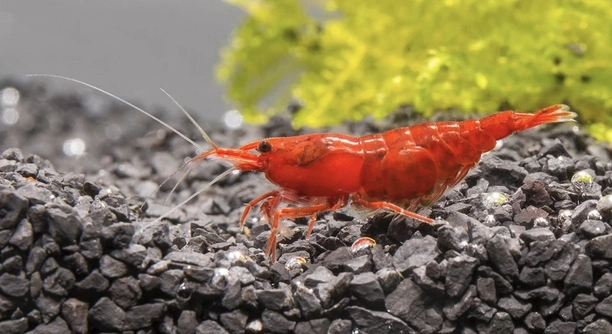
Do you enjoy keeping cherry shrimp but notice tiny fry swimming around in your tank? Observing their small movements can be both fascinating and a little concerning for their safety. Many hobbyists wonder how adult shrimp respond to them.
Cherry shrimp generally exhibit minimal interaction with their fry, focusing on their own feeding and activities. Adults rarely display aggression, and fry often hide among plants or substrate, relying on cover to avoid accidental encounters and ensure their survival.
Understanding these interactions can help maintain a balanced tank environment and promote the well-being of both adults and fry in your aquarium.
How Cherry Shrimp Behave Around Fry
Adult cherry shrimp usually focus on their own feeding and movement, leaving the fry largely undisturbed. Fry tend to stay hidden among plants, moss, or substrate, avoiding open areas where adults swim. Observing their cautious movements can be fascinating, as they instinctively seek cover. Adults rarely pursue or harass fry, though accidental encounters can happen when both share the same space. Providing dense planting and hiding spots increases fry survival, giving them time to grow and develop. Adults may occasionally nibble on leftover food near fry, but this does not indicate predatory behavior. Over time, fry become more confident and start exploring areas adults frequent. Maintaining a clean, stable tank with proper water parameters helps both adults and fry thrive, supporting natural behavior without unnecessary stress or competition for resources.
Keeping a well-planted tank allows fry to grow safely while adults go about their normal routines.
Fry survival depends heavily on hiding spots and food availability. Ensuring both creates a balanced environment. Dense plants, moss, or driftwood provide cover, while microfoods like powdered shrimp food or infusoria support their growth. Observing fry in their first weeks shows careful, deliberate movements and an instinct to avoid larger tankmates. Adults may feed nearby but rarely bother fry directly. Providing calm water flow and avoiding sudden disturbances helps fry feel secure. Over time, they become more confident, venturing out to explore the tank. Consistent feeding and monitoring water quality ensures both adults and fry remain healthy, promoting natural behaviors and long-term survival.
Feeding and Safety Considerations
Adult cherry shrimp rarely eat fry, but careful feeding remains important.
Fry need small, frequent feedings to grow properly. Adults eat larger portions, which can leave microfood for the fry. Separating dense feeding areas ensures fry get enough without competition. Observation helps identify if fry are getting enough nutrients, while adults continue their usual routines. Avoid overfeeding adults, as excess food can harm water quality, affecting both adults and fry. Using live or powdered food supports fry development. A stable, clean environment with proper hiding spots reduces stress. Monitoring interactions allows you to adjust feeding and placement strategies, keeping both generations safe. Keeping a calm and well-maintained tank ensures minimal disruption and promotes healthy growth, with fry gradually integrating into adult areas as they mature. Maintaining water quality, regular feeding schedules, and proper hiding spaces encourages natural behavior. Fry gradually learn to navigate their surroundings confidently while adults remain focused on their own activity, creating a balanced ecosystem in your tank without unnecessary risk to younger shrimp.
Tank Setup for Fry Safety
Providing dense plants, moss, and hiding spaces keeps fry safe from accidental encounters with adults. Shallow areas and low-flow regions also help fry navigate without stress. Proper substrate and decorations offer natural cover while maintaining easy access to food and water circulation.
A well-structured tank ensures fry can find shelter while exploring their environment. Adults tend to swim openly, but dense plant growth gives fry the chance to hide when needed. Moss, floating plants, and small crevices are ideal for this. A mix of tall plants and low ground cover allows fry to move safely and access microfoods without interference. Avoid overcrowding, as excessive shrimp can increase stress and accidental disturbances. Filtration should be gentle, preventing fry from being swept into strong currents, while aeration ensures water quality remains stable.
Monitoring tank conditions and adjusting plant density as fry grow improves survival. Using natural hiding spots rather than artificial barriers encourages natural behavior. Observing interactions helps identify areas where fry feel exposed. Adult shrimp generally ignore fry, but accidental contact can cause stress or minor injuries. Maintaining a balance of open swimming areas and secure cover promotes confidence in fry, allowing them to gradually explore more of the tank. A carefully planned tank setup reduces risks and fosters healthy growth, ensuring both adults and fry coexist with minimal disruption.
Feeding Strategies for Fry
Fry require small, frequent meals to grow and avoid competition with adults. Microfood or powdered shrimp food is ideal. Adults will eat larger portions without interfering with fry if feeding is managed.
Timing and portion size are critical for fry development. Offering multiple small meals throughout the day ensures they can access food without being crowded by adults. Powdered foods, infusoria, or crushed flakes work best for their tiny mouths. Adults can eat regular shrimp food, but providing separate feeding areas minimizes stress and competition. Observing fry during feeding helps adjust portions and prevent leftover food from fouling water quality. Rotating foods and including protein-rich options supports healthy growth. Consistent feeding also encourages fry to explore open areas safely, gradually increasing their confidence.
Maintaining a stable feeding routine promotes both fry and adult health. Overfeeding adults can cloud water and reduce oxygen, affecting fry survival. Carefully monitoring water quality and cleaning excess food prevents issues. Providing varied foods ensures fry get essential nutrients, supporting molting and growth. Adults continue normal feeding without disruption, allowing fry to establish independence over time. Feeding in multiple areas reduces competition and stress, giving shy or smaller fry a chance to access nutrients. With consistent care, fry gradually develop into healthy juveniles while adults remain active and unharmed.
Observing Natural Behavior
Fry tend to stay close to plants and substrate, avoiding open swimming areas. Adults move freely and rarely disturb fry. Observing these patterns helps understand shrimp behavior and adjust tank conditions for safety.
Hiding spots encourage fry to explore at their own pace. Dense moss and small crevices allow fry to stay out of sight when necessary. Adults show minimal interest, focusing on feeding and movement. This natural separation reduces stress and improves fry survival rates, making observation a useful tool for maintaining a balanced tank environment.
Water Quality and Temperature
Maintaining stable water parameters is essential for fry survival. Temperatures should remain consistent, and ammonia or nitrite levels must be near zero. Frequent testing ensures both adults and fry remain healthy, preventing stress or illness that could affect growth.
Interaction Monitoring
Occasional interaction between adults and fry is normal, but aggression is rare. Observing these interactions helps adjust tank layout, feeding, and hiding spaces to ensure a safe environment for all shrimp.
FAQ
Do adult cherry shrimp eat their fry?
Adult cherry shrimp rarely eat their fry. Most adults focus on feeding and general movement in the tank rather than targeting fry. Accidental encounters may occur, but adults do not show predatory behavior. Dense plants and hiding spots provide fry protection, minimizing stress and increasing survival rates.
How can I ensure fry survival in a community tank?
Providing plenty of cover, such as moss, small plants, and crevices, is key. Avoid overcrowding adults, as excessive numbers can accidentally disturb fry. Gentle water flow and stable water parameters help fry remain safe while allowing adults to continue their normal activities.
What is the best food for cherry shrimp fry?
Microfood, powdered shrimp food, or infusoria are ideal. Fry have tiny mouths and need small, frequent feedings. Adults eat larger flakes or pellets, so offering separate feeding areas ensures fry get the nutrients they need without competition or stress from adults.
How often should I feed fry?
Fry benefit from multiple small feedings each day. Frequent meals prevent them from being outcompeted by adults and support steady growth. Monitor how quickly the fry consume food to avoid overfeeding, which can reduce water quality and affect overall tank health.
How do I prevent stress in fry?
Stress is reduced by stable water parameters, gentle filtration, and consistent feeding. Providing plenty of hiding spots and maintaining a calm environment helps fry feel secure. Avoid sudden movements, bright lights, or excessive handling that could disturb them.
When do fry start exploring openly?
Fry gradually become more confident as they grow. With sufficient cover and proper nutrition, they begin exploring open areas around two to three weeks after hatching. Adults usually continue to ignore fry, allowing them to establish their own space safely.
Can adults and fry share the same tank long-term?
Yes, adults and fry can coexist if hiding spots, stable water parameters, and proper feeding routines are maintained. Monitoring interactions ensures fry are not stressed, and gradually, fry grow confident enough to navigate adult areas safely. Proper tank management is essential for long-term success.
What are signs of unhealthy fry?
Signs include sluggish movement, staying in one place, discoloration, or failing to eat. Poor water quality, insufficient food, or stress from excessive adult interaction are common causes. Addressing these factors promptly supports healthy development and reduces the risk of mortality.
How important is tank maintenance for fry?
Regular water changes, testing for ammonia, nitrite, and nitrate, and careful removal of uneaten food are critical. Clean tanks prevent stress, illness, and growth delays in fry while keeping adults healthy. Maintenance ensures both generations thrive in a balanced environment.
Should I separate fry from adults?
Separation is not always necessary if there is sufficient cover and feeding space. However, in overcrowded tanks or with limited hiding spots, separating fry can improve survival rates. Many hobbyists use breeding boxes or dense moss areas to keep fry safe while still in the main tank.
Can fry survive on leftover adult food?
Fry can sometimes consume small particles left by adults, but relying on this alone is insufficient. Providing specialized microfood ensures proper growth, while leftover adult food can supplement but not replace dedicated fry feeding.
How does tank size affect fry safety?
Larger tanks with plenty of plants and decorations give fry more hiding options and reduce accidental encounters with adults. Smaller tanks can increase stress and risk, making careful layout and population management essential for fry survival.
How long does it take for fry to mature?
Cherry shrimp fry usually reach juvenile stage within six to eight weeks, depending on feeding, water quality, and hiding opportunities. During this time, maintaining stable conditions and observing interactions helps ensure healthy growth without aggression or stress.
Are there specific plants that help fry survival?
Mosses, dense carpeting plants, and small-leaved plants provide ideal cover. Floating plants reduce light and create shaded areas, while fine-leafed plants allow fry to hide and find microfood. A mix of plant types encourages natural behavior and increases survival chances.
How do I know when fry are ready to join adult areas?
When fry are larger, more confident, and actively exploring without hiding constantly, they can safely move into adult swimming areas. Continued observation ensures they are not stressed or at risk, and natural interaction with adults becomes more manageable.
Can adult aggression harm fry?
Aggression is minimal in cherry shrimp. Most adults ignore fry, and accidental bumps are rare. Ensuring hiding spots, adequate feeding, and low adult density further reduces risk, creating a safe environment where fry can grow without interference.
Is water temperature critical for fry?
Yes, maintaining stable temperatures around 22–26°C supports fry metabolism, growth, and overall health. Sudden temperature swings cause stress, slow growth, and increase vulnerability to disease. Consistency benefits both adults and fry, promoting natural behavior and healthy development.
Do fry need special lighting conditions?
Moderate lighting is best. Bright lights may stress fry and encourage them to hide constantly. Floating plants or shaded areas help fry feel secure while adults continue their normal routines. Balanced lighting supports plant growth without disturbing fry behavior.
How often should I observe fry?
Daily observation is helpful to monitor growth, feeding, and safety. Watching interactions ensures fry are not stressed and allows adjustments in hiding spots, feeding routines, or water parameters as needed. Consistent attention increases survival and healthy development.
What are common mistakes in raising fry?
Overcrowding, insufficient hiding spots, irregular feeding, and poor water quality are the most frequent mistakes. Adults may accidentally disturb fry in dense populations. Addressing tank layout, feeding schedules, and maintenance reduces these risks and supports fry survival and growth effectively.
Can fry survive in tanks without adults?
Yes, fry can grow in a separate tank with proper care. This method eliminates accidental adult encounters entirely. Feeding, water quality, and hiding spots remain critical. Many breeders use this approach to maximize fry survival, gradually introducing them to adult tanks once they are larger and more confident.
How do I encourage fry to grow quickly?
Provide stable water parameters, frequent microfood feedings, and plenty of hiding spots. A calm environment reduces stress, while varied nutrition supports healthy molting and development. Observing growth helps adjust feeding and tank conditions, ensuring fry develop into strong, confident juveniles ready for adult life.
Are there signs that fry are stressed by adults?
Stress indicators include constant hiding, reduced feeding, sluggish movement, or rapid color changes. Adjusting hiding spots, reducing adult density, or separating fry temporarily can alleviate stress and improve survival rates. Monitoring these behaviors ensures a balanced tank environment for both generations.
How important is filtration for fry tanks?
Filtration is essential but should be gentle. Strong currents can sweep fry into dangerous areas or cause exhaustion. Sponge filters or adjustable flow filters provide necessary water quality without disturbing fry, allowing safe coexistence with adults or in separate rearing tanks.
Can fry live in the same water as other shrimp species?
Compatibility depends on the species. Peaceful shrimp like cherry shrimp fry usually do well with similarly calm species. Avoid larger or aggressive shrimp that may pose a threat. Dense plants and hiding spaces remain important to reduce stress and allow fry to grow safely.
Do fry need supplemental calcium?
Yes, calcium supports molting and shell development. Powdered supplements or mineral-rich foods help fry grow properly. Adults also benefit, but fry are more sensitive to deficiencies. Including calcium sources promotes healthy growth and reduces molting complications.
How can I tell if fry are getting enough food?
Healthy fry are active, growing steadily, and show interest in microfood. Uneaten food disappearing too quickly or fry appearing lethargic may indicate insufficient feeding. Adjusting portion size and feeding frequency ensures all fry receive adequate nutrition for proper development.
Is it necessary to count fry regularly?
Counting fry can help track survival rates and identify potential issues with feeding, water quality, or tank layout. Frequent observation allows early intervention if fry appear stressed, undersized, or unwell, improving overall survival and promoting balanced tank conditions.
Can fry survive alongside snails or other tank inhabitants?
Yes, most small, non-aggressive species like snails coexist peacefully. They do not pose a threat and may even help clean up leftover food. Ensuring adequate hiding spots and monitoring interactions reduces stress and supports healthy fry development.
How do I know when to stop specialized fry care?
Once fry reach juvenile size, can feed on standard adult food, and confidently explore adult areas, specialized care can be reduced. Maintaining stable water quality and adequate plants remains important, but intensive feeding and frequent hiding adjustments are less critical.
What common mistakes should I avoid when raising fry?
Neglecting water quality, overfeeding adults, providing too few hiding spots, and failing to monitor interactions are key mistakes. Avoiding these ensures fry grow safely, stress is minimized, and both adults and juveniles remain healthy and active.
Are there ways to speed up fry growth safely?
Providing frequent, high-quality microfood feedings, stable water parameters, and adequate hiding spaces promotes steady growth. Avoid rapid temperature changes or overcrowding, which can stress fry. Observing development allows adjustments to feeding and tank layout for optimal results.
How can I track fry growth effectively?
Observing size, activity, and coloration regularly helps monitor progress. Recording growth over weeks identifies potential issues with nutrition, water quality, or interactions with adults. Adjustments based on observation ensure fry develop properly into healthy juveniles.
Can adult shrimp ever harm fry intentionally?
Cherry shrimp adults rarely harm fry intentionally. Accidental disturbances may occur, but adults generally ignore fry. Ensuring hiding spots, proper feeding, and low adult density prevents accidental injury and promotes safe coexistence in the same tank.
What is the ideal tank setup for raising fry?
A combination of dense plants, moss, low-flow areas, gentle filtration, and stable water parameters supports fry survival. Adults should have space to swim freely without disturbing fry. Feeding routines and hiding spots are crucial for maintaining a balanced environment.
How important is observation for successful fry care?
Daily observation allows early detection of stress, insufficient feeding, or water quality issues. Monitoring interactions, growth, and activity helps adjust tank setup, feeding, and maintenance practices, ensuring fry grow healthy while adults remain unharmed.
Can fry survive in a tank with fluctuating conditions?
Fluctuating temperatures, ammonia spikes, or unstable water chemistry significantly stress fry. Consistent care and careful monitoring are essential. Even short-term instability can affect growth and survival, highlighting the importance of stable conditions for both fry and adults.
Do fry recognize adults as threats?
Fry instinctively avoid adults, staying close to cover or substrate. This behavior is natural and reduces accidental contact. Adults generally ignore fry, so fry learn to navigate safely without direct threats, gradually gaining confidence as they grow.
Can I raise fry without live plants?
While possible, live plants provide essential hiding spots and food sources for fry. Artificial plants may help, but dense natural cover is more effective in promoting safe behavior and survival, supporting both fry growth and adult well-being.
How does light intensity affect fry behavior?
Bright lighting may cause fry to hide constantly, reducing feeding and slowing growth. Moderate lighting with shaded areas allows fry to explore safely. Floating plants or moss mats create natural cover, balancing visibility and protection.
Are there signs that fry are thriving?
Active swimming, steady growth, consistent feeding, and normal coloration indicate healthy fry. Fry that explore cautiously, molt regularly, and respond to food without stress show positive development and are likely to reach juvenile and adult stages successfully.
How do I introduce fry to adult areas safely?
Gradually increase open areas while maintaining hiding spots. Observe interactions closely and ensure adequate food. Over time, fry gain confidence and begin exploring adult spaces without stress. Maintaining balance reduces accidental contact and promotes natural behavior.
What is the typical survival rate of fry in a well-maintained tank?
With proper hiding spots, feeding, water quality, and low adult density, survival rates can exceed 80 percent. Careful observation and adjustments improve outcomes, while overcrowding, poor feeding, or unstable conditions reduce survival significantly.
Can I keep multiple generations in the same tank?
Yes, multiple generations can coexist if hiding spots, feeding routines, and water quality are maintained. Adults and juveniles generally ignore each other, and fry gradually grow confident enough to share spaces safely, creating a balanced multi-generational environment.
How long should I keep fry in protected areas?
Fry benefit from protection during their first weeks of life, typically until they grow large enough to avoid accidental disturbances. Gradual exposure to open areas supports confidence while minimizing stress and promoting healthy development.
What are the key factors for successful fry raising?
Stable water parameters, adequate hiding spots, frequent microfood feeding, low adult density, and careful observation are essential. Attention to these factors ensures fry grow safely, maintain healthy behavior, and eventually integrate successfully into the adult population.
How does adult population density affect fry?
High adult density increases accidental contact and stress. Maintaining a moderate adult population allows fry to hide safely, access food, and explore gradually. Proper tank layout reduces competition and supports a balanced ecosystem for both adults and juveniles.
Can fry survive without supplemental food if adults are present?
Relying solely on leftover adult food is insufficient. Fry need specialized microfood to grow properly. Adults may leave small particles, but dedicated feeding ensures adequate nutrition and supports healthy molting and development.
How important is tank monitoring for long-term fry success?
Regular monitoring of water quality, feeding, hiding spots, and adult interactions is essential. Early detection of issues ensures corrective action, supports growth, reduces stress, and maintains a safe environment for fry while allowing adults to thrive.
Can fry be raised in a community tank with other species?
Fry can survive with peaceful, small species that do not pose a threat. Avoid large, aggressive, or predatory tankmates. Dense hiding spots and stable conditions are crucial to ensure fry remain safe while adults continue normal activity.
What is the role of substrate in fry survival?
Fine substrate provides cover and encourages natural hiding behavior. Fry use it to avoid adults and search for microfood. Rough or large-grain substrates can make hiding difficult, increasing stress and reducing survival chances. Proper substrate supports both fry safety and overall tank health.
How can I tell if fry are stressed by water conditions?
Signs include lethargy, discoloration, reduced feeding, or excessive hiding. Addressing water parameters, flow, and temperature quickly reduces stress. Consistent monitoring ensures a safe environment, allowing fry to grow confidently and interact naturally with adults over time.
Are there advantages to raising fry in a separate tank?
Separating fry eliminates accidental adult disturbance and allows more controlled feeding and hiding arrangements. This can improve survival rates and growth speed. Once fry reach juvenile size, they can gradually be introduced to the main tank, reducing stress and improving long-term health.
What is the best way to maintain water quality for fry?
Regular water changes, gentle filtration, careful feeding, and testing for ammonia, nitrite, and nitrate are essential. Stable water parameters prevent stress, disease, and poor growth. Consistency supports both fry and adult health while minimizing risks associated with fluctuating conditions.
How does feeding frequency impact fry growth?
Frequent, small feedings ensure fry get enough nutrients without being outcompeted by adults. Spacing meals throughout the day promotes steady growth, healthy molting, and stronger survival rates. Observing consumption helps adjust feeding for optimal results.
What are common mistakes in fry feeding?
Overfeeding adults, underfeeding fry, or using food too large for fry mouths are common errors. Providing appropriate microfood in small portions prevents stress, ensures nutrition, and supports consistent growth without harming water quality or tank balance.
Can fry survive in filtered or unfiltered water?
Fry require clean, stable water. Gentle filtration is preferred to remove waste and maintain quality without creating strong currents that can stress or injure fry. Unfiltered water may lead to harmful ammonia and nitrite accumulation, risking fry health and survival.
How can I encourage natural behavior in fry?
Providing varied hiding spots, stable water parameters, and minimal disturbances allows fry to explore safely. Dense plants and moss support natural feeding, molting, and swimming behaviors while gradually increasing confidence in adult areas without stress.
Are there signs that fry are ready for adult food?
Fry begin taking larger food particles confidently once their mouths can handle adult flakes or pellets. Active feeding, growth, and molting patterns indicate readiness. Gradual introduction prevents stress and supports smooth transition to adult feeding routines.
How often should water parameters be tested for fry tanks?
Testing water parameters at least twice a week ensures ammonia, nitrite, and nitrate remain safe. Regular monitoring prevents stress or illness in fry and helps maintain stable conditions for adults, promoting healthy growth and overall tank balance.
Can fry survive in tanks with fluctuating pH?
Fry are sensitive to sudden pH changes, which can stress them and slow growth. Maintaining consistent pH levels supports healthy development, molting, and feeding while minimizing risks associated with unstable water chemistry.
How important is tank temperature consistency?
Temperature swings stress fry, slow growth, and increase vulnerability to disease. Maintaining a steady range supports metabolism, molting, and natural behavior, ensuring both fry and adults thrive in a stable, balanced environment.
Can fry survive alongside adult shrimps of different colors?
Yes, color differences do not impact behavior. Fry rely on hiding spots for safety. Adults generally ignore fry regardless of color, so mixed-color tanks do not affect survival if tank layout and feeding are properly managed.
What is the optimal flow rate for fry survival?
Low, gentle water flow prevents fry from being swept into dangerous areas. Sponge filters or adjustable flow filters maintain water quality without disturbing fry, allowing them to explore safely while adults continue normal movement.
How do I prevent mold or algae from affecting fry food?
Feed small portions and remove uneaten food promptly. Avoid excessive lighting or stagnant areas that encourage algae. Proper tank maintenance and careful feeding prevent contamination, ensuring fry receive safe, nutritious meals.
Can fry survive in tanks with fish?
Small, peaceful fish may coexist, but many fish see fry as food. If fish are present, hiding spots and dense plants are essential to protect fry. Careful observation ensures survival without stress from tankmates.
Do fry need supplements for healthy growth?
Calcium and mineral-rich foods support molting and shell development. Fry are sensitive to deficiencies, so providing supplements or fortified microfoods ensures steady growth and healthy juvenile development.
How do I know if hiding spots are sufficient?
Fry should have areas to retreat comfortably without overcrowding. Observing behavior, such as constant hiding or stress, indicates the need for additional cover. Proper density promotes confidence, exploration, and survival.
What are the signs of overpopulation affecting fry?
Crowding leads to stress, competition for food, and reduced hiding options. Fry may hide excessively or fail to grow properly. Adjusting adult numbers, providing
Final Thoughts
Raising cherry shrimp fry can be both rewarding and challenging. Observing tiny fry navigate their environment while adults swim freely is fascinating. The key to their survival lies in providing a safe, stable habitat where they can grow without unnecessary stress. Dense plants, moss, and small hiding spaces are essential. Fry instinctively seek cover, and these natural hiding spots give them the security they need to explore, feed, and develop at their own pace. Adults generally ignore fry, but accidental bumps can occur, so careful tank layout reduces potential risks. A well-maintained tank with clean water, gentle filtration, and proper substrate supports both fry and adults, ensuring long-term health and minimizing disruptions to natural behavior.
Feeding plays a significant role in fry development. Microfood, powdered shrimp food, or infusoria work best for tiny fry mouths, while adults consume larger flakes or pellets. Providing separate feeding areas allows fry to access nutrients without competition. Frequent small meals throughout the day help maintain steady growth and reduce stress from food scarcity. Overfeeding adults can impact water quality, which indirectly affects fry, so careful monitoring is necessary. Observing feeding behavior helps identify whether fry are getting enough nutrition, and small adjustments in portion size or timing can make a big difference. Additionally, supplements like calcium promote healthy molting and shell development, which is crucial for fry to mature successfully.
Monitoring water quality, temperature, and general tank conditions is equally important. Fry are sensitive to fluctuations in ammonia, nitrite, nitrate, pH, and temperature, and even minor changes can stress them or slow their growth. Consistent observation allows adjustments in tank setup, feeding, or maintenance practices, ensuring fry can explore confidently and develop properly. Over time, fry grow more independent, gradually venturing into adult areas while still relying on cover when needed. By maintaining a balanced environment, providing adequate nutrition, and observing interactions closely, both adults and fry can coexist successfully. This careful attention ensures a thriving shrimp population and a healthy, harmonious aquarium ecosystem.

Hello,
If you enjoy the content that we create, please consider saying a "Thank You!" by leaving a tip.
Every little bit helps us continue crafting quality advice that supports the health, happiness, and well-being of pets around the world, for pets of all shapes, sizes, and species.
We really appreciate the kindness and support that you show us!