
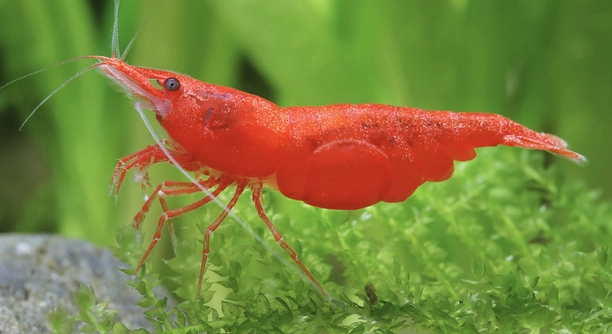
Have you ever noticed your cherry shrimp avoiding the bottom of the tank even when there is plenty of food? Observing their behavior can reveal subtle signs of stress, water conditions, and interactions with their environment.
Cherry shrimp often avoid the tank bottom due to factors such as poor water quality, strong currents, insufficient hiding places, or aggressive tank mates. Each of these elements can cause discomfort, stress, or fear, prompting the shrimp to remain in safer, elevated areas.
Learning about these reasons can help improve their habitat and overall wellbeing, ensuring your cherry shrimp feel secure and active throughout the tank.
Poor Water Quality
Poor water quality is one of the main reasons cherry shrimp avoid the bottom. They are very sensitive to ammonia, nitrites, and nitrates, which can build up if the tank is not cleaned regularly. High levels of these chemicals can irritate their gills and make the substrate uncomfortable. Even small changes in pH or hardness can stress them, pushing them to swim closer to the surface. Temperature fluctuations also affect their behavior. Shrimp often seek areas with more stable water conditions, which are usually away from the substrate. Uneaten food and decaying plants contribute to poor water quality. Keeping the substrate clean and performing regular water changes helps reduce these risks. Some types of gravel or sand can trap debris, making it harder to maintain safe conditions. Providing a well-maintained tank encourages shrimp to explore the bottom without fear of harmful exposure or discomfort, allowing them to feed and molt naturally.
Maintaining proper water quality ensures your shrimp feel safe and are less likely to avoid the substrate entirely.
By testing water parameters regularly, performing partial water changes, and cleaning the substrate, you can create a stable environment. Using a sponge filter or gentle filtration helps keep waste suspended without strong currents. Adding live plants not only absorbs excess nutrients but also gives shrimp hiding places. Monitoring temperature daily ensures sudden changes don’t stress them. Avoid overfeeding, as leftover food decomposes quickly and harms water quality. Substrate choice matters too; finer sand may be easier to keep clean than coarse gravel. With consistent care, shrimp will gradually feel secure enough to spend more time near the bottom, exploring and feeding naturally. Observing their behavior after adjustments can help identify if other factors, like tank mates or lighting, influence their preference for higher areas. Healthy shrimp are active, colorful, and confident in using all tank levels, including the bottom.
Strong Currents
Strong currents can make the bottom uncomfortable for cherry shrimp, causing them to stay in calmer areas of the tank.
Cherry shrimp are small and delicate, and strong water movement at the bottom can make it difficult for them to move or cling to surfaces. Currents created by filters or water pumps can push them around, increasing stress and discouraging bottom activity. Even if the substrate is clean and food is available, they may avoid areas where they feel unstable. Slow, gentle flow allows them to forage and molt safely. Adding hiding spots, like moss or small plants, can reduce exposure to currents. Adjusting filter output or redirecting water flow often helps. When currents are minimized, shrimp gain confidence to explore the bottom freely and access food without difficulty. Watching them gradually return to the substrate signals that conditions are more comfortable and secure.
Insufficient Hiding Places
Cherry shrimp need places to hide near the bottom. Without plants, moss, or small decorations, they may feel exposed and avoid the substrate. Providing even small shelters helps them feel safe while foraging.
Shrimp naturally seek cover to protect themselves from stress or perceived threats. When the bottom is open and lacks hiding spots, they often remain in mid or upper levels of the tank. Moss, driftwood, or small caves give them secure areas to molt and rest. Hiding places reduce stress, allowing shrimp to explore more freely and feed without fear. Dense plants also provide surfaces for biofilm, a natural food source, encouraging bottom activity. Even a few well-placed shelters can make a noticeable difference in their behavior and confidence.
Adding hiding spaces should be done gradually, ensuring shrimp can access all areas safely. Live plants like Java moss, Anubias, or floating plants work well. Small ceramic caves or driftwood create private spots without overcrowding the tank. Proper arrangement allows shrimp to feel secure while still moving freely across the substrate. Observing their behavior after adding shelters usually shows a quick improvement, with more time spent near the bottom and increased foraging. Over time, shrimp will become more comfortable using all levels of the tank.
Aggressive Tank Mates
Aggressive fish or other tank inhabitants can make cherry shrimp avoid the bottom. They stay higher where they feel safer, away from possible attacks.
Fish that nip fins, chase, or disturb shrimp can cause significant stress. Shrimp instinctively avoid areas where they feel threatened, often staying in plants or near the water surface. Even smaller, seemingly harmless fish can intimidate them. Tank mates that are too active or curious may disrupt feeding and molting. Protecting shrimp from aggression allows them to explore the substrate and feed naturally. Creating zones with plants or decorations gives them escape routes and reduces direct contact with aggressive species.
To maintain a peaceful tank, choose calm, shrimp-safe species. Species like small tetras, rasboras, or snails coexist well. Providing plenty of hiding places further reduces stress. Observing shrimp behavior helps identify any threatening interactions. In some cases, separating aggressive fish or using a tank divider may be necessary. Ensuring a balanced, safe environment allows cherry shrimp to move confidently across the bottom, feed properly, and display natural behaviors without fear of harassment.
Lighting Stress
Too much light can make cherry shrimp avoid the bottom. Bright tanks may feel exposed, pushing them to shaded areas or floating plants.
Shrimp prefer dimmer spots where they feel safe. Overly bright lighting can cause them to hide or stay near the surface. Adjusting light intensity or providing shaded zones helps them feel comfortable and encourages bottom activity.
Recent Molting
After molting, shrimp are vulnerable and often avoid the bottom. They need safe areas to harden their new shells without disturbance.
Molted shrimp are soft and slow, making them an easy target for predators or tank mates. Even minor disturbances at the bottom can stress them, so they instinctively stay in secure, elevated areas. Plants, moss, and small caves give them protection during this period. Proper nutrition and a calm environment support healthy molts, allowing shrimp to recover quickly and return to normal activity.
Uneaten Food
Uneaten food on the bottom can sometimes be ignored by shrimp, especially if water quality is affected.
Water Temperature
Water that is too cold or too warm can push shrimp away from the substrate. Maintaining stable temperature encourages natural behavior.
Why do my cherry shrimp stay at the top of the tank?
Cherry shrimp often stay near the top when the bottom feels unsafe. This can be caused by poor water quality, strong currents, lack of hiding places, or aggressive tank mates. Staying near the surface helps them feel more secure while still allowing access to food and oxygen. Adjusting these conditions usually encourages them to explore the substrate.
How can I make the bottom more appealing for my shrimp?
Providing plants, moss, or small decorations creates hiding spots and safe zones. A clean substrate and gentle water flow also make the bottom more comfortable. Avoid overcrowding and ensure water parameters are stable. With consistent care, shrimp gradually feel safe enough to spend more time at the bottom.
Is strong water flow harmful to cherry shrimp?
Yes, cherry shrimp are small and delicate. Strong currents at the bottom can make it difficult for them to move or cling to surfaces, increasing stress. Gentle filtration or redirecting water flow helps them forage safely and explore all tank levels comfortably.
Do aggressive tank mates affect shrimp behavior?
Aggressive or overly active fish can make cherry shrimp avoid the bottom. They instinctively stay in safer areas, like plants or elevated spaces, to prevent harassment. Choosing peaceful, shrimp-safe tank mates and adding hiding spots encourages them to explore the substrate confidently.
Can lighting affect where my shrimp go?
Bright lighting can make shrimp feel exposed, especially on the substrate. They prefer shaded areas, plants, or floating covers where they feel protected. Adjusting light intensity or providing darker zones helps shrimp feel secure and encourages normal bottom activity.
Why do shrimp avoid the bottom after molting?
Molted shrimp are soft and vulnerable, making them avoid open areas to reduce risk of injury or stress. Plants, moss, and small caves give them protection while their shells harden. A calm environment and proper nutrition help them recover quickly and return to normal behavior.
Does leftover food impact shrimp behavior?
Uneaten food can affect water quality, which in turn makes the bottom less appealing. Decaying food increases ammonia and nitrites, stressing shrimp and prompting them to stay away. Feeding smaller amounts and removing excess helps maintain a safe and comfortable substrate.
How does water temperature influence shrimp activity?
Water that is too warm or too cold can make shrimp less active and avoid the bottom. Stable temperatures within their preferred range allow normal movement, feeding, and molting behaviors. Using a reliable heater or monitoring daily helps maintain optimal conditions.
Can I encourage shy shrimp to explore the bottom?
Yes, creating a safe and comfortable environment encourages shy shrimp to explore. Add hiding spots, reduce strong currents, keep water parameters stable, and ensure calm tank mates. Gradually, shrimp gain confidence and spend more time at the bottom foraging and resting.
How long does it take for shrimp to feel safe on the substrate?
It varies depending on stress levels and tank setup. With proper hiding spots, gentle water flow, stable water conditions, and peaceful tank mates, most shrimp start exploring the bottom within a few days to weeks. Observing their behavior helps you know when conditions are optimal.
Can water testing help with shrimp bottom avoidance?
Regular water testing is essential. High ammonia, nitrite, nitrate, or sudden pH changes can make shrimp avoid the substrate. Monitoring parameters and performing partial water changes as needed keeps the environment safe and encourages normal bottom activity.
Do shrimp prefer certain substrates?
Finer sand or smooth gravel is generally easier for shrimp to navigate and clean. Coarse or rough substrates can trap debris, increase stress, and discourage them from spending time at the bottom. Choosing the right substrate improves comfort and activity levels.
Will shrimp eventually return to the bottom on their own?
If underlying issues like water quality, hiding places, currents, or tank mates are addressed, most shrimp gradually return to the bottom. Patience is key, as stress or discomfort may take time to resolve. Observing positive changes in behavior confirms they feel safe again.
Cherry shrimp are small, delicate creatures that bring a lot of life and color to an aquarium, but their behavior can sometimes be puzzling. One common observation is their tendency to avoid the bottom of the tank. This behavior often points to environmental or social factors that make the substrate uncomfortable or unsafe. Factors like water quality, strong currents, lack of hiding places, aggressive tank mates, and sudden changes in lighting or temperature all play a role. Observing shrimp closely can provide insights into their needs, and small adjustments can make a significant difference in their comfort. Understanding their behavior allows for a more harmonious tank and ensures that shrimp can feed, molt, and interact naturally without unnecessary stress.
Maintaining stable water conditions is one of the most important aspects of encouraging shrimp to explore the bottom. Cherry shrimp are highly sensitive to ammonia, nitrites, and nitrates, and even minor fluctuations in pH or hardness can cause them to feel unsafe. Regular water testing and partial water changes help keep these levels in check. Along with water quality, the design of the tank matters. Providing plants, moss, or small decorations offers hiding spots and safe zones where shrimp can feel secure. Gentle water flow and proper lighting also reduce stress and encourage natural bottom activity. When all these elements are addressed, shrimp gradually gain confidence, moving freely across the substrate and showing their full range of behaviors.
Shrimp behavior is influenced not only by their environment but also by social and biological factors. Molting is a vulnerable period that requires quiet, protected areas to prevent stress or injury. Aggressive or overly active tank mates can also push shrimp to higher areas where they feel safer. Paying attention to feeding practices is important, as uneaten food can affect water quality and make the bottom less appealing. Over time, a well-maintained, calm, and thoughtfully arranged tank supports shrimp health, activity, and natural instincts. By recognizing these factors and making the necessary adjustments, shrimp can feel secure and confident in all parts of their habitat, including the bottom, which allows them to thrive and display their full, vibrant personalities.

Hello,
If you enjoy the content that we create, please consider saying a "Thank You!" by leaving a tip.
Every little bit helps us continue crafting quality advice that supports the health, happiness, and well-being of pets around the world, for pets of all shapes, sizes, and species.
We really appreciate the kindness and support that you show us!