
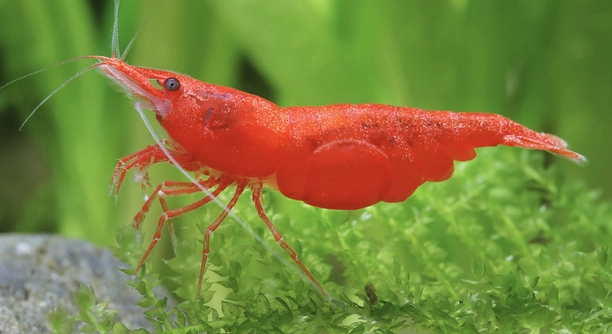
Cherry shrimp are lively little creatures that often surprise their owners with unexpected behaviors. Observing them digging in the substrate can be fascinating, yet it may also leave you wondering about their habits and needs in the tank.
Cherry shrimp dig primarily to search for food, explore their environment, and maintain their natural instincts. Digging behavior is normal and helps them find hidden detritus, create safe spaces, and interact with the substrate effectively.
Learning about these behaviors can help you create a healthier, more engaging environment for your shrimp to thrive.
Understanding Why Cherry Shrimp Dig
Cherry shrimp dig as a natural behavior rooted in their instincts. In aquariums, they often sift through the substrate to find leftover food particles, algae, or biofilm. This digging is not a sign of stress but a way to explore and interact with their surroundings. The activity also helps maintain their health, as it encourages movement and stimulates their digestive system. Many shrimp owners notice small piles of sand or substrate moving around the tank; this is entirely normal. Substrate type can influence digging habits, with finer sands allowing easier movement. Digging can also serve a social function, as shrimp sometimes create small hiding spots or boundaries. Observing them carefully over time helps identify patterns and ensures they are healthy. Providing a mix of plants, moss, and substrate textures can enhance this behavior while keeping your shrimp active and content, maintaining a balanced and thriving aquarium ecosystem.
Digging behavior indicates healthy activity and interaction with the tank environment.
Regular observation of these behaviors helps prevent stress and ensures your shrimp remain lively, healthy, and engaged with their surroundings.
Feeding and Substrate Impact
Substrate plays a major role in digging frequency. Fine sand or small gravel allows shrimp to sift more effectively, while coarser substrates may limit movement.
Feeding practices directly influence how much your shrimp dig. Uneaten food buried in the substrate encourages more digging as shrimp search for hidden particles. Balanced diets with occasional sinking pellets or blanched vegetables support natural foraging. Overfeeding can lead to excessive digging, while underfeeding might make shrimp dig more aggressively for nutrients. The combination of substrate type and feeding schedule creates an environment where digging is either stimulated or reduced. Monitoring these factors ensures your shrimp remain active without disturbing the tank ecosystem. Observing how substrate and feeding impact your shrimp’s behavior provides insight into their preferences and health. Adjusting these elements helps maintain water quality, prevents substrate buildup, and encourages natural foraging, which is essential for their well-being. Understanding these dynamics allows you to provide a more comfortable and enriched habitat for your shrimp to thrive.
Stress and Environmental Factors
Stress can increase digging behavior in cherry shrimp. Changes in water parameters, sudden temperature shifts, or overcrowding may cause shrimp to dig more than usual.
Maintaining stable water conditions is essential. Cherry shrimp are sensitive to pH, ammonia, nitrite, and nitrate levels. Even small fluctuations can trigger digging as a coping mechanism. Providing plenty of hiding spots with plants, moss, or decorations reduces stress and gives shrimp a sense of security. Overcrowding can create competition for food and space, leading to more digging or aggressive behavior. Regular monitoring of water parameters, careful tank stocking, and consistent feeding routines help keep shrimp calm and active, minimizing stress-induced digging.
Observing their behavior over time allows you to identify environmental triggers. Adjusting tank conditions gradually ensures your shrimp feel secure and dig naturally rather than out of anxiety.
Breeding and Social Behavior
Cherry shrimp often dig more during breeding periods. Females may move substrate to create safer spaces for eggs and young.
Social interactions influence digging habits. Shrimp establish territories and communicate subtly through movements and substrate disturbances. During mating, males actively search for females, which can increase substrate activity. Females carrying eggs may also reposition themselves within the substrate to protect offspring, leading to visible digging patterns. Even outside breeding, shrimp interact with each other by shifting small amounts of substrate, which helps establish dominance hierarchies and personal space. Understanding these social behaviors provides insight into their natural instincts, making it easier to interpret digging as a healthy and expected behavior in a thriving aquarium environment.
Tank Setup and Digging
Tank layout impacts digging behavior. Dense plant areas give shrimp more opportunities to dig, while open spaces may limit activity.
Substrate depth is important. Deeper sand or fine gravel encourages natural digging, while shallow substrates restrict movement and foraging patterns.
Water Quality Considerations
Poor water quality can increase stress-related digging. Ammonia spikes, nitrite, or high nitrate levels make shrimp more restless and active in the substrate. Maintaining clean water and regular testing keeps shrimp healthy and supports normal, calm digging behavior.
Seasonal and Temperature Effects
Temperature changes influence shrimp activity. Warmer water often increases energy and digging frequency, while cooler conditions may slow them down. Monitoring temperature stability ensures your shrimp remain comfortable and maintain consistent, natural behaviors.
FAQ
Why is my cherry shrimp digging more than usual?
Increased digging often reflects changes in the tank environment. Stress from water fluctuations, overcrowding, or sudden temperature shifts can make shrimp more active in the substrate. Overfeeding or leftover food buried under the substrate also encourages extra digging as shrimp search for hidden nutrients.
Is digging a sign of illness?
Not usually. Cherry shrimp dig naturally to forage and explore. However, if digging is accompanied by lethargy, color fading, or unusual swimming patterns, it may indicate stress or illness. Regularly monitoring water parameters and observing shrimp behavior helps distinguish normal digging from signs of health issues.
Does the type of substrate matter?
Yes. Fine sand or small gravel allows shrimp to dig more easily, while coarse or compact substrates limit movement. Deeper substrates promote natural foraging and hiding, whereas shallow substrates restrict their ability to interact with the tank environment fully.
Can digging harm my tank plants?
Cherry shrimp are gentle diggers. They may move some substrate around roots but rarely damage healthy, established plants. Moss and hardy plants are particularly resilient, and providing plenty of plant coverage gives shrimp space to dig without affecting growth.
How does feeding affect digging behavior?
Feeding directly impacts digging. Uneaten food buried in the substrate encourages shrimp to search for it, increasing digging activity. Balanced feeding with appropriate portions helps reduce excessive digging. Including sinking pellets or blanched vegetables also encourages natural foraging behavior while maintaining proper nutrition.
Do cherry shrimp dig for social reasons?
Yes. Social interaction can influence substrate activity. Digging may mark territories, establish personal space, or help during breeding. Males may become more active when searching for females, while females carrying eggs may reposition themselves in the substrate to protect offspring.
Does temperature influence digging?
Temperature affects energy levels. Warmer water tends to increase activity, making shrimp dig more frequently, while cooler water slows movement. Stable temperatures reduce stress and maintain consistent, natural digging behaviors, supporting overall shrimp health.
How can I encourage healthy digging?
Provide fine substrate and deep areas for natural foraging. Include plants, moss, and hiding spots to make shrimp feel secure. Keep water parameters stable and maintain a balanced feeding schedule. Observation ensures digging remains a normal and healthy part of shrimp activity.
Should I be concerned about excessive digging?
Excessive digging may indicate stress, poor water quality, or inadequate hiding spots. Checking ammonia, nitrite, nitrate levels, and ensuring a balanced tank layout helps prevent stress-induced digging. Normal foraging and exploration, however, are completely safe and healthy behaviors.
Can digging help shrimp health?
Yes. Digging encourages movement, exercise, and natural foraging instincts. It stimulates their digestive system and keeps them active. Observing and supporting this behavior ensures shrimp remain healthy, engaged, and comfortable in their environment, contributing to a thriving tank ecosystem.
Cherry shrimp are small but fascinating creatures, and their digging behavior is one of the most noticeable ways they interact with their environment. Understanding why they dig can help you provide a more comfortable and engaging habitat. Digging is a normal, natural activity for cherry shrimp, allowing them to search for food, explore the substrate, and even create small hiding spaces. Observing your shrimp closely over time makes it easier to recognize patterns in their behavior and ensure they are healthy and active. The substrate you choose, whether fine sand or small gravel, greatly influences how easily they can dig. Deeper, softer substrates encourage natural foraging and give them room to move without stress. Providing a mix of plants, moss, and decorations allows them to explore safely while maintaining their natural instincts. This also helps prevent boredom and keeps their environment stimulating, which is important for their overall well-being.
Water quality and stable tank conditions play a key role in keeping cherry shrimp healthy. Sudden changes in pH, ammonia spikes, or temperature fluctuations can increase stress, leading to more frequent or frantic digging. Overcrowding is another factor that may intensify digging as shrimp compete for space and food. Regular monitoring of water parameters, careful feeding, and maintaining a consistent tank layout all contribute to a stable environment. Stress-induced digging is usually temporary, but it is important to act quickly to restore balance in the tank. Observing shrimp behavior in relation to feeding schedules and social interactions provides insight into what may be influencing their digging habits. This understanding allows you to make small adjustments that improve both the shrimp’s comfort and the overall health of your aquarium ecosystem.
Breeding, social behavior, and seasonal changes also affect digging frequency. Females may move substrate more actively when carrying eggs to create safe spaces for their offspring. Males may increase activity when searching for females. Even outside breeding periods, shrimp interact with each other subtly, and substrate movement reflects natural social behavior. Temperature changes can influence their energy levels, with warmer water often leading to more frequent digging and cooler water slowing their activity. Maintaining stable, comfortable conditions allows shrimp to dig naturally without stress, while providing plants, moss, and hiding spots supports their instincts. Understanding these factors helps you interpret their behavior correctly and respond to their needs effectively. By observing their digging, you are not just witnessing a simple habit but gaining insight into the health, comfort, and well-being of your shrimp, allowing you to create a thriving and balanced aquarium.

Hello,
If you enjoy the content that we create, please consider saying a "Thank You!" by leaving a tip.
Every little bit helps us continue crafting quality advice that supports the health, happiness, and well-being of pets around the world, for pets of all shapes, sizes, and species.
We really appreciate the kindness and support that you show us!