
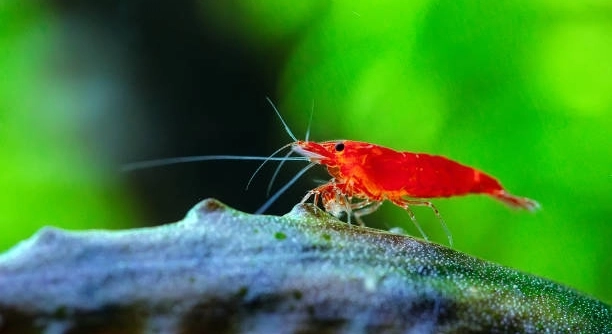
Do you ever notice your shrimp moving in ways that seem unusual or out of place in your aquarium? Observing their behavior can be both fascinating and a little concerning for shrimp keepers.
Strange shrimp swimming patterns are often caused by environmental stressors, water quality issues, illness, nutrition deficiencies, molting problems, tank mates, or genetic factors. Each of these influences can disrupt normal behavior, leading to irregular swimming and agitation.
Learning what affects shrimp behavior is essential for maintaining a healthy and stable tank environment. Identifying the causes early can prevent bigger problems and help your shrimp thrive.
Poor Water Quality
Shrimp are very sensitive to their environment, and even small changes in water quality can affect their behavior. High levels of ammonia, nitrites, or nitrates can cause stress, leading shrimp to swim erratically or hover near the surface. Temperature fluctuations also play a significant role. Shrimp prefer stable conditions, and sudden changes can trigger unusual movements. Hardness and pH levels are equally important. Shrimp rely on consistent mineral balance to maintain proper molting and overall health. Regular water testing is essential to catch potential issues before they become serious. Using a reliable filtration system can help remove waste and toxins efficiently. In addition, partial water changes every week or two help maintain chemical stability. Observing your shrimp’s swimming patterns can provide early warning signs of water problems, allowing you to act before illness develops. Clean water encourages normal, calm behavior, while poor quality often leads to stress-induced swimming patterns.
Maintaining stable water parameters and regular filtration minimizes stress, allowing shrimp to swim normally and remain healthy in their tank environment.
Keeping shrimp in clean, stable water is essential. Monitoring pH, hardness, and ammonia levels regularly ensures they stay active and comfortable. Small water changes can prevent erratic behavior. Over time, consistent care strengthens shrimp health and reduces the risk of sudden illness, letting their natural behavior flourish.
Disease and Parasites
Illnesses or parasites can cause shrimp to behave unusually. Infected shrimp may swim upside down, twitch rapidly, or hide more than usual.
Diseases like bacterial infections, fungal growth, or parasitic infestations can disrupt normal movement. Parasites may attach to their body, causing irritation and stress. Infected shrimp may also lose appetite, show discoloration, or have slower molting cycles. Early detection is key because untreated infections can spread quickly in a community tank. Quarantining new shrimp before introducing them can reduce the risk of disease. Observation of swimming behavior often provides the first clue something is wrong. Treatments vary depending on the type of infection, but maintaining proper water conditions and hygiene helps prevent outbreaks. In addition, feeding a balanced diet strengthens their immune system. By addressing disease and parasites promptly, you can restore your shrimp’s normal swimming patterns and ensure a healthier tank overall. Regular monitoring and swift action are essential for keeping shrimp active and comfortable.
Nutrition Deficiencies
Shrimp lacking proper nutrients often show unusual swimming, slower movements, or excessive hiding. A poor diet can weaken their immune system and affect molting, causing stress and irregular behavior in the tank environment.
Providing a balanced diet is essential for shrimp health. Shrimp need a mix of proteins, minerals, and vitamins to maintain energy and proper growth. Feeding only one type of food, such as algae wafers or flakes, can lead to deficiencies over time. Offering variety, including vegetables, biofilm supplements, and high-quality shrimp pellets, ensures they receive all necessary nutrients. Inadequate nutrition can make shrimp lethargic or erratic, impacting their swimming patterns. Observing feeding behavior alongside swimming can help identify deficiencies early. A consistent feeding schedule and varied diet support normal activity and reduce stress. Nutrition is directly linked to behavior, and proper care prevents long-term issues.
Over time, insufficient nutrients weaken shrimp and make them more prone to disease. Molting difficulties, color fading, and abnormal swimming are common signs. By carefully monitoring diet and offering diverse foods, you can maintain healthy, active shrimp that behave normally in the tank.
Stress from Tank Mates
Aggressive or incompatible tank mates can cause shrimp to swim frantically or hide constantly. Even passive fish may unintentionally scare shrimp, creating stress.
Stress affects shrimp behavior in several ways. Frequent chasing or nipping can cause them to avoid open areas, stick to the bottom, or swim erratically. Shrimp that feel threatened may refuse to eat, molt improperly, or exhibit unusual color changes. Ensuring tank mates are peaceful and slow-moving minimizes stress. Providing hiding spaces like plants, rocks, and caves gives shrimp refuge and encourages normal swimming patterns. Observation of interactions helps determine if tank mates are causing behavioral issues. In some cases, separating shrimp from certain fish improves overall activity and health. Overcrowding also contributes to stress, so maintaining proper stocking levels is important. A calm, secure environment allows shrimp to display natural swimming behaviors consistently.
Molting Issues
Shrimp that struggle with molting often swim awkwardly or stay hidden for long periods. Improper water conditions or lack of essential minerals can make shedding difficult, causing stress and irregular movement.
Providing enough calcium and maintaining stable water conditions helps shrimp molt successfully. Observing molting behavior can indicate overall health and prevent prolonged hiding or unusual swimming patterns.
Water Temperature Fluctuations
Sudden changes in water temperature can disturb shrimp activity. Shrimp may swim erratically, stay near the surface, or cluster in cooler areas of the tank. Maintaining a stable temperature within their preferred range reduces stress and supports normal behavior.
Overcrowding
Too many shrimp or tank inhabitants lead to competition for space and resources. Overcrowding causes stress, pushing shrimp to swim rapidly, hide often, or display irregular patterns. Keeping stocking levels appropriate ensures each shrimp has enough territory to move and feed comfortably.
FAQ
Why is my shrimp swimming upside down?
Swimming upside down usually indicates stress or illness. Water quality issues like high ammonia or nitrite levels can confuse shrimp and make them lose balance. It can also occur during molting difficulties or if parasites affect their nervous system. Immediate water testing and observation can help identify the issue.
What does it mean when shrimp twitch constantly?
Twitching is often a sign of irritation or stress. Parasites, bacterial infections, or chemical imbalances in the tank may cause this behavior. Overcrowding or aggressive tank mates can also trigger twitching. Monitoring water parameters and separating affected shrimp if needed can reduce stress and prevent further issues.
Why do shrimp hover near the surface?
Hovering at the surface typically signals low oxygen levels or poor water quality. Shrimp instinctively move to areas with more oxygen to breathe. Checking filtration, aeration, and water parameters like pH and temperature helps restore normal swimming. Ensuring proper water circulation prevents prolonged surface dwelling.
Can diet affect shrimp swimming patterns?
Yes, nutrition has a direct impact. Lack of essential minerals or proteins can weaken muscles and cause erratic swimming. Feeding a balanced diet with vegetables, biofilm, and high-quality shrimp pellets ensures energy for normal movement and reduces stress-related swimming issues.
Is unusual swimming always a sign of disease?
Not always. Environmental factors such as water temperature fluctuations, overcrowding, or stress from tank mates can cause abnormal swimming. Observing other symptoms like color changes, lethargy, or molting problems helps determine whether illness is involved.
How long does it take for shrimp to recover from stress?
Recovery depends on the cause and severity. Minor stress from water changes or brief temperature shifts may resolve within a day or two. Chronic stress due to poor water quality, disease, or diet can take longer. Improving conditions and consistent care speeds up recovery.
Do tank mates affect shrimp behavior?
Yes. Aggressive or large fish can intimidate shrimp, causing them to hide or swim frantically. Even passive fish may stress shrimp if space is limited. Providing hiding spots and maintaining proper stocking levels allows shrimp to swim normally and reduces constant stress.
What signs indicate molting problems?
Difficulty shedding, prolonged hiding, weak swimming, or abnormal posture indicate molting issues. Lack of calcium or improper water hardness often causes these problems. Supporting proper water chemistry and nutrition helps shrimp molt successfully and resume normal swimming.
Can water changes help correct abnormal swimming?
Regular water changes improve water quality, reduce toxins, and stabilize parameters. This can correct stress-related swimming patterns. Partial weekly changes are usually sufficient, but heavily stocked tanks may need more frequent adjustments to maintain a healthy environment for active shrimp.
When should I consult a professional?
If abnormal swimming persists despite stable water conditions, balanced diet, and proper tank setup, professional advice is recommended. Persistent erratic behavior, discoloration, or multiple affected shrimp may indicate illness or parasite problems requiring targeted treatment.
Shrimp are delicate creatures, and their swimming patterns can tell you a lot about their health and environment. Observing them regularly helps identify problems early. Many issues, like water quality, diet, tank mates, or molting difficulties, can lead to unusual movements. Understanding these factors allows you to create a more stable environment. By paying attention to behavior, you can spot small changes before they develop into serious problems. Consistent observation is key to keeping shrimp healthy and active, and it also makes caring for them more rewarding.
Maintaining a balanced diet and proper water conditions is essential for shrimp well-being. Nutritional deficiencies and poor water quality often cause erratic swimming, hiding, or lethargy. Providing a variety of foods, including vegetables, high-quality pellets, and biofilm supplements, supports strong immune systems and proper molting. Regular testing and maintaining stable parameters such as temperature, pH, and mineral levels help reduce stress. Stress-free shrimp tend to swim normally and interact with their environment more naturally. Even small adjustments, like adding hiding spaces or spacing out tank mates, can improve comfort and behavior. Consistency in care makes a significant difference in shrimp activity and overall health.
Addressing problems promptly ensures your shrimp continue to thrive. If unusual swimming persists, reviewing tank setup, diet, and water quality is important. Some issues, like parasites or disease, may require professional guidance. Acting quickly prevents long-term stress or loss and promotes a healthier, more stable tank environment. Observing shrimp behavior and making small, targeted adjustments improves their quality of life. Over time, consistent care leads to natural, predictable swimming patterns and a more enjoyable aquarium experience. With attention and patience, your shrimp can remain active, healthy, and comfortable in their home.

Hello,
If you enjoy the content that we create, please consider saying a "Thank You!" by leaving a tip.
Every little bit helps us continue crafting quality advice that supports the health, happiness, and well-being of pets around the world, for pets of all shapes, sizes, and species.
We really appreciate the kindness and support that you show us!