
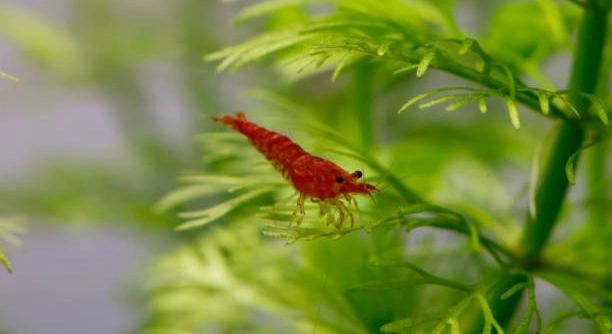
Cherry shrimp are fascinating little creatures that often stay near the bottom of their tanks. Many shrimp keep to hidden spots, moving cautiously and avoiding open spaces near the water’s surface. Their behavior can seem puzzling at first.
Cherry shrimp avoid the surface primarily due to stress and vulnerability. Exposure to bright light, predators, and strong water currents makes the top layers unsafe. Shrimp instinctively remain near plants or substrate where they feel secure and protected.
Learning more about their habits helps maintain a healthier environment. Observing these patterns allows for better tank care and ensures your shrimp thrive safely in their habitat.
Environmental Factors Affecting Surface Activity
Cherry shrimp are sensitive to their surroundings, and tank conditions play a major role in their behavior. Bright lighting can make them feel exposed, prompting them to hide near plants or substrate. Strong water currents or high flow can also discourage swimming near the top, as it requires more energy to maintain balance. Temperature fluctuations may further stress shrimp, making the surface less appealing. Water quality, including ammonia, nitrite, or nitrate levels, directly influences comfort and activity. If these compounds rise above safe thresholds, shrimp instinctively avoid open areas and remain closer to shelter. The presence of insufficient hiding spaces can exacerbate this tendency. Adding moss, dense plants, or driftwood provides areas of security and encourages shrimp to explore higher levels gradually. Feeding routines also influence movement; they prefer foraging along the bottom for algae and detritus rather than exposing themselves unnecessarily. Observing these details helps create an environment where shrimp feel safe and active.
Providing proper conditions makes surface activity safer and more natural for shrimp.
Adjusting lighting, improving water quality, and adding hiding spots encourages cherry shrimp to explore upper tank areas. With careful attention, their behavior can change noticeably over time.
Predation and Safety Instincts
Shrimp naturally avoid surfaces to reduce risk of predation.
Predators such as fish or even larger invertebrates trigger shrimp to stay low. Their small size makes them vulnerable in open water, so instinct drives them to remain close to plants or rocks. This behavior is stronger in tanks without sufficient cover. Observing the tank carefully can reveal patterns: shrimp venture out more when threats are absent and remain hidden when movement or shadows suggest danger. Even subtle environmental cues, like reflections on the water surface, can influence their sense of security. By understanding these instincts, aquarists can design tanks that respect shrimp behavior while minimizing stress. Providing safe zones encourages natural activity without compromising safety, helping shrimp maintain healthy routines. Over time, shrimp adapt to consistent, low-risk environments, exploring more freely when they feel secure. This knowledge helps prevent unnecessary stress and supports long-term shrimp health.
Predation instincts are a key reason cherry shrimp limit surface exposure. Recognizing these patterns allows for a balanced tank setup that respects their natural behavior.
Feeding Habits and Surface Avoidance
Cherry shrimp spend most of their time near the bottom where food naturally settles. They feed on algae, biofilm, and detritus, which are more abundant on surfaces and plants lower in the tank. Their feeding patterns make the surface less relevant.
Shrimp rely on bottom-dwelling food sources for nutrition. Even when flakes or pellets float, shrimp usually wait until the food sinks. This behavior reduces energy expenditure and keeps them close to safe areas. Feeding at the bottom also allows multiple shrimp to access food without confrontation. Over time, they develop routines, returning to the same spots for foraging. Sudden changes in food type or placement can alter their movement, but they rarely venture to the top unless necessary. Understanding these patterns helps maintain a balanced feeding strategy and reduces stress for shrimp.
Occasionally, cherry shrimp will explore higher areas for food, especially when adding sinking wafers or specialized treats. However, their natural instinct still prioritizes safety and abundant food near the bottom.
Light Sensitivity and Behavior
Cherry shrimp are highly sensitive to bright or direct lighting, which makes them avoid the surface. Strong light increases stress and reduces activity in open water.
Continuous exposure to high-intensity lighting can harm shrimp by causing stress and disrupting their normal routines. They prefer dim or shaded areas, hiding among plants or decorations to avoid discomfort. Light fluctuations may trigger sudden movements or erratic behavior, as shrimp seek shelter quickly. Adjusting the light cycle to mimic natural day and night patterns helps shrimp feel secure. Providing floating plants or other shaded areas can reduce direct exposure while allowing them to explore the tank safely. Observing shrimp behavior in relation to lighting can indicate if adjustments are needed, improving overall comfort. Maintaining a gentle, consistent lighting environment supports healthier shrimp activity.
Light management in the tank is crucial for encouraging safe exploration. Gradual adjustments, proper shading, and consistent cycles help shrimp remain active without unnecessary stress, promoting natural behavior and well-being.
Water Parameters and Comfort
Cherry shrimp stay near the bottom when water conditions are not ideal. They avoid the surface if temperature, pH, or hardness fluctuates too much.
Stable water parameters encourage shrimp to explore more freely. Sudden changes create stress, prompting them to stay close to plants and substrate where conditions feel safer.
Molting and Vulnerability
During molting, shrimp are especially cautious and stay low. Their soft exoskeleton makes them vulnerable, and exposure to open water increases risk of injury or predation.
Shrimp often hide in dense plants or under decorations during this period. Molting cycles are critical, and providing secure areas helps them complete the process safely. Stress during molting can lead to failed molts, so observing behavior and maintaining calm surroundings is important for health and survival.
Tank Mates Influence
Active or predatory tank mates can make shrimp avoid the surface. They feel safer staying near the bottom and hidden areas to reduce encounters.
FAQ
Why do cherry shrimp rarely swim at the surface?
Cherry shrimp tend to stay near the bottom because it feels safer. The surface exposes them to light, strong currents, and potential predators. Staying near plants, rocks, or substrate reduces stress and allows them to forage for food comfortably. They naturally prefer low, sheltered areas over open water.
Can bright tank lighting affect their surface activity?
Yes, intense lighting makes cherry shrimp avoid the top. Bright light increases stress and encourages hiding behavior. Providing shaded areas or floating plants can help shrimp feel more secure. Gradually adjusting light intensity and maintaining a consistent cycle encourages them to explore the tank safely over time.
Do tank mates influence where shrimp stay?
Absolutely. Active or predatory fish make shrimp feel vulnerable, so they avoid the surface to reduce encounters. Peaceful or slow-moving tank mates allow shrimp to explore more freely. Observing tank interactions and ensuring plenty of hiding spaces is essential to maintain their comfort.
Does water quality impact their behavior?
Poor water conditions strongly influence shrimp movement. High ammonia, nitrite, or nitrate levels, or sudden temperature and pH fluctuations, make them seek shelter near the bottom. Stable, clean water promotes natural activity and reduces stress, encouraging occasional exploration of upper tank areas.
How does molting affect their surface presence?
During molting, shrimp have a soft exoskeleton and are highly vulnerable. They hide in dense plants, under rocks, or in substrate to protect themselves from injury or predators. Stress during this time can lead to failed molts, so providing secure areas is crucial for survival.
Can feeding habits change their behavior?
Cherry shrimp mostly feed on biofilm, algae, and detritus near the bottom. Even when floating food is added, they wait for it to sink. Feeding at the bottom keeps them safe and minimizes energy expenditure. Occasionally, sinking wafers or specialized treats can encourage limited surface exploration.
Does tank size influence surface avoidance?
Smaller tanks with fewer hiding spots can make shrimp more cautious, keeping them at the bottom. Larger tanks with plants, moss, or decorations provide security, allowing them to move more freely. Tank structure and layout directly affect how comfortable shrimp feel exploring different levels.
Can stress make shrimp hide more?
Yes, stress is a major factor in surface avoidance. Factors like sudden changes in environment, water quality, lighting, or aggressive tank mates increase anxiety. Providing stable conditions, hiding areas, and a calm atmosphere helps shrimp feel safe and more active.
How can I encourage cherry shrimp to explore higher areas?
Gradual environmental adjustments help. Reduce lighting intensity, add floating plants for shade, and ensure water quality is stable. Introduce gentle water flow and calm tank mates. Over time, shrimp become comfortable moving through mid and upper tank regions without feeling exposed.
Are there signs my shrimp are too stressed to explore?
Shrimp that remain hidden constantly, refuse food, or show erratic movements are likely stressed. Frequent hiding, fading coloration, or failed molts are indicators. Observing these behaviors helps you adjust tank conditions, lighting, and feeding strategies to support healthier activity patterns.
Do cherry shrimp ever naturally use the surface?
Yes, but rarely. They may move toward the surface to access floating food or during low-risk periods when light is dim and predators are absent. These brief excursions are cautious and usually happen when they feel safe in the overall tank environment.
Is it normal for them to stick to the bottom all the time?
Yes, it’s normal behavior. Their instinct prioritizes safety and food access. A well-planted tank with plenty of hiding spots ensures they remain healthy, even if they rarely explore upper levels. Patience and a stable environment are key for their well-being.
Can temperature affect surface activity?
Extreme temperatures, whether too high or too low, can make shrimp avoid the surface. Optimal temperature encourages normal activity, while fluctuations or stress from heat or cold push them to remain in sheltered areas near the bottom.
How long does it take for shrimp to adjust to new tank conditions?
Adjustment varies but generally takes several days to a few weeks. Shrimp gradually explore more areas once they feel safe. Consistent water parameters, gentle lighting, and peaceful tank mates accelerate acclimation and reduce stress-related hiding behaviors.
Cherry shrimp are small, delicate creatures that bring life and color to any freshwater tank. Their behavior can seem puzzling at first, especially when they spend most of their time near the bottom and rarely approach the surface. Understanding why they act this way is important for anyone who keeps these shrimp. Their natural instincts are designed to protect them from potential threats, and their environment plays a large role in shaping their behavior. Factors such as lighting, water quality, tank mates, and available hiding spots all influence how comfortable shrimp feel moving through different levels of the tank. Observing them closely can reveal patterns that indicate when they are relaxed and when they may be stressed.
Many of the behaviors of cherry shrimp can be linked to survival instincts that have developed over time. Staying close to the bottom or near plants gives them protection from predators and reduces the risk of injury, especially during vulnerable times such as molting. They are also naturally cautious about exposure to bright light and strong currents. Even small details, like the placement of food or the movement of tank mates, can change where they spend their time. Creating a tank environment that meets their needs is essential for keeping them healthy and encouraging natural activity. Plants, moss, and other decorations provide hiding places that reduce stress and allow shrimp to feel secure. When conditions are consistent and safe, shrimp may explore more, but their instincts still keep them cautious.
Paying attention to the needs and habits of cherry shrimp is key to maintaining a thriving tank. By ensuring stable water parameters, gentle lighting, and peaceful companions, shrimp can remain active, healthy, and display natural behaviors. Observing their feeding patterns, molting cycles, and interactions with their environment helps aquarists make adjustments that improve overall well-being. Patience is important, as shrimp may take time to feel safe enough to explore higher areas of the tank. Understanding their tendencies not only makes it easier to care for them but also enhances the enjoyment of keeping these vibrant, interesting creatures. By respecting their natural instincts and providing a supportive environment, cherry shrimp can thrive and bring long-term beauty and life to your aquarium.

Hello,
If you enjoy the content that we create, please consider saying a "Thank You!" by leaving a tip.
Every little bit helps us continue crafting quality advice that supports the health, happiness, and well-being of pets around the world, for pets of all shapes, sizes, and species.
We really appreciate the kindness and support that you show us!