
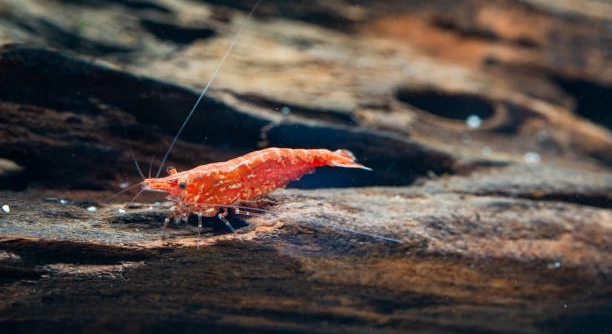
Keeping a home aquarium can be a fun and relaxing hobby, especially when adding different creatures like shrimp and crabs. Many people enjoy watching their behavior, but housing them together requires some careful planning. Choosing the right tank setup helps ensure a peaceful environment.
Shrimp and crabs can sometimes coexist in the same tank, but compatibility depends on species, size, and habitat conditions. Proper hiding spaces, controlled feeding, and monitoring aggression are essential to reduce stress and prevent predation.
Learning how to properly mix these aquatic animals can improve tank harmony and maintain the health of all your pets. Observing their interactions helps you make small adjustments for a safer environment.
Understanding Shrimp and Crab Behavior
Shrimp are small, delicate creatures that spend most of their time scavenging along the tank bottom and hiding among plants or decorations. They are generally peaceful and prefer calm surroundings. Crabs, on the other hand, can be more aggressive depending on the species. Some crabs are nocturnal hunters, while others are more active during the day. Their strong claws allow them to catch prey, which may include small shrimp if given the opportunity. Observing their natural behaviors in a home aquarium helps you create an environment where both species can thrive. Adding plenty of hiding spaces like rocks, plants, or PVC tubes allows shrimp to escape potential threats. Proper feeding also plays a key role. By distributing food in multiple areas and ensuring crabs are well-fed, you reduce competition and stress. Monitoring interactions daily helps spot signs of aggression before serious harm occurs.
Keeping shrimp and crabs together requires careful attention to tank layout and feeding habits.
With consistent observation, adjusting tank conditions, and providing separate zones for each species, it is possible to maintain harmony. You may notice that some shrimp only come out at night or that crabs prefer certain corners. Small changes, like rearranging decorations or adding extra plants, can make a significant difference. Water quality is also critical, as both shrimp and crabs are sensitive to poor conditions. Using a proper filtration system, monitoring pH levels, and maintaining stable temperatures ensures their health. Over time, you learn the individual personalities of your animals, which helps predict interactions and prevent stress. Understanding which crab species are less aggressive toward shrimp and choosing compatible sizes reduces risks. Observing their behavior during feeding and rest periods gives insight into potential conflicts. With patience, a carefully planned setup, and consistent care, both shrimp and crabs can share a tank with minimal issues, allowing you to enjoy their unique behaviors safely.
Tank Setup Essentials
A well-structured tank is key to successful cohabitation. Proper hiding spots and clear zones prevent conflicts.
Choosing substrate, decorations, and plant density helps shrimp find shelter and crabs avoid feeling territorial. Proper water parameters, such as temperature, salinity, and pH, must suit both species. Crabs may need areas where they can climb or burrow, while shrimp require places to hide and forage safely. A mixed environment of rocks, driftwood, and dense vegetation gives both species security without constant confrontation. It’s also important to consider tank size, as overcrowding can increase stress and aggression. Monitoring water flow ensures shrimp are not swept into risky areas, and filtration should avoid strong currents that could harm delicate shrimp. Lighting should be moderate, allowing shrimp to retreat into shaded spots, while crabs can explore more exposed areas. By creating distinct zones and providing ample resources, you reduce stress and encourage natural behavior. A thoughtful setup supports long-term coexistence and helps both shrimp and crabs flourish in a shared habitat.
Feeding Considerations
Shrimp and crabs have different dietary needs, so feeding requires careful planning. Crabs need protein-rich food, while shrimp prefer algae, detritus, and small plant matter. Separating feeding areas helps prevent conflict and ensures both species get proper nutrition.
Feeding both species in the same tank can be tricky. Crabs are opportunistic eaters and may try to take shrimp food, leaving shrimp hungry. Using floating and sinking foods in separate areas ensures each species can eat safely. You can also feed crabs first, then provide food for shrimp to reduce aggressive behavior. Monitoring feeding times allows you to notice if one species is being bullied or stressed. Regularly rotating foods keeps both species healthy and engaged. Overfeeding should be avoided, as leftover food can degrade water quality and cause illness for both shrimp and crabs.
Observing feeding behavior over time gives insight into individual personalities. Some shrimp may be bolder and forage in open spaces, while timid ones stay hidden. Crabs can be surprisingly patient or highly aggressive depending on the species. Adjusting the schedule and placement of food reduces stress and competition. Providing natural food sources like algae wafers or blanched vegetables can supplement their diet and keep them active. By paying attention to their habits and making small adjustments, you create a balanced environment where both shrimp and crabs thrive. Consistency is key to preventing conflicts and promoting healthy growth.
Tank Maintenance
Regular tank maintenance is essential to keep both shrimp and crabs healthy. Water changes, substrate cleaning, and filter checks prevent buildup of toxins and waste.
Maintaining clean water is crucial, as both shrimp and crabs are sensitive to ammonia, nitrites, and nitrates. Partial water changes weekly help keep water parameters stable. Cleaning the substrate removes leftover food and detritus that can cause bacterial growth. Filters should be monitored to ensure they provide proper circulation without creating strong currents that stress shrimp. Decorations and hiding spaces should also be checked for debris or algae buildup, as these areas are often overlooked. Regular observation ensures early detection of issues, preventing stress or disease. By keeping the tank well-maintained, both species remain active and healthy, reducing aggression and promoting natural behavior.
Monitoring water quality is an ongoing task. Using test kits to check pH, temperature, and salinity helps maintain a stable environment. Crabs may need slightly higher mineral content, while shrimp require softer water with lower hardness. Adjusting water conditions gradually prevents shock and keeps both species comfortable. Cleaning decorations and plants ensures no sharp edges harm shrimp or crabs. Observing behavior during and after maintenance can indicate if changes are needed. Keeping a consistent schedule for water changes, feeding, and inspections creates a stable environment. Over time, these efforts minimize stress, reduce health issues, and allow both shrimp and crabs to thrive together in a balanced aquarium.
Tank Size and Space
A larger tank reduces territorial disputes between crabs and shrimp. Providing enough space ensures both species can explore, forage, and retreat when needed. Overcrowding increases stress and aggression, making careful planning essential for a peaceful environment.
Dividing the tank with rocks, plants, or decorations creates separate zones. Shrimp can hide while crabs have room to roam. Clear spaces for each species reduce confrontations and allow natural behavior. Proper layout is as important as tank size for long-term coexistence.
Compatible Species
Some crab species are more likely to live peacefully with shrimp. Smaller, less aggressive crabs and hardy shrimp varieties are ideal for shared tanks. Researching species compatibility prevents predation and stress. Choosing the right pairings is a critical step for a harmonious tank.
Observation and Adjustment
Daily observation is important to catch early signs of stress or aggression. Monitoring interactions allows timely adjustments to improve coexistence.
Regularly checking behavior helps identify shy or threatened shrimp and dominant crabs. Making small changes like rearranging decorations, adding hiding spots, or adjusting feeding routines can prevent conflicts and maintain balance in the tank.
FAQ
Can shrimp survive with crabs in the same tank?
Shrimp can survive with crabs if the species are compatible and the tank is set up properly. Providing plenty of hiding spaces and separate feeding areas reduces the risk of predation. Observing interactions over time helps ensure shrimp are not stressed or injured.
Which crabs are safe to keep with shrimp?
Smaller, less aggressive crabs like some freshwater species are usually safer. Avoid large, predatory crabs that can easily catch shrimp. Researching species traits before introducing them is essential to prevent harm and maintain a peaceful environment.
How many shrimp and crabs can share a tank?
Tank size largely determines the number of animals. Overcrowding increases aggression and stress. A general rule is to provide enough space for each species to explore, hide, and feed without competing. Adding decorations and plants helps maximize usable space.
Do crabs eat shrimp?
Crabs can eat shrimp if given the chance, especially small or molting shrimp. Providing ample hiding places, feeding crabs first, and selecting compatible species reduces this risk. Observing behavior closely ensures shrimp are safe during vulnerable periods.
What hiding spaces work best?
Shrimp need places like plants, moss, and small caves to hide from crabs. Crabs benefit from rocks, driftwood, or tunnels where they can retreat without disturbing shrimp. A mix of dense and open areas creates a balanced environment for both species.
How should feeding be managed?
Feed crabs and shrimp separately if possible. Crabs eat protein-rich foods, while shrimp consume algae, detritus, or plant matter. Using sinking and floating foods in different areas ensures all animals get their share and reduces competition.
What water conditions are needed?
Stable water conditions are critical. Both shrimp and crabs need clean water with proper pH, temperature, and hardness. Gradual changes are necessary when adjusting water parameters. Regular testing and partial water changes help maintain a safe environment.
Can shrimp and crabs live long-term together?
Yes, with proper species selection, tank setup, and care. Long-term coexistence depends on monitoring behavior, feeding carefully, and maintaining stable water quality. Observation and adjustments are key to keeping both species healthy and stress-free.
How do you prevent stress in the tank?
Stress can be minimized by providing ample hiding spots, proper feeding schedules, and enough space. Avoid sudden changes in water conditions or decorations. Observing the animals regularly allows you to notice early signs of stress and respond before issues escalate.
Are there signs of aggression to watch for?
Aggression may include chasing, pinching, or stealing food. Shy or hiding shrimp can indicate crabs are too dominant. Rearranging the tank, adding more shelters, or separating aggressive individuals can restore balance. Careful observation prevents injuries and promotes peaceful coexistence.
What should be done if a crab attacks shrimp?
If attacks occur frequently, consider separating them temporarily or permanently. Increasing hiding spaces and feeding areas may help reduce conflict. Monitoring interactions closely ensures the safety of vulnerable shrimp, especially during molting periods.
Is tank cleaning different with both species?
Cleaning requires care to avoid disturbing shrimp. Remove waste and leftover food gently and maintain filtration. Crabs can tolerate slightly more disruption, but water stability is important for both species. Regular maintenance keeps the tank safe and healthy.
Do shrimp need special care with crabs?
Shrimp need extra hiding places and careful feeding schedules. Molting periods make them more vulnerable, so monitor crabs closely. Providing plants, moss, and shelters ensures shrimp can retreat and remain stress-free in a shared tank.
Can juveniles be kept together?
Juvenile shrimp and crabs are more vulnerable to predation and stress. Providing dense hiding areas and monitoring feeding reduces risk. Some species may grow at different rates, so adjusting the setup as they mature is important to maintain harmony.
How do you know if the tank is balanced?
A balanced tank shows minimal aggression, healthy feeding, and active shrimp and crabs. Both species should have access to food and hiding spaces. Monitoring water quality, behavior, and interactions ensures the environment remains stable and peaceful over time.
What are common mistakes to avoid?
Common mistakes include overcrowding, poor water quality, aggressive species selection, and lack of hiding spaces. Feeding incorrectly or ignoring behavior issues can lead to stress, injury, or death. Proper planning and observation prevent most problems and promote long-term coexistence.
Can plants help in a mixed tank?
Yes, plants provide shelter, grazing areas, and improve water quality. Dense plants give shrimp hiding spots and create natural boundaries for crabs. Selecting hardy, non-toxic plants ensures both species benefit and reduces stress in the tank.
How often should the tank be monitored?
Daily observation is best. Watching behavior, feeding, and interactions helps detect early signs of stress or aggression. Weekly water tests and regular maintenance ensure conditions remain optimal for both shrimp and crabs, supporting a peaceful shared habitat.
What adjustments are needed as animals grow?
As shrimp and crabs grow, space needs increase. Reassess hiding spots, decorations, and feeding routines. Larger crabs may become more aggressive, requiring additional shelters or separation. Adapting the tank setup ensures continued harmony and prevents injuries.
Can stress affect molting?
Yes, stressed shrimp or crabs may delay or have trouble molting. Providing safe hiding spots, stable water, and careful monitoring reduces molting issues. Observing molting behavior helps prevent attacks and ensures both species remain healthy during this vulnerable period.
Are there signs of a healthy tank?
Healthy tanks have active shrimp and crabs, clean water, and minimal aggression. Food is eaten, hiding spaces are used, and animals show natural behavior. Regular observation and maintenance keep the tank balanced and reduce the risk of illness or stress.
What if one species dominates?
If crabs dominate, shrimp may hide excessively or fail to eat. Adjusting decorations, adding more hiding spots, or separating aggressive individuals restores balance. Observing daily behavior allows timely interventions to protect the weaker species.
How important is research before combining species?
Research is critical. Knowing species behavior, size, and compatibility prevents problems. Proper planning ensures feeding, water, and habitat requirements match, reducing stress and aggression. Combining shrimp and crabs without research increases the risk of predation and poor health.
Are there specific shrimp varieties that fare better with crabs?
Hardy shrimp species that are fast, alert, and able to hide easily tend to do better. Some colorful or delicate shrimp may be more at risk, so choosing robust varieties helps ensure survival and coexistence.
Do crabs need climbing or burrowing areas?
Yes, crabs enjoy climbing or burrowing. Providing these areas allows crabs to explore without disturbing shrimp. Rocks, tunnels, and driftwood create vertical and horizontal spaces that satisfy crab instincts while protecting shrimp.
How does water flow affect coexistence?
Strong water currents can stress shrimp and make them vulnerable to crabs. Gentle flow ensures proper filtration without creating hazards. Adjusting flow around hiding areas allows shrimp to feed safely while crabs navigate the tank comfortably.
Can multiple crab species live with shrimp?
Multiple crab species can coexist with shrimp if carefully selected for temperament and size. Avoid aggressive or predatory species. Providing enough space, hiding spots, and monitoring interactions is necessary to prevent stress or injury.
What is the role of observation in long-term success?
Observation is critical. Daily monitoring of feeding, hiding, and interaction patterns helps detect problems early. Adjustments to layout, feeding, or separation based on observations keep both shrimp and crabs safe and thriving over time.
Are water parameters more important than tank size?
Both are important, but water parameters are critical for survival. Even in a large tank, poor water quality can harm shrimp and crabs. Stable temperature, pH, hardness, and cleanliness are essential to maintain health and prevent stress-related behavior.
Do hiding spots reduce aggression?
Yes, hiding spots prevent direct conflicts. Shrimp and crabs use shelters to retreat and avoid confrontation. A well-planned layout with dense plants, caves, and tunnels reduces stress, supports natural behavior, and encourages peaceful coexistence.
Is separation ever necessary?
Sometimes, separation is required. Aggressive crabs, sick shrimp, or molting periods may necessitate temporary or permanent separation. Providing separate tanks or sections ensures safety and helps maintain harmony in the aquarium.
Can diet changes affect aggression?
Yes, insufficient or inappropriate food can increase competition and aggression. Feeding both species according to their needs reduces stress, prevents attacks, and ensures all animals remain healthy. Proper diet management supports coexistence.
What role does molting play in compatibility?
Molting makes shrimp vulnerable, increasing risk of predation. Crabs may take advantage if hiding spots are insufficient. Observing molting cycles and providing safe retreats reduces harm and allows shrimp to recover without stress.
How long does it take to establish a balanced tank?
It can take several weeks to months. Animals need time to adjust, find territories, and establish routines. Careful monitoring and adjustments during this period are crucial for long-term coexistence and tank stability.
Are small tanks unsuitable?
Small tanks limit space and hiding areas, increasing aggression and stress. Larger tanks provide room for retreat, exploration, and proper feeding, making them much more suitable for housing shrimp and crabs together.
Do temperature fluctuations affect behavior?
Yes, sudden temperature changes can stress both species, leading to aggression or illness. Stable water temperature supports healthy activity, feeding, and coexistence. Gradual adjustments are safer than abrupt changes.
How can aggression be reduced naturally?
Providing hiding spots, adequate space, proper feeding, and observing interactions reduces aggression. Rearranging decorations and adjusting feeding locations also help. Creating a structured environment encourages natural behavior without conflict.
Are juvenile crabs more aggressive than adults?
Juveniles can be more opportunistic but are usually smaller and less dangerous to shrimp. Adults may dominate space and food. Observing growth and adjusting tank layout over time ensures both age groups coexist safely.
Can stress lead to disease?
Yes, stress weakens immunity, making shrimp and crabs more susceptible to disease. Stable water, proper hiding spots, and minimal aggression reduce stress and support overall health.
Is tank filtration important for coexistence?
Yes, proper filtration maintains clean water, reducing stress and preventing illness. Filters should provide adequate flow without harming shrimp. Consistent filtration supports healthy interactions and longevity of both species.
Can tank decorations influence behavior?
Decorations define territory, provide hiding spots, and reduce stress. Rocks, plants, and caves create a more natural environment, helping shrimp avoid crabs and allowing crabs to explore without dominating the tank.
How often should feeding areas be rotated?
Rotating feeding areas prevents dominance by crabs, reduces aggression, and ensures shrimp have access to food. Observing feeding behavior helps determine the best placement and timing for meals.
Are certain shrimp more active at night?
Yes, nocturnal shrimp avoid daytime crabs, reducing stress and predation risk. Observing activity patterns helps schedule feeding and tank adjustments to support coexistence.
Can crabs coexist with multiple shrimp species?
Yes, if all species are compatible and hiding spaces are sufficient. Monitoring behavior ensures smaller or weaker shrimp are not stressed or eaten. Proper planning and observation are key.
Does tank lighting affect interactions?
Moderate lighting provides a natural day-night cycle, allowing shrimp to hide and crabs to explore. Harsh lighting may stress shrimp and increase aggression, while dim or natural lighting supports normal behavior.
What signs indicate shrimp are thriving?
Active foraging, regular molting, bright coloration, and use of hiding spaces indicate healthy shrimp. Calm coexistence with crabs also shows proper tank balance and environmental stability.
How do you handle a molting shrimp with aggressive crabs?
Provide additional hiding spaces and temporarily separate the molting shrimp if necessary. Observing during this period ensures the shrimp can recover safely without being attacked.
Are soft substrates better for shrimp?
Yes, soft substrates protect delicate shrimp and reduce stress. Sand or fine gravel allows burrowing and prevents injury, while supporting plant growth and water quality.
Can algae growth help shrimp?
Yes, algae provide food and natural grazing areas. Encouraging moderate algae growth supports shrimp nutrition while not interfering with crabs. Controlled growth maintains balance in the tank.
Is monitoring water parameters daily necessary?
Daily checks may not be needed for experienced keepers, but frequent testing ensures stable conditions. Monitoring parameters prevents stress, illness, and aggression in both shrimp and crabs.
Do crabs need salt in freshwater tanks?
Some freshwater crabs benefit from low-level mineral or salt supplementation. Research species-specific needs before adding salts, as too much can harm shrimp or other inhabitants.
Can stress affect reproduction?
Yes, stressed shrimp or crabs may delay or fail to reproduce. Stable water, safe hiding areas, and minimal aggression encourage natural breeding behavior.
Are quarantine tanks useful?
Quarantine tanks protect new or sick animals, reducing the risk of disease or aggression. Observing new shrimp or crabs before adding them to a shared tank ensures compatibility.
How do you identify aggressive crabs?
Aggressive crabs chase, pinch, or dominate food and space. Early detection allows adjustments, such as additional hiding spots or separation, preventing injury to shrimp.
Can plants reduce aggression?
Yes, plants act as barriers, hiding spots, and feeding zones. Dense vegetation reduces direct encounters, lowers stress, and encourages natural behaviors in both shrimp and crabs.
Is water hardness important?
Yes, crabs often prefer harder water for molting, while shrimp may need softer water. Balancing hardness ensures both species remain healthy and reduces stress or molting complications.
What adjustments help molting shrimp?
Adding extra shelters, monitoring interactions, and providing adequate minerals supports safe molting. Observing behavior allows intervention if crabs become aggressive during this vulnerable time.
Can mixed-species tanks be successful long-term?
Yes, with proper planning, observation, and care. Species selection, tank setup, feeding, and monitoring are all crucial for long-term harmony and health of both shrimp and crabs.
Do crabs require climbing structures?
Climbing structures prevent boredom, satisfy natural instincts, and reduce focus on shrimp. Providing rocks, driftwood, or plants allows crabs to explore safely without disturbing shrimp.
How do you handle aggressive feeding behavior?
Separate feeding areas, rotate food locations, and feed crabs first to reduce aggression. Monitoring mealtime ensures shrimp have access and reduces conflict.
Are hiding spots enough to prevent predation?
Hiding spots greatly reduce predation risk but may not eliminate it entirely. Continuous observation and careful species selection complement shelters to protect shrimp.
What is the most important factor for coexistence?
Tank setup, species compatibility, hiding spots, stable water, and careful feeding collectively determine success. Observation and timely adjustments maintain peace and health in the aquarium.
How often should tanks be rearranged?
Occasional rearrangement refreshes territory, reduces dominance, and encourages exploration. Small changes prevent crabs from monopolizing space while allowing shrimp to find new hiding spots.
Do shrimp need supplemental food?
Yes, especially if natural algae is limited. Algae wafers, blanched vegetables, or specialized shrimp foods ensure proper nutrition and maintain health alongside crabs.
Can aggressive crabs be tamed?
Behavior can be reduced but not completely eliminated. Providing space, hiding spots, and proper feeding minimizes aggression, though some crabs remain territorial. Observation is essential to prevent injury.
Are there signs of stress in crabs?
Hiding excessively, refusing food, or frequent claw displays indicate stress. Adjusting tank conditions, hiding spots, and feeding routines helps reduce tension and improve coexistence.
Does tank temperature affect shrimp molting?
Yes, stable temperatures support regular molting. Sudden fluctuations can delay or disrupt molting, increasing vulnerability to predation and stress.
Can overcrowding cause health issues?
Yes, overcrowding increases stress, aggression, and disease risk. Providing adequate space, hiding spots, and careful species selection prevents problems and supports healthy growth.
Is monitoring behavior more important than water parameters?
Both are equally important. Stable water keeps animals healthy, while observing behavior identifies aggression, stress, or health problems early, allowing timely interventions.
Can crabs coexist with juvenile shrimp?
Juveniles are vulnerable, so hiding spots and careful monitoring are essential. Some crab species may be too aggressive for small shrimp, requiring observation or temporary separation.
Are shrimp active during the day?
Some species are diurnal, but many hide from crabs. Activity patterns depend on species, tank setup, and hiding options, influencing feeding and observation routines.
Do crabs benefit from climbing areas?
Yes, climbing satisfies natural instincts and reduces territorial behavior toward shrimp. Structures like rocks, wood, or artificial caves provide vertical space and reduce conflict.
Can stress affect color in shrimp?
Yes, stressed shrimp may become pale or dull. Stable water, safe hiding spots, and minimal aggression help maintain vibrant coloration.
How long should new shrimp acclimate?
New shrimp should acclimate slowly over several hours to reduce shock. Gradual introduction ensures water parameters match and minimizes stress from existing crabs.
Do crabs need specific minerals?
Yes, minerals support molting and exoskeleton health. Supplements may be required depending on water quality, but excessive amounts can harm shrimp. Careful balance is essential.
Can tank decorations prevent fights?
Yes, decorations divide territory, provide shelters, and reduce direct encounters. Proper arrangement encourages natural behavior and minimizes aggressive interactions between shrimp and crabs.
Are there warning signs before aggression occurs?
Chasing, pinching attempts, or occupying food zones aggressively signals potential fights. Early detection allows interventions like rearranging decorations or adding hiding spots to prevent harm.
Do shrimp need plants for survival?
Plants offer hiding spaces, grazing surfaces, and improve water quality. Dense vegetation protects shrimp from crabs while supporting natural behavior and health in the tank.
Can frequent observation stress animals?
Brief, calm observation usually does not stress them. Excessive tapping or sudden movements can, so watch quietly to monitor behavior without causing agitation.
What is the best feeding strategy for mixed tanks?
Feed crabs first, provide separate sinking and floating foods, and monitor intake. Adjust placement to prevent shrimp from being blocked or stressed. Rotating areas encourages fair access to food.
Can aggressive crabs be removed temporarily?
Yes, separating aggressive crabs temporarily allows shrimp to recover and reduces injury risk. This method helps maintain long-term balance in the tank.
Does water clarity affect behavior?
Yes, murky water can stress shrimp and crabs, making them more defensive or aggressive. Proper filtration and maintenance maintain clarity and reduce stress.
Can stress be caused by loud noises?
Sudden vibrations or loud sounds can
Keeping shrimp and crabs together in the same tank can be a rewarding experience if done carefully. Both creatures have different needs and behaviors, so it is important to plan the tank setup and species selection carefully. Providing enough space, hiding spots, and feeding zones helps reduce stress and aggression. Shrimp need places to hide, especially during molting, while crabs benefit from climbing areas and open spaces. A larger tank with plants, rocks, and caves allows both species to coexist without constantly interfering with each other. Monitoring interactions and adjusting decorations or feeding spots can help maintain balance over time.
Water quality is one of the most important factors when housing shrimp and crabs together. Both species are sensitive to changes in temperature, pH, and hardness, and poor water conditions can cause stress, illness, or even death. Regular water testing, partial water changes, and careful monitoring of filtration systems are necessary to keep the environment stable. Uneaten food and waste should be removed promptly to avoid water contamination, which can quickly harm both shrimp and crabs. Using soft substrates, moderate water flow, and stable temperatures helps keep shrimp safe and crabs comfortable, reducing the risk of aggression. Paying attention to water parameters consistently ensures both species remain healthy over the long term.
Feeding practices also play a major role in maintaining harmony in a shared tank. Crabs generally need protein-rich foods, while shrimp prefer algae, detritus, and plant matter. Feeding them in separate areas or at different times can prevent competition and ensure that each species gets the nutrition it needs. Observing feeding behavior allows you to notice any bullying or stress, and adjustments can be made as needed. Rotating food placement and providing supplemental nutrition for shrimp, such as algae wafers or blanched vegetables, keeps them active and healthy. Over time, careful observation, proper feeding, water maintenance, and thoughtful tank layout make it possible for shrimp and crabs to coexist safely, allowing both species to thrive in the same aquarium.

Hello,
If you enjoy the content that we create, please consider saying a "Thank You!" by leaving a tip.
Every little bit helps us continue crafting quality advice that supports the health, happiness, and well-being of pets around the world, for pets of all shapes, sizes, and species.
We really appreciate the kindness and support that you show us!