
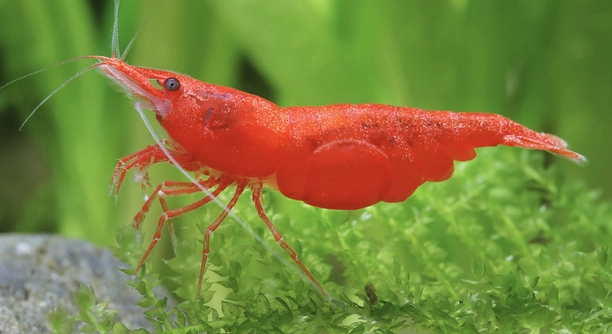
Keeping cherry shrimp is a relaxing hobby that adds life to small aquariums. Many enthusiasts enjoy watching their delicate movements and bright colors, making nano tanks an appealing choice for creating a tiny underwater world.
Cherry shrimp can survive in nano tanks if the water parameters are carefully maintained. Stable temperature, proper filtration, and regular water changes are crucial, as smaller volumes of water are more susceptible to rapid changes in chemistry and contamination.
Maintaining these conditions will help your shrimp thrive, and understanding the essentials ensures a healthy, colorful, and lively nano aquarium environment for years.
Setting Up a Nano Tank for Cherry Shrimp
A successful nano tank starts with the right setup. I found that choosing a tank between 5 and 10 gallons works best. Smaller tanks can be unstable, but larger ones may take more space than desired. A gentle filter is necessary to avoid stressing the shrimp, as strong currents can harm them. Adding live plants like java moss or dwarf water lettuce provides hiding spots and surfaces for biofilm growth, which is essential for feeding. Substrate choice also matters; fine gravel or sand allows the shrimp to forage comfortably without trapping debris. Lighting should support plant growth but not overheat the water. I always monitor temperature, keeping it steady between 68 and 78 degrees Fahrenheit. Regular water testing for ammonia, nitrites, and nitrates ensures a safe environment. This careful planning makes the tank stable and reduces sudden shocks that can affect the shrimp’s health and behavior.
Maintaining water quality is the most important step for their survival. Small changes can have a big effect.
Proper setup influences shrimp behavior, growth, and breeding. A well-prepared tank helps them stay active, colorful, and stress-free, making maintenance easier and more enjoyable.
Feeding and Care Tips
Feeding cherry shrimp requires balance. Overfeeding can harm water quality, while underfeeding limits growth and reproduction. I use small amounts of specialized shrimp food and supplement with blanched vegetables like zucchini or spinach. Removing uneaten food prevents decay and keeps the water clean.
Shrimp are sensitive to chemicals, so tap water must be treated to remove chlorine and chloramine. Maintaining stable water parameters prevents molting issues and stress-related diseases. Observing their behavior helps identify problems early; lethargy or hiding can indicate water or nutrition issues. Regular tank cleaning, careful handling, and avoiding sudden temperature shifts support their well-being. Feeding a variety of foods encourages natural foraging behavior, while planted areas and moss create additional surfaces for biofilm, a crucial food source. By combining careful feeding, clean water, and proper environment, shrimp thrive in small tanks, remain active, and can reproduce successfully. Proper care ensures that their bright colors stay vibrant, and their population remains healthy, even in confined spaces.
Common Challenges in Nano Tanks
Nano tanks can be sensitive to changes. I noticed even small temperature swings affect shrimp behavior. Overfeeding and sudden water parameter shifts are frequent problems that can lead to stress or illness. Keeping a close eye on water conditions is essential for their survival.
Small tanks heat up and cool down quickly, which stresses shrimp. Ammonia and nitrite spikes happen faster because there’s less water to dilute waste. I learned that frequent but small water changes help maintain stability. Plants can absorb some waste, but testing regularly is still necessary. Strong filtration can create currents that overwhelm shrimp, so a sponge filter or gentle flow is best. Hiding spots reduce stress, especially during molting, and prevent injury. Monitoring shrimp daily helps catch early signs of problems before they escalate.
Breeding can also be challenging in tiny tanks. Eggs and juveniles are sensitive to water conditions, and overcrowding can slow growth. I space out shrimp and maintain clean water to ensure successful reproduction. Observing behavior allows adjustments in feeding and tank setup. Even with careful care, some loss may occur, but stability and patience improve long-term survival and health.
Ideal Tank Companions
Cherry shrimp do well with peaceful companions. I avoid fish that might eat or stress them, instead choosing small, calm species. Snails are a great addition for algae control and add minimal disturbance to shrimp.
Shrimp interact well with other small invertebrates like snails or small freshwater clams. They can coexist with tiny fish such as ember tetras or micro rasboras, as long as hiding places are abundant. Dense plant coverage protects juveniles from accidental predation. I also avoid aggressive or fast-swimming fish that can cause stress or injury. Choosing compatible companions maintains a calm environment, encourages normal shrimp activity, and supports natural foraging behavior without risking losses. Proper selection ensures shrimp remain active, healthy, and colorful.
Water Parameters
Maintaining stable water conditions is essential. I keep temperature, pH, and hardness consistent, as cherry shrimp are sensitive to sudden changes. Even minor fluctuations can stress them or affect molting. Regular testing and careful monitoring prevent problems.
Ammonia and nitrite must always be zero. Nitrates should stay low to avoid long-term health issues. Using treated water and partial changes helps keep these levels in check, ensuring shrimp remain healthy and active.
Lighting and Plants
Adequate lighting supports plant growth and biofilm development, which shrimp feed on. I use moderate LED lighting to prevent algae overgrowth while keeping plants thriving. Dense plants provide hiding spots, reduce stress, and create a balanced ecosystem that helps shrimp feel secure.
Molting and Growth
Molting is natural but requires stable water and hiding areas. Shrimp are vulnerable during this time, so I avoid disturbances and ensure proper nutrition. Observing them during molts helps prevent loss and supports healthy growth.
Tank Cleaning
Regular cleaning prevents waste buildup without stressing shrimp. I carefully siphon debris and perform partial water changes, keeping the environment stable and safe.
FAQ
Can cherry shrimp live in a 5-gallon tank?
Yes, cherry shrimp can live in a 5-gallon tank if water conditions are carefully maintained. Smaller tanks are more prone to sudden changes in temperature and water chemistry, so frequent testing and partial water changes are necessary. I make sure to keep plants and hiding spots dense, which helps reduce stress.
What temperature is best for cherry shrimp in nano tanks?
Cherry shrimp thrive between 68 and 78 degrees Fahrenheit. I personally keep my tank around 72 degrees, which seems stable and safe. Rapid temperature changes can cause stress or molting issues. Using a small heater with a thermostat ensures a consistent environment.
How often should I feed shrimp in a nano tank?
Feeding should be small and frequent. I give tiny portions every other day, removing leftover food to avoid water contamination. Overfeeding is the most common cause of poor water quality in small tanks. Shrimp also graze on biofilm, so plants help supplement their diet naturally.
Can cherry shrimp live with fish in a nano tank?
Yes, but only with small, peaceful fish. I avoid fast or aggressive species that might stress or eat the shrimp. Tiny fish like ember tetras or micro rasboras work well. Snails and other non-aggressive invertebrates are also safe companions. Dense plants provide extra hiding spaces for juveniles.
How often should I change water in a nano tank?
Partial water changes of 10-20% weekly work best. I avoid large changes because sudden shifts in parameters can stress shrimp. Using dechlorinated water and matching temperature helps maintain stability. Frequent but small changes keep ammonia and nitrite low while supporting healthy shrimp activity.
Why are my shrimp hiding constantly?
Shrimp hide when stressed, during molting, or if water quality is off. I check temperature, pH, and ammonia first. Dense plants and moss give them safe spaces to feel secure. Hiding is normal during molting, but prolonged hiding may indicate a problem that needs immediate attention.
Can I breed cherry shrimp in a nano tank?
Yes, breeding is possible in small tanks if water quality and stability are maintained. I make sure there are plenty of plants and moss for juveniles. Overcrowding slows growth, so careful population management is important. With proper care, shrimp can reproduce successfully in a 5-10 gallon setup.
Do cherry shrimp need a filter in a nano tank?
Yes, a gentle filter is essential to keep water clean without creating strong currents. I use sponge filters because they provide light filtration and prevent shrimp from being sucked in. A filter also helps maintain oxygen levels and supports beneficial bacteria for a stable ecosystem.
What should I do if my shrimp die suddenly?
Sudden deaths usually indicate water quality issues or rapid parameter changes. I test ammonia, nitrite, nitrate, and pH immediately. Removing any stressed or dead shrimp helps prevent contamination. Regular monitoring and small, careful adjustments help avoid future losses and keep the tank stable.
How long do cherry shrimp live in nano tanks?
Cherry shrimp typically live about 1.5 to 2 years with proper care. Stable water, proper diet, and a safe environment extend their lifespan. I track their activity and health, removing aggressive tankmates and providing plenty of hiding spaces to help them thrive naturally.
Can I use tap water for my nano tank?
Tap water must be treated to remove chlorine and chloramine. I always use a water conditioner before adding water to the tank. Testing for pH, hardness, and ammonia ensures the water is safe. Properly treated tap water can support healthy shrimp and plants without risk.
Why are my shrimp losing color?
Faded colors often indicate stress, poor diet, or unsuitable water conditions. I check for stable temperature, adequate minerals, and high-quality food. Healthy shrimp with balanced diets and proper lighting show vibrant reds, while stress or poor conditions dull their colors over time.
How do I prevent algae in a nano tank?
Algae grows when light and nutrients are excessive. I balance lighting and avoid overfeeding. Adding live plants and moss competes with algae for nutrients. Regular small water changes and cleaning surfaces help prevent buildup. Cherry shrimp will graze on some algae naturally, keeping it under control.
Is it okay to keep only shrimp in a nano tank?
Yes, a shrimp-only tank is often easier to manage. I can focus on stable water, feeding, and breeding without worrying about fish predation. Plants, moss, and hiding spots create a natural environment, allowing shrimp to forage, molt safely, and reproduce successfully.
Can I use fertilizers in a planted shrimp tank?
Yes, but use shrimp-safe fertilizers carefully. I choose products labeled safe for invertebrates and follow recommended dosages. Excess fertilizer can harm shrimp, so small, controlled amounts promote plant growth without risking water quality. Dense plants improve biofilm growth, which shrimp feed on naturally.
How do I handle molting problems?
Molting issues usually stem from poor water quality or lack of minerals. I maintain stable pH, hardness, and calcium levels. Providing hiding places and avoiding disturbances during molts helps prevent injury. Observing shrimp daily allows early intervention if a molt appears stuck or incomplete.
Why are my shrimp not eating?
Shrimp may stop eating due to stress, poor water conditions, or insufficient biofilm. I check ammonia, nitrite, nitrate, and temperature first. Offering a variety of foods like vegetables and shrimp pellets usually encourages feeding. Dense plants also provide natural grazing surfaces that stimulate activity and appetite.
Can I keep male and female shrimp together?
Yes, males and females can live together and will breed naturally if conditions are right. I ensure there are hiding spots for molting and dense plants for juveniles. Monitoring water stability and diet keeps both sexes healthy and encourages reproduction in a nano tank.
How do I tell if my shrimp are healthy?
Healthy shrimp are active, brightly colored, and actively grazing. I watch for regular molting and interaction with plants. Lethargy, faded color, or hiding may indicate water issues or stress. Maintaining stable parameters, clean water, and proper nutrition supports overall shrimp health and activity.
What is the best substrate for cherry shrimp?
Fine gravel or sand works well because it allows foraging without trapping debris. I prefer dark substrates because they make shrimp colors pop. Substrates can also support beneficial bacteria and plants, improving water quality and providing natural surfaces for biofilm growth, which shrimp graze on daily.
How do I prevent disease in a nano tank?
Preventing disease starts with stable water, proper diet, and careful handling. I avoid introducing untreated plants or animals. Maintaining clean conditions and minimizing stress ensures shrimp remain healthy. Regular observation allows me to catch signs of illness early and adjust care to prevent outbreaks.
Can cherry shrimp survive winter in a nano tank?
Yes, as long as temperature is stable. I use a heater to maintain warmth during colder months. Sudden drops can stress shrimp and affect molting. Keeping water stable, clean, and properly heated ensures shrimp remain healthy year-round, even in small tanks.
How do I encourage breeding in a nano tank?
Stable water, dense plants, and a balanced diet encourage breeding. I provide moss and hiding spots for juveniles. Avoiding overcrowding and stress helps eggs develop safely. Regular observation ensures the population grows steadily without risking water quality or adult health.
Can I add driftwood or rocks to a nano tank?
Yes, driftwood and rocks provide hiding places and surfaces for biofilm growth. I rinse everything thoroughly before adding it to prevent contaminants. Natural decorations improve shrimp activity, reduce stress, and support a balanced ecosystem for both shrimp and plants.
Is it safe to use medications in a shrimp tank?
Most medications for fish can harm shrimp. I avoid chemical treatments unless they are specifically labeled safe for invertebrates. Prevention through water quality, diet, and careful handling is safer. In emergencies, shrimp-safe products are the only reliable option for treatment.
Do cherry shrimp need aeration?
Gentle aeration helps oxygenate the water, but strong currents stress shrimp. I use a sponge filter or adjust air stones for low flow. Proper oxygen levels support molting, feeding, and overall activity without disturbing the delicate environment in a nano tank.
Can shrimp live with moss only as a plant?
Yes, moss alone can provide hiding spots and surfaces for biofilm. I often use java moss because it grows densely and supports grazing. Moss creates a natural microhabitat, helping shrimp feel secure while contributing to the tank’s biological balance.
How long before I see baby shrimp?
If conditions are stable, eggs hatch in about three to four weeks. I keep hiding spots and moss abundant so juveniles survive. Observing breeding behavior and molting ensures the population grows steadily while maintaining water quality.
What do I do if algae overtakes the tank?
I reduce light exposure, perform small water changes, and manually remove algae. Adding moss and plants competes for nutrients. Shrimp will also graze on algae naturally, helping control growth without chemicals. Maintaining balance prevents future overgrowth and keeps shrimp healthy.
Are cherry shrimp sensitive to pH changes?
Yes, they prefer a stable pH between 6.5 and 7.5. I monitor it regularly, as sudden shifts can stress shrimp, affect molting, and reduce reproduction. Small, gradual adjustments are safer than large corrections in nano tanks.
Can I mix different shrimp colors in one tank?
Yes, mixing colors is possible, but I monitor breeding carefully. Offspring may vary in color intensity. Maintaining stable water, proper diet, and adequate space ensures all shrimp thrive together without competition or stress.
Do cherry shrimp need calcium supplements?
Calcium supports healthy exoskeleton development and successful molting. I sometimes add a mineral supplement or provide cuttlebone in the tank. Proper calcium levels prevent deformities and ensure shrimp grow strong and colorful in a small tank.
How do I safely move shrimp between tanks?
I acclimate them slowly using the drip method to match temperature and water parameters. Rapid changes can stress or kill shrimp. I avoid handling them directly, using a net or cup to gently transfer them without injury. Stable transition is essential for survival.
What signs indicate molting problems?
Stuck or incomplete molts, lethargy, or curled shells indicate issues. I check water parameters, hardness, and calcium levels. Providing hiding spots and minimizing disturbances helps shrimp molt safely. Early intervention reduces mortality and supports healthy growth.
Can cherry shrimp survive without plants?
Technically yes, but plants provide hiding spaces, biofilm for grazing, and water stability. I always include plants or moss to improve survival, reduce stress, and support natural behaviors. Shrimp without plants may feel exposed and less active.
Is it safe to keep shrimp in winter without a heater?
Without a heater, water can drop too low, stressing or killing shrimp. I always use a small heater during cold months to maintain stable temperature. Stable warmth ensures molting, feeding, and reproduction continue uninterrupted.
How do I prevent shrimp from escaping?
I cover the tank with a mesh or lid, leaving small gaps for airflow. Shrimp can climb out when plants or decorations reach the surface. Securing the tank prevents accidental escapes while keeping the environment safe and controlled.
Can shrimp survive in a tank with high nitrate?
High nitrate over time stresses shrimp, reduces color, and slows growth. I keep nitrates below 20 ppm through regular water changes and careful feeding. Maintaining clean, stable water ensures shrimp remain healthy and reproduce successfully.
Do shrimp need supplemental food if tank has plants?
Yes, plants provide biofilm, but supplemental food ensures proper nutrition. I use shrimp pellets or blanched vegetables to support growth, color, and reproduction. Feeding small portions prevents water quality issues and complements natural grazing.
How do I deal with shrimp aggression?
Aggression is rare but may occur during molting or overcrowding. I provide plenty of hiding spots and ensure sufficient food. Separating stressed or injured shrimp temporarily reduces conflict. Stable population density keeps interactions calm.
Can cherry shrimp live with bettas?
Bettas may eat or stress shrimp. I avoid this combination unless the shrimp have dense plants and hiding areas, and the betta is unusually calm. Observation is necessary, as predation risk remains high in small tanks.
Do shrimp need live plants or can fake plants work?
Live plants are better for grazing and water balance, but fake plants can provide hiding spots. I prefer live plants for biofilm growth and overall ecosystem health. Shrimp thrive best when they have natural surfaces to forage on daily.
How do I prevent shrimp from dying after a water change?
I always match new water temperature, pH, and hardness to the tank. Partial, gradual water changes reduce stress. I also remove uneaten food and monitor ammonia levels. Careful changes prevent shock and maintain shrimp health.
Can cherry shrimp survive in soft water?
Yes, soft water is fine if stable. I monitor pH and hardness, supplementing minerals if needed for molting. Stability is more important than exact values, as sudden shifts cause stress and health problems.
What is the ideal tank size for long-term shrimp health?
A 5-10 gallon tank provides stability, enough space for hiding, and manageable maintenance. I avoid very small tanks because water parameters fluctuate quickly. Proper size supports growth, breeding, and overall shrimp well-being.
Can I feed shrimp fish food?
Some fish flakes or pellets are safe, but I ensure they are small, high-quality, and not medicated. I supplement with shrimp-specific food or blanched vegetables to provide balanced nutrition and prevent water pollution.
Do shrimp need a dark substrate?
Dark substrate enhances their colors and provides a natural contrast. I use dark gravel or sand to make reds brighter and encourage active foraging. It also helps in monitoring their health more easily.
How many shrimp should I keep in a 5-gallon tank?
I keep around 10-15 shrimp to avoid overcrowding. Small populations reduce stress, maintain water quality, and allow sufficient hiding spots. Overpopulation can lead to slower growth, aggression, and higher mortality.
Can shrimp survive in slightly acidic water?
Yes, cherry shrimp tolerate slightly acidic water as long as it remains stable. I maintain pH between 6.5 and 7.0 for best results. Sudden changes or extreme acidity should be avoided to prevent stress and molting issues.
Is it necessary to quarantine new shrimp?
Quarantine helps prevent disease and parasites from entering the main tank. I keep new shrimp in a separate tank for at least a week, monitoring health and water parameters before introducing them. This step reduces the risk of outbreaks.
Can shrimp live with snails?
Yes, snails are excellent tankmates. I keep species like nerite or mystery snails, which are peaceful and help control algae. Snails do not compete for food aggressively and add minimal disturbance, making them compatible companions.
How do I handle shrimp during molting?
I provide dense moss and hiding spots and avoid touching or moving the tank. Disturbances during molting can cause injury. Observing them from a distance ensures they complete the process safely and continue growing healthily.
What is the main reason shrimp die in nano tanks?
Most deaths result from unstable water conditions, overfeeding, or sudden parameter changes. I focus on small, frequent water changes, proper feeding, and monitoring temperature, pH, and hardness. Prevention through stability ensures long-term shrimp survival.
Can I keep shrimp with guppies?
Guppies may eat juvenile shrimp, but adults usually survive in planted tanks. I provide dense moss and plants for hiding. Observation is necessary, as predation risk depends on guppy behavior and shrimp population density.
Do shrimp need specific minerals?
Yes, minerals like calcium and magnesium support molting and exoskeleton development. I sometimes use supplements or cuttlebone to maintain adequate levels, especially in soft water, ensuring healthy growth and reproduction.
How can I tell male and female shrimp apart?
Females are larger and rounder, often with visible eggs under the abdomen. Males are smaller and slimmer. Recognizing the difference helps monitor breeding and population balance in a nano tank.
What should I do if shrimp stop molting?
Check water parameters and mineral levels. Lack of calcium or unstable water can prevent proper molting. I adjust hardness, provide hiding spaces, and ensure adequate nutrition to support growth and healthy molts.
Can cherry shrimp survive in slightly warm water?
Yes, as long as temperature stays below 78 degrees Fahrenheit. I avoid overheating, which can stress shrimp, reduce oxygen levels, and affect molting. Stability is key for health in small tanks.
Do shrimp need air stones?
Air stones are optional if the filter provides oxygenation. I use gentle aeration to improve circulation without stressing shrimp. Proper oxygen levels support molting, activity, and reproduction without creating strong currents.
How do I prevent shrimp from getting sick?
Stable water, clean conditions, proper diet, and careful handling reduce disease risk. I avoid introducing untreated plants or animals. Observing behavior allows early intervention and supports long-term shrimp health in a nano tank.
Can cherry shrimp survive long-term without hiding spots?
Hiding spots reduce stress, especially during molting. Without them, shrimp may hide excessively or suffer injuries. I include plants, moss, or decorations to create safe areas, promoting active behavior and better survival.
What is the best diet for cherry shrimp?
I feed a mix of shrimp pellets, blanched vegetables, and biofilm from plants. This combination supports growth, coloration, and reproduction. Overfeeding is avoided to maintain water quality, while variety ensures healthy shrimp.
Do shrimp need a heater in summer?
Usually not, unless room temperature fluctuates. I monitor water carefully and use a small heater only if needed to maintain stability, preventing stress and supporting molting and reproduction.
How do I prevent stress in a nano tank?
Stable water, gentle filtration, dense plants, and careful handling reduce stress. I avoid sudden changes in temperature, lighting, or water chemistry. Stress-free shrimp are active, colorful, and reproduce successfully.
Can I keep cherry shrimp with crayfish?
Crayfish often prey on shrimp, especially juveniles. I avoid this combination in small tanks. Shrimp-only or compatible invertebrate tanks are safer and reduce mortality. Dense plants cannot fully protect them from predation.
What do I do if water parameters spike suddenly?
Immediate partial water changes, checking temperature, and removing contaminants help stabilize conditions. I test ammonia, nitrites, nitrates, and pH, adjusting carefully to prevent stress or death. Small, frequent interventions maintain shrimp health.
Do shrimp need filtered water?
Yes, a gentle filter supports water clarity, oxygenation, and beneficial bacteria growth. I use sponge filters or low-flow options to prevent shrimp from being disturbed or sucked in. Filtered water maintains stability and reduces maintenance issues.
**Can I keep
Keeping cherry shrimp in a nano tank can be very rewarding, but it requires careful attention and planning. I have learned that small tanks can be more sensitive than larger setups, so maintaining stable water conditions is crucial. Temperature, pH, and hardness need to be monitored regularly, because even small fluctuations can stress shrimp or affect their molting. A gentle filter and partial water changes help maintain stability, while plants and moss provide hiding spaces and surfaces for grazing. Observing shrimp daily makes it easier to notice changes in behavior or health, allowing early intervention before problems become serious. With consistent care, a nano tank can support healthy, active, and colorful shrimp for years.
Feeding is another important aspect that requires balance. Overfeeding is a common mistake in small tanks, which can quickly lead to ammonia spikes and poor water quality. I feed small portions of shrimp-specific pellets or blanched vegetables, removing any uneaten food after a few hours. Live plants and moss provide natural biofilm, which supplements their diet and encourages foraging behavior. Keeping a variety of food ensures the shrimp receive the nutrients they need to grow and reproduce. With proper feeding, shrimp maintain vibrant colors, healthy growth, and regular molting, while the tank remains clean and manageable. Proper diet and water maintenance work together to create an environment where shrimp thrive naturally.
Tank companions and decorations also play an important role in shrimp health. I prefer peaceful, small fish or snails if I choose to add other species, and I always include dense plants, moss, or rocks for hiding spaces. These additions reduce stress during molting and protect juvenile shrimp. Decorations not only provide shelter but also increase surfaces for biofilm growth, which is an essential food source. Avoiding aggressive or fast-swimming fish prevents predation and ensures a calm environment. By combining careful feeding, water maintenance, proper tank mates, and suitable decorations, cherry shrimp can survive and even flourish in a nano tank. Over time, I have found that patience, observation, and consistency are the key factors in keeping a small shrimp setup healthy and enjoyable.

Hello,
If you enjoy the content that we create, please consider saying a "Thank You!" by leaving a tip.
Every little bit helps us continue crafting quality advice that supports the health, happiness, and well-being of pets around the world, for pets of all shapes, sizes, and species.
We really appreciate the kindness and support that you show us!