
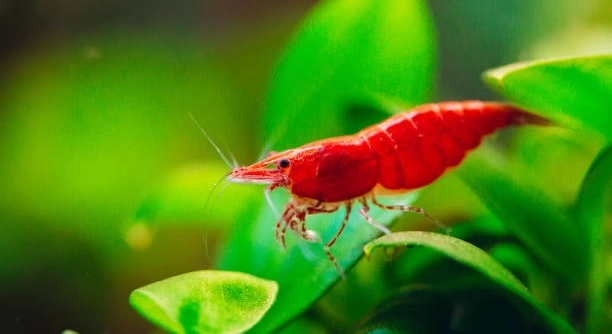
Keeping cherry shrimp in a tank can be a delightful addition to your aquatic setup. Their bright red color and active behavior bring a lively touch to any freshwater environment you maintain.
Cherry shrimp can be kept with certain frog species, but compatibility depends on the frog’s size, temperament, and feeding habits. Small, non-aggressive frogs are safer tank mates, whereas larger or predatory frogs may consume shrimp, making cohabitation risky.
Learning the proper setup and observing interactions carefully will help ensure both species thrive together safely in your aquarium.
Understanding Frog and Shrimp Interactions
Frogs and cherry shrimp can coexist, but it takes careful planning. Some frogs are naturally curious and may attempt to eat smaller tank inhabitants. Tank size, hiding spots, and water conditions play a big role in keeping both species safe. Dense plants and decorations can provide necessary shelter for shrimp, reducing stress and increasing survival rates. Feeding schedules also matter. Frogs may eat shrimp if they are hungry, so providing consistent and adequate nutrition for both animals is important. Observing their behavior during the first weeks of cohabitation helps identify potential issues early. Adjustments like adding more hiding spots or rearranging decorations can make a noticeable difference. Choosing frog species that are known for their calm nature around invertebrates further minimizes risk. Regular water quality checks ensure that both shrimp and frogs remain healthy. Maintaining a balanced environment is key to achieving harmony in a mixed tank.
Creating a safe space for shrimp requires strategic planning and attention to detail.
Even with precautions, monitoring interactions daily is essential. Stress signs or injuries must be addressed promptly.
Tank Setup Tips for Cohabitation
Shrimp need plenty of hiding spots to feel secure.
Selecting the right substrate, plants, and decorations helps both species thrive. Shrimp benefit from mosses, leaf litter, and dense plants that provide shelter and surfaces for grazing. Frogs need areas where they can rest comfortably without disturbing shrimp. Keeping water parameters stable, including temperature, pH, and hardness, reduces stress for both animals. Avoid overcrowding, as limited space increases the risk of predation and aggression. Careful feeding strategies are essential. Frogs should receive protein-rich food separate from the shrimp’s grazing areas. Using slow feeders or target feeding methods helps ensure shrimp are not eaten during feeding time. Observing daily behavior allows you to catch potential conflicts early and adjust the tank as needed. Lighting should be moderate to provide a natural rhythm without stressing either species. Regular maintenance, such as water changes and debris removal, supports a clean and healthy environment. With patience and planning, both frogs and cherry shrimp can coexist peacefully.
Feeding Considerations
Frogs can be unpredictable around shrimp during feeding times. Separating their diets reduces stress and prevents shrimp from being eaten accidentally.
Feeding both species properly requires attention to timing and placement. Frogs are usually active at different times than shrimp, so feeding them in specific areas of the tank can help. Shrimp graze constantly on biofilm, algae, and specialized shrimp food. Using sinking pellets or target feeding methods ensures frogs get their protein without disturbing the shrimp. Observing behavior during feeding can highlight if any shrimp are at risk. Adjusting portion sizes and feeding locations improves safety and ensures both species receive adequate nutrition without conflict.
Monitoring leftovers is also important. Uneaten food can foul water quickly, impacting shrimp and frog health. Consistent feeding habits help maintain tank stability and minimize predatory interactions.
Health and Stress Management
Stress can cause shrimp to hide excessively or lose color, while frogs may become lethargic or refuse food. Maintaining stable water conditions and proper tank layout reduces tension for both species.
Keeping water clean and parameters consistent is essential. Cherry shrimp are sensitive to ammonia and nitrite, while frogs require stable temperature and pH. Providing hiding spaces, gentle water flow, and avoiding aggressive tank mates further minimizes stress. Observation of physical health, behavior, and coloration helps catch problems early. Treating minor issues promptly prevents escalation and ensures both species remain healthy. Adding live plants improves oxygenation and creates natural shelter, benefiting stress reduction. Handling should be minimized, as excessive disturbance can negatively impact both shrimp and frogs. Proper care routines make cohabitation manageable and enjoyable for both species.
Choosing Compatible Frog Species
Smaller, non-aggressive frogs are generally safer for cohabitation with cherry shrimp. Avoid species that are known to hunt or consume invertebrates.
Tree frogs and dwarf frogs are often more compatible, as they pose less threat to shrimp. Observing individual frog behavior is important before long-term cohabitation.
Maintaining Water Quality
Regular water changes help prevent ammonia and nitrite buildup, which can harm both frogs and shrimp. Testing water parameters frequently ensures a safe environment for all tank inhabitants. Proper filtration and gentle water flow keep the tank stable while minimizing stress for sensitive species.
Observing Behavior
Daily observation is essential to spot stress or aggression early. Shrimp hiding excessively or frogs refusing food can indicate issues.
Can cherry shrimp survive with frogs?
Yes, cherry shrimp can survive with certain frog species, but it depends on the size and temperament of the frog. Small, non-aggressive frogs like dwarf frogs are usually safe tank mates. Larger or more predatory frogs may eat shrimp, especially juveniles. Providing plenty of hiding spots and plants reduces the risk of predation. Observing interactions in the first few weeks is essential to ensure both species adjust well. Adjusting tank layout or separating species temporarily can prevent unnecessary losses. Consistent feeding for frogs also helps minimize shrimp being targeted during mealtimes.
Which frog species are safest with cherry shrimp?
Tree frogs, dwarf African frogs, and pacman frogs (only when very small and non-aggressive) are generally safer choices. Frogs that actively hunt or consume invertebrates pose a high risk. Even within “safe” species, individual behavior may vary, so monitoring is necessary. Avoid frogs with large mouths compared to shrimp size. Researching each species’ diet and temperament before introducing them into a shared tank prevents unexpected predation. Choosing frogs with calmer, slower feeding habits reduces stress on shrimp. Maintaining dense vegetation and hiding places gives shrimp a sense of security while allowing frogs to move freely.
How should I feed shrimp and frogs in the same tank?
Separate feeding zones work best. Frogs benefit from protein-rich pellets or live food, while shrimp graze on biofilm, algae, or specialized shrimp food. Using slow feeders or placing food in specific areas prevents shrimp from being eaten during frog feeding times. Feed frogs first to reduce hunger-driven predation. Monitor leftovers to prevent water quality issues. Adjust feeding times if shrimp appear stressed or hide excessively. Target feeding and routine observation ensure both species get proper nutrition without conflict. Consistency in feeding helps maintain a stable environment.
How can I reduce stress for shrimp when frogs are present?
Provide plenty of plants, mosses, and hiding spots. Shrimp feel more secure when they can retreat. Gentle water flow, stable water parameters, and minimal disturbance reduce stress. Avoid overcrowding, which can increase tension and aggression. Observation is key—shrimp hiding excessively or losing color may indicate stress. Adding floating plants or driftwood creates vertical cover and shaded areas, which further improves comfort.
What signs indicate shrimp or frogs are stressed?
Shrimp may hide constantly, lose color, or stop eating. Frogs may refuse food, become lethargic, or display unusual behavior like frantic swimming. Early detection allows adjustments to tank layout, feeding, or water conditions. Stress can lead to illness, so maintaining water quality, providing adequate shelter, and monitoring daily interactions is essential.
Is tank size important for cohabitation?
Yes, larger tanks give both species enough space to move freely. Overcrowding increases predation risk and stress. A tank of at least 20 gallons is recommended for a small group of shrimp and one or two frogs. More space allows for proper hiding spots, feeding zones, and water circulation. Vertical space with plants and decorations helps shrimp avoid direct contact with frogs.
Can baby shrimp survive with frogs?
Baby shrimp are more vulnerable because of their small size. Dense plants and moss are essential for protection. Even safe frog species may eat juveniles if they are hungry. Consider using breeding tanks or separating babies until they grow large enough to handle cohabitation. Monitoring behavior closely during the first weeks is critical.
How often should I monitor the tank?
Daily observation is recommended. Check for injuries, hiding behavior, and feeding patterns. Water parameters should be tested weekly. Regular monitoring allows quick response to stress, aggression, or declining water quality. Small adjustments, like moving decorations or changing feeding spots, can prevent major problems.
Can shrimp and frogs reproduce successfully in the same tank?
Shrimp can reproduce if they feel safe, but frog presence may reduce breeding if stress is high. Providing hiding spots, stable water conditions, and minimal disturbances improves shrimp reproduction chances. Frogs usually won’t reproduce in small community tanks, so their reproduction isn’t a concern for shrimp.
What precautions should I take when introducing frogs to a shrimp tank?
Acclimate both species slowly to avoid sudden changes in water parameters. Introduce frogs first, then allow shrimp to explore safely. Ensure plenty of hiding spots and feed both species properly. Observe interactions carefully during the first days and be prepared to separate them if aggression occurs.
This FAQ provides a detailed approach to safely keeping cherry shrimp with frogs while minimizing risk and stress for both species. Monitoring, proper feeding, and thoughtful tank setup are essential for successful cohabitation.
Keeping cherry shrimp with frogs can be rewarding, but it requires careful planning and attention. Not all frog species are suitable tank mates, and even seemingly calm frogs may display predatory behavior toward smaller shrimp. Selecting the right frog species is the first step toward a harmonious tank. Smaller, non-aggressive frogs like dwarf African frogs or certain tree frogs are generally safer, while larger or more active predatory species pose a higher risk. Understanding each species’ natural behavior and feeding habits helps prevent conflicts. Providing sufficient hiding spots, plants, and decorations is essential for shrimp to feel secure, especially during feeding times or periods of activity. Observing interactions during the first few weeks can reveal any potential problems early, allowing adjustments before serious issues arise.
Tank setup plays a critical role in the success of cohabitation. Cherry shrimp thrive in environments with stable water parameters, moderate flow, and plenty of surfaces to graze on. Frogs, while generally more tolerant, also require specific conditions, including clean water, proper temperature, and accessible resting areas. Avoid overcrowding, as limited space increases stress and the likelihood of aggressive interactions. A well-planned tank layout should include separate feeding areas, floating plants, moss, and other hiding places to reduce stress and prevent predation. Regular maintenance, including water changes and debris removal, ensures that both species remain healthy. Observing behavior closely allows you to identify stress or signs of illness early, giving you time to make small adjustments to improve the environment.
Successful cohabitation also depends on feeding routines and monitoring overall health. Frogs and shrimp have different dietary needs, so feeding should be organized to minimize conflict. Providing protein-rich food for frogs while allowing shrimp to graze on algae, biofilm, or specialized food helps prevent accidental predation. Observing how both species respond to feeding, and adjusting timing or placement, can make a significant difference. Stress can affect behavior, coloration, and appetite, so creating a safe, stable, and predictable environment benefits both shrimp and frogs. While challenges exist, careful planning, attention to water quality, and observation can result in a tank where both species coexist peacefully, offering a lively and visually appealing aquarium.

Hello,
If you enjoy the content that we create, please consider saying a "Thank You!" by leaving a tip.
Every little bit helps us continue crafting quality advice that supports the health, happiness, and well-being of pets around the world, for pets of all shapes, sizes, and species.
We really appreciate the kindness and support that you show us!