
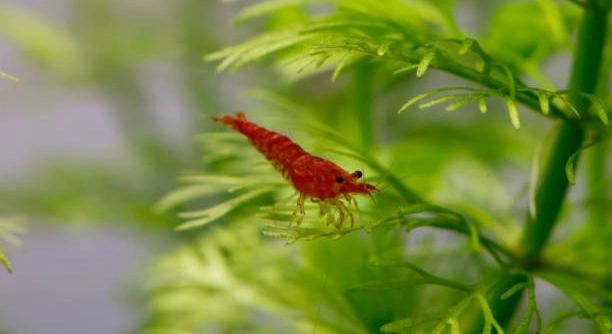
Have you ever noticed your cherry shrimp acting a little differently in the tank? Many shrimp owners observe subtle changes, but it can be tricky to tell what they mean. These small shifts often signal something important.
Cherry shrimp do exhibit behavioral changes before molting. They tend to hide more often, reduce their movement, and may stop eating. These behaviors are protective strategies to minimize stress and vulnerability during their delicate molting process.
Observing these patterns can help you care for your shrimp better and ensure their molting periods are safe and stress-free.
Signs Cherry Shrimp Show Before Molting
Cherry shrimp often give subtle signals before they molt. They may retreat to corners or hide under plants and decorations. Movement usually slows, and they may stop grazing on algae or food for a while. Their color can fade slightly, making them look less vibrant. Some shrimp may cling to surfaces more tightly, staying in one spot for long periods. Observing these changes closely can help predict when molting will happen. These behaviors are natural and help protect shrimp while their new exoskeleton forms underneath. It’s important to avoid disturbing them during this stage. Stress or sudden changes in water conditions can interfere with molting, sometimes causing incomplete molts. Providing plenty of hiding spots, stable water parameters, and gentle care will help shrimp molt safely. By learning to read these signs, you can support your shrimp’s health and reduce risks associated with this delicate process.
Monitoring these behaviors carefully ensures shrimp have a safe molting period without unnecessary stress.
Paying attention to hiding spots, reduced activity, and color changes can give a reliable indicator of impending molting.
How to Support Shrimp During Molting
Creating a stress-free environment is essential for molting success. Keep the tank clean, maintain stable temperature and pH, and avoid sudden changes in lighting or water chemistry. Adding plants, moss, and small decorations provides plenty of hiding spots where shrimp can feel secure. Ensure that water flow is gentle, as strong currents can stress them during this vulnerable period. Removing aggressive tankmates temporarily may also prevent accidental harm. Feeding a balanced diet with calcium-rich foods supports exoskeleton formation and overall health. Avoid handling shrimp directly while they molt, as they are extremely fragile. Regular observation helps you notice early signs of molting and act accordingly.
Supporting molting includes providing proper nutrition, stable water conditions, and secure hiding areas. A careful approach reduces the risk of incomplete molts, stress-related injuries, or death. Calcium sources like blanched vegetables, cuttlebone, or specialized shrimp foods help strengthen the new exoskeleton. Maintaining consistent water parameters, such as temperature between 72–78°F and stable pH, encourages smooth molting. Plants and moss not only offer hiding spaces but also provide surfaces for beneficial biofilm, which shrimp can graze on. Limiting disturbances during this time is crucial; sudden movement, tapping, or rearranging tank decor can cause stress. Observing shrimp daily allows you to see subtle behavioral changes and prepare supportive measures. By combining proper diet, stable water, and protective environments, shrimp can molt safely and maintain healthy growth.
Common Mistakes During Molting
Overfeeding right before molting can cause water quality issues. Too much waste stresses shrimp and may interfere with molting.
Many shrimp owners make the mistake of moving or handling shrimp during molting. Even gentle attempts to check them can cause incomplete molts or injuries. Another common issue is unstable water parameters. Sudden changes in temperature, pH, or hardness can stress shrimp at a critical moment. Lack of hiding places is another factor. Shrimp need secure spots to molt without threats from tankmates or strong currents. Feeding low-quality food or neglecting calcium-rich nutrition can weaken the exoskeleton. Avoiding these mistakes helps shrimp complete molting safely and reduces mortality rates.
Some aquarists forget to maintain regular observation. Watching behavior daily helps detect early signs of molting and ensures the environment remains supportive. By avoiding overfeeding, providing secure hiding spaces, and maintaining stable water conditions, shrimp can molt more successfully and stay healthy.
Feeding and Nutrition Around Molting
Shrimp need high-quality, calcium-rich foods before molting to support exoskeleton growth. Blanched vegetables, algae, and cuttlebone help provide these nutrients.
Feeding too little or inconsistent amounts can slow growth and make molting more stressful. Shrimp grazing on biofilm and plant matter gain essential nutrients naturally, but supplemental foods are important. Providing protein sources like specialized shrimp pellets in moderation supports overall health. Avoid overfeeding, which can spike ammonia and nitrite levels, affecting water quality. Fresh foods should be washed thoroughly to prevent bacteria. Observing shrimp eating habits gives clues about their readiness to molt. Calcium and mineral intake directly influences the strength and speed of exoskeleton development, reducing the risk of complications.
A balanced feeding routine ensures shrimp have necessary nutrients without polluting the tank. Monitoring dietary intake and supplementing with calcium-rich foods supports healthy molting cycles. Including fresh vegetables, algae, and occasional protein sources encourages growth while maintaining water quality. Preparing the tank with proper food and observing feeding patterns allows for smoother molts and fewer stress-related issues. Keeping nutrition consistent before and after molting also helps shrimp recover faster and maintain vibrant coloration.
Preparing the Tank for Molting
Providing plenty of hiding spots helps shrimp feel safe. Plants, moss, and decorations allow them to retreat during vulnerable stages.
Stable water conditions are essential. Keep temperature, pH, and hardness consistent. Avoid sudden changes or disturbances that could stress shrimp and interfere with molting.
Monitoring Shrimp Behavior
Watching shrimp closely helps detect early molting signs. Reduced movement, hiding, and color changes are key indicators. Observing daily allows timely intervention and ensures shrimp remain safe.
Post-Molt Care
Shrimp need gentle care after molting. Avoid feeding large amounts immediately and keep the tank calm to allow recovery.
Preventing Molting Problems
Proper nutrition, stable water, and minimal stress reduce molting complications. Providing calcium-rich foods and secure hiding spots ensures shrimp develop strong exoskeletons and complete molts safely.
FAQ
How long does it take for cherry shrimp to molt?
Molting time can vary depending on age, water temperature, and diet. Young shrimp molt more frequently, sometimes every week, while adults may molt every few weeks. Temperature around 72–78°F supports regular molting. Proper nutrition, especially calcium and minerals, helps them complete the process smoothly and quickly.
What are the signs my shrimp is about to molt?
Before molting, shrimp often hide and reduce movement. Their color may fade slightly, and they stop eating. Some cling to surfaces or decorations and remain in one spot for extended periods. Observing these changes daily allows you to anticipate molting and avoid stressing them.
Can I feed shrimp during molting?
Shrimp usually stop eating right before and during molting. Offering food is not necessary at this stage. After molting, provide small amounts of calcium-rich foods and balanced nutrition to help them rebuild their exoskeleton. Overfeeding during molting can pollute water and increase stress.
What should I avoid during molting?
Avoid handling or moving shrimp. Sudden changes in water parameters, temperature, or lighting can stress them. Ensure tankmates are peaceful, as aggressive fish or shrimp can harm molting individuals. Remove strong currents and provide secure hiding spots to reduce risks of incomplete molts or injury.
Why is my shrimp molting frequently?
Frequent molting is normal in young shrimp or during growth spurts. If adults molt too often, check water quality, nutrition, and stress levels. Poor water conditions or lack of minerals may trigger abnormal molting. Ensuring proper diet and stable environment keeps molting cycles healthy and predictable.
What happens if a molt goes wrong?
Incomplete molts can leave parts of the old exoskeleton attached, making shrimp vulnerable to infections or injury. Stress, poor water quality, or lack of calcium often causes this. Removing leftover exoskeletons carefully and maintaining stable conditions helps recovery. Providing hiding spaces ensures shrimp remain safe until fully healed.
How do I support shrimp after molting?
Post-molt, shrimp are delicate. Keep the tank calm, avoid handling, and provide clean water. Offer small amounts of nutritious food to support exoskeleton hardening. Observing behavior ensures they regain normal activity and coloration. Gentle care during recovery reduces risk of injury or stress.
Do all shrimp show the same molting behavior?
Behavior varies slightly by species, age, and individual temperament. Cherry shrimp generally hide and reduce activity, but some may show subtle color fading or cling to surfaces. Understanding your shrimp’s normal patterns helps identify molting and ensures proper care without unnecessary interference.
Can water changes affect molting?
Yes, sudden water changes can stress shrimp and disrupt molting. Use gradual, small water changes with stable temperature and pH. Ensure new water matches tank parameters closely. Consistent, careful maintenance supports regular molting and minimizes risk of incomplete molts or mortality.
How can I tell if a molt was successful?
A successful molt leaves a complete exoskeleton behind and the shrimp resumes normal activity, color, and feeding. They move freely and cling to surfaces confidently. Monitoring these signs ensures they are healthy, and any deviations can be addressed quickly to prevent long-term issues.
Can I prevent molting issues entirely?
While it’s impossible to eliminate all risks, proper care greatly reduces problems. Provide stable water conditions, secure hiding spaces, balanced nutrition, and minimal stress. Observing behavior and preparing for each molt ensures shrimp remain healthy and molting cycles occur safely and consistently.
Are tankmates a concern during molting?
Yes, aggressive or larger tankmates can harm molting shrimp. Peaceful species are safer, and providing plenty of hiding spots reduces the risk of predation. Observing interactions during molting periods ensures shrimp remain protected and stress-free.
How often should I monitor shrimp during molting?
Daily observation is ideal. Watch for hiding, reduced movement, color changes, and feeding habits. Early detection of molting signs allows preventive measures to minimize stress, improve safety, and ensure successful exoskeleton development.
What role does diet play in molting health?
Diet directly affects exoskeleton strength. Calcium, minerals, and protein are essential for smooth molts. Biofilm, algae, blanched vegetables, and specialized shrimp food provide these nutrients. Proper nutrition reduces incomplete molts and promotes overall shrimp health, supporting vibrant coloration and growth.
Can stress cause molting problems?
Stress from water changes, strong currents, aggressive tankmates, or handling can cause incomplete molts or delays. Maintaining calm, stable conditions with hiding spots helps shrimp molt safely. Minimizing disturbances during sensitive periods is crucial for healthy molting cycles.
How do I know if a shrimp is hiding because of molting or illness?
Molting shrimp typically hide for short periods, show faded color, and reduce movement but resume normal activity after molting. Sick shrimp may hide longer, appear lethargic, or show physical abnormalities. Observing behavior and water parameters helps distinguish molting from health issues.
Can I help shrimp with incomplete molts?
If a molt is incomplete, remove leftover exoskeleton carefully and maintain stable water conditions. Avoid touching the shrimp directly. Provide hiding spaces to reduce stress while the shrimp recovers. Proper nutrition supports exoskeleton regrowth and reduces future molting problems.
Does age affect molting behavior?
Yes, young shrimp molt more frequently and may hide less predictably. Adults molt less often but may be more cautious and selective about hiding spots. Recognizing these differences helps anticipate molting needs and provides appropriate care for all life stages.
How do I maintain water quality during molting?
Keep ammonia, nitrite, and nitrate levels low. Perform gentle, small water changes regularly, avoid sudden parameter shifts, and remove uneaten food promptly. Stable water quality reduces stress, supports exoskeleton formation, and prevents molting complications.
Are there signs that molting is stressful for shrimp?
Shrimp may twitch, cling excessively, or fail to shed completely. Prolonged hiding, refusal to eat post-molt, or damaged exoskeletons are warning signs. Observing behavior closely allows timely intervention and ensures shrimp remain healthy during this delicate stage.
Can lighting affect molting?
Bright or fluctuating light can stress shrimp during molting. Gentle, consistent lighting reduces disturbance and helps shrimp feel secure. Plants and shaded areas provide natural cover, allowing molting shrimp to rest safely without unnecessary exposure.
Do cherry shrimp molt at night or during the day?
Molting can occur at any time but often happens during periods of low activity, usually at night or when the tank is quiet. Providing calm conditions during these periods supports safer, less stressful molting experiences.
What should I do if a shrimp molts but dies afterward?
Check water quality, diet, and stress factors immediately. Death post-molt is often linked to incomplete molts, poor nutrition, or sudden environmental changes. Maintaining optimal conditions and careful observation helps prevent recurrence and supports the health of remaining shrimp.
How long does it take for a shrimp to recover after molting?
Recovery varies but generally takes a few hours to a couple of days. The exoskeleton hardens gradually, and shrimp resume normal activity and feeding. Providing stable conditions, gentle care, and proper nutrition ensures faster, safer recovery and reduces risk of post-molt complications.
Can I add new shrimp during molting periods?
It’s best to avoid introducing new shrimp while others are molting. Stress from new tankmates can interfere with the molting process. Wait until molting shrimp have fully recovered and are active before adding new individuals to maintain a safe environment.
Does molting frequency change with seasons?
Temperature and light cycles can affect growth and molting frequency. Warmer, stable conditions may increase molting in young shrimp. Seasonal changes in water parameters can influence adult molting patterns. Maintaining consistent tank conditions helps regulate molting regardless of external seasonal shifts.
Are all behaviors before molting the same for every shrimp?
Individual shrimp may show slightly different behaviors, but hiding, reduced movement, and color fading are common. Recognizing each shrimp’s normal pre-molt patterns allows better care and ensures safe, successful molts across the tank population.
Can I provide supplements to help molting?
Yes, calcium and mineral supplements, like cuttlebone or specialized shrimp foods, support exoskeleton formation. Use them carefully and monitor water quality to prevent imbalances. Supplements can reduce molting problems and promote stronger, healthier shrimp.
What if a shrimp refuses to eat after molting?
Refusal to eat is normal for a short period. Gradually reintroduce food after a few hours or the next day. Providing small, nutritious portions helps shrimp rebuild energy and strengthens the new exoskeleton without overwhelming the tank.
How can I prevent stress during molting?
Minimize disturbances, maintain stable water conditions, provide hiding spots, and avoid aggressive tankmates. Gentle care and observation reduce stress and ensure shrimp complete their molts safely and maintain healthy growth patterns.
Is it normal for shrimp to hide for several days?
Yes, some shrimp hide longer than others, especially during consecutive molts or if stressed. Monitor behavior and water quality to ensure hiding is part of molting and not illness. Providing secure hiding spaces supports natural behavior and recovery.
Does tank size affect molting behavior?
Smaller tanks may increase stress due to limited hiding spots and more rapid water parameter changes. Larger tanks with plenty of plants and decorations allow shrimp to molt safely with less risk of disturbance or conflict with tankmates.
Can I use water conditioners during molting?
Yes, safe water conditioners help remove chlorine, chloramine, and heavy metals without stressing shrimp. Avoid abrupt dosing or unnecessary chemicals, which can harm delicate molting shrimp. Consistent, gentle treatment supports a safe environment.
Do shrimp molt more often if stressed?
Stress does not usually increase molting frequency but can cause incomplete or problematic molts. Stress-free conditions, proper nutrition, and secure hiding spots are key to healthy molting cycles.
How important is hiding space for molting?
Hiding space is crucial. Shrimp feel safe and avoid injury during this vulnerable period. Plants, moss, or small decorations give necessary cover and reduce stress, increasing the likelihood of successful molts.
Can I use molting supplements in a community tank?
Yes, but monitor water quality closely. Supplements like calcium can help shrimp, but overdosing may harm other inhabitants. Balanced dosing supports exoskeleton formation while keeping the tank safe for all species.
Is molting stressful for adult shrimp?
Even adults experience stress, though less frequently than juveniles. Providing calm conditions, hiding spots, and proper nutrition ensures adults molt successfully without harm or health complications.
How do I know if my shrimp is recovering well?
Shrimp should resume movement, grazing, and normal coloration. Their exoskeleton will harden, and they cling confidently to surfaces. Observing these signs confirms a healthy recovery and indicates that tank conditions and care are adequate.
Can molting affect shrimp color?
Yes, shrimp often appear paler before molting and regain vibrant coloration afterward. Proper nutrition, calm conditions, and a successful molt help maintain consistent color and overall health.
Do shrimp molt at the same time?
Not necessarily. Molting is individual, and shrimp may molt on different days. Observing each shrimp’s behavior ensures proper care for all individuals during their molting periods.
What happens if a shrimp molts without hiding?
Shrimp that molt in exposed areas are at higher risk of stress or injury from tankmates. Providing adequate hiding spots encourages safer molting and reduces potential complications.
Can I speed up molting?
Molting speed depends on age, diet, and water conditions. Providing proper nutrition, stable parameters, and calm conditions supports healthy timing but cannot safely force faster molting. Patience is key to successful molts.
Are there signs of molting stress I should watch for?
Twitching, prolonged hiding, incomplete exoskeleton shedding, or lethargy indicate stress. Observing behavior and correcting environmental factors helps reduce risks and promotes safer molting.
How often should I check water parameters during molting?
Check ammonia, nitrite, nitrate, temperature, and pH frequently, ideally daily. Stable water conditions are critical to avoid stress, incomplete molts, or mortality during vulnerable periods.
Do tank decorations affect molting?
Yes, decorations provide essential hiding spots and surfaces to cling to. Smooth, stable decorations reduce the risk of injury during molting and allow shrimp to feel secure throughout the process.
How long do shrimp stay hidden during molting?
Time varies but usually ranges from several hours to a day. Juveniles may hide longer. Providing calm, secure conditions ensures shrimp can complete molting without disturbance and recover safely.
Can stress cause color fading before molting?
Some fading is natural, but stress can exacerbate it. Stable water, minimal handling, and secure hiding spots help shrimp maintain healthier coloration before and after molting.
Does water hardness affect molting?
Yes, soft water can make exoskeleton formation harder. Maintaining moderate hardness and supplementing calcium supports proper molting and reduces incomplete molts or deformities.
Can shrimp molt without calcium supplements?
They can, but insufficient calcium may slow exoskeleton hardening and increase risk of incomplete molts. Natural sources, like algae, biofilm, or blanched vegetables, help compensate for low supplementation.
What should I do if multiple shrimp molt simultaneously?
Ensure hiding spots and calm conditions. Monitor water quality closely and avoid disturbances. Simultaneous molts increase vulnerability, so maintaining stable, supportive conditions is essential.
Do shrimp ever skip molting?
Healthy shrimp generally do not skip molts, but poor nutrition, stress, or unfavorable water conditions can delay or complicate the process. Supporting them with proper care ensures timely and successful molts.
How can I make molting safer in a community tank?
Provide abundant hiding places, maintain stable water, feed nutritious foods, and ensure peaceful tankmates. These measures reduce stress and protect vulnerable shrimp during the molting process.
Can lighting schedules affect molting timing?
Stable, gentle lighting supports regular behavior and low-stress conditions. Abrupt or fluctuating light can disturb molting shrimp and increase stress, so maintaining a consistent schedule helps.
Are there signs of incomplete molts?
Exoskeleton pieces stuck on legs or tail, abnormal posture, or inability to move freely indicate incomplete molts. Removing leftover exoskeletons carefully and maintaining calm, stable conditions supports recovery.
How do I know if my shrimp is ready to molt again?
Shrimp show subtle behavioral signs like reduced activity, hiding, and slight color changes. Observing these behaviors helps anticipate the next molt and provide a supportive environment.
Can stress from tankmates delay molting?
Yes, aggressive or curious tankmates can interfere. Providing hiding spaces and monitoring interactions reduces risk and ensures shrimp molt safely without interference.
How often should I provide calcium supplements?
Frequency depends on diet and water hardness. Regular, moderate supplementation ensures strong exoskeletons without overloading the tank, supporting safe, consistent molting cycles.
Do shrimp eat their exoskeleton after molting?
Yes, many shrimp consume their old exoskeleton to reclaim calcium and minerals. This behavior supports faster exoskeleton hardening and overall nutrient recycling.
Can molting cause temporary behavioral changes?
Yes, reduced movement, hiding, and decreased feeding are normal. These changes are temporary and usually resolve once the exoskeleton hardens and the shrimp recovers.
Is water temperature important during molting?
Stable temperatures around 72–78°F encourage safe, regular molting. Fluctuations can stress shrimp, delay molting, or cause incomplete exoskeleton formation.
What if a shrimp molts but doesn’t recover?
This may indicate stress, poor water quality, or disease. Review tank conditions, diet, and care practices to prevent further losses and support remaining shrimp.
Can I provide extra food after molting?
Offer small, calcium-rich portions to support recovery. Avoid overfeeding, which can affect water quality and stress other shrimp.
Do all shrimp molt at the same rate?
No, growth, age, and individual differences mean molting schedules vary. Observing each shrimp’s behavior ensures proper care and timing support.
Can poor water circulation affect molting?
Yes, stagnant water may reduce oxygen and cause stress, while strong currents can harm molting shrimp. Gentle, stable circulation is ideal for safety.
Are hiding spots more important for juveniles or adults?
Both need hiding, but juveniles are more vulnerable due to smaller size and softer exoskeletons. Adequate cover supports safe molts at all ages.
Does diet affect molting frequency?
Proper nutrition supports regular molting. Insufficient calcium or protein can delay molts, weaken exoskeletons, or cause complications. A balanced diet ensures healthy, predictable cycles.
Can water contaminants affect molting?
Yes, chlorine, heavy metals, and ammonia can stress shrimp and interfere with molting. Using safe, conditioned water is essential for healthy exoskeleton formation.
How do I know if my shrimp is stressed before molting?
Indicators include excessive hiding, twitching, refusal to eat, or clinging to surfaces unnaturally. Early observation allows preventive measures to ensure safe molting.
Can tank mates eat molted exoskeletons?
Some may nibble, which is generally safe. Molted exoskeletons provide nutrients, but ensure other shrimp get access to avoid nutrient imbalance.
Do shrimp molt more in planted or bare tanks?
Planted tanks offer security, hiding spots, and biofilm for grazing, which support safer and more frequent molting. Bare tanks increase stress and risk of injury.
Can water hardness changes affect recovery?
Sudden drops in hardness can weaken the new exoskeleton. Maintain stable mineral levels and supplement calcium to support proper hardening after molting.
Is it normal for shrimp to molt multiple times in a week?
Juveniles may molt frequently, but adults typically molt less often. Frequent molting in adults may indicate stress or environmental issues. Monitor conditions and diet carefully.
What’s the best way to observe shrimp without disturbing them?
Watch quietly from outside the tank. Avoid tapping, moving decorations, or sudden lighting changes. Gentle observation allows you to monitor molting safely and accurately.
Do all cherry shrimp molt the same way?
The basic process is similar, but individual behaviors, hiding preferences, and timing vary. Understanding patterns for each shrimp helps provide the right care and environment.
How important is water pH for molting?
Stable pH around 6.5–7.5 supports healthy molting. Sudden changes can stress shrimp, delay molts, or cause incomplete exoskeleton formation. Maintaining consistency is key.
Can a shrimp survive an incomplete molt?
Sometimes, but it’s risky. They are vulnerable to injury, infection, and predation. Quick intervention,
Molting is a natural and essential part of a cherry shrimp’s life cycle. It allows them to grow and maintain a healthy exoskeleton. Understanding the signs that a shrimp is about to molt can make caring for them much easier. Shrimp often hide, reduce movement, and may appear slightly faded in color before molting. Providing a calm environment with plenty of hiding spots helps them feel secure and reduces stress. Observing shrimp daily allows you to notice these subtle changes and respond appropriately. Simple steps, such as maintaining stable water parameters and gentle care, can go a long way in supporting shrimp during this delicate stage.
Nutrition plays a big role in successful molting. A diet rich in calcium and essential minerals strengthens the new exoskeleton and reduces the risk of incomplete molts. Shrimp benefit from a combination of natural biofilm, algae, and supplemental foods like blanched vegetables or specialized shrimp pellets. Overfeeding should be avoided because it can reduce water quality, which directly affects molting health. Balanced feeding supports both growth and overall well-being, ensuring shrimp recover quickly after shedding their old exoskeleton. Paying attention to the type and amount of food given, along with a consistent feeding schedule, will help shrimp stay healthy throughout their life cycle.
Creating a safe environment, supporting proper nutrition, and observing shrimp behavior are key to minimizing molting problems. Stress from tankmates, sudden water changes, or strong currents can interfere with molting, so gentle handling and stable conditions are essential. Hiding places like plants, moss, and small decorations give shrimp space to molt safely. Even adults can experience stress during molting, so it’s important to treat all shrimp with care. By following these steps, shrimp can molt successfully and maintain strong, healthy exoskeletons. Careful observation, proper nutrition, and a supportive environment ensure that shrimp grow and thrive while completing each molting cycle safely.

Hello,
If you enjoy the content that we create, please consider saying a "Thank You!" by leaving a tip.
Every little bit helps us continue crafting quality advice that supports the health, happiness, and well-being of pets around the world, for pets of all shapes, sizes, and species.
We really appreciate the kindness and support that you show us!