
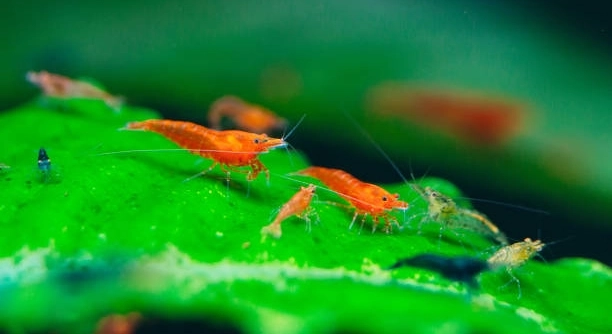
Cherry shrimp are small, delicate creatures that need a stable environment to thrive. Their sleep patterns can be disrupted by subtle changes in their tank, affecting their overall health and behavior in ways owners might not immediately notice.
Several factors can disturb cherry shrimp sleep, including sudden light changes, water temperature fluctuations, excessive tank noise, poor water quality, overcrowding, aggressive tank mates, and irregular feeding schedules. Each of these elements can significantly impact their natural rest cycles and wellbeing.
Recognizing these disturbances is essential for maintaining a healthy tank. By understanding what affects their rest, you can create a calmer, more stable environment for them.
Sudden Light Changes
Cherry shrimp are highly sensitive to changes in light. A sudden shift from darkness to bright light can startle them, interrupting their sleep cycle. Even brief exposure during nighttime, such as turning on a room light or using a flashlight near the tank, can cause them to hide and remain stressed. Consistent lighting schedules are essential. Gradually dimming lights in the evening helps simulate natural sunset, signaling to shrimp that it is time to rest. Overly bright aquarium lights during the day can also cause restlessness, especially if there is no shaded area in the tank. Providing plants or hiding spots allows them to escape excessive light, creating a more secure sleeping environment. Observing their behavior after lighting adjustments is important. If shrimp are constantly hiding or moving during nighttime, it indicates that light may be disturbing their sleep. Monitoring and correcting light intensity can improve their overall wellbeing.
Sudden light disruptions often lead to stress, reduced activity, and lower immunity. Maintaining a steady light schedule helps preserve their health.
Gradually introducing light changes is key. Using a timer ensures the tank mimics natural day and night cycles. Combining shaded areas with dimming routines allows shrimp to rest properly. Observing their response to light helps identify problem areas. Over time, a stable lighting setup promotes consistent behavior and healthier shrimp, reducing nocturnal activity caused by disruptions.
Water Temperature Fluctuations
Cherry shrimp require stable water temperatures for proper rest. Sudden increases or decreases can wake them from sleep and trigger stress.
Temperature swings disturb metabolism and make shrimp more vulnerable to disease. Consistent heating and monitoring are essential for their comfort.
Maintaining the right temperature range, typically between 72°F and 78°F, ensures that shrimp remain calm and active during the day while resting at night. Using a reliable heater and thermometer helps prevent unexpected fluctuations. Even small drops during the night can cause them to move constantly or hide in shelters. Avoid placing the tank near windows, heaters, or air conditioners, as external factors can change the water temperature quickly. Slowly acclimating shrimp to new temperatures is necessary if adjustments are required. Observing their behavior can indicate if the current temperature is comfortable. Shrimp that appear sluggish, hide frequently, or cluster near the heater may be experiencing stress. Creating a thermally stable environment ensures proper rest cycles and overall health. Consistent temperature management is one of the most effective ways to support their sleep and longevity.
Excessive Tank Noise
Excessive noise from nearby equipment or household activity can startle cherry shrimp. Vibrations from pumps, filters, or even loud footsteps can interrupt their sleep and cause them to hide or swim nervously.
Shrimp are sensitive to vibrations and sudden sounds. If the tank is placed near speakers, washing machines, or heavy foot traffic, these disturbances can affect their rest. Even minor, continuous noises can keep them alert, preventing deep sleep. Ensuring that pumps and filters are properly secured and that external noise is minimized helps maintain a calm environment. Providing hiding spots with plants or decorations allows shrimp to feel safe despite minor disturbances, reducing stress. Observing behavior changes, such as frequent hiding or jittery movements, can indicate noise issues.
Long-term exposure to constant vibrations can reduce shrimp activity, impair molting, and increase stress-related health issues. Adjusting the tank location and softening the impact of equipment vibrations improves sleep quality. Creating a quieter space fosters calmer behavior and healthier shrimp, allowing them to thrive naturally without constant interruptions.
Poor Water Quality
Ammonia, nitrite, and nitrate spikes directly affect shrimp rest. Dirty water forces them to hide and prevents normal sleep patterns. Proper filtration and regular water changes are essential for maintaining a stable environment.
Monitoring water parameters is critical. Cherry shrimp require clean, well-oxygenated water to remain healthy. Even small imbalances in pH or hardness can cause stress, prompting them to seek shelter and reduce activity. Keeping a consistent schedule for water testing and changes helps maintain optimal conditions. Overfeeding can worsen water quality, so feeding small amounts at intervals ensures minimal waste accumulation. Using natural plants can aid in filtering and stabilizing water, creating a more restful habitat. Observing shrimp behavior, such as excessive hiding or lethargy, helps identify water issues early.
Consistently clean water promotes proper sleep and overall health. Establishing a routine with filtration, testing, and plant support ensures that shrimp remain comfortable, stress-free, and active during their awake periods. A balanced aquatic environment directly influences their ability to rest undisturbed and thrive long-term.
Overcrowding
Too many shrimp in one tank increases stress and reduces resting areas. Limited space forces them to compete for hiding spots, making sleep difficult.
Overcrowding also affects water quality, raising waste levels and altering parameters. Ensuring adequate space per shrimp allows them to move freely and rest without constant disturbance.
Aggressive Tank Mates
Aggressive fish or larger invertebrates can scare cherry shrimp, interrupting sleep. Constant threats make them hide and stay alert, reducing rest.
Providing peaceful tank mates and sufficient hiding spots reduces stress. Observing interactions ensures shrimp can maintain normal behavior, sleep, and activity cycles.
Irregular Feeding Schedules
Cherry shrimp rely on consistent feeding times for predictable routines. Sudden changes in feeding patterns can cause stress and disrupt sleep.
Maintaining regular feeding schedules ensures shrimp are active during appropriate periods and rest undisturbed. Skipping or overfeeding can create imbalance and restlessness, affecting overall health.
How can I tell if my cherry shrimp are not sleeping properly?
Cherry shrimp that are not resting well often show unusual activity at night. They may constantly move around, hide excessively, or appear jittery. Lack of sleep can also cause them to molt irregularly and reduce feeding interest. Monitoring their behavior over several nights helps identify patterns.
What is the ideal environment for cherry shrimp sleep?
A stable, calm environment is essential. Light should follow a regular day-night cycle, and water temperature must remain steady. Low noise and gentle water flow reduce stress, while plenty of hiding spots created with plants or decorations allow shrimp to feel secure and sleep without interruption.
Can water quality affect their sleep?
Yes, poor water quality directly impacts sleep. Ammonia, nitrites, and nitrates can stress shrimp, forcing them to hide or move constantly. Regular water changes, proper filtration, and monitoring parameters like pH and hardness are necessary to maintain a healthy resting environment.
Do tank mates influence cherry shrimp rest?
Aggressive or predatory tank mates can disturb sleep. Shrimp hide or stay alert to avoid threats, which prevents normal rest. Peaceful tank companions and well-placed hiding spots reduce stress and allow shrimp to maintain regular sleep patterns. Observing interactions is important for ensuring a calm tank.
How does lighting affect cherry shrimp sleep?
Sudden or intense light can startle shrimp and interrupt sleep. Using a timer and gradually dimming lights in the evening helps mimic natural day-night cycles. Providing shaded areas allows shrimp to escape bright light, promoting restful periods and reducing stress-related behaviors.
Does noise and vibration really disturb them?
Yes, cherry shrimp are sensitive to vibrations. Pumps, filters, or household noises like footsteps can keep them alert. Softening equipment vibrations, placing the tank away from heavy traffic, and adding plants or decorations to absorb movement helps create a quieter, more stable environment for proper sleep.
Can irregular feeding affect sleep patterns?
Feeding inconsistencies can disrupt routines. Shrimp anticipate food and may become active when schedules change unexpectedly. Overfeeding causes water quality issues, while underfeeding leads to restless searching for food. Maintaining small, regular feedings ensures they remain active during the day and rest at night.
How do hiding spots improve sleep?
Hiding areas are essential for safety and rest. Plants, rocks, and decorations allow shrimp to retreat when stressed or threatened. When they have secure spaces, they can sleep undisturbed, feel protected from aggressive tank mates, and recover from environmental disturbances more effectively.
Is water temperature a major factor for rest?
Yes, stable water temperature is crucial. Sudden drops or rises disturb metabolism and trigger constant movement. Using a reliable heater and thermometer, along with avoiding external drafts, ensures shrimp remain calm, rest well, and maintain long-term health without stress interruptions.
Can overcrowding cause sleep issues?
Overcrowded tanks limit resting areas and increase competition. Shrimp are forced to move constantly or hide, reducing sleep. Ensuring adequate space per shrimp and monitoring population density helps maintain a calm, balanced environment that supports natural sleep cycles and overall wellbeing.
How long do cherry shrimp usually sleep?
Cherry shrimp do not have long, continuous sleep periods like mammals. They rest in short cycles, often hiding during nighttime. Ensuring a stable environment, proper lighting, and minimal disturbances allows these cycles to occur naturally, supporting overall health and normal activity levels.
Are there signs that indicate environmental adjustments are needed?
Yes, frequent hiding, erratic swimming, or decreased feeding can signal disturbances. Changes in lighting, water parameters, temperature, or tank mate behavior often require intervention. Making gradual adjustments and observing shrimp responses ensures improvements without adding stress, supporting their sleep and daily activity patterns.
Can stress from multiple factors accumulate and affect sleep?
Multiple stressors, like poor water quality, aggressive tank mates, and sudden light changes, can combine to severely disrupt sleep. Observing cumulative effects is important. Reducing stressors and stabilizing the environment allows shrimp to rest, recover, and maintain healthy behavior consistently.
What daily practices help maintain proper sleep?
Consistent routines are key. Feeding on schedule, maintaining water quality, monitoring temperature, controlling light cycles, and minimizing vibrations support regular sleep. Regular observation allows early identification of disturbances, ensuring adjustments can be made to create a calm and secure habitat for cherry shrimp.
How important is observation for their sleep health?
Observation is crucial. Watching for hiding, jittery movements, or changes in feeding provides insight into sleep quality. Regular monitoring allows proactive care, helping maintain optimal conditions and ensuring shrimp remain healthy, stress-free, and capable of following their natural rest cycles consistently.
Can stress recovery improve sleep?
Yes, once stressors are removed or minimized, shrimp gradually resume normal rest patterns. Providing a stable environment, hiding spots, and regular care encourages recovery, allowing sleep cycles to normalize, reducing health risks, and improving overall behavior in the tank.
Cherry shrimp are delicate creatures, and their sleep is more important than many people realize. Unlike larger animals, their rest can be easily disturbed by small changes in their environment. Sudden light, water temperature fluctuations, or even vibrations can affect how they sleep and behave. Maintaining a stable, calm tank is essential for their wellbeing. Observing their behavior carefully can help identify factors that disturb their rest. If shrimp are hiding excessively, moving constantly, or acting differently, it is often a sign that something in the tank needs attention. Proper sleep allows them to maintain normal activity levels, eat properly, and molt without issues, which is critical for their long-term health.
Creating the right environment for cherry shrimp involves paying attention to several small details. Regular water changes, stable temperature, and monitoring water quality parameters like pH, ammonia, and nitrate levels all play a role in supporting restful periods. Lighting should follow a consistent schedule, ideally with gradual dimming in the evening, to mimic natural day and night cycles. Providing plants, rocks, and other hiding spots gives shrimp secure places to rest when they feel threatened or stressed. Tank mates should be chosen carefully to avoid aggressive interactions that prevent proper sleep. Even minor disturbances, like household noise or vibrations from pumps, can affect their comfort. By addressing these factors, the tank becomes a safe and calm habitat where shrimp can maintain natural rest cycles and thrive.
Consistency and observation are key to keeping cherry shrimp healthy. Establishing a routine for feeding, water maintenance, and environmental checks reduces stress and promotes restful periods. It is important to notice changes in behavior, as these can indicate stress or disturbances affecting their sleep. Overcrowding should be avoided, and all adjustments to the tank should be made gradually to prevent sudden disruptions. A tank that remains stable and predictable allows shrimp to follow their natural rhythms, supporting growth, activity, and general wellbeing. Understanding how different factors impact their sleep helps create a healthier environment, ensuring that cherry shrimp remain active, stress-free, and able to rest properly. Proper care and attention directly influence their ability to thrive in captivity, making small efforts to maintain stability worthwhile for their long-term health.

Hello,
If you enjoy the content that we create, please consider saying a "Thank You!" by leaving a tip.
Every little bit helps us continue crafting quality advice that supports the health, happiness, and well-being of pets around the world, for pets of all shapes, sizes, and species.
We really appreciate the kindness and support that you show us!