
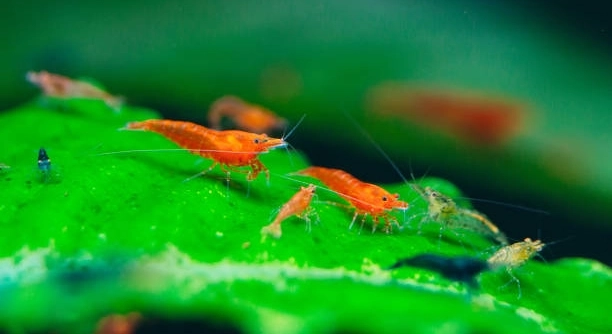
Cherry shrimp are small, colorful freshwater creatures that bring life to aquariums. Watching their delicate movements can be relaxing, and feeding them is an important part of keeping them healthy and active.
Cherry shrimp generally prefer feeding during low-light periods, such as early morning or late evening. Their natural instincts favor dim conditions, allowing them to forage safely while avoiding potential threats from predators or sudden disturbances.
Learning the best feeding times can improve shrimp health and growth, making your aquarium a vibrant and balanced environment.
Understanding Cherry Shrimp Feeding Patterns
Cherry shrimp are most active when their environment is calm and low-lit. In general, they tend to feed during early mornings and evenings, following their natural instincts to avoid predators. Observing your shrimp for several days can help you identify their peak activity times. Some shrimp may show bursts of activity right after the lights dim or turn on, while others prefer longer periods of darkness. Food type also influences feeding behavior. Small flakes, pellets, or blanched vegetables like zucchini or spinach are ideal. Overfeeding should be avoided, as leftover food can lead to water quality issues. Maintaining a consistent feeding schedule helps shrimp develop a routine and reduces stress. Plants and hiding spots in the tank also encourage foraging, as shrimp feel secure in protected spaces. By providing an environment that mimics natural conditions, you can support healthy feeding habits and promote shrimp longevity in your aquarium.
Regular observation is key to understanding your shrimp’s habits and adjusting care accordingly.
Monitoring feeding patterns closely allows you to optimize both diet and tank conditions, ensuring shrimp remain healthy and active.
Optimal Feeding Practices
Providing small, frequent meals works best for cherry shrimp.
Shrimp require a balanced diet that includes plant matter, algae, and specialized shrimp pellets. Introducing food in small portions prevents waste accumulation and keeps water clean. Feeding once or twice daily, timed with their active periods, encourages consumption and reduces stress. Fresh vegetables like zucchini, spinach, or cucumber can supplement their diet and provide essential nutrients. Rotating food types ensures they receive a varied diet. Remove uneaten food after a few hours to prevent water contamination. Observing shrimp during feeding helps determine portion sizes and preferences. Maintaining a stable environment, with consistent temperature and low light, supports regular feeding behavior. Over time, shrimp develop predictable habits, making it easier to maintain a healthy tank. Adequate hiding spaces and gentle water flow also contribute to feeding comfort, allowing shrimp to forage without feeling threatened. By combining proper food, timing, and environment, shrimp can thrive and display vibrant colors and activity levels in the aquarium.
Nighttime Feeding Advantages
Cherry shrimp feel safer feeding during dim light or nighttime. Reduced light lowers stress and allows them to forage naturally.
Feeding at night aligns with their instinctive behavior. During low-light conditions, shrimp are less exposed to perceived threats and can move freely across the tank. They explore plants, substrate, and hiding spots for food without interruption. Providing food at these times ensures they consume it efficiently, reducing waste. Night feeding also minimizes competition with more active tank mates that may dominate during daylight. Monitoring shrimp activity at night can help determine which foods they prefer and how much they consume. This approach helps maintain both water quality and shrimp health over time.
Nighttime feeding also supports natural rhythms. Shrimp become more confident, active, and less stressed when their environment mimics the low-light conditions they instinctively prefer. Adjusting the feeding schedule can improve growth and coloration, encouraging a vibrant, balanced tank ecosystem.
Daytime Feeding Considerations
Daytime feeding works best in well-planted or sheltered aquariums. Shrimp are more cautious in bright light, so hiding spots are essential.
When feeding during the day, it is important to provide food in areas where shrimp feel secure. Dense plants, moss, and small caves give them confidence to forage. Bright light may make some shrimp hesitant, so placing food near shelters increases consumption. Observing shrimp behavior can help adjust portion sizes and placement to ensure all shrimp have access. Avoid overfeeding, as uneaten food can degrade water quality. Certain tank mates may compete for food, so spreading meals across multiple areas ensures even distribution. By managing feeding locations and portioning, daytime feeding can be effective while keeping shrimp stress low.
Daytime feeding also helps maintain visibility of shrimp for observation. You can monitor health, activity, and overall tank conditions while ensuring a consistent diet and safe environment.
Adjusting Feeding Times
Cherry shrimp adapt well to consistent feeding schedules. Timing meals with their activity levels improves consumption.
Observing shrimp behavior helps determine whether daytime or nighttime feeding is more effective. Adjusting the schedule gradually reduces stress and encourages regular foraging habits.
Portion Control and Food Types
Providing the right portion is crucial for shrimp health. Overfeeding can pollute the tank, while underfeeding may stunt growth. Small flakes, pellets, and blanched vegetables work best. Rotating food types ensures balanced nutrition, supporting vibrant colors and active behavior. Consistent portions also help shrimp develop predictable feeding habits, minimizing competition and waste.
Monitoring Water Quality
Regularly check water after feeding. Uneaten food can degrade conditions quickly, so maintaining cleanliness is essential.
FAQ
Do cherry shrimp eat more at night than during the day?
Yes, cherry shrimp tend to eat more during low-light periods. Their natural instincts make them feel safer when foraging in dim conditions. Nighttime feeding usually results in better consumption, especially in tanks with bright lights or active daytime tank mates. Providing food in safe, shaded areas encourages consistent eating habits.
What types of food do cherry shrimp prefer?
Cherry shrimp enjoy a variety of foods, including algae, small shrimp pellets, and blanched vegetables like spinach, zucchini, and cucumber. Offering different types ensures they get balanced nutrition. Occasional protein sources, such as tiny pieces of fish flakes or shrimp-specific foods, can support growth and coloration. Rotating food types prevents dietary monotony and encourages healthy foraging behavior.
How often should I feed cherry shrimp?
Feeding once or twice daily is sufficient. Small, frequent meals are better than one large portion to avoid water pollution. Observing how much shrimp consume in 2–3 hours helps adjust portion size. Uneaten food should be removed to maintain water quality and prevent bacterial growth. Consistent feeding schedules help shrimp develop regular habits.
Can feeding times affect shrimp health?
Yes, feeding at their preferred times supports natural behavior and reduces stress. Shrimp that feel safe while eating are more active, grow better, and display brighter colors. Feeding in bright light or chaotic conditions may cause some shrimp to hide and miss meals, affecting nutrition and overall health. Matching feeding to activity levels is key.
Is it better to feed during the day if I want to watch them eat?
Daytime feeding is possible, especially in well-planted or sheltered tanks. Providing food near plants, moss, or caves allows shrimp to feed without feeling exposed. While they may be slower to approach food in bright light, spreading meals across several locations ensures everyone has access. Daytime feeding can help with observation and tank monitoring.
How do I know if I am overfeeding my shrimp?
Uneaten food accumulating in the tank is the main indicator of overfeeding. Water may become cloudy or show an increase in algae growth. Overfeeding can lead to poor water quality, which stresses shrimp and can reduce their lifespan. Feeding smaller portions and removing leftovers promptly prevents these issues.
Do shrimp need different food types at different times of day?
Not necessarily. The type of food can remain consistent, but the quantity and timing matter more. Shrimp will consume most foods during active periods. Rotating foods over days or weeks ensures balanced nutrition but does not require changing meals specifically between day and night.
How can I encourage shy shrimp to eat?
Placing food near hiding spots or under plants helps shy shrimp feel secure. Reducing sudden movements and keeping light levels lower during feeding can also increase participation. Observing their behavior and adjusting placement gradually encourages hesitant shrimp to come out and feed without stress.
Does tank size affect feeding behavior?
Yes, larger tanks may require food to be spread across multiple areas. Shrimp in bigger tanks may not find food immediately if it’s only placed in one spot. Ensuring coverage throughout the tank prevents competition and ensures all shrimp receive adequate nutrition.
Can feeding schedules improve breeding?
Consistent feeding schedules and proper nutrition support reproductive health. Healthy shrimp with adequate food are more likely to breed successfully. Feeding at times that align with their natural activity helps maintain energy levels needed for mating and molting. Proper diet and timing can positively influence population growth.
How important is removing uneaten food?
It is very important. Uneaten food decomposes and can pollute the water, leading to stress or illness. Regularly removing leftovers keeps the tank clean, maintains water quality, and prevents unwanted bacterial or fungal growth that could harm shrimp.
Should I change feeding habits if I have other fish in the tank?
Yes, presence of fish can affect shrimp feeding. Fish may eat food quickly, leaving less for shrimp. Feeding in multiple areas, using sinking foods, or providing shelters can ensure shrimp get enough nutrition without competition. Timing meals when fish are less active can also help.
Are live foods necessary for cherry shrimp?
Live foods are not necessary but can be a helpful supplement. Algae, biofilm, and prepared shrimp foods usually provide sufficient nutrition. Live foods like micro-worms or daphnia can encourage natural foraging and provide extra protein, especially for breeding adults.
Can stress affect feeding patterns?
Absolutely. Stress from poor water quality, overcrowding, or sudden changes can cause shrimp to hide and reduce feeding. Maintaining a stable environment with proper water parameters, hiding spots, and low disturbances ensures shrimp remain comfortable and eat regularly.
How do I track if shrimp are getting enough food?
Observe shrimp during feeding and note how many actively eat. Healthy shrimp should forage regularly and show vibrant colors. Monitor growth, molting frequency, and overall activity. Adjust portion sizes if some shrimp consistently miss meals or if leftover food remains in the tank.
This FAQ provides practical guidance for feeding cherry shrimp effectively, ensuring their health, activity, and growth are maintained while keeping tank conditions stable and safe.
Cherry shrimp are small, active creatures that bring color and life to an aquarium. Feeding them correctly is one of the most important aspects of keeping them healthy and thriving. Understanding their natural behavior helps provide an environment that suits their needs. These shrimp tend to be more active during low-light periods, which means early morning or late evening feedings often work best. Providing food during these times allows them to forage safely and reduces stress. Observing your shrimp over time makes it easier to determine their preferred feeding schedule, as some may adjust differently depending on tank conditions or the presence of other fish. Keeping a consistent feeding routine encourages shrimp to develop habits that support their overall health and activity.
The type of food offered to cherry shrimp plays a significant role in their well-being. A varied diet ensures they receive all the necessary nutrients for growth, molting, and vibrant coloration. Algae, shrimp-specific pellets, and small amounts of blanched vegetables like zucchini or spinach are excellent choices. Rotating these foods can prevent dietary monotony and support overall health. Portion control is equally important, as overfeeding can lead to water quality problems, while underfeeding can hinder growth and energy levels. Uneaten food should be removed promptly to maintain clean water and prevent stress from deteriorating conditions. Paying attention to both quantity and quality of food ensures that the shrimp remain active, healthy, and able to display their full natural colors.
Environment and care routines are closely connected to feeding success. Providing hiding spots, dense plants, and gentle water flow helps shrimp feel secure while foraging, whether it is during the day or night. Consistency in feeding times and monitoring their activity encourages predictable behavior and reduces stress. A well-maintained tank with stable water parameters supports overall shrimp health, including proper digestion and molting. By carefully observing their habits, adjusting feeding schedules as needed, and maintaining a clean, stable environment, you create ideal conditions for cherry shrimp to thrive. Attentive care results in a vibrant, active tank that showcases the shrimp’s natural behavior and beauty, making their health and well-being easier to manage over time.

Hello,
If you enjoy the content that we create, please consider saying a "Thank You!" by leaving a tip.
Every little bit helps us continue crafting quality advice that supports the health, happiness, and well-being of pets around the world, for pets of all shapes, sizes, and species.
We really appreciate the kindness and support that you show us!