
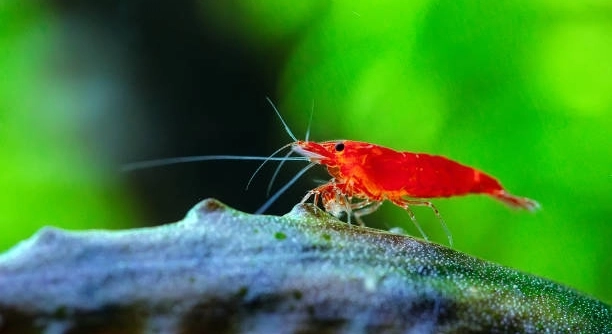
Setting up a shrimp-only aquarium can be both relaxing and rewarding. These tiny creatures bring life and color to your home, but they also need specific care to thrive in a dedicated environment.
Maintaining a successful shrimp-only aquarium requires careful attention to water quality, temperature stability, appropriate filtration, proper diet, adequate hiding spaces, suitable substrate, and regular monitoring. Each factor directly affects shrimp health, growth, and breeding potential, making them essential for a sustainable habitat.
Getting these essentials right ensures your shrimp stay healthy and active, creating a peaceful and vibrant tank you can enjoy every day.
Water Quality and Stability
Shrimp are very sensitive to water conditions, so keeping the water clean and stable is the first priority. Regular testing for pH, ammonia, nitrite, and nitrate is necessary to prevent stress or illness. Sudden changes in water parameters can shock shrimp, sometimes fatally, even if the tank appears fine on the surface. Using a good-quality water conditioner helps remove harmful chemicals like chlorine and chloramines. Maintaining a consistent temperature around 72-78°F ensures shrimp metabolism stays steady, and the tank environment remains comfortable. Filtration plays a critical role, but it should not create strong currents that stress shrimp. Gentle, slow-moving filtration ensures waste is removed while keeping delicate shrimp safe. Partial water changes, done carefully, maintain balance without causing drastic swings in water chemistry. Observing shrimp behavior daily can also indicate subtle water issues. If shrimp start hiding constantly, molting problems appear, or coloration fades, water quality is usually the main factor.
Maintaining steady, clean water helps shrimp live longer, molt successfully, and breed more reliably in your tank.
By keeping water quality stable, you are essentially creating a supportive environment that allows shrimp to behave naturally. Healthy water encourages active swimming, proper feeding, and successful molting cycles. Regular monitoring, combined with small, frequent water changes, prevents toxins from accumulating and keeps pH levels consistent. A stable environment reduces stress, which lowers disease risk. Using gentle filtration and carefully controlling temperature minimizes abrupt changes that can harm delicate shrimp. Over time, these practices build a thriving ecosystem where shrimp can explore, eat, and reproduce without interference. Even tiny improvements, like removing uneaten food or checking for decaying plants, can make a noticeable difference. A balanced aquarium supports microorganisms that provide natural grazing food, adding nutrition without extra effort. With patience and attention, a shrimp-only tank becomes more than just a display; it becomes a living, self-sustaining habitat where shrimp can flourish. Maintaining these habits consistently ensures long-term health, keeps water parameters predictable, and makes the tank easier to manage over time.
Substrate and Hiding Spaces
Shrimp need a soft, nutrient-rich substrate for foraging and plant growth. Fine gravel or sand is ideal.
Providing hiding spaces is crucial to reduce stress and give shrimp security during molting.
A well-chosen substrate not only supports shrimp foraging but also benefits beneficial bacteria that process waste. Mosses, small plants, and driftwood create natural hiding spots where shrimp can retreat safely. These areas are especially important for baby shrimp, which are highly vulnerable to predation or competition. Structures like caves or rock formations mimic natural habitats, offering both shelter and surfaces for biofilm growth, an important supplemental food source. By layering the substrate properly and arranging hiding spots strategically, you create zones that encourage shrimp to explore while staying safe. Regularly checking these areas ensures they remain clean and accessible. Over time, plants will root and driftwood will age, enhancing the habitat and providing more surfaces for grazing. This balance between substrate and hiding spaces contributes to overall shrimp health, stress reduction, and successful breeding. A tank that offers both nutrition and shelter helps shrimp thrive naturally without constant intervention.
Filtration System
A gentle filtration system is essential for keeping water clean without stressing shrimp. Sponge filters are preferred because they provide biological filtration and prevent shrimp from being sucked in.
Sponge filters create a stable environment by hosting beneficial bacteria that break down harmful ammonia and nitrites. They produce minimal current, which is ideal because strong water flow can stress or injure delicate shrimp. Filters should be cleaned regularly, but only with tank water to preserve the bacterial colonies. Proper placement of the filter helps circulate water evenly, avoiding dead spots where debris can accumulate. Combining filtration with careful water changes keeps the tank stable, supporting shrimp health and growth.
Mechanical filtration removes larger debris, while biological filtration maintains water chemistry. By balancing both, you reduce the risk of toxins building up. Choosing the right filter size and type ensures it handles the tank’s volume without overworking. Overfiltration can create turbulence, while underfiltration allows waste to accumulate. Sponge filters are effective because they are easy to maintain and provide surfaces for microorganisms shrimp feed on. They also offer gentle suction and aeration, contributing to oxygenation without harming small shrimp. The result is a clean, stable tank that supports feeding, molting, and breeding naturally.
Feeding and Nutrition
Shrimp require a varied diet of algae, biofilm, and specially formulated shrimp pellets to remain healthy.
Overfeeding can harm water quality, so small amounts spread throughout the day are best.
Providing balanced nutrition is key to supporting growth, coloration, and reproduction. Fresh vegetables like spinach or zucchini can supplement their diet, offering natural fibers and nutrients. Shrimp will graze on biofilm and microorganisms that develop in a mature tank, which helps mimic their natural feeding habits. Avoid foods that decompose quickly and cloud the water, as this can stress shrimp. Rotating between pellets, algae wafers, and vegetables prevents deficiencies and keeps shrimp active and strong. Observation is important: shrimp should eat steadily but leave little waste behind. Healthy feeding routines encourage successful molting cycles and vibrant colors. Keeping food portions small and controlled ensures the tank stays clean, preventing ammonia spikes that can threaten the shrimp population.
Temperature Control
Maintaining a stable temperature is important for shrimp health. Most species thrive between 72°F and 78°F, with small fluctuations causing stress or molting problems.
Heaters with thermostats help keep water consistent. Avoid placing tanks in direct sunlight or near drafts, as sudden changes can harm shrimp.
Tank Plants
Live plants improve water quality and provide grazing surfaces. Mosses, java ferns, and floating plants create natural hiding spots and reduce stress. A planted tank encourages shrimp to explore and feed naturally while stabilizing the environment.
Light Management
Moderate lighting supports plant growth without encouraging excessive algae. Too much light can stress shrimp and disrupt natural behaviors, so keep lighting periods consistent and balanced.
FAQ
How often should I change the water in a shrimp-only aquarium?
Water changes are essential for maintaining a healthy tank. Small, regular changes of about 10-20% weekly work best. This keeps ammonia and nitrate levels low without shocking shrimp. Always use dechlorinated water that matches the tank’s temperature and parameters. Sudden large changes can stress or kill shrimp, especially juveniles.
What is the best diet for freshwater shrimp?
A balanced diet includes specially formulated shrimp pellets, algae wafers, and fresh vegetables like zucchini or spinach. Shrimp also feed on biofilm and microorganisms naturally present in a mature tank. Rotating foods ensures proper nutrition, promotes growth, and encourages molting. Avoid overfeeding, as excess food can pollute the water.
Can I keep different shrimp species together?
Some species are compatible, but research is necessary. Peaceful species like cherry shrimp and crystal red shrimp can coexist. Avoid mixing larger, aggressive species that may prey on smaller shrimp. Observing shrimp behavior is important; if bullying or stress occurs, separating them is recommended to prevent injury or death.
How can I tell if my shrimp are healthy?
Healthy shrimp are active, eat regularly, and display vibrant colors. Molting should occur without complications, and shrimp should not hide constantly. Dull colors, lethargy, or missing limbs indicate stress, poor water quality, or illness. Checking water parameters and observing feeding habits can help identify issues early.
Do shrimp need hiding places in the tank?
Yes, hiding spaces are crucial, especially during molting when shrimp are vulnerable. Plants, moss, rocks, and driftwood provide shelter and surfaces for biofilm growth. Hiding areas reduce stress, encourage natural behavior, and improve survival rates for baby shrimp.
How do I prevent algae overgrowth in a shrimp-only aquarium?
Moderate lighting and controlled feeding are key. Algae naturally appear, but excess can harm water quality and stress shrimp. Using live plants competes with algae for nutrients, and regular maintenance like scraping glass or trimming plants helps control growth. Avoid leaving uneaten food in the tank.
What tank size is ideal for shrimp?
A minimum of 5 gallons is recommended for a small colony, while larger tanks around 10-20 gallons provide more stability. Bigger tanks buffer water parameter fluctuations better and allow more hiding spaces. Space also supports natural behaviors and encourages breeding.
Is it necessary to use a heater in a shrimp tank?
Most freshwater shrimp need stable temperatures, typically 72-78°F. In cooler rooms, a reliable heater with a thermostat is essential. Avoid sudden temperature swings by keeping the tank away from windows or vents. Consistent warmth reduces stress and supports feeding and molting.
Can I keep shrimp with fish?
Small, peaceful fish may coexist, but many fish see shrimp as food. Species like guppies or neon tetras can sometimes work if the shrimp have plenty of hiding spaces. Larger or aggressive fish should be avoided entirely, as they can cause stress, injuries, or death to shrimp.
How do I encourage shrimp to breed?
Stable water conditions, balanced diet, and adequate hiding spaces promote breeding. Female shrimp carry eggs under their tails until they hatch. A planted tank with moss and fine substrate helps baby shrimp survive. Avoid chemicals, sudden water changes, and predators, as these can reduce survival rates and discourage reproduction.
How often should I clean the filter?
Clean filters gently every 2-4 weeks using tank water to preserve beneficial bacteria. Avoid using tap water, as chlorine can kill microbes critical for biological filtration. Proper filter maintenance keeps water clear, removes debris, and supports a healthy tank ecosystem without stressing shrimp.
Why do shrimp die after molting?
Molting is a vulnerable time. Death often occurs from stress, poor water quality, or lack of minerals in the water. Providing calcium-rich food, stable parameters, and hiding spaces helps shrimp molt safely. Observing shrimp during molting can prevent problems and reduce losses.
How can I reduce shrimp stress?
Stress is minimized by stable water parameters, gentle filtration, proper feeding, and hiding places. Avoid overcrowding, sudden temperature changes, and frequent handling. Stress weakens immunity, slows growth, and can lead to disease, so creating a calm, balanced environment is essential.
Are supplements necessary for shrimp?
Mineral supplements can support molting and coloration, especially calcium. Adding supplements designed for shrimp is safer than general aquarium additives. Monitor shrimp response carefully and avoid overuse, as excessive minerals can upset water chemistry and harm the colony.
How do I quarantine new shrimp?
Quarantining new shrimp for 2-3 weeks in a separate tank prevents disease and parasites from entering the main tank. Observe behavior, feeding, and molting. Treat illnesses promptly if detected. Quarantine ensures the main colony remains healthy and prevents mass outbreaks of disease.
This FAQ covers essential care, feeding, breeding, and maintenance practices to support a thriving shrimp-only aquarium. Following these guidelines ensures shrimp remain active, healthy, and reproduce successfully while minimizing stress and water quality issues.
Final Thoughts
Maintaining a shrimp-only aquarium can be a simple yet rewarding experience when the essentials are followed carefully. Clean, stable water is the foundation of a healthy tank. Paying attention to pH, ammonia, nitrites, and nitrates ensures shrimp remain stress-free and healthy. Small, regular water changes help maintain a balanced environment without shocking the shrimp. A gentle filtration system, such as a sponge filter, supports biological filtration while avoiding strong currents that could harm delicate shrimp. Temperature control is equally important, as most freshwater shrimp thrive in a narrow range. Even small fluctuations can affect their behavior, feeding, and molting. By keeping water conditions stable, you create an environment where shrimp can live naturally, grow, and breed successfully.
Equally important is the combination of substrate, plants, and hiding spaces. A soft, nutrient-rich substrate encourages foraging and supports beneficial bacteria that help maintain water quality. Live plants like moss, java ferns, and floating varieties provide natural grazing surfaces and security for shrimp, particularly during molting. Driftwood, rocks, and caves create additional hiding spots that reduce stress and encourage natural behavior. Hiding places are essential for baby shrimp, giving them a better chance to survive. Together, substrate and decorations create a tank that is not only functional but also visually appealing. Attention to these details makes the aquarium a safe and comfortable environment where shrimp can explore, feed, and interact naturally.
Feeding and proper nutrition also play a critical role in shrimp health. A balanced diet of shrimp pellets, algae wafers, fresh vegetables, and biofilm ensures they receive all necessary nutrients. Overfeeding can quickly pollute the water, so small, controlled portions spread throughout the day are best. Regular observation of feeding habits helps identify potential issues, such as stress or illness. Proper nutrition supports growth, vibrant coloration, and successful molting cycles, while also encouraging breeding. By combining clean water, a stable environment, structured hiding spaces, and balanced nutrition, a shrimp-only aquarium can thrive with minimal issues. Consistency and attention to these essentials make shrimp care straightforward, ensuring a lively, active, and healthy colony that is enjoyable to maintain over time.

Hello,
If you enjoy the content that we create, please consider saying a "Thank You!" by leaving a tip.
Every little bit helps us continue crafting quality advice that supports the health, happiness, and well-being of pets around the world, for pets of all shapes, sizes, and species.
We really appreciate the kindness and support that you show us!