
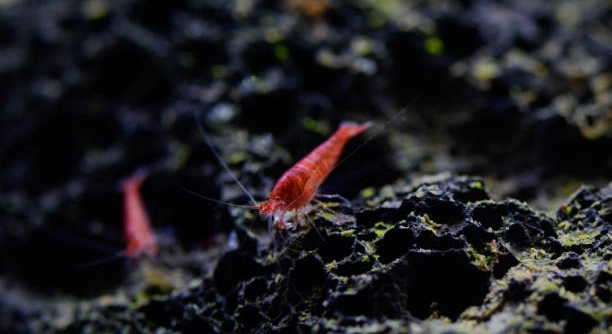
Cherry shrimp are small, colorful creatures that brighten up any freshwater aquarium. They often move in groups, creating lively clusters that catch the eye. Watching them interact can be surprisingly calming and enjoyable for hobbyists.
Cherry shrimp cluster together primarily for safety and social interaction. Grouping reduces the risk of predation and allows individuals to share limited resources efficiently, while also supporting natural behaviors such as breeding and establishing territorial boundaries within their habitat.
Learning about their clustering habits can improve tank care. Observing these patterns helps ensure your shrimp remain healthy and comfortable in their environment.
Reasons Cherry Shrimp Group Together
Cherry shrimp often gather in clusters for a mix of practical and natural reasons. One of the main factors is safety. Being in a group reduces the chance of a single shrimp being targeted by predators. In a tank, clustering provides a sense of security because shrimp can monitor their surroundings together. Social behavior also plays a role. Shrimp interact with each other while feeding or exploring, and staying close allows them to communicate through subtle movements and chemical signals. Environmental conditions can influence clustering as well. Shrimp prefer areas with hiding spots, stable water quality, and ample food. When these ideal conditions are limited, shrimp naturally group together in favorable zones. Temperature, light, and water flow all affect their behavior. Even the smallest changes can cause shrimp to shift locations and cluster more tightly. Observing these patterns can help improve tank setup and overall shrimp comfort, promoting natural behaviors.
Grouping improves shrimp safety and social interaction. Clusters allow easier feeding and provide protection from threats in the tank environment.
Watching their clusters form can teach you a lot about shrimp behavior. Noticing their preferences helps in arranging decorations, plants, and hiding spaces to support their natural clustering instincts.
Environmental Influence on Clustering
Water conditions have a big impact on how cherry shrimp behave. Poor water quality can cause stress, while clean, stable water encourages natural groupings.
Shrimp are sensitive to their environment, including pH, temperature, and flow. When water is balanced, they cluster calmly and interact regularly. They also seek out areas that mimic natural habitats, like dense plant sections or moss-covered surfaces. Limited space can make clusters denser, while larger tanks allow more movement and dispersed groupings. Food availability also affects clustering; shrimp gather where feeding occurs, leading to temporary tight groups. Observing these patterns can reveal if the tank meets their needs. Providing consistent conditions and varied hiding spots reduces stress and supports natural social behavior. Even minor adjustments, like adding a new plant or changing water flow, can change how and where shrimp cluster. By paying attention to these environmental factors, caretakers can create a healthier, more balanced habitat that encourages natural shrimp activity and overall well-being.
Feeding Habits and Clustering
Cherry shrimp tend to cluster around food sources. They are drawn to areas with algae, biofilm, or specially prepared shrimp foods. Clustering ensures that more shrimp have access to resources without constantly competing for distant spots.
Feeding patterns influence how tightly shrimp gather. When food is scattered, clusters may form in multiple spots, but if a concentrated feeding area is used, shrimp will group closely. They also display a natural hierarchy during feeding, with some shrimp exploring while others eat nearby. Clusters can shift as food is consumed, creating dynamic movement. Observing this behavior can help in planning feeding schedules and locations to reduce stress and ensure all shrimp get sufficient nutrition.
Shrimp also cluster during grazing on plants or moss. These areas provide both food and shelter, making them popular spots in the tank. Multiple shrimp can feed together safely while maintaining access to hiding spaces, reflecting natural tendencies to balance nourishment with protection.
Breeding Behavior and Social Clustering
Clustering increases during breeding periods. Female shrimp often attract males, leading to temporary tight groups around hiding spots or plants, which provides safety and access to mates.
Breeding activity is a major reason for social clustering. Males actively follow females, and groups may form around well-hidden areas where females carry eggs. Females also benefit from being near other shrimp, as the presence of a group signals a safe environment for eggs and reduces individual stress. Juvenile shrimp tend to stay in small clusters, which increases survival chances. By observing these patterns, caretakers can adjust tank layout to support safe breeding and ensure all shrimp have space for natural interactions. Maintaining stable conditions during this period is essential, as environmental stress can disrupt social and reproductive behaviors, impacting overall colony health.
Stress and Safety in Clustering
Cherry shrimp cluster more when they feel threatened. Sudden changes in light, movement near the tank, or new tank mates can trigger tighter groupings.
Clustering reduces individual risk. Being in a group allows shrimp to monitor for danger collectively, making them feel safer and more confident to explore nearby areas.
Plant Coverage and Hiding Spots
Shrimp prefer clustering around dense plants and moss. These areas offer both food sources and protection from perceived threats. Dense foliage encourages natural behaviors like grazing, mating, and resting while minimizing stress. Properly arranged plants also allow shrimp to move freely without leaving themselves exposed, which strengthens their overall well-being.
Tank Size and Population
The size of the tank affects how shrimp cluster. Smaller tanks naturally lead to tighter groups, while larger tanks allow them to spread out and form smaller, looser clusters.
Water Parameters and Behavior
Stable water conditions reduce stress and influence clustering. Balanced pH, temperature, and hardness encourage consistent social and feeding behaviors, while sudden changes can lead to erratic movement and tighter clusters as shrimp seek safety.
FAQ
Why do cherry shrimp always stick together?
Cherry shrimp cluster for safety, social interaction, and access to food. Staying in groups reduces the chance of being singled out by predators. Clustering also allows them to share space near preferred hiding spots and feeding areas, which supports natural behaviors and reduces stress.
Is clustering a sign of stress?
Not always. While clustering can indicate stress, it is often a normal social behavior. Shrimp gather around food, breeding spots, or plants naturally. Stress-related clustering usually comes with other signs like hiding excessively, refusing food, or erratic swimming, which helps identify the cause more accurately.
Do cherry shrimp need hiding spots to cluster?
Yes, hiding spots strongly influence clustering. Shrimp feel safer near dense plants, moss, or decorations. These areas provide both shelter and grazing surfaces. Without adequate coverage, shrimp may cluster more tightly in the few available safe zones, which can increase competition and stress.
How does tank size affect clustering?
Tank size directly impacts how shrimp group together. Smaller tanks encourage tight clusters because space is limited. Larger tanks allow shrimp to form smaller, dispersed groups while still maintaining social interaction. Observing clustering patterns can help determine whether tank layout or population adjustments are needed.
Does feeding affect clustering behavior?
Yes. Shrimp often cluster around food sources like algae, biofilm, or prepared shrimp foods. Concentrated feeding areas naturally create temporary tight clusters, while scattered feeding allows shrimp to spread out. Observing feeding behavior helps plan food placement to reduce stress and ensure all shrimp have access.
Do water conditions influence clustering?
Stable water parameters encourage normal clustering, while sudden changes can tighten groups. pH, temperature, and hardness affect shrimp activity and comfort. Maintaining consistent conditions reduces stress, supports natural social interaction, and ensures shrimp continue to cluster in a healthy, predictable way rather than out of fear or discomfort.
Does breeding change clustering patterns?
Yes, breeding increases clustering temporarily. Males follow females closely, and groups may form around hiding spots where females carry eggs. Juvenile shrimp also cluster for safety. Observing these patterns helps in tank arrangement, providing safe spaces for reproduction while maintaining social balance.
Can I reduce clustering if it’s too dense?
Adjusting tank layout, adding more plants, or redistributing food can help. Increasing space or providing more hiding spots encourages shrimp to spread out naturally. Monitoring water quality, population density, and environmental stressors also prevents unnaturally tight clusters.
How do I know if clustering is healthy?
Healthy clustering appears calm and natural. Shrimp move together without frantic activity, feed regularly, and use plants or moss for shelter. Signs of unhealthy clustering include constant hiding, lethargy, or aggression. Observing behavior over time helps determine if environmental adjustments are necessary.
Are some shrimp more social than others?
Individual temperament varies. Some shrimp explore alone while others stay near the group. Social tendencies can be influenced by age, health, and prior experiences in the tank. Recognizing these differences helps in understanding natural clustering and ensuring the group behaves harmoniously.
Does light affect clustering?
Yes, light intensity and timing can change how shrimp cluster. Bright light may encourage hiding and tighter clusters, while dim lighting or shaded areas can promote calm grazing and looser groupings. Providing balanced light cycles helps maintain consistent, healthy clustering behavior.
Do shrimp always cluster in the same spots?
Not always. Clusters shift based on food availability, environmental conditions, and social interactions. Areas with abundant food or dense plants are frequent gathering spots, but clusters can move as shrimp explore, feed, or respond to changes in the tank. Tracking patterns helps improve tank setup.
Can tank mates influence clustering?
Yes, the presence of fish or other animals can affect shrimp behavior. Predatory or active tank mates may cause tighter, more cautious clustering. Peaceful, non-threatening species usually allow shrimp to cluster naturally while exploring and feeding with less stress.
Does temperature affect clustering?
Temperature changes can impact activity and clustering. Shrimp may group tightly when water is cooler or slightly stressed, while moderate, stable temperatures encourage natural movement and looser clusters. Consistent temperature supports overall health and predictable social behavior.
How often should I observe clustering patterns?
Regular observation helps track shrimp behavior and identify stress or environmental issues early. Noticing changes in cluster size, location, or activity can guide adjustments in feeding, water quality, or tank layout to support healthy social interaction and well-being.
What is the ideal cluster size?
There’s no strict number, as cluster size varies with tank size, population, and environment. Healthy clusters usually allow all shrimp to feed, hide, and move comfortably. Observing behavior and ensuring no shrimp are isolated or overcrowded indicates a balanced cluster.
Do juveniles cluster differently than adults?
Yes, juveniles often form smaller, tighter clusters for safety. Adults may cluster more loosely, balancing feeding, hiding, and breeding. Understanding this helps provide suitable spaces for shrimp of all ages and supports healthy growth and social behavior in the tank.
Can I encourage clustering for breeding purposes?
Providing hiding spots, stable water conditions, and accessible food encourages natural clustering that supports breeding. Clusters around safe areas allow males to find females and reduce stress on egg-carrying females, promoting healthy reproduction.
Does clustering change over time?
Yes, clusters shift as shrimp grow, the environment changes, and tank population fluctuates. Monitoring these changes allows adjustments in feeding, layout, and population to maintain healthy, natural social behavior. Clustering is dynamic and reflects the overall well-being of the shrimp.
How do I know if clustering is due to stress or normal behavior?
Healthy clustering is calm and functional, with shrimp feeding and exploring together. Stress-induced clustering shows frantic movement, excessive hiding, or refusal to eat. Observing additional signs like water quality, tank mates, and light changes helps determine the cause and address any issues effectively.
Final Thoughts
Cherry shrimp are fascinating little creatures, and their clustering behavior is one of the most noticeable and interesting traits in a freshwater tank. Clustering is a natural part of their behavior, influenced by factors like safety, social interaction, feeding, and environmental conditions. Observing these clusters can give you insight into how your shrimp are feeling and whether the tank setup is meeting their needs. Shrimp naturally gather around areas that provide food or shelter, and they use these groups to communicate and interact with each other in subtle ways. Even without predators in a tank, these instincts remain strong, and understanding them can help maintain a healthy, balanced environment.
Clusters also reflect the overall health and comfort of your shrimp. If shrimp are forming tight clusters in unusual places or displaying stress-related behaviors like hiding excessively, refusing food, or moving erratically, it is a sign that something in the environment may need attention. Water quality, temperature, and available hiding spots all play a significant role in how shrimp behave. Providing enough space, plants, and moss for them to explore and graze can prevent overcrowding and allow natural behaviors to occur safely. Feeding patterns also affect clustering. Shrimp tend to gather in areas where food is present, and adjusting the feeding method or location can help distribute them more evenly across the tank. By observing how your shrimp interact with both each other and the environment, you can make small changes that improve comfort and reduce stress.
Understanding clustering is not just about observing behavior but also about creating the right habitat for your shrimp to thrive. Each tank and group of shrimp may have slightly different preferences, and paying attention to these details can make a noticeable difference. Encouraging natural clustering can also enhance the visual appeal of your aquarium, as groups of shrimp moving together create a dynamic and lively scene. Consistency in water parameters, appropriate tank mates, and adequate hiding spots all contribute to healthy, happy shrimp. Watching them interact and cluster gives insight into their needs and reinforces the importance of careful, thoughtful tank management. Over time, noticing changes in clustering behavior can signal breeding activity, growth, or stress, allowing timely adjustments to maintain a stable environment. By focusing on these aspects, you can support the well-being of your shrimp while enjoying their natural, social behavior.

Hello,
If you enjoy the content that we create, please consider saying a "Thank You!" by leaving a tip.
Every little bit helps us continue crafting quality advice that supports the health, happiness, and well-being of pets around the world, for pets of all shapes, sizes, and species.
We really appreciate the kindness and support that you show us!