
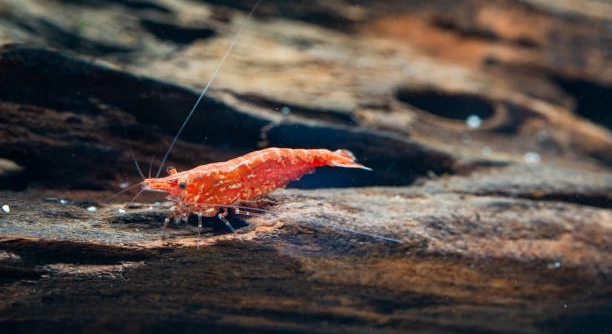
Keeping cherry shrimp can be a relaxing hobby, but maintaining clean water is often a challenge for many aquarists. Clean water is essential for shrimp health, growth, and vibrant colors, making proper care a priority in any tank setup.
Regular water changes, proper filtration, and careful feeding are the most effective ways to keep cherry shrimp water clean. Maintaining stable water parameters and removing debris promptly reduces harmful toxins, ensuring a safe and healthy environment for shrimp populations.
These steps may seem small, but they have a major impact on your shrimp’s well-being. Understanding how to manage water quality can make all the difference in a thriving aquarium.
Regular Water Changes
Performing regular water changes is essential to keeping cherry shrimp healthy. Changing 10-20% of the tank water weekly helps remove excess waste, leftover food, and dissolved chemicals that can build up over time. Fresh water also replenishes minerals and maintains stable water parameters, which shrimp need to thrive. I usually prepare water that has been dechlorinated and adjusted to match the tank’s temperature and pH. Pouring it gently helps avoid disturbing the substrate or stressing the shrimp. Consistent water changes prevent sudden spikes in ammonia or nitrites, which can be deadly. While it might seem tedious at first, it quickly becomes a manageable routine that keeps the tank balanced. Observing clearer water and more active shrimp makes the effort worthwhile. Over time, these small weekly adjustments have a significant impact on long-term tank stability.
Weekly water changes prevent toxins from building up and keep the environment stable for shrimp.
Maintaining a regular schedule of water changes ensures that the tank remains healthy. It also prevents algae from growing too quickly, reduces odor, and minimizes stress on shrimp. Preparing water in advance helps maintain consistency, and small, gentle changes avoid shocking your shrimp. Over time, this simple habit strengthens their immune systems and keeps them vibrant.
Proper Filtration
A good filter keeps the water clear and reduces harmful substances.
Choosing the right filter for a shrimp tank requires balancing water flow and cleaning efficiency. Strong currents can stress or even harm shrimp, so sponge filters are ideal because they provide gentle filtration and surfaces for beneficial bacteria to grow. Regular maintenance, such as rinsing the sponge in tank water, ensures the filter continues to remove debris without harming microbial colonies. Filters also help break down waste into less harmful compounds, supporting a stable environment. By combining filtration with water changes, I find the tank stays much cleaner and requires less constant attention. Proper filtration prevents sudden chemical spikes and keeps shrimp active and healthy. It also helps maintain clarity, making the tank enjoyable to watch. A well-chosen filter can transform a once-murky tank into a vibrant, thriving habitat that supports shrimp reproduction and overall well-being.
Careful Feeding
Overfeeding shrimp quickly pollutes the water. Only provide small amounts they can eat within a few hours.
Feeding too much food leads to excess waste and decaying matter, which raises ammonia and nitrite levels. I usually measure a tiny pinch per day and remove leftovers promptly. This keeps water clean and prevents sudden chemical spikes that can stress shrimp. Shrimp are small and slow eaters, so patience is key. Feeding little at a time encourages them to forage naturally, which also helps maintain the tank’s balance. Observing them nibble slowly gives me a sense of control over their environment and prevents unnecessary water problems. Consistency and moderation make a big difference in long-term tank health.
Shrimp prefer slow feeding, which allows them to consume all food without leaving debris. Maintaining this habit reduces waste and supports a healthier tank ecosystem.
Substrate Maintenance
Debris and leftover food can accumulate in the substrate quickly. Regular cleaning prevents buildup and water contamination.
I gently vacuum the gravel or sand during water changes, focusing on areas where food collects. Stirring too aggressively can disturb shrimp, so I use a slow, careful motion. Removing detritus reduces harmful compounds in the water and helps maintain clarity. Substrate maintenance also prevents algae growth and creates a healthier environment for shrimp to explore and forage. By keeping the substrate clean, I notice shrimp are more active and colors stay vibrant. Even small amounts of decaying material can impact water quality over time, so regular attention is worth the effort.
Maintaining substrate cleanliness supports a balanced tank ecosystem. It prevents waste accumulation and reduces toxins, contributing to shrimp longevity and overall health.
Planting Live Plants
Live plants help absorb excess nutrients and keep water clean. They also provide shelter and surfaces for shrimp to explore.
I prefer fast-growing plants because they reduce nitrates quickly. Plants like Java moss and hornwort are easy to care for and help maintain a stable environment.
Monitoring Water Parameters
Regular testing of ammonia, nitrites, nitrates, and pH ensures shrimp remain in safe conditions. I keep a log of weekly measurements and adjust as needed. Stable water chemistry prevents stress, disease, and sudden die-offs. This routine allows me to respond quickly before small issues turn into serious problems.
Avoid Overcrowding
Too many shrimp increase waste and make water harder to maintain. Maintaining proper stocking levels reduces stress and keeps water parameters stable.
FAQ
How often should I change water for cherry shrimp?
Weekly water changes of 10-20% are usually enough to maintain water quality. I find that small, consistent changes prevent ammonia and nitrite spikes. Preparing water ahead of time with dechlorination and temperature adjustment helps avoid shocking the shrimp.
What type of filter is best for a shrimp tank?
Sponge filters are ideal because they provide gentle water flow and a surface for beneficial bacteria. Strong currents from other filters can stress or injure shrimp. I clean the sponge carefully in tank water during maintenance to keep bacteria alive.
How much should I feed my shrimp?
Feeding small amounts they can consume within a few hours prevents leftover food from decaying. I usually give a tiny pinch once a day and remove any uneaten bits. Shrimp are slow eaters, so overfeeding quickly impacts water quality.
Can live plants really help with water cleanliness?
Yes, live plants absorb excess nutrients like nitrates and provide surfaces for biofilm, which shrimp graze on. I use fast-growing plants such as Java moss or hornwort. They also provide hiding spots, reduce algae growth, and help maintain stable water parameters naturally.
How can I prevent algae from taking over?
Balanced lighting, regular water changes, and avoiding overfeeding are key. I also make sure plants grow well to compete with algae for nutrients. Removing visible algae during cleaning helps, but the main focus is maintaining chemical stability in the tank.
Is water testing necessary for small tanks?
Absolutely. Even in small tanks, ammonia or nitrite spikes can be deadly. I test weekly and record results. Keeping a log helps detect trends early, allowing me to make corrections before water problems harm shrimp.
What is the ideal temperature for cherry shrimp?
Cherry shrimp thrive in 68-78°F (20-26°C). I aim for the lower end in heavily planted tanks to slow algae growth. Sudden temperature changes stress shrimp, so gradual adjustments are important. Stable conditions help them stay active and reproduce successfully.
How many shrimp should I keep in a tank?
Avoid overcrowding to reduce waste buildup and stress. I typically keep 10-15 shrimp per 5 gallons of water. This allows for natural behaviors and makes maintenance manageable. Overstocking often leads to poor water quality and weaker shrimp.
What signs show my water is unsafe?
Cloudiness, foul odor, or dying shrimp indicate a problem. I check ammonia, nitrites, and nitrates immediately if I notice these signs. Acting fast with water changes or adjustments prevents serious health issues.
Can I use tap water directly for shrimp?
No, tap water must be dechlorinated and matched to the tank’s temperature and pH. Chlorine and heavy metals are harmful. I usually prepare water in a separate container, let it reach room temperature, and treat it before adding it gently to the tank.
How do I maintain substrate without stressing shrimp?
I vacuum lightly during water changes, focusing on areas with food buildup. Gentle stirring avoids harming shrimp. Regular substrate maintenance prevents decaying matter and toxins from accumulating, keeping the tank healthier overall.
Are frequent water changes stressful for shrimp?
When done carefully, no. I pour water slowly and match temperature and pH to avoid shocking them. Consistent small changes are far better than infrequent large changes, which can cause stress or sudden chemical shifts.
What else can help keep water stable?
Adding moss, driftwood, or decorations increases surface area for biofilm and bacteria. These help break down waste naturally. I combine these with regular monitoring, water changes, and proper feeding for the cleanest tank possible.
This FAQ provides practical tips that I use personally to keep cherry shrimp water clean and safe, ensuring their activity, health, and color remain vibrant throughout the year.
Keeping cherry shrimp water clean may seem complicated at first, but it really comes down to consistency and attention to detail. Small, regular actions make a big difference over time. Water changes, proper filtration, careful feeding, and substrate maintenance all work together to create a stable environment. When each of these tasks is done correctly, the shrimp remain healthy, active, and colorful. I have noticed that even minor neglect in any of these areas can quickly lead to cloudy water, algae growth, or stressed shrimp. Making these practices part of a routine helps prevent problems before they start and reduces the need for drastic measures later on. Over time, maintaining clean water becomes easier and more natural, allowing the shrimp to thrive.
The health of cherry shrimp is closely tied to water quality. They are sensitive to ammonia, nitrites, and sudden changes in pH or temperature, so keeping these factors under control is essential. Using live plants, monitoring water parameters, and avoiding overcrowding are all strategies that support a stable ecosystem. I find that adding live plants not only helps absorb excess nutrients but also provides surfaces for biofilm, which the shrimp enjoy grazing on. Proper care is not just about cleaning the water; it’s about creating an environment where the shrimp feel safe and can behave naturally. When water quality is maintained consistently, shrimp are more likely to reproduce successfully, and their colors stay bright. Seeing a tank with active, healthy shrimp is rewarding and shows that careful maintenance truly pays off.
Maintaining a clean tank also improves the overall enjoyment of keeping shrimp. Watching them explore, forage, and interact in a clear, well-balanced environment is much more satisfying than dealing with cloudy water or dying shrimp. I have learned that patience and observation are important. Rather than making sudden changes or overfeeding, small adjustments and careful monitoring lead to long-term success. Regular attention to the tank makes it easier to notice potential issues early and correct them before they become serious. Keeping records of water parameters, feeding habits, and shrimp behavior can also help track trends and ensure everything stays on track. In the end, clean water is the foundation for a thriving cherry shrimp tank, and consistent care creates a stable, healthy habitat where shrimp can live comfortably and display their best colors and behaviors.
Word count: 408

Hello,
If you enjoy the content that we create, please consider saying a "Thank You!" by leaving a tip.
Every little bit helps us continue crafting quality advice that supports the health, happiness, and well-being of pets around the world, for pets of all shapes, sizes, and species.
We really appreciate the kindness and support that you show us!