
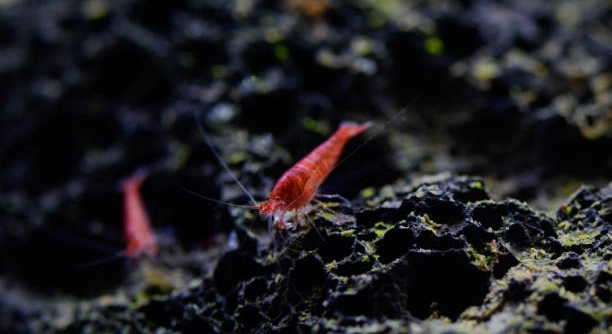
Cherry shrimp are small, colorful creatures that live in freshwater tanks. They move gracefully, yet some of their behaviors seem unusual. Watching them can be both relaxing and puzzling for anyone new to shrimp care.
Cherry shrimp often exhibit behaviors that seem strange but are normal for their species. These include hiding frequently, molting, flicking their antennae, grazing on surfaces, and interacting in ways that help them survive and maintain their health in captivity.
Observing these little movements can reveal a lot about their habits and environment. Paying attention helps ensure your shrimp stay healthy and comfortable in your aquarium.
Hiding in Small Spaces
Cherry shrimp often hide in corners or under decorations. They do this to feel safe and avoid stress. Even in a well-kept tank, they can be shy, especially after new additions or water changes. Hiding is a normal behavior that helps them feel secure. Watching them peek out slowly shows they are adjusting and exploring their environment at their own pace. Providing plants, rocks, or small caves gives them places to retreat. This reduces stress and encourages natural behavior. Over time, they become more comfortable and visible. Observing their hiding habits can also give clues about tank conditions. For example, if they hide excessively, water parameters might need checking. Hiding is not a sign of illness but a way to cope with change. Respecting their need for shelter helps maintain a calm, healthy tank environment.
Hiding helps shrimp feel safe and manage stress, creating a more stable environment for growth and activity.
Regular observation of hiding patterns can reveal changes in behavior. Some shrimp prefer shaded areas, while others explore gradually, balancing safety with curiosity. Proper tank setup encourages natural exploration without forcing them out of hiding. Over time, shrimp adjust to their environment, using hiding spots less frequently. This behavior shows their adaptability and response to care. Keeping water clean and adding safe hiding places supports their overall health. By understanding these habits, owners can improve tank conditions and ensure the shrimp thrive. Watching them interact with hiding spots provides insight into their comfort levels and personality. Some may remain cautious, while others explore more freely, demonstrating how individual behavior varies. Hiding is a simple yet essential behavior that reflects both safety needs and environmental quality, helping shrimp live long, stress-free lives.
Molting and Shedding
Molting is common for cherry shrimp and happens regularly as they grow.
During molting, shrimp shed their old exoskeleton to allow room for growth. The process can leave them vulnerable, so they often hide until the new shell hardens. Proper water conditions and a balanced diet support successful molts. Calcium and minerals are particularly important for developing a strong exoskeleton. Shrimp may eat their shed exoskeleton to reclaim nutrients. Stress, poor water quality, or insufficient food can delay or disrupt molting. Observing molts can provide insight into health and growth rates. Molting is not only a growth process but also a sign of adaptation and survival. Even if it looks strange or concerning, this behavior is entirely normal. By maintaining stable water parameters and providing appropriate nutrition, shrimp will molt regularly and safely. Over time, the frequency and pattern of molts help indicate overall well-being. Careful observation and a supportive environment are key to successful molting cycles. Proper tank maintenance ensures these delicate moments pass without issue.
Grazing Constantly
Cherry shrimp spend a lot of time grazing on surfaces. They eat algae, biofilm, and leftover food, which keeps them busy and helps maintain tank cleanliness. This behavior may seem odd, but it is natural and necessary for their diet and health.
Grazing helps cherry shrimp get the nutrients they need to grow and maintain a strong exoskeleton. They use their tiny claws to scrape surfaces carefully, which can appear repetitive or obsessive. This behavior is more noticeable in tanks with abundant plants and decorations. Shrimp also pick at surfaces to find hidden food particles, making them efficient cleaners. Over time, grazing contributes to the overall balance of the tank ecosystem. Feeding them a varied diet ensures they stay healthy, while still allowing them to forage naturally. Grazing is a fundamental behavior that reflects their instinct to search for nutrition while interacting with their environment.
Even when algae seem scarce, shrimp continue grazing to explore their surroundings and pick up microscopic nutrients. This behavior keeps them active and helps maintain their digestive health. Observing their grazing patterns can reveal changes in appetite or tank conditions. Some shrimp graze more aggressively when stressed or during molting periods. Providing safe, natural surfaces supports their foraging instincts. Grazing also encourages natural movement, reducing boredom and promoting overall vitality. Their constant search for food is a sign of normal, healthy shrimp behavior.
Flicking Antennae
Flicking antennae is a common and constant behavior in cherry shrimp. It helps them sense their surroundings and communicate with other shrimp.
Antennae flicking allows shrimp to detect changes in water currents, chemical signals, and nearby objects. They use this sense to find food, avoid obstacles, and gauge their environment. This behavior is instinctive and vital for survival, especially in tanks with many hiding spots or decorations. The constant motion may look unusual, but it is a necessary sensory activity. Antennae also play a role in social interaction, letting shrimp recognize and maintain distance from others. Observing flicking patterns can provide insight into their health and comfort level. Shrimp with damaged or missing antennae may struggle with navigation, so protecting them during tank maintenance is important.
Flicking antennae is more than movement; it reflects the shrimp’s awareness of everything around them. They adjust to changes in the tank, sense food sources, and communicate subtle cues to others. Antennae are delicate yet essential for navigating tight spaces and interacting with peers. Watching this behavior helps track their activity levels and environmental comfort. Ensuring water quality and gentle tank handling supports proper antennae use. Flicking also indicates curiosity and alertness, showing shrimp are actively engaging with their environment while maintaining balance and safety.
Swimming Upside Down
Cherry shrimp sometimes swim upside down, which can seem strange at first. This usually happens when they are exploring surfaces or reaching for food in tight spots. It is a normal and harmless behavior.
Upside-down swimming allows shrimp to access algae or biofilm under leaves and decorations. They use their legs and tail to stabilize themselves while feeding. This behavior shows their flexibility and adaptability in the tank environment.
Shaking or Vibrating
Shaking or vibrating is another common behavior among cherry shrimp. It often occurs after molting, during feeding, or when adjusting to new surroundings.
This movement helps shrimp remove debris from their bodies and antennae. It also stimulates circulation and aids in sensory perception. Frequent observation ensures this behavior is natural and not caused by stress or poor water quality. Proper care, including regular water changes and a stable tank environment, reduces excessive shaking while allowing normal, healthy movements. Shaking reflects their instinctive ways of staying clean and aware of their environment.
Interacting with Tankmates
Cherry shrimp interact gently with tankmates through nudges or following behaviors. These interactions help establish social boundaries and explore their environment safely.
Cleaning Their Antennae
Shrimp often clean their antennae by rubbing them against surfaces or waving them through water. This behavior keeps their sensory organs functional and accurate.
Why do my cherry shrimp hide so much?
Cherry shrimp hide frequently to feel safe. Hiding is a natural behavior, especially after water changes, adding new tankmates, or during molting. Providing plants, caves, and other shelters helps them feel secure. Over time, they may gradually explore more and become more visible. Excessive hiding can sometimes indicate stress, poor water conditions, or low water temperature, so checking tank parameters is important. Respecting their need for shelter reduces stress and encourages healthy behavior.
Why are my shrimp constantly grazing?
Grazing is a normal and essential activity for cherry shrimp. They feed on algae, biofilm, and leftover food, which provides nutrients like protein, calcium, and trace minerals. Grazing also keeps their digestive system active and helps maintain a clean tank. Even in well-fed tanks, shrimp will continue grazing to search for microscopic nutrients. Providing smooth surfaces, plants, and decorations encourages natural grazing. Observing grazing behavior can give insights into their health and activity levels. Consistent grazing usually indicates that shrimp are healthy and well-adjusted to their environment.
Why do cherry shrimp flick their antennae so often?
Antennae flicking is a vital sensory activity for shrimp. It allows them to detect food, sense water currents, navigate around obstacles, and communicate with other shrimp. The movement may appear constant or strange, but it reflects normal awareness and interaction with their environment. Damaged or missing antennae can affect navigation and feeding, so handle shrimp gently during tank maintenance. Clean water, stable conditions, and safe decorations allow proper antennae use. Watching flicking behavior helps monitor shrimp activity, comfort, and stress levels.
Why do my cherry shrimp swim upside down?
Upside-down swimming is a common behavior and usually happens when shrimp access surfaces below plants, rocks, or decorations. They use their tail and legs to stabilize themselves while feeding. This behavior is harmless and demonstrates their adaptability and flexibility. Ensuring plants and surfaces are clean and safe helps shrimp explore freely. Observing this can be fascinating, as it highlights their natural instincts to forage in tight or hidden areas.
Why do they shake or vibrate randomly?
Shaking or vibrating is often normal, occurring after molting, during feeding, or while adjusting to new surroundings. This behavior helps shrimp remove debris from their bodies and antennae. It also stimulates circulation and sensory perception. Excessive shaking can indicate stress, poor water quality, or parasites. Regular water changes and a stable environment reduce abnormal shaking while supporting natural behaviors. Monitoring their movements helps ensure they remain healthy and comfortable in the tank.
Why do cherry shrimp interact with tankmates?
Shrimp interact subtly with each other through gentle nudges, following, or clustering. These behaviors establish social boundaries, reduce aggression, and help them explore their environment safely. Interactions also allow shrimp to detect food or avoid potential threats. Over time, these small interactions create a balanced social dynamic in the tank. Observing these behaviors can provide insight into tank conditions and shrimp comfort.
Why do they clean their antennae?
Shrimp clean their antennae by rubbing against surfaces or moving them through the water. Antennae are critical sensory organs, helping shrimp detect food, obstacles, and water changes. Keeping them clean ensures accurate sensory input. This is a natural, routine behavior that reflects healthy, attentive shrimp. Observing antennae-cleaning patterns can also indicate whether a shrimp is stressed, molting, or adjusting to a new tank.
Cherry shrimp are small but fascinating creatures. Their behaviors may seem unusual at first, from hiding in corners to grazing constantly or flicking their antennae. Each of these actions serves a purpose, helping them survive, stay healthy, and adapt to their environment. Understanding these behaviors can make keeping shrimp more enjoyable and less stressful. Observing them carefully allows you to see patterns that reflect their well-being, such as activity levels, interactions, and feeding habits. What might look strange is often a normal part of their routine, like upside-down swimming or cleaning their antennae. Over time, recognizing these behaviors helps you respond appropriately if something seems off, such as excessive hiding or unusual shaking. Providing a stable tank, proper nutrition, and safe hiding places encourages natural behavior while supporting their health.
It’s important to remember that cherry shrimp are sensitive to changes in their environment. Even small fluctuations in water quality, temperature, or tank setup can affect how they behave. They rely on instinctive behaviors to navigate these changes, which is why hiding, grazing, and antennae flicking are so common. Molting, for example, is a vulnerable time when they need extra care and a secure place to rest. Watching their behavior during this process can indicate whether the tank conditions are appropriate. Social behaviors, such as gentle nudging or following tankmates, also show how they interact with their environment and each other. By providing a consistent and supportive habitat, you can reduce stress and help shrimp feel safe, which encourages more natural behavior.
Caring for cherry shrimp involves patience and attention to detail. Observing their small, sometimes odd behaviors is part of understanding them better. Each shrimp has its own personality, and their habits reflect both instinct and the environment you provide. By learning what is normal, such as constant grazing or cleaning their antennae, you can ensure they thrive in your care. Creating a tank with proper hiding spots, clean water, and adequate nutrition allows them to live longer and more active lives. The small quirks that once seemed strange begin to make sense and even become enjoyable to watch. Paying attention to these behaviors not only improves their health but also deepens the connection you have with them as living creatures in your care.

Hello,
If you enjoy the content that we create, please consider saying a "Thank You!" by leaving a tip.
Every little bit helps us continue crafting quality advice that supports the health, happiness, and well-being of pets around the world, for pets of all shapes, sizes, and species.
We really appreciate the kindness and support that you show us!