
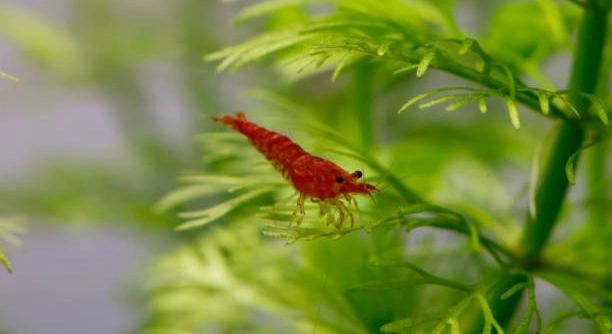
Do you ever notice your cherry shrimp hiding in the corners of the tank or under decorations, leaving you unsure if it is healthy or stressed? Many shrimp owners face this common behavior and wonder about the cause.
Cherry shrimp often hide due to stress, changes in their environment, or natural instincts. Factors such as water quality, tank mates, lighting, and decorations can influence their behavior, causing them to seek shelter for safety and comfort.
Understanding why your shrimp chooses hiding spots can help you create a calmer and healthier habitat, ensuring they feel secure while exploring their environment naturally.
Understanding Hiding Behavior
Cherry shrimp are naturally shy creatures, and hiding is a common behavior, especially when they feel threatened or uncomfortable. Changes in water parameters, sudden movements near the tank, or unfamiliar tank mates can trigger this instinct. When I first added new plants to my tank, I noticed my shrimp retreating to the corners more often than usual. Even small adjustments, like rearranging decorations, can make them cautious for a few days. Providing plenty of hiding spots such as moss, caves, or dense plants helps them feel secure. A stable environment with consistent water temperature and proper filtration reduces stress and encourages normal activity. Observing your shrimp’s routine can reveal patterns in their behavior and help you understand when they are exploring versus when they are hiding out of stress.
Keeping a few shaded areas and shelters in the tank ensures that shrimp have spaces to retreat without fear.
Over time, I realized that the placement of lighting and water flow affected how often my shrimp felt safe to venture out. Bright overhead lights or strong currents can make them retreat to low-traffic areas, especially during the day. Evening activity often increases as they feel more protected under dim light. Tankmates also play a role; faster fish or aggressive species can make shrimp retreat more frequently. Feeding patterns influence hiding too—shrimp may hide until they feel the area is safe before coming out to eat. Consistency in maintenance, gentle water changes, and minimal disturbance can gradually encourage them to explore more freely. By adjusting environmental factors thoughtfully, you can reduce hiding behavior while respecting their natural instincts.
Water Conditions and Comfort
Water quality is critical for shrimp health and confidence. Poor conditions can make them hide constantly.
Stable temperature, pH, and ammonia levels are key to creating a secure environment. Rapid changes can stress shrimp, causing prolonged hiding and reduced activity. Using a reliable water test kit helps monitor these parameters effectively. I learned that even small ammonia spikes made my shrimp disappear under rocks for days. Regular partial water changes and careful introduction of new water can prevent sudden shocks. Maintaining a balanced diet with algae, blanched vegetables, and high-quality shrimp food also contributes to their comfort. Healthy shrimp are more likely to explore and interact with their environment. Ensuring the water mimics natural conditions, with gentle flow and ample plants, helps them feel safe. Even minor adjustments in lighting or decoration placement can significantly improve their confidence.
Once I understood how sensitive my shrimp were to water changes and flow, I noticed a gradual increase in their activity. They started exploring more during the day and used hiding spots less often. The tank became more lively, and I could observe natural behaviors like grazing on plants and interacting with other shrimp. Attention to detail, patience, and gentle handling make a visible difference in their comfort. Regular monitoring and subtle adjustments keep the tank stable, reducing stress and promoting healthy habits. By creating a calm, secure environment, hiding becomes less frequent, and your shrimp can thrive while still having safe spaces to retreat when needed.
Tank Decorations and Hiding Spots
Adding plants, rocks, and caves gives shrimp places to feel safe. Dense foliage and small crevices let them retreat when stressed, reducing anxiety and encouraging exploration once they feel secure.
I noticed my shrimp spent less time hiding after I added moss and small clay pots to the tank. These hiding spots mimic natural environments, making shrimp feel more comfortable. Tall plants provide cover, while low caves give them secure resting areas. Over time, they start exploring open areas but still use shelters when needed. The arrangement of decorations affects how much they hide, so creating multiple options helps them feel safe throughout the tank.
Too few hiding spots can make shrimp stressed and withdrawn. With a variety of structures, they can choose where to rest or explore freely. Placement near feeding areas or gentle currents encourages natural behaviors. My shrimp eventually began venturing into the middle of the tank while still having nearby shelters, balancing safety with activity.
Lighting and Activity Patterns
Bright lights often make shrimp retreat to shaded areas or dense plants. Adjusting lighting can reduce hiding behavior and promote normal activity.
In my experience, soft or dim lighting helps shrimp feel less exposed and more willing to move around. Strong overhead lights caused them to remain hidden most of the day, only coming out during brief periods. Using floating plants or adjusting light intensity created shaded zones, encouraging shrimp to explore gradually. Nighttime behavior also changed, with shrimp becoming more active under low light conditions. Maintaining a consistent day-night cycle allows them to adapt and feel secure.
Observation showed that timing of light exposure influences shrimp confidence. Sudden changes caused retreat, while gentle transitions helped them become accustomed to open areas. Positioning plants, rocks, and moss in well-lit zones balanced safety with visibility, allowing them to forage comfortably. Providing shaded spots near feeding areas and calm water flow also reduced stress. Over time, shrimp began venturing more confidently across the tank, using hiding spots only when necessary. Adjusting light intensity and creating natural shadows made a noticeable difference in their overall activity and comfort level.
Feeding Habits and Hiding
Shrimp often hide when food is scarce or when they feel unsafe while feeding. Providing regular, small meals encourages them to come out and reduces constant hiding.
I noticed that my shrimp began exploring more once I placed food near plants and caves. They felt secure enough to eat without retreating immediately.
Tank Mates
Certain fish or aggressive tank mates make shrimp retreat to safer areas. Keeping peaceful species helps reduce stress and encourages normal activity throughout the day.
Water Flow
Strong currents can make shrimp feel exposed, causing them to hide frequently. Gentle water movement allows them to explore safely without constant retreat.
Observation and Patience
Watching shrimp behavior over time reveals patterns in hiding. Consistency in care and environment builds their confidence gradually.
Why is my cherry shrimp always hiding?
Cherry shrimp hide primarily because of stress, environmental changes, or natural instincts. They are small, vulnerable creatures, and retreating to hiding spots is a survival mechanism. Sudden water changes, aggressive tank mates, or strong currents can make them feel unsafe. In my experience, providing moss, caves, and plants reduced their hiding considerably.
Is hiding a sign of illness?
Hiding alone does not always indicate sickness. However, if your shrimp shows other signs like lethargy, discolored shells, or unusual swimming patterns, illness could be a factor. Observing their overall health alongside behavior helps determine if medical attention or water adjustments are needed.
How can I make my shrimp feel safe?
Adding multiple hiding spots like moss, rocks, and clay pots gives shrimp choices for shelter. Gentle water flow, stable temperature, and consistent lighting also reduce stress. I noticed my shrimp became more active when shaded areas were available, letting them venture out at their own pace.
Do tank mates affect hiding?
Yes. Fast-moving or aggressive fish make shrimp feel threatened, causing them to hide more often. Peaceful species like small snails or non-aggressive fish allow shrimp to explore freely while keeping access to hiding spots. Observing interactions helps you adjust tank mates for a calmer environment.
Does lighting influence shrimp behavior?
Bright, harsh lights make shrimp retreat to shaded areas. Soft or dim lighting encourages exploration. Floating plants and adjusted light intensity create natural shadows that mimic their environment. I found that shrimp were more active during the day once they had shaded zones, using hiding spots only when necessary.
How often should I feed to reduce hiding?
Regular, small meals help shrimp feel safe to leave their hiding spots. Feeding near plants or caves allows them to eat without feeling exposed. Overfeeding can pollute water, while underfeeding encourages prolonged hiding. I gradually adjusted feeding schedules and noticed shrimp emerging more consistently for food.
Can water quality cause hiding?
Poor water quality is a major factor in hiding. Ammonia spikes, pH fluctuations, and temperature swings stress shrimp. Using a test kit to monitor water and performing gentle partial changes prevents sudden shocks. Once I stabilized my tank’s parameters, hiding decreased significantly, and shrimp became more active.
How long do shrimp usually hide?
The duration depends on the shrimp’s comfort and environment. New additions or sudden changes may cause hiding for days. Gradual adjustments, consistent care, and proper hiding spots reduce the time spent out of sight. I observed that my shrimp gradually emerged within a week after rearranging decorations and stabilizing water.
Does hiding affect their growth or molting?
Hiding does not harm growth directly, but stress can interfere with molting. Providing safe areas allows shrimp to molt without disturbance. I always ensured moss or small caves were available, which helped shrimp molt successfully while minimizing exposure to stress or tank mates.
What signs show shrimp are comfortable?
Active grazing on plants, exploring open areas, and minimal retreat indicate comfort. They still use hiding spots occasionally, but movement throughout the tank shows confidence. Once I added moss and gentle lighting, my shrimp exhibited these behaviors consistently, signaling a healthy and secure environment.
Can I reduce hiding without changing the tank setup?
Minor adjustments like lowering lighting, feeding in safe zones, or reducing strong currents can encourage shrimp to explore more. Observing their reaction to subtle changes allows you to increase activity without a complete tank overhaul. Gradually, shrimp learn which areas are safe and become more visible.
Are some shrimp naturally more shy?
Yes, individual personality matters. Some shrimp are naturally cautious and will hide more, even in ideal conditions. Accepting their temperament while providing safe spaces ensures they remain healthy and comfortable. I noticed certain shrimp in my tank were slow to explore, but consistent care kept them thriving.
How do I balance hiding spots and open space?
Providing a mix of dense plants, rocks, and open areas encourages natural behavior. Shrimp can retreat when needed but also feel safe exploring. I arranged my tank to include both types of spaces, allowing shrimp to venture out while having easy access to shelter whenever they felt insecure.
Can stress from handling cause hiding?
Yes. Frequent tank maintenance or touching shrimp can make them retreat. Gentle care, minimal disturbances, and careful water changes reduce stress and encourage normal activity. I learned to perform slow, consistent maintenance, which decreased hiding and improved shrimp confidence.
Do shrimp hide more during certain times of day?
Shrimp tend to be more active under dim lighting and during low activity periods. Bright daylight or sudden movements often make them retreat. I noticed evening activity increased when the tank was calmer, showing natural patterns that can guide feeding and observation times.
Is it normal for shrimp to hide after molting?
Yes. Newly molted shrimp are vulnerable and often hide until their exoskeleton hardens. Providing safe shelters during this time ensures they can recover without stress or risk from other tank mates. In my tank, shrimp consistently used moss and caves after molting for safety.
Does tank size influence hiding?
Smaller tanks with few hiding spots increase stress, while larger tanks with multiple shelters give shrimp options. Even in small tanks, adding plants or rocks can reduce hiding. I noticed shrimp in a well-structured 10-gallon tank used hiding spots less aggressively than in an empty, smaller setup.
Can adding plants alone reduce hiding?
Plants help, but they work best with stable water, gentle flow, and consistent feeding. Moss, dense plants, and floating options provide cover and grazing areas. After adding Java moss and other plants, my shrimp explored more frequently, showing that plants improve confidence when combined with other care factors.
How do I know if hiding is excessive?
If shrimp never leave shelters, refuse food, or appear lethargic, hiding is excessive. This may indicate stress, poor water quality, or aggression from tank mates. Tracking activity, feeding behavior, and water conditions helps identify problems and adjust the environment accordingly.
What is the best way to encourage natural behavior?
A combination of stable water, gentle lighting, multiple hiding spots, peaceful tank mates, and regular feeding encourages natural shrimp behavior. I observed that when these factors were balanced, shrimp hid less, explored more, and displayed healthy grazing, molting, and social patterns.
This FAQ provides guidance on common reasons for hiding and practical ways to help shrimp feel secure and active. By understanding their behavior, you can create a stable, safe environment that supports their well-being.
Word count: 507
Cherry shrimp are naturally shy creatures, and hiding is a normal part of their behavior. When they feel stressed, exposed, or unsure about their surroundings, retreating to a safe spot helps them feel secure. This behavior is often influenced by factors like water quality, tank mates, lighting, and the availability of hiding spots. Observing how your shrimp behave can reveal a lot about their comfort level and overall health. I noticed that in my tank, even minor changes in decoration placement or water flow could make shrimp suddenly retreat, showing how sensitive they are to their environment. Understanding that hiding is a natural instinct can help shrimp owners approach the situation calmly and make adjustments that support their shrimp’s well-being.
Providing a safe and stable environment is essential for reducing excessive hiding. Adding plants, moss, caves, or small decorations gives shrimp options for shelter without limiting their movement. It is important to balance hiding spots with open areas where shrimp can explore and feed comfortably. Consistency in water temperature, pH, and cleanliness also helps them feel secure. I found that once these factors were stabilized in my tank, my shrimp gradually became more active, venturing out during the day while still using shelters when necessary. Feeding routines play a role as well. Small, regular meals placed near their hiding spots encourage shrimp to leave shelter without feeling exposed. Over time, these consistent care practices lead to more natural behaviors and reduced stress.
Patience is key when dealing with hiding shrimp. Some shrimp are naturally more cautious than others, and their comfort will improve gradually as they adapt to their environment. Avoid sudden changes, rough handling, or aggressive tank mates, as these can increase stress and prolong hiding. Monitoring their behavior, making thoughtful adjustments, and providing secure hiding options allows them to feel safe while exploring the tank. I noticed that giving shrimp the time and space to adjust made a significant difference in their activity levels and overall health. Over time, they learned which areas were safe and became more confident in venturing out, feeding, and interacting with their surroundings. Understanding their needs and respecting their instincts ensures that cherry shrimp can thrive in a balanced, comfortable, and stress-free environment.
Word count: 408

Hello,
If you enjoy the content that we create, please consider saying a "Thank You!" by leaving a tip.
Every little bit helps us continue crafting quality advice that supports the health, happiness, and well-being of pets around the world, for pets of all shapes, sizes, and species.
We really appreciate the kindness and support that you show us!