
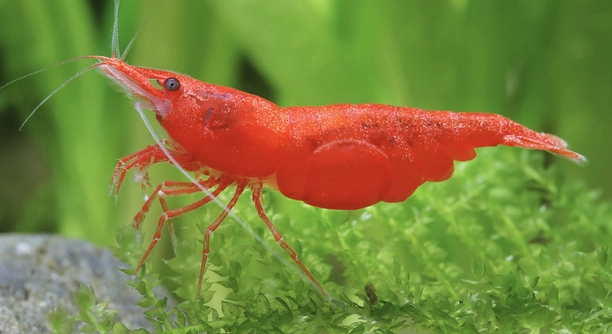
Cherry shrimp are small, colorful freshwater shrimp that brighten up aquariums. Observing them can be calming, but many keepers notice they behave differently throughout the day and night. Understanding their patterns helps create a better habitat.
Cherry shrimp are primarily crepuscular, showing the most activity during dawn and dusk periods. They may move and feed lightly at night, but their behavior is not fully nocturnal. Environmental lighting and tank conditions influence their activity patterns.
Knowing when cherry shrimp are active can help with feeding and tank care. Observing their routines allows you to provide a more comfortable and natural environment.
Understanding Cherry Shrimp Behavior
Cherry shrimp often follow natural patterns that help them feel safe and feed efficiently. They tend to hide among plants, rocks, and decorations during bright daylight to avoid stress. At dawn and dusk, they emerge to graze on algae, biofilm, and leftover food. Their movements are subtle, sometimes hard to notice unless you watch closely. Observing their activity can show signs of health or stress, such as missing coloration or reduced movement. Factors like water temperature, pH, and tank mates influence how active they are. Shrimp tend to be more visible in planted tanks with plenty of hiding spots. Lighting cycles also play a big role; too bright can make them retreat, while dimmer periods encourage foraging. Keeping their environment stable promotes natural behavior. Over time, you can see patterns forming, letting you plan feeding and tank cleaning around their active hours. Even small changes in the tank can alter their routine.
Cherry shrimp activity is strongest in low-light periods, showing a crepuscular pattern rather than full nocturnal behavior.
Regular observation helps understand individual shrimp habits. Watching their feeding and movement can prevent problems and improve tank management. It also helps you notice any illness or molting issues quickly. Being attentive to these patterns ensures they remain healthy and active.
Factors That Influence Nighttime Activity
Lighting and tank setup are major factors affecting shrimp activity. Low light encourages movement, while strong lighting keeps them hidden.
Water quality, temperature, and tank mates all impact when cherry shrimp are active. They prefer stable temperatures and clean water. Predatory or larger fish in the tank can limit their movement, making them more cautious at night. Dense plants and hiding areas allow them to feel safe, so they may explore more during low-light periods. Feeding schedule also matters; shrimp tend to forage when food is available, often during quieter times. Even slight changes in the tank, like a new decoration or water change, can alter their routine temporarily. By monitoring these factors and adjusting lighting and feeding accordingly, shrimp show more natural behavior. Consistency helps reduce stress and supports molting, reproduction, and overall activity. Understanding these environmental influences allows caretakers to optimize tank conditions, creating a comfortable, predictable habitat that encourages regular activity patterns for cherry shrimp, day and night.
Feeding Patterns at Night
Cherry shrimp often nibble lightly during the night when the tank is quiet. They tend to forage slowly, focusing on algae, biofilm, and leftover food. Nighttime feeding is less intense than daytime grazing but still contributes to their overall diet.
Shrimp are opportunistic feeders, taking advantage of available food at all hours. At night, they move cautiously, exploring plants and substrate for tiny particles. This slower, careful approach reduces stress from potential predators or sudden movements. Providing small amounts of food in the evening supports this natural habit, encouraging activity without overfeeding. Observation during these hours can show which shrimp are healthy and actively feeding. Feeding consistency helps maintain water quality while allowing shrimp to thrive, reinforcing their crepuscular tendencies.
Some shrimp prefer grazing during dim light or moonlight simulation, which mimics natural conditions. Nighttime feeding helps maintain balanced nutrition and promotes healthier molting cycles. Over time, shrimp may adjust their activity patterns depending on tank conditions and available food sources. Consistently offering accessible food during low-light periods ensures shrimp remain active and nourished, reducing the risk of nutritional deficiencies. Monitoring their response to nighttime feeding helps refine tank care and supports overall well-being.
Tank Environment and Night Activity
Dense plants, rocks, and hiding spaces increase nighttime movement. Shrimp feel secure in these areas, encouraging exploration and grazing without stress.
Tank setup influences how often shrimp are active at night. Hiding spots, substrate type, and plant density all play a role. Open tanks or sparse decorations can make shrimp feel exposed, leading them to stay hidden even during low-light periods. Water conditions such as temperature stability and clean filtration also support consistent nighttime activity. Shrimp are sensitive to sudden changes; rearranging plants or decorations can temporarily reduce movement. Proper lighting cycles, with gradual dimming in the evening, simulate natural conditions and encourage foraging. Observing shrimp behavior relative to their environment helps identify stress triggers and optimize tank layout. A well-structured tank balances visibility and security, promoting healthier activity patterns.
Light Sensitivity
Cherry shrimp are sensitive to bright light and often retreat when lights are strong. Low or dim lighting encourages more movement and natural grazing behavior.
Moonlight or subdued lighting at night allows shrimp to forage safely. Gradual light changes reduce stress and promote consistent activity patterns.
Molting and Night Activity
Molting usually occurs during low activity periods, often at night or in dim light. Shrimp become vulnerable while shedding their exoskeleton, so they hide among plants or decorations. Nighttime offers a safer environment for molting without disturbance. Providing hiding spaces supports successful molts and reduces stress-related mortality.
Observing Shrimp Without Stress
Avoid sudden movements or tapping on the tank. Calm observation encourages natural behavior and prevents hiding.
Are cherry shrimp fully nocturnal?
Cherry shrimp are not fully nocturnal. Their activity peaks during dawn and dusk, making them crepuscular. While they may move and feed lightly at night, their main foraging occurs in low-light periods, not complete darkness. Observing them at night will often show minimal movement compared to early morning or late evening. Their behavior is influenced by light levels, tank setup, and water quality, so creating a stable, dim environment helps them follow natural routines without stress.
Why do cherry shrimp hide during the day?
Hiding during the day is normal for cherry shrimp. Strong lighting, potential predators, or open tank spaces make them feel exposed. Plants, rocks, and decorations give them security and reduce stress. Daytime hiding helps conserve energy and protects them while they are more vulnerable to disturbances. Shrimp tend to emerge gradually when lighting is softer, feeding and grazing in safer areas. Providing plenty of hiding spots ensures they remain healthy, active, and confident in exploring the tank.
Do cherry shrimp eat at night?
Cherry shrimp do eat at night, but their feeding is usually slower and less frequent. Nighttime activity often focuses on grazing algae, biofilm, and leftover food. Offering small portions in the evening encourages natural foraging behavior without overfeeding. Moonlight or dim lighting helps shrimp move and feed safely, mimicking conditions they would experience in nature. Regular observation during these periods helps ensure all shrimp are eating and healthy. Nighttime feeding complements daytime grazing, supporting proper nutrition and growth.
How does tank lighting affect nighttime activity?
Lighting has a major impact on shrimp activity. Bright lights during the day make them retreat, while low or dim lighting encourages exploration and grazing. Gradual transitions between bright and dim periods reduce stress and mimic natural dawn and dusk cycles. Using subdued lighting or moonlight simulation at night allows shrimp to forage safely. Lighting intensity also interacts with plant coverage and tank decor, affecting how visible or comfortable shrimp feel. Maintaining predictable lighting cycles promotes consistent behavior and overall health.
Can water quality influence night activity?
Yes, water quality directly affects nighttime behavior. Stable temperature, clean water, and proper filtration create a safe environment, encouraging movement during low-light periods. Poor water conditions, sudden temperature changes, or chemical imbalances can make shrimp hide more and reduce feeding. Monitoring parameters like ammonia, nitrite, and pH helps ensure shrimp remain active and healthy. Clean water supports natural patterns, reduces stress, and encourages regular molting. Observing nighttime behavior can act as an early indicator of water quality issues, helping prevent serious problems before they escalate.
Do cherry shrimp need hiding spots for night activity?
Hiding spots are essential for safe nighttime activity. Dense plants, rocks, and decorations give shrimp areas to retreat while molting or foraging at night. Without secure spaces, shrimp may hide excessively or stop moving altogether. Providing multiple hiding areas allows them to feel safe, reduces stress, and encourages more natural behavior. Nighttime foraging is more consistent when shrimp have accessible shelter, making it easier to monitor health, feeding, and activity patterns.
How often should I observe cherry shrimp at night?
Observing shrimp occasionally at night is helpful for monitoring health, molting, and feeding behavior. Avoid constant disturbance, as sudden movements can stress them. Short, calm observations during low-light periods give insight into activity patterns, showing which shrimp are eating and how they move in the tank. Tracking their behavior over several nights helps identify changes caused by water quality, lighting, or tank setup. Controlled, gentle observation ensures shrimp remain confident and comfortable while allowing caretakers to provide better care.
Does feeding schedule affect nighttime activity?
Feeding schedule influences nighttime movement. Shrimp often become more active around feeding times, especially in low-light conditions. Evening or late-day feedings can stimulate natural foraging behavior, while irregular feeding may cause reduced activity or stress. Offering small, consistent portions supports healthy growth and prevents overfeeding. Nighttime activity patterns often shift slightly depending on when food is available, so observing how shrimp respond can help optimize feeding times and maintain consistent behavior throughout the day and night.
What is the best environment for nocturnal activity?
The ideal environment includes dim lighting, stable water conditions, and plenty of hiding spots. Moonlight simulation or subdued lamps encourage movement without stress. Plants, rocks, and decorations provide security for molting and foraging. Stable temperature, clean water, and proper filtration support consistent nighttime behavior. A well-structured tank allows shrimp to follow natural crepuscular activity, foraging safely during low-light periods, while minimizing stress and promoting health. Observing shrimp under these conditions helps identify problems early and supports long-term care.
How do tank mates affect night activity?
Tank mates can influence how active cherry shrimp are at night. Larger or predatory fish may make shrimp retreat into hiding, reducing nighttime movement. Peaceful, small species allow more natural behavior, including nighttime grazing. Dense plants and decor can provide safety, allowing shrimp to move without constant stress. Choosing compatible tank mates is essential for maintaining consistent nocturnal or low-light activity. Observing interactions helps identify any stress sources and ensures shrimp can forage and molting safely.
Cherry shrimp are fascinating little creatures that bring life and color to a tank. Their behavior can seem mysterious at first, especially when you notice them hiding during the day and moving quietly at dawn or dusk. Understanding their patterns helps you provide a more comfortable environment. These shrimp are naturally crepuscular, meaning they are most active during low-light periods rather than fully at night or during the bright day. Observing them over time allows you to see individual habits, like how some shrimp prefer staying near plants while others explore open areas. Their activity is influenced by factors such as tank lighting, water quality, and the presence of tank mates. A well-set-up tank encourages natural behavior, reduces stress, and keeps them healthy. By giving them enough hiding spots and keeping environmental conditions stable, you create a habitat that supports regular feeding, foraging, and molting patterns. Even small changes in their surroundings can temporarily alter behavior, so attention to detail is important for maintaining their comfort.
Feeding is a key part of understanding shrimp activity. Cherry shrimp will graze lightly at night or in dim light, and offering small portions during these times can encourage natural foraging. Overfeeding, however, can negatively affect water quality and reduce the shrimp’s need to move, so balance is important. Watching them feed helps identify healthy individuals and detect any issues early, such as molting difficulties or disease. Their movements are subtle, so patience is needed to notice when they are active. Maintaining consistent feeding routines along with proper tank maintenance helps shrimp stay active and reduces stress. Water conditions, like stable temperature, clean filtration, and proper pH, play a strong role in encouraging nighttime and low-light activity. Tank setup is equally important: plants, rocks, and other decorations provide both protection and exploration opportunities, allowing shrimp to forage and molt without feeling threatened. Observing their habits over weeks or months gives insight into their preferences and helps you adjust the tank to their needs.
Cherry shrimp behavior reflects both instinct and environmental influences. They are naturally cautious and will hide when they feel exposed, but in a well-prepared tank, they show curiosity and regular activity during low-light periods. Nighttime movement may be slower than daytime grazing, but it still contributes to their feeding and overall health. Providing secure spaces, maintaining stable water conditions, and offering appropriate food allows them to thrive while following their natural rhythms. Over time, watching shrimp become a quiet, enjoyable part of tank care, revealing patterns that might not be obvious at first glance. Their small size and delicate nature require careful attention, but the reward is a vibrant, active aquarium. By focusing on lighting, tank structure, and feeding routines, you support their natural behaviors and long-term well-being. Caring for cherry shrimp involves observing, adjusting, and maintaining balance, resulting in a healthy, lively tank where they can thrive according to their instincts and comfort.

Hello,
If you enjoy the content that we create, please consider saying a "Thank You!" by leaving a tip.
Every little bit helps us continue crafting quality advice that supports the health, happiness, and well-being of pets around the world, for pets of all shapes, sizes, and species.
We really appreciate the kindness and support that you show us!