
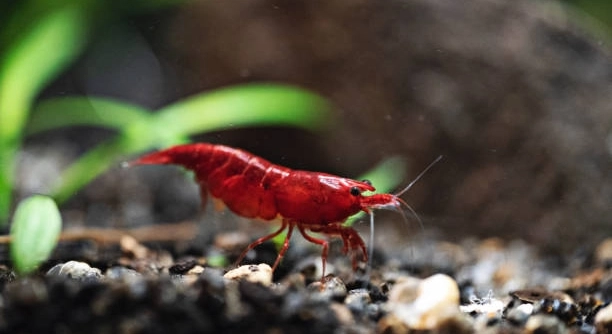
Cherry shrimp are tiny, colorful creatures that add life to home aquariums. Many shrimp keepers enjoy watching their delicate movements and vibrant colors, often pairing them with lush plants to create a natural, inviting environment.
Cherry shrimp can survive without live plants, but their health and comfort are better supported in planted tanks. Plants provide shelter, natural grazing surfaces, and help maintain water quality, making shrimp more resilient and reducing stress in the aquarium environment.
Providing an overview of tank setups and care strategies will help ensure your shrimp thrive, whether you choose a fully planted or minimalistic environment.
Why Plants Matter for Cherry Shrimp
Plants offer more than just decoration in a shrimp tank. They provide hiding spots where shrimp can feel safe from potential stressors, especially during molting. Mosses, ferns, and floating plants give surfaces for biofilm growth, which shrimp naturally feed on. Without plants, shrimp may have less access to natural food sources, forcing owners to supplement with commercial alternatives. Plants also help stabilize water parameters by absorbing nitrates and producing oxygen during the day. A planted tank reduces sudden fluctuations in pH and other chemical levels, which can be harmful to delicate shrimp. Even hardy cherry shrimp show more vibrant colors and display more natural behavior when plants are present. Observing shrimp among greenery also makes it easier to monitor health and activity, as they are less exposed to stress from open spaces. Overall, plants contribute to both nutrition and safety, improving shrimp longevity.
Shrimp can survive in a bare tank, but growth and comfort are limited without plants.
Adding moss or floating plants in a plant-free setup can partially replace natural grazing and shelter, helping shrimp feel more secure and maintain healthier behavior patterns.
Adapting a Tank Without Plants
Cherry shrimp are adaptable and can live in tanks without live plants if other conditions are met.
In a plant-free environment, it is essential to provide hiding spaces such as rocks, driftwood, or artificial decorations. Shrimp will use these structures to feel secure while molting. Feeding must be adjusted to include biofilm supplements, blanched vegetables, and occasional algae wafers to ensure they receive proper nutrition. Tank maintenance becomes even more critical, as plants normally help filter water and reduce harmful toxins. Regular water changes, careful monitoring of ammonia, nitrite, and nitrate levels, and stable temperature and pH are vital. Even without plants, a bare tank can thrive if enriched with hiding spots and a balanced feeding routine. Observing shrimp behavior can indicate whether their environment meets their needs. With proper care, they remain active, colorful, and healthy despite the lack of greenery.
Feeding Cherry Shrimp Without Plants
Cherry shrimp require constant access to food sources. Without plants, they rely heavily on supplemental feeding to maintain health. Blanched vegetables, algae wafers, and commercial shrimp foods become essential to replace the natural biofilm found on plants.
Regular feeding ensures shrimp receive proper nutrients for growth, molting, and vibrant coloration. Without live plants, biofilm production in the tank is limited, so owners must provide a mix of vegetables like zucchini or spinach, as well as specialized shrimp pellets. Rotating food types prevents deficiencies and encourages natural foraging behaviors, keeping shrimp active and healthy.
Observation is important in plant-free tanks. Shrimp may compete for limited food, so portion control is crucial. Uneaten food should be removed to prevent water quality issues. Supplementing with powdered or liquid biofilm additives can enhance nutrition. Maintaining feeding consistency helps shrimp thrive, even without the natural grazing surfaces plants provide.
Tank Maintenance Without Plants
Bare tanks require closer monitoring of water quality to prevent stress or disease. Cherry shrimp are sensitive to sudden changes in ammonia, nitrite, and nitrate levels, making routine checks essential.
Regular water changes and filtration are vital to maintain stable conditions. Without plants to absorb nitrates, buildup occurs faster, requiring more frequent partial water replacements. Cleaning substrate and decorations prevents detritus accumulation, which could harm shrimp. Monitoring temperature and pH is also critical, as fluctuations can stress shrimp, reduce molting success, and affect coloration. Proper care keeps the tank safe and encourages shrimp activity and breeding.
In plant-free tanks, supplementing with biofilm additives and ensuring high-quality water supports shrimp health. Observing shrimp behavior and color is a reliable indicator of environmental stability. Consistent maintenance routines allow shrimp to live longer and display natural behaviors, even without plants. Artificial decorations and hiding spots compensate for the lack of natural shelter while maintaining overall well-being in the aquarium.
Alternative Hiding Spots
Rocks, driftwood, and artificial caves provide essential shelter in plant-free tanks. Cherry shrimp use these spaces to feel secure, especially during molting when they are vulnerable.
Hiding spots reduce stress and encourage natural behavior. Even small decorations can create multiple zones for shrimp to explore and rest safely, supporting their overall health and activity.
Using Moss and Floating Plants
Moss and floating plants offer surfaces for biofilm growth while occupying minimal space. They provide partial cover and feeding opportunities without fully planting the tank. This helps shrimp feel more comfortable and supplement their diet naturally.
Monitoring Shrimp Behavior
Observing shrimp daily reveals their comfort level. Active, colorful shrimp indicate a well-maintained, plant-free environment.
FAQ
Can cherry shrimp survive without live plants?
Yes, cherry shrimp can survive without live plants if the tank environment is properly maintained. They need stable water parameters, hiding spots like rocks or driftwood, and a consistent feeding routine to replace natural biofilm and grazing surfaces that plants normally provide.
What should I feed cherry shrimp in a plant-free tank?
In the absence of plants, cherry shrimp require supplemental foods such as blanched vegetables, algae wafers, and specialized shrimp pellets. Rotating food types ensures they get a balanced diet. Biofilm supplements or powdered additives can help provide nutrients they would normally obtain from plants.
Do cherry shrimp need hiding spots without plants?
Yes, hiding spots are essential for their safety and stress reduction. Molting shrimp are particularly vulnerable, so providing rocks, caves, or artificial decorations allows them to hide and feel secure, which is critical for survival and healthy behavior.
How often should I change water in a bare tank?
Water changes should be more frequent than in planted tanks because plants naturally help absorb nitrates and stabilize water chemistry. Weekly partial water changes of 20–30% are recommended, along with regular monitoring of ammonia, nitrite, and nitrate levels to prevent toxicity.
Can cherry shrimp breed without plants?
Breeding is possible, but survival rates of juveniles may be lower. Plants usually provide cover for baby shrimp. In plant-free tanks, ensure plenty of hiding spots and stable water conditions to improve juvenile survival and reduce predation risk from older shrimp.
Do cherry shrimp get stressed in a bare tank?
They can experience stress without adequate shelter and proper food. Stress may lead to molting problems, color fading, and reduced activity. Providing hiding places, stable water, and a consistent feeding routine helps minimize stress and supports overall health.
Are moss and floating plants necessary in a plant-free tank?
Moss and floating plants are not strictly necessary, but they offer benefits. They provide surfaces for biofilm, partial cover, and feeding opportunities, which mimic some of the advantages of fully planted tanks. Even minimal plant coverage improves shrimp comfort and natural behavior.
Can cherry shrimp live long without plants?
Yes, with proper care, they can live full lifespans. The key factors include stable water parameters, adequate nutrition, regular maintenance, and artificial shelters. Plants enhance health and comfort but are not strictly required if these conditions are met.
How do I know if my shrimp are thriving without plants?
Healthy shrimp are active, display bright colors, and molt regularly without complications. They should explore the tank, feed consistently, and interact naturally. Behavioral changes, hiding constantly, or color loss indicate stress or environmental issues that need attention.
Is water quality harder to maintain without plants?
Yes, plants naturally help filter toxins and absorb nitrates. In a bare tank, water quality relies entirely on filtration, regular changes, and careful monitoring. Maintaining consistent temperature, pH, and chemical levels is essential to prevent stress and disease.
Can I mix live plants and bare areas for cherry shrimp?
Yes, a hybrid setup works well. Partial plant coverage offers natural grazing and shelter while leaving open swimming areas. This balance can satisfy shrimp needs while allowing more flexibility in tank decoration and feeding management.
What tank size works best without plants?
Even in plant-free setups, a minimum of 5–10 gallons is recommended for a small colony. Larger tanks provide more stable water parameters, more room for hiding spots, and reduce stress from overcrowding, especially when shrimp breed.
How do I prevent algae overgrowth in a plant-free tank?
Without plants competing for nutrients, algae can grow more easily. Controlling light duration, avoiding overfeeding, and regular cleaning of decorations and substrate helps prevent algae buildup while keeping water quality high.
Do cherry shrimp need special lighting without plants?
Lighting is not critical for survival but can influence algae growth and shrimp behavior. Moderate lighting helps shrimp maintain a natural day-night cycle and supports minimal algae or biofilm growth, which can supplement their diet.
Can cherry shrimp live with fish in a plant-free tank?
Yes, but tank mates must be carefully chosen. Small, non-aggressive fish that do not prey on shrimp work best. Hiding spots remain crucial, as baby and molting shrimp are vulnerable without plants to provide natural cover.
How do I clean a bare shrimp tank safely?
Use gentle siphoning and avoid disturbing shrimp excessively. Clean decorations, substrate, and filter regularly. Remove uneaten food promptly to prevent spikes in ammonia and nitrites. Consistent maintenance is key to keeping shrimp healthy without plants.
Are there any benefits to keeping shrimp without plants?
Bare tanks can be easier to clean and allow unobstructed observation of shrimp behavior. They also reduce the risk of plant-related pests or decay. However, careful attention to feeding, water quality, and shelter is essential to compensate for the lack of natural plant benefits.
Can shrimp survive long-term without plants?
Yes, with consistent care. Stable water parameters, supplemental feeding, hiding spots, and regular maintenance allow shrimp to live full, healthy lives. Plants improve comfort and nutrition but are not strictly necessary if environmental needs are met.
How do I encourage biofilm growth in a plant-free tank?
Introduce surfaces like rocks, driftwood, or moss pads. Light exposure and occasional organic matter, like blanched vegetables, promote biofilm formation. This provides a natural food source that partially replaces what plants normally offer.
What is the biggest challenge in a plant-free shrimp tank?
Maintaining stable water quality and providing sufficient shelter and nutrition are the main challenges. Without plants, these responsibilities fall entirely on the owner. Consistent monitoring, careful feeding, and structured tank setup are critical for shrimp survival and well-being.
Can I breed multiple shrimp species in a bare tank?
Yes, but compatibility must be considered. Different species may compete for food or hide differently. Providing ample hiding spots and monitoring behavior ensures all species coexist successfully without the shelter plants typically provide.
How often should I feed shrimp in a bare tank?
Feed small amounts once or twice daily, removing uneaten food to avoid water quality issues. Rotating foods and supplements ensures balanced nutrition, replicating the grazing opportunities they would normally find on plants.
Are there alternatives to live plants for nutrition?
Yes, blanched vegetables, algae wafers, specialized shrimp pellets, powdered biofilm supplements, and dried leaf litter can all provide nutrients, feeding surfaces, and natural foraging opportunities in the absence of live plants.
What is the best substrate for plant-free shrimp tanks?
Fine gravel, sand, or inert substrates work best. They allow for natural foraging and prevent food buildup. Avoid substrates that alter pH or release chemicals that could harm shrimp in the absence of plants to buffer water chemistry.
How do I monitor shrimp health without plants?
Watch for activity levels, color vibrancy, successful molting, and feeding behavior. Frequent observation can reveal early signs of stress, illness, or nutritional deficiencies, allowing for timely intervention before problems escalate.
Can artificial decorations fully replace plants?
Artificial decorations provide hiding spots and surfaces for biofilm, but they do not improve water quality or oxygen levels. Regular maintenance, proper filtration, and supplemental nutrition are still necessary to support shrimp in a plant-free environment.
Do shrimp require oxygenation in plant-free tanks?
Yes, because plants normally release oxygen during the day. Using an air stone or efficient filtration ensures adequate oxygen levels, supporting respiration and overall health in the absence of live plants.
What signs indicate stress in plant-free shrimp tanks?
Faded colors, lethargy, failed molts, or excessive hiding are signs of stress. These indicate water quality issues, insufficient food, or lack of proper shelter, and corrective measures should be taken promptly to maintain shrimp health.
Can bare tanks be visually appealing?
Yes, careful arrangement of rocks, driftwood, and decorations can create attractive setups. The clarity allows for unobstructed viewing of shrimp behavior, giving a clean, minimalist look while still meeting their biological needs.
How important is tank stability without plants?
Extremely important. Plants naturally buffer fluctuations, so in a bare tank, temperature, pH, and chemical levels must be closely monitored. Consistent conditions reduce stress, support molting, and help shrimp display natural colors and behaviors.
Are there advantages to using floating plants only?
Floating plants offer partial coverage, biofilm growth, and some nutrition without fully planting the tank. They balance the benefits of live plants with the simplicity of a mostly bare tank, improving shrimp comfort and feeding opportunities.
How can I prevent overfeeding in a plant-free setup?
Feed small portions and remove uneaten food after a few hours. Excess food can decay quickly, increasing ammonia and nitrate levels, which can harm shrimp. Careful portion control keeps water clean and shrimp healthy.
Do shrimp need a specific pH in plant-free tanks?
Yes, cherry shrimp prefer slightly acidic to neutral pH, around 6.5–7.5. Without plants to buffer the water, maintaining this range through careful monitoring and occasional adjustments is essential for survival and healthy molting.
Can I use chemical additives in place of plants?
Some water conditioners or biofilm supplements can partially replace plant benefits. They help maintain water quality and provide nutrients, but they cannot fully replicate hiding spots, shelter, or natural grazing surfaces that plants provide.
Is lighting important for plant-free shrimp tanks?
Moderate lighting is sufficient. It supports biofilm growth and maintains a natural day-night cycle. Excessive light may promote algae, while too little light can reduce biofilm production and shrimp activity.
How do I prevent disease without plants?
Maintaining water quality, providing clean hiding spots, monitoring feeding, and avoiding overcrowding are key. Plants naturally reduce pathogens, so in their absence, diligence in care and sanitation is critical to prevent illness.
Do shrimp require special filtration in plant-free tanks?
Standard filters work if they maintain water circulation and cleanliness. Sponge filters are ideal, providing gentle water flow and additional surfaces for biofilm growth, compensating for the lack of live plants.
Can bare tanks support large shrimp colonies?
Yes, with careful monitoring of water quality, food supply, and hiding spots. Overcrowding increases stress, so adequate space and resources are essential to maintain health in plant-free setups.
How do I handle molting without plants?
Provide rocks, caves, or artificial moss pads. Shrimp need secure spots during molting to avoid predation or stress. These alternatives help replicate the safety plants naturally offer.
Are there long-term risks to plant-free tanks?
Without careful maintenance, risks include water quality issues, stress, and reduced breeding success. Consistent monitoring, proper feeding, and providing artificial shelters mitigate these risks and support long-term health.
Can shrimp adapt to a plant-free environment?
Yes, they are highly adaptable if basic needs are met. Shelter, nutrition, stable water parameters, and regular care allow them to thrive even without the advantages provided by live plants.
How do I choose decorations for shrimp safety?
Smooth surfaces, no sharp edges, and multiple hiding options are ideal. Decorations should be easy to clean, stable, and large enough for shrimp to explore and molt safely without risk of injury.
Can shrimp thrive on a diet of only pellets in a plant-free tank?
Pellets alone may suffice for basic nutrition, but a varied diet including vegetables and biofilm supplements supports growth, coloration, molting, and natural foraging behavior. Variety helps prevent deficiencies and keeps shrimp active.
Do water changes affect shrimp differently in plant-free tanks?
Yes, frequent water changes are more important because plants normally absorb nitrates and stabilize water. Regular partial changes prevent sudden chemical spikes and maintain a safe environment for shrimp.
Can shrimp eat algae in plant-free tanks?
Algae may still form on decorations and glass, providing some natural grazing opportunities. However, without plants, additional supplements are usually necessary to meet nutritional needs fully.
Are shrimp more visible without plants?
Yes, bare tanks allow unobstructed viewing of behavior, molting, and color. This makes monitoring easier but requires providing artificial shelters to compensate for missing natural cover.
How do I prevent shrimp from hiding too much in plant-free tanks?
Providing enough decorations, moss pads, or floating plants reduces excessive hiding. Ensuring food is available and stressors are minimized encourages natural activity and exploration.
Can shrimp survive extreme temperatures without plants?
No, stable temperatures are critical. Plants normally buffer environmental changes, so heaters or chillers may be necessary to maintain safe ranges, preventing stress and health issues.
How long can cherry shrimp live in a bare tank?
With proper care, cherry shrimp can live two years or more, similar to planted setups. Stable water, adequate nutrition, hiding spots, and routine maintenance support longevity even without plants.
Is algae control harder without plants?
Yes, plants compete for nutrients and limit algae growth. In bare tanks, controlling light, feeding, and cleaning surfaces regularly is necessary to prevent excessive algae buildup.
Can I keep shrimp and snails together in a plant-free tank?
Yes, snails can help consume leftover food and algae. Ensure they do not overpopulate or compete excessively with shrimp for resources. Monitoring both species helps maintain balance in a plant-free environment.
Are baby shrimp more vulnerable without plants?
Yes, juveniles need hiding spots to avoid predation or stress. Providing artificial shelters or moss pads compensates for the lack of natural plant cover, increasing survival rates in bare tanks.
How do I encourage breeding without plants?
Stable water parameters, sufficient hiding spots, and a balanced diet encourage reproduction. Even in plant-free tanks, proper care supports egg-laying, hatching, and juvenile survival when conditions are optimal.
What are the best tank decorations for molting shrimp?
Smooth rocks, driftwood, and artificial moss provide secure areas. Avoid sharp edges and overcrowding, ensuring shrimp can molt safely and remain stress-free without plants.
Can I keep shrimp in a bare tank long-term?
Yes, long-term survival is possible with consistent care. Providing proper shelter, nutrition, water stability, and routine maintenance allows shrimp to thrive without live plants.
Do shrimp prefer bare tanks or planted tanks?
While shrimp can adapt to bare tanks, they generally feel more secure and display more natural behaviors in planted tanks. Plants offer additional nutrition, cover, and environmental stability that bare setups lack.
Are floating plants sufficient for a low-maintenance shrimp tank?
Yes, they provide partial coverage, surfaces for biofilm, and minor nutrient benefits. Floating plants reduce maintenance compared to fully planted tanks while still offering some natural advantages.
How do I reduce stress in a plant-free tank?
Provide adequate hiding spots, maintain stable water parameters, feed consistently, and monitor shrimp behavior. Reducing sudden changes in environment and limiting overcrowding prevents stress and promotes health.
What are the main risks of plant-free shrimp tanks?
Water quality fluctuations, insufficient hiding spots, nutritional gaps, and stress are the primary risks. Careful maintenance, supplemental feeding, and artificial shelters mitigate these risks.
Can I observe shrimp breeding in bare tanks?
Yes, breeding is possible if water, food, and shelter are adequate. Juveniles require hiding spaces to survive, and careful monitoring ensures successful reproduction even without plants.
Are plant-free tanks easier to clean?
Yes, bare tanks simplify substrate cleaning and decoration maintenance. However, more attention is needed for water quality, feeding, and artificial shelter upkeep to maintain shrimp health.
Do shrimp need any special care in plant-free tanks?
Yes, careful feeding, hiding spots, and regular water monitoring are required. Without plants, owners must compensate for lost benefits like biofilm, oxygen production, and water stabilization to ensure shrimp thrive.
Can cherry shrimp adapt to changes in tank setup?
Yes, they are resilient. Gradual changes in hiding spots, decorations, or feeding routines allow shrimp to adjust without excessive stress, ensuring continued health in a plant-free environment.
Is a bare tank suitable for beginner shrimp keepers?
It is possible but requires consistent monitoring and maintenance. Beginners must focus on water quality, feeding, and providing adequate shelter to avoid common mistakes that could harm shrimp.
What is the ideal water hardness for plant-free shrimp tanks?
Soft to moderately hard water is best. Cherry shrimp thrive in 4–8 dGH. Without plants, careful monitoring and buffering may be necessary to maintain these levels consistently.
Can shrimp survive without hiding spots?
Survival is possible but stress increases significantly. Lack of cover during molting or resting periods can lead to failed molts, color fading, and reduced activity, negatively affecting health.
Do shrimp need constant observation in a bare tank?
Regular observation is important. Monitoring behavior, feeding, and water parameters helps detect early issues that could affect shrimp health, especially without the stabilizing benefits of plants.
Can I combine artificial moss and floating plants in a bare tank?
Yes, combining both provides surfaces for biofilm, partial cover, and feeding opportunities. This setup mimics some benefits of live plants while keeping maintenance manageable.
What is the best approach for feeding baby shrimp in a plant-free tank?
Provide finely crushed pellets, powdered biofilm supplements, or liquid foods. Multiple hiding spots allow juveniles to feed safely and reduce competition from adults, supporting healthy growth and survival.
Are cherry shrimp hardy enough for a bare tank?
Yes, they are hardy and adaptable. With proper water parameters, nutrition, and shelter, cherry shrimp can thrive without plants, though their comfort and natural behavior improve with partial plant coverage.
How do I prevent water chemistry swings in a plant-free tank?
Regular partial water changes, careful feeding, and stable temperature and pH prevent sudden fluctuations. Unlike planted tanks, artificial measures must fully compensate for the absence of natural buffering.
Do cherry shrimp need specific minerals in bare tanks?
Yes, minerals like calcium are essential for molting and shell development. In plant-free tanks, supplementation via water additives or fortified foods ensures proper growth and overall health.
Can I use sand substrate without plants?
Yes, sand provides a safe surface for foraging and egg-laying. It is easy to clean and prevents injury, making it suitable for plant-free shrimp tanks.
How do I manage ammonia in a plant-free tank?
Use a well-established filter, perform regular water changes, and avoid overfeeding. Without plants, ammonia spikes can occur quickly, so consistent monitoring is essential.
Are there benefits to using leaf litter in bare tanks?
Yes, leaf litter provides surfaces for biofilm, supplemental food, and partial hiding. It simulates natural conditions, supporting shrimp health and feeding behavior in plant-free setups.
How do I ensure proper molting in a bare tank?
Provide stable water parameters, hiding spots, and calcium-rich food. Monitoring shrimp during molting ensures safety and prevents stress or injury without the natural cover plants provide.
Can cherry shrimp thrive solely on biofilm supplements?
Biofilm supplements help, but a varied diet including vegetables and pellets ensures proper nutrition, coloration, and molting, maintaining
Cherry shrimp are small, resilient creatures that can live in a variety of tank setups. While planted tanks provide natural cover, grazing surfaces, and water stabilization, it is possible for shrimp to survive in environments without live plants. The key is to understand their basic needs and adjust care accordingly. Providing hiding spots, maintaining stable water parameters, and offering consistent nutrition are essential steps for keeping shrimp healthy in a bare tank. Observing shrimp behavior daily helps identify any early signs of stress, illness, or nutritional deficiencies, allowing timely intervention to prevent long-term problems. Even without plants, shrimp can display natural behaviors such as foraging, exploring, and interacting with their environment when the right conditions are maintained.
Feeding becomes a central focus in plant-free tanks because shrimp no longer have natural biofilm surfaces from plants to graze on. A combination of blanched vegetables, algae wafers, and high-quality shrimp pellets ensures they receive necessary nutrients. Supplementing with powdered biofilm additives or liquid foods can further replicate the dietary benefits plants provide. It is important to feed small portions and remove uneaten food promptly to prevent water quality issues. Consistency in feeding routines helps shrimp maintain vibrant coloration, proper molting cycles, and overall activity. By balancing their diet and providing enough hiding spaces, a plant-free tank can support both the health and well-being of cherry shrimp over the long term.
Maintaining a bare tank requires more careful attention to water quality and shelter than a planted tank. Plants naturally absorb nitrates, stabilize pH, and produce oxygen, but in their absence, tank owners must compensate with regular water changes, effective filtration, and monitoring of ammonia, nitrite, and nitrate levels. Providing smooth rocks, driftwood, and artificial moss pads creates safe zones for shrimp during molting or resting periods. Floating plants or minimal moss can also offer additional surfaces for biofilm growth while enhancing shrimp comfort. Overall, a bare tank demands diligence and consistent care, but cherry shrimp can thrive when these needs are met. With proper preparation and monitoring, even a plant-free aquarium can become a sustainable, healthy environment where shrimp live full, active lives.

Hello,
If you enjoy the content that we create, please consider saying a "Thank You!" by leaving a tip.
Every little bit helps us continue crafting quality advice that supports the health, happiness, and well-being of pets around the world, for pets of all shapes, sizes, and species.
We really appreciate the kindness and support that you show us!