
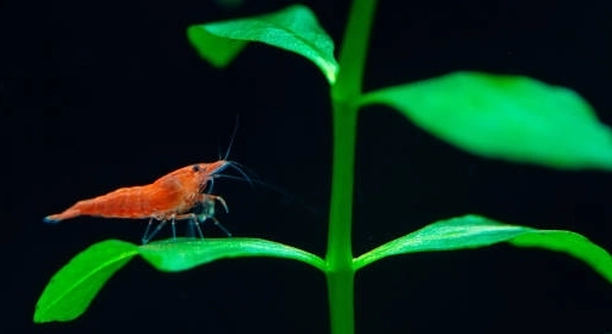
Male and female shrimp can look very similar at first glance, making it tricky to tell them apart. Observing their size, shape, and behavior closely can reveal subtle differences that are important for shrimp enthusiasts and breeders.
The primary way to differentiate male from female shrimp is by examining their body structure and reproductive features. Females generally have larger abdomens to carry eggs, while males tend to be slimmer with longer pleopods and smaller overall body size.
Recognizing these distinctions can make shrimp care and breeding much easier and more effective for hobbyists and professionals alike.
Body Shape Differences
Male and female shrimp often show noticeable differences in body shape. Females usually have a rounder, wider abdomen, which helps them carry eggs safely. Males tend to have a slimmer, more streamlined body, which allows for easier movement and quick swimming. Observing shrimp from above makes it easier to see these differences. In some species, the curvature of the female’s abdomen is quite pronounced, forming a natural curve that males lack. The size of the shrimp can also be a clue, with females generally appearing slightly larger than males when fully grown. While these differences can be subtle at first, spending time watching your shrimp helps you notice patterns. Behavior can also reveal gender; males often swim more actively, especially when females are nearby. By combining visual observation with behavioral cues, you can confidently identify males and females. Understanding these physical differences is key to effective breeding or tank management.
Males are usually slimmer and more active, while females are rounder and slower-moving due to egg carrying.
Observing the body shape and behavior together makes it easier to distinguish males from females. Taking notes on individual shrimp can help track which ones are carrying eggs and which are more active. In breeding setups, knowing these differences ensures that females are not stressed by too many active males. Monitoring the curvature of the abdomen and overall size is useful, especially during molting, when shapes are more visible. Even subtle differences, like slightly wider carapaces or more pronounced curves, become obvious over time. Combining size, shape, and movement patterns provides a reliable method for gender identification.
Coloration and Markings
Color can be a helpful indicator of shrimp gender in some species.
Female shrimp often display brighter or more intense colors, especially when carrying eggs. Males may be paler or less vividly marked, blending more with the tank environment. Observing color patterns alongside physical traits improves accuracy in identifying gender. In some types of shrimp, females develop distinctive markings on the tail or head that males lack. Stress, diet, and water conditions can affect color intensity, so it’s important to monitor shrimp in optimal conditions. Brightness and patterns may also change slightly during molting or reproductive phases. Using a combination of size, shape, and color provides the most reliable method for determining male and female shrimp.
Color differences can be subtle, requiring close observation over time. Paying attention to the overall vibrancy, intensity, and specific markings helps distinguish genders, while tracking behavior can confirm suspicions. Maintaining stable water conditions and proper nutrition enhances these differences, making identification easier. This approach is especially useful in breeding programs, as knowing which shrimp are female ensures proper care and protection during egg carrying. Recording observations in a notebook or app can help monitor changes in color and markings, revealing patterns that indicate gender. Observing multiple shrimp simultaneously allows comparison, increasing accuracy. Even minor variations in hue or pattern can signal gender differences. Over time, combining shape, movement, and color observations provides a clear picture of which shrimp are male and female, ensuring proper tank management and care.
Antennae and Limb Differences
Males often have longer antennae than females, which they use to detect potential mates and navigate their surroundings. Females’ antennae are usually shorter and less prominent, reflecting their focus on carrying eggs and conserving energy. Observing antennae length helps identify gender quickly.
Longer antennae in males allow for better sensing of the environment and locating females during mating periods. Males also tend to have slightly more robust or elongated walking legs, supporting faster movement and agility. Females’ limbs are more uniform in size, supporting egg carrying and maintaining balance rather than quick movement. Paying attention to these subtle differences can make gender identification much easier, especially when combined with body shape and behavior.
Antennae and limb differences are most noticeable during active periods, like feeding or courtship. Males’ longer appendages make them more alert and responsive, while females stay closer to surfaces, conserving energy and protecting their eggs. Watching shrimp in a tank over several days helps confirm these distinctions, as repeated observation reveals patterns in movement, posture, and interaction. Keeping track of antennae length and limb structure alongside other physical traits provides a more complete understanding of shrimp gender.
Behavior Patterns
Males are generally more active and exploratory than females, often swimming around more and showing interest in others.
During mating periods, males become especially mobile, searching for females and engaging in brief displays of dominance. Females tend to remain near shelter or substrate, conserving energy and protecting eggs if present. Observing movement patterns and interactions provides a reliable clue for gender identification, as behavioral differences are often more obvious than subtle physical traits.
Activity levels vary with species, but males consistently show higher levels of swimming and interaction, while females focus on feeding and safety. During molting, males may become even more energetic, exploring new areas and checking on potential mates. Females, in contrast, may reduce movement to avoid injury and ensure egg development continues smoothly. In community tanks, males are often seen approaching multiple individuals, whereas females usually stay in one area, interacting selectively. Monitoring these behaviors over time gives a clearer picture of gender distinctions, complementing visual observations of body shape, color, and appendages.
Tail Shape Differences
Female shrimp usually have a wider, more rounded tail to carry eggs safely. Males tend to have narrower, pointed tails, reflecting their streamlined body shape and active swimming habits. Tail shape is a subtle but reliable way to identify gender in most shrimp species.
Observing the tail from above or the side can reveal these differences clearly. During egg-carrying periods, the female’s tail may appear even wider and more curved. Males maintain a consistent tail shape, which helps distinguish them from females.
Egg Spot Visibility
Females often show a small, darker spot near the abdomen called an egg spot. This spot is absent in males and becomes more noticeable when eggs are developing, providing a direct visual clue for gender identification.
Size Comparison
Females are generally larger and bulkier than males due to their reproductive role. Their bigger size accommodates egg carrying and provides stability in the tank. Males remain slimmer, which helps with swimming and searching for mates efficiently. Size comparison is a simple method for quick gender identification.
Reproductive Appendages
Males have specialized reproductive appendages called pleopods, located under the abdomen. These are used during mating and are more pronounced than in females, offering a clear structural difference when observed closely.
FAQ
How can I tell if my shrimp is male or female without handling it?
Observing shrimp in the tank is the safest way to identify gender. Look at body shape, tail width, and movement patterns. Females usually have wider abdomens and tails for carrying eggs, while males are slimmer and more active. Color intensity and markings can also provide hints, especially in species where females show brighter hues. Over time, repeated observation allows you to recognize individual traits without needing to touch or stress your shrimp.
Do all shrimp species show clear gender differences?
Not all species have obvious visual differences. Some, like cherry shrimp, show distinct size and tail shape variations, while others may require close observation of behavior or reproductive features. In species with subtle differences, combining multiple cues—such as body shape, tail width, antenna length, and movement patterns—provides the most reliable method for determining gender. Environmental factors, such as water quality and nutrition, can also influence size and color, so consider these when making comparisons.
When is the best time to identify shrimp gender?
The best time is after shrimp have fully matured, as juveniles often look similar regardless of sex. Observing them during calm periods when they are feeding or resting allows for easier identification of body shape and tail differences. During molting, physical traits may be easier to see because the exoskeleton is softer and temporary color changes make differences more apparent. Active periods, such as breeding phases, also highlight behavioral distinctions between males and females.
Can I identify gender based on color alone?
Color alone is not always reliable, though it helps in some species. Females often show brighter or more vivid colors, especially when carrying eggs. Males may appear paler or more uniform. Environmental conditions, like lighting, water quality, and diet, can affect color intensity, so it is best to combine color cues with physical traits and behavior to make a confident identification.
Do males and females behave differently around food?
Yes, behavior around food can be a clue. Males are usually more active and may compete more aggressively for food, moving quickly across the tank. Females often feed more methodically and stay near surfaces or hiding spots while eating, conserving energy for egg development. Observing feeding behavior over several sessions can reveal consistent patterns that help distinguish gender.
Is size always a reliable indicator of gender?
Size is generally a good indicator, with females being slightly larger than males, especially when carrying eggs. However, it is not absolute, as individual growth rates vary depending on diet, tank conditions, and genetics. Combining size observation with tail shape, body curvature, and reproductive appendages provides a more reliable assessment of gender.
Can males carry eggs?
No, only females carry eggs. Females have wider abdomens and tails to hold and protect eggs until they hatch. Recognizing these features helps avoid confusion when identifying shrimp and ensures proper care for breeding purposes.
How do reproductive appendages help in identification?
Males have pleopods, which are specialized reproductive appendages under the abdomen. These are used during mating and are more pronounced than in females. Observing pleopods can confirm a shrimp’s sex, especially when physical and behavioral cues are subtle or unclear.
Does molting affect gender identification?
Molting can make gender identification easier because the exoskeleton temporarily softens, making shapes and appendages more visible. Tail curvature, abdomen width, and reproductive appendages are easier to examine right after a molt. However, colors may temporarily fade or change, so combining molting observations with other cues ensures accuracy.
Can I rely on behavior alone to determine gender?
Behavior is a strong indicator but should be combined with physical traits. Males tend to swim more actively and approach other shrimp frequently, while females move less and stay near surfaces or shelter. Observing patterns over time alongside body shape, tail width, and coloration provides the most reliable identification method.
How long does it take to confidently identify shrimp gender?
With careful observation of multiple traits, most people can reliably identify gender within a few weeks. Watching shrimp during feeding, resting, and active periods, along with noting physical traits like tail width, body shape, and pleopods, helps build confidence in identification. Consistent observation and tracking over time is the key.
Are there any tools that make gender identification easier?
A magnifying glass or macro lens helps see subtle features like pleopods or egg spots. Good lighting in the tank improves visibility of color, markings, and tail curvature. Recording observations in a notebook or taking photos can also help compare individuals and track changes over time.
Can stress or environment affect gender traits?
Yes, stress, poor water conditions, or inadequate nutrition can affect size, color, and behavior. Females may delay egg carrying, and colors may appear dull. Keeping shrimp in stable conditions ensures that gender differences are expressed clearly, making identification easier and more accurate.
What if I still can’t tell the gender?
If differences remain unclear, observe over time during feeding, molting, and breeding phases. Combining physical traits, coloration, and behavior gradually reveals patterns. In some cases, consulting species-specific guides or seeking advice from experienced caretakers can provide additional insights for accurate identification.
Final Thoughts
Identifying male and female shrimp may seem challenging at first, but paying attention to simple physical and behavioral traits makes the process much easier. Observing their body shape, tail width, and size provides immediate clues, as females are generally wider and larger while males remain slimmer. Over time, repeated observation helps you notice patterns, such as the subtle curve of a female’s abdomen or the pointed tail of a male. Even small details like antenna length or limb shape can make a difference, especially when combined with other traits. By focusing on these clear, observable features, you can identify gender without causing stress to your shrimp, which is important for both their well-being and any breeding plans.
Behavior plays an equally important role in distinguishing males from females. Males tend to swim more actively, exploring their surroundings and showing interest in other shrimp, particularly during mating periods. Females often move more cautiously, staying closer to the substrate or hiding spots to conserve energy and protect eggs if they are carrying them. Feeding habits can also provide hints; males usually compete for food more energetically, while females eat methodically and remain near shelter. Observing behavior over time, combined with physical traits, ensures accurate identification. Even slight differences in movement patterns, like how a shrimp navigates the tank or reacts to other shrimp, can be a reliable way to tell genders apart without handling them directly.
Other visual indicators, such as coloration and reproductive appendages, further assist in identifying shrimp. In certain species, females display brighter or more vivid colors, especially when carrying eggs, while males often appear paler. Reproductive appendages, like pleopods in males, are more pronounced and can be observed during calm periods or after molting when exoskeletons are softer. Egg spots in females provide another straightforward clue in species where they appear. Combining these visual cues with size, body shape, and behavior gives the most reliable results. With consistent observation and a focus on multiple traits, you can confidently tell male shrimp from female shrimp, ensuring proper care, balanced tank populations, and successful breeding practices. Understanding these differences makes tank management more effective and helps shrimp thrive in a healthy environment.

Hello,
If you enjoy the content that we create, please consider saying a "Thank You!" by leaving a tip.
Every little bit helps us continue crafting quality advice that supports the health, happiness, and well-being of pets around the world, for pets of all shapes, sizes, and species.
We really appreciate the kindness and support that you show us!