
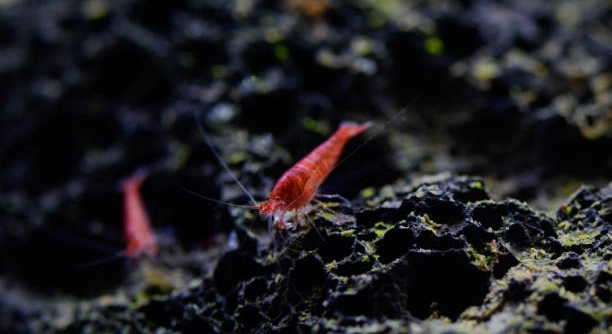
Do you ever wonder how different freshwater species interact in a shared tank? Cherry shrimp and Corydoras are popular choices for hobbyists seeking a peaceful, colorful aquarium environment that is easy to maintain.
Cherry shrimp can coexist with Corydoras in a community aquarium under proper conditions. Ensuring sufficient hiding spaces, gentle substrate, and compatible water parameters reduces stress and predation risk, promoting a stable and healthy environment for both species.
Knowing the right setup can help maintain harmony between these small aquatic companions and keep your tank vibrant and safe.
Understanding the Compatibility
Cherry shrimp are small, peaceful invertebrates that thrive in calm aquariums with plenty of plants and hiding spots. Corydoras are bottom-dwelling fish that sift through the substrate for food. Their gentle nature generally prevents them from targeting adult shrimp, but juvenile shrimp can be more vulnerable. The key to compatibility is creating an environment that reduces stress for both species. Adding moss, dense plants, and decorative shelters gives shrimp safe areas to hide, while keeping the substrate soft protects Corydoras’ delicate barbels. Water parameters should be stable, with temperatures ranging from 72–78°F and a neutral pH around 6.5–7.5. Overcrowding or sudden changes can cause aggression or stress, so maintaining moderate stocking levels is important. Feeding routines should cater to both species, offering sinking pellets for Corydoras and algae wafers or blanched vegetables for shrimp. By managing these factors, both species can coexist peacefully and contribute to a lively, balanced aquarium ecosystem.
Creating the right environment minimizes risk and keeps your shrimp safe while Corydoras remain healthy and active.
Hiding spots, gentle substrates, and stable water conditions make coexistence more achievable. Careful attention ensures harmony.
Feeding and Tank Management
Cherry shrimp are scavengers that eat algae, biofilm, and leftover food. They require small, frequent feedings to prevent starvation and maintain water quality. Corydoras need sinking pellets and occasional live or frozen foods. Uneaten food should be removed to avoid ammonia spikes. Regular water changes and gentle filtration are essential. Overfeeding can lead to poor water quality, which harms both shrimp and fish. Shrimp also benefit from calcium sources to support molting and growth, which can be supplied through mineral-rich food or cuttlebone pieces in the tank. Monitoring behavior during feeding can reveal stress or aggression. Maintaining a clean substrate with smooth surfaces protects Corydoras’ barbels, while dense vegetation reduces competition for food. Rotating feeding locations encourages natural foraging and prevents territorial disputes. Attention to these details helps ensure a healthy, thriving community tank.
Proper feeding and maintenance support peaceful coexistence between species and encourage natural behaviors.
Managing feeding schedules, water changes, and substrate health keeps both shrimp and Corydoras thriving. Careful observation prevents issues.
Tank Setup Tips
Providing hiding spots is essential for shrimp safety. Moss, plants, and small caves reduce stress and offer secure areas for molting or resting.
Using a soft substrate prevents injury to Corydoras’ barbels and allows them to forage naturally. Smooth gravel or sand is ideal, and arranging plants to create open swimming areas ensures both species feel comfortable and unthreatened. Decorations should be strategically placed so shrimp can escape if startled. Lighting should not be too strong, as excessive brightness can stress shrimp, causing them to hide constantly. Maintaining stable temperature and pH is critical, as sudden fluctuations can provoke aggression or illness in either species. By carefully designing the tank with both species’ needs in mind, coexistence becomes much easier, and the aquarium stays visually appealing.
Filtration and circulation should be gentle. Strong currents can stress shrimp and disturb Corydoras, who prefer calm waters. Using sponge filters or adjustable flow filters keeps conditions ideal and maintains water clarity.
Breeding Considerations
Cherry shrimp breed easily in community tanks if conditions are suitable. Dense plants and moss provide safe places for females to carry eggs and for young shrimp to hide from potential threats.
Corydoras rarely bother shrimp, but small shrimp can still be at risk if hiding areas are insufficient. Breeding success increases with stable water conditions, a balanced diet, and minimal tank disturbances. Tracking water parameters like ammonia, nitrites, and nitrates ensures eggs and fry survive. Offering a varied diet, including algae wafers, blanched vegetables, and protein-rich foods, supports healthy shrimp development. Female shrimp carrying eggs benefit from calcium-rich foods to strengthen shells and aid molting. Observing interactions during breeding can help prevent stress and improve fry survival rates.
Separating shrimp fry from the main tank is not always necessary, but additional shelter and plants increase survival. Corydoras are mostly harmless but may accidentally eat very small shrimp, so hiding spots are key. Proper tank management and careful feeding routines improve breeding outcomes.
Common Challenges
Shrimp may hide excessively if the tank lacks sufficient cover. Overcrowding or aggressive tank mates can also increase stress.
Corydoras can sometimes uproot plants while foraging. Ensuring dense planting and gentle substrate reduces damage and keeps both species comfortable.
Water Parameters
Stable water conditions are essential for coexistence. Temperatures between 72–78°F and a pH of 6.5–7.5 suit both species. Sudden changes in temperature or chemistry can cause stress, illness, or even death. Regular testing and careful adjustments maintain balance, supporting healthy shrimp and Corydoras.
Observation Tips
Watch for signs of stress like hiding, lethargy, or excessive molting in shrimp, and erratic swimming in Corydoras. Early detection prevents serious issues.
FAQ
Can adult Corydoras harm cherry shrimp?
Adult Corydoras are peaceful bottom dwellers and usually ignore adult shrimp. They focus on sifting through the substrate for leftover food, making them generally safe tank mates. However, very small or newly hatched shrimp can occasionally be at risk if there are no hiding spots available. Providing dense moss, plants, or small caves ensures shrimp have places to retreat, reducing any potential stress or accidental predation.
How many cherry shrimp can I keep with Corydoras?
Stocking depends on tank size and available hiding spaces. A general guideline is to keep one Corydoras per 2–3 gallons of water and provide several shrimp per gallon. Overcrowding can increase stress, reduce water quality, and trigger aggression, even among peaceful species. Ensuring plants, moss, and decorations provide ample cover allows both shrimp and Corydoras to coexist comfortably, with enough space to forage and swim freely.
Do Corydoras eat shrimp eggs or fry?
Corydoras are mostly harmless, but they may occasionally eat tiny shrimp fry if eggs hatch in open areas. Dense planting and moss help protect newly hatched shrimp by offering immediate shelter. Some hobbyists introduce floating plants or fine-leaved moss specifically to increase survival rates. Observing tank behavior and providing ample cover minimizes losses without isolating fry in separate tanks.
What tank size works best for both species?
A 10-gallon tank is the minimum for a small community, but larger tanks offer better stability and more hiding areas. Bigger tanks allow more space for shrimp to explore and for Corydoras to forage comfortably. Stability in water parameters is easier to maintain in larger volumes, which supports healthy molting for shrimp and prevents stress in fish. Adding plants, caves, and gentle substrate enhances the environment for both species.
How should I feed them together?
Cherry shrimp eat algae, biofilm, and small food particles, while Corydoras prefer sinking pellets and occasional frozen or live foods. Feeding should be done in small amounts to avoid excess waste and maintain water quality. Observing how both species interact during feeding helps prevent competition. Placing food in multiple locations ensures shrimp access and Corydoras remain well-fed, reducing the chance of stress or aggression.
What water parameters are ideal?
Temperatures of 72–78°F and a pH between 6.5 and 7.5 suit both species. Stable water conditions are critical, as sudden fluctuations can cause stress or illness. Regular water testing and partial water changes maintain ammonia, nitrite, and nitrate at safe levels. Soft to moderate hardness is preferred, and adding calcium supports shrimp molting and shell strength. Maintaining a gentle current prevents disturbance for both species.
Do hiding spots really make a difference?
Yes, hiding spots are essential. Shrimp need safe areas to molt and rest, while Corydoras use plants and caves to feel secure. Lack of cover can lead to stress, aggression, or accidental predation. Dense moss, caves, and tall plants create a natural environment, helping both species display natural behaviors. Strategic placement of shelters ensures shrimp can escape quickly if startled.
Can they live together long-term?
With proper care, cherry shrimp and Corydoras can coexist for years. Maintaining stable water parameters, gentle filtration, sufficient hiding spots, and balanced feeding routines promotes a healthy, low-stress environment. Observing behavior regularly helps identify and address any potential issues early. Coexistence is achievable with consistent care and attention to both species’ needs.
Is it necessary to separate shrimp fry?
Not always. Fry can survive in the main tank if dense moss or plants are present. Very small fry are at higher risk of being eaten, so providing cover is crucial. Some hobbyists prefer a breeding box or separate tank for maximum survival. Regular observation and careful feeding further increase the chances that young shrimp reach adulthood safely.
What are signs of stress in either species?
Shrimp may hide excessively, fail to molt properly, or become lethargic. Corydoras may swim erratically, cling to surfaces, or stop foraging. Stress often results from poor water quality, overcrowding, or insufficient hiding spots. Early recognition allows intervention, like adjusting tank conditions, adding plants, or modifying feeding routines, to restore a peaceful environment.
How often should I clean the tank?
Partial water changes of 20–25% weekly help maintain water quality without shocking the inhabitants. Substrate vacuuming should be gentle to avoid disturbing Corydoras’ barbels or removing hiding shrimp. Filter maintenance should focus on cleaning sponges or media gently to preserve beneficial bacteria. Proper cleaning supports long-term health and reduces the risk of disease.
Can other tank mates live with them?
Small, peaceful fish like small tetras or rasboras can coexist with cherry shrimp and Corydoras. Avoid aggressive or large predatory fish that may target shrimp. Introducing compatible species gradually and monitoring behavior ensures harmony. Keeping plants and hiding spots plentiful remains key to maintaining balance and reducing stress for all inhabitants.
Keeping cherry shrimp and Corydoras together in a single tank can be very rewarding if the right conditions are maintained. Both species are generally peaceful, and their differing habits—shrimp primarily occupying plants and mid-level areas, and Corydoras sticking to the bottom—allow them to share the same space without frequent conflict. Proper planning and preparation are essential to ensure both species thrive. Providing dense moss, hiding spots, and smooth substrate creates a comfortable environment where shrimp can molt safely and Corydoras can forage naturally. Careful attention to tank layout, water parameters, and feeding schedules makes it easier to maintain harmony, allowing each species to display its natural behavior without stress or aggression. Over time, observing the tank and making small adjustments can help prevent issues before they become serious, keeping the aquarium stable and enjoyable to maintain.
Water quality plays a major role in the health of both cherry shrimp and Corydoras. Stable temperatures, pH levels, and gentle water flow are critical, as sudden fluctuations can lead to stress or illness. Partial water changes, regular testing, and a properly maintained filtration system keep conditions safe and predictable for all inhabitants. Feeding should be balanced and appropriate for each species. Shrimp benefit from algae, biofilm, and blanched vegetables, while Corydoras require sinking pellets or occasional protein-based foods. Removing uneaten food promptly prevents ammonia spikes, which can harm both shrimp and fish. Proper nutrition not only supports growth and reproduction but also reduces the likelihood of stress-related behaviors such as hiding or lethargy. Paying attention to these details ensures that the tank remains a healthy, low-stress environment where both species can thrive together for years.
Breeding considerations are another important factor to keep in mind. Cherry shrimp breed readily when conditions are favorable, and providing protective spaces like moss or plants increases the survival rate of fry. Corydoras generally do not threaten adult shrimp, but small shrimp and newly hatched fry can be vulnerable if there is insufficient cover. Monitoring interactions and maintaining a structured environment helps minimize any accidental predation. Over time, creating a balanced and well-maintained tank supports natural behaviors and encourages both species to coexist peacefully. Regular observation, careful feeding, and consistent water management are the keys to long-term success. With patience and proper care, a community tank featuring cherry shrimp and Corydoras can become a vibrant, active, and visually appealing aquarium that brings satisfaction and enjoyment to any aquarist.

Hello,
If you enjoy the content that we create, please consider saying a "Thank You!" by leaving a tip.
Every little bit helps us continue crafting quality advice that supports the health, happiness, and well-being of pets around the world, for pets of all shapes, sizes, and species.
We really appreciate the kindness and support that you show us!