
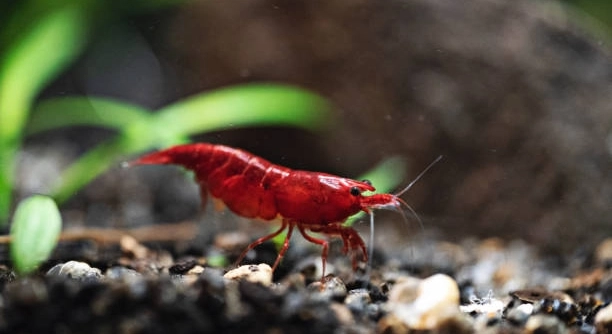
Do you enjoy keeping freshwater shrimp but wonder how they interact with each other in your tank? Cherry shrimp are small, colorful creatures that can brighten up any aquarium with their lively behavior. Observing them can be surprisingly relaxing and satisfying.
Cherry shrimp are social animals that generally prefer the company of others. They thrive in groups, which promotes natural behaviors, reduces stress, and encourages breeding. Keeping them in small colonies supports a healthier, more active aquarium environment overall.
Learning how cherry shrimp interact will help you set up the best environment. Their social tendencies affect feeding, hiding, and overall tank harmony.
Social Behavior of Cherry Shrimp
Cherry shrimp are naturally social and enjoy being around others of their kind. In a well-populated tank, they often gather in small clusters while feeding or exploring. Observing them interact is interesting, as you can see subtle behaviors like antennae touching and gentle nudging. Group living helps reduce stress and makes shy shrimp more confident. Even in hiding, they often remain aware of each other, signaling a sense of community. Social interaction can also trigger natural behaviors such as grazing on algae, swimming actively, and cleaning surfaces together. A larger group can help maintain a balanced environment, as shrimp help each other find food and keep surfaces clean. Individual shrimp in isolation may become lethargic or stressed, which can affect their health over time. Ensuring a diverse but compatible group can also reduce aggressive tendencies and maintain harmony, making the tank more lively and visually engaging.
Keeping a small colony is enough for them to feel comfortable and active in the tank.
A healthy shrimp tank encourages natural behaviors while providing safety. It is important to maintain proper water conditions, including stable temperature, pH, and clean water. Adequate hiding spots like plants or decorations allow shrimp to feel secure. Feeding them regularly with appropriate food ensures energy for social activities and growth. Observing how they interact in different areas of the tank can help you notice any issues early. Overcrowding should be avoided, as it can lead to competition for resources and stress. A balanced environment promotes both physical health and social activity. Monitoring water quality and population size regularly supports long-term shrimp well-being. By combining careful tank management with awareness of their social needs, you can create a setting where cherry shrimp flourish, show their natural colors, and maintain a stable, engaging community for months to come.
Signs of Loneliness in Cherry Shrimp
Shrimp kept alone may show reduced movement, hiding for long periods, and less interest in food.
Lonely shrimp may stop exploring and grazing, which can affect water cleanliness and overall tank activity. They may also become more stressed, which can weaken their immune system. Adding a few companions or observing their behavior in groups can help identify signs of loneliness early. Creating a balanced environment with proper tank mates and sufficient hiding spaces can improve their activity levels and reduce stress. Over time, social shrimp become more confident, actively feeding, and interacting with other shrimp, resulting in a healthier and more vibrant tank environment. Watching these subtle changes gives insight into how much they benefit from company and how to keep them thriving.
Ideal Group Size for Cherry Shrimp
A small group of five to ten shrimp is usually enough to encourage social behavior without overcrowding. Too few can make them shy, while too many can lead to stress and competition for food. Balance is key for a healthy tank.
A balanced group allows shrimp to interact naturally, explore the tank, and establish small social patterns. In larger groups, they often form clusters while grazing and tend to be more active. Observing a healthy group, you can see differences in color intensity, activity level, and how confident they are in moving around. Smaller or isolated shrimp may hide more, while social shrimp engage with each other and their surroundings. Proper spacing and hiding spots prevent territorial issues, even in larger groups. Regular monitoring ensures that the group remains stable and active without stress or aggression.
Choosing the right number depends on tank size, hiding spaces, and filtration. Overcrowding can lead to poor water quality, increased stress, and reduced lifespan. A smaller tank with many shrimp may result in constant competition for food, while a larger tank allows for better distribution. Watching how shrimp interact helps determine if the group size is correct. Adjusting numbers gradually ensures the environment remains balanced and safe. Proper planning keeps shrimp healthy, active, and vibrant over time.
Compatibility with Other Tank Mates
Cherry shrimp do well with calm, non-predatory fish. Aggressive or large fish may eat them, so choosing peaceful companions is important.
Snails, small tetras, and certain dwarf shrimp species are usually compatible. They do not compete aggressively for food and generally ignore each other. Avoid larger cichlids, bettas, or any fish that show hunting behavior, as this can cause stress and reduce shrimp survival. Proper tank setup with hiding spots, plants, and decorations increases the chance of peaceful coexistence. Observation is important when introducing new tank mates to ensure harmony. Gradual introduction allows shrimp to adjust and feel safe while the other species settle in.
Adding compatible tank mates can improve overall activity without threatening shrimp safety. They often share grazing areas and may benefit from the algae and detritus stirred up by fish. A well-planned mixed tank supports natural behaviors, feeding, and even breeding. Over time, shrimp can become bolder around calm companions, showing more color and movement. Observing interactions helps maintain a balanced ecosystem, preventing stress or aggression. Proper monitoring and careful selection of tank mates ensure a harmonious environment where both shrimp and other species thrive.
Feeding Behavior in Groups
Cherry shrimp eat more actively when in groups, sharing grazing areas and foraging together. This behavior encourages them to explore the tank and maintain healthy activity levels.
Feeding in groups can also reduce stress. When alone, shrimp may hide during feeding times, but company motivates them to come out and eat regularly, improving overall health.
Hiding Spots and Security
Providing plenty of plants, moss, and decorations is essential for their sense of safety. Shrimp feel more confident when they can retreat quickly if needed.
A secure tank environment with hiding spots helps reduce stress, especially in larger groups. It also allows shy shrimp to emerge gradually, supporting natural behavior. Adequate coverage encourages social interaction while preventing overcrowding and competition.
Breeding and Social Interaction
Groups promote natural breeding behaviors in cherry shrimp. Males and females interact more frequently, leading to successful reproduction. Social dynamics support healthier populations.
Observing Behavior Patterns
Watching shrimp in different areas of the tank reveals their comfort level, activity, and hierarchy within the group. Regular observation helps maintain a balanced environment.
FAQ
Do cherry shrimp need to be in groups?
Yes, cherry shrimp are naturally social animals. They thrive when kept with others of their kind. Groups encourage natural behaviors like grazing, exploring, and interacting, which can reduce stress and make shrimp more active. Alone, they may hide more and appear less vibrant.
How many cherry shrimp should I keep together?
A small colony of five to ten shrimp is usually ideal for a standard tank. This number allows social interaction without overcrowding. Tank size, hiding spots, and filtration affect the exact number. Gradual adjustments help maintain balance and prevent stress or competition.
Can cherry shrimp live with other fish?
Cherry shrimp do best with calm, non-predatory fish. Small tetras, snails, and dwarf shrimp species are generally compatible. Avoid larger, aggressive fish like cichlids or bettas, as they may eat shrimp or stress them. Hiding spots also improve safety in mixed tanks.
Do cherry shrimp fight with each other?
Cherry shrimp are not aggressive by nature. Occasional nudging or minor chasing may occur, but this is normal social interaction. Aggression is rare if the tank has enough space, food, and hiding spots for all shrimp. Monitoring behavior helps ensure harmony.
How does group size affect feeding?
Shrimp eat more actively in groups. They explore grazing areas together and are less likely to hide during feeding. A group encourages natural foraging behavior, which supports overall health and growth. Solo shrimp may be less motivated to eat, affecting their vitality.
Do cherry shrimp breed better in groups?
Yes, social interaction promotes natural breeding behaviors. Males and females are more likely to engage when in groups, increasing the chance of successful reproduction. A well-populated tank supports mating, egg laying, and survival of juvenile shrimp.
What kind of hiding spots do cherry shrimp need?
Shrimp need plenty of plants, moss, and decorations to retreat to when they feel threatened. Hiding spots reduce stress and help shy shrimp feel secure. Even active shrimp use these areas occasionally, making the tank feel safer and more natural.
Can cherry shrimp live alone?
While they can survive alone, they are generally less active and more stressed. Isolation reduces social interaction and may affect feeding, activity, and overall health. Keeping them in small groups is recommended for their well-being and vibrancy.
How do I tell if my shrimp are stressed?
Signs of stress include hiding constantly, reduced movement, pale coloration, or not eating. Stress can be caused by isolation, aggressive tank mates, poor water quality, or insufficient hiding spots. Addressing these issues helps shrimp regain normal behavior.
Is tank size important for cherry shrimp groups?
Yes, a larger tank provides enough space for shrimp to move freely, explore, and establish social patterns. Overcrowding can increase stress and competition. Even with a small group, adequate space and decorations improve health, activity, and overall happiness of the shrimp.
Do cherry shrimp need company at all times?
They do not require constant interaction but benefit from seeing and sensing other shrimp nearby. The presence of companions encourages activity, feeding, and natural behaviors. Even when hiding, they are reassured by the company of their group.
Can cherry shrimp live with other invertebrates?
Yes, they often coexist well with snails and other small, non-aggressive invertebrates. These companions usually do not compete for food aggressively and can contribute to a balanced tank ecosystem without stressing the shrimp.
What is the impact of overcrowding on cherry shrimp?
Overcrowding can cause stress, reduced growth, and competition for food. It may also lead to poor water quality due to increased waste. Maintaining proper group size relative to tank volume ensures shrimp remain healthy and active while supporting natural behavior.
How do I introduce new shrimp to an existing group?
Introduce new shrimp gradually and monitor behavior closely. Providing plants or hiding spots reduces stress. New shrimp may hide at first but will slowly integrate into the group, ensuring harmony and social interaction without conflict.
Can cherry shrimp sense each other’s presence?
Yes, they use antennae to detect nearby shrimp. This helps them navigate social interactions, find food, and establish subtle social hierarchies. Even when hidden, shrimp are aware of the group’s presence, which supports security and comfort.
How do I maintain a happy shrimp group?
Provide adequate space, regular feeding, hiding spots, and compatible tank mates. Monitor water quality and observe behavior to ensure all shrimp are active and healthy. Social interaction and a well-balanced tank environment keep cherry shrimp thriving over time.
Do cherry shrimp communicate in any way?
While they do not vocalize, shrimp communicate through touch, movement, and chemical cues. Antennae touching, grazing together, and gentle nudging are ways they interact and establish social comfort within the group.
Are baby shrimp social too?
Juvenile shrimp often hide more than adults but still benefit from group presence. Seeing and sensing other shrimp encourages gradual exploration, feeding, and learning social behavior, supporting healthy growth and eventual integration into the colony.
Can I keep different shrimp species together?
Certain dwarf shrimp species can coexist, provided they have similar environmental needs and temperaments. Monitoring interaction is important to prevent competition or stress. Adequate hiding spots and space reduce potential conflicts and allow all shrimp to thrive.
How does water quality affect social behavior?
Poor water conditions increase stress and reduce activity. Shrimp may hide more, eat less, or avoid group interaction. Maintaining stable temperature, pH, and cleanliness supports both health and social behavior, ensuring shrimp remain active, confident, and colorful in their environment.
This FAQ covers common concerns about cherry shrimp company, helping you maintain a healthy, active, and balanced group in your tank.
Cherry shrimp are naturally social animals that benefit from living in small groups. When kept with others of their kind, they display more natural behaviors like grazing, exploring, and interacting with each other. Being in a group reduces stress, encourages activity, and makes them appear more vibrant. Watching a small colony move around the tank and explore their environment can be surprisingly engaging. Even shy shrimp often become more confident in the presence of companions, gradually leaving hiding spots to feed or interact. Group living also encourages breeding behaviors, which is helpful if you want a self-sustaining population. When isolated, shrimp can become less active, hide more often, and show signs of stress, which can affect their health over time. Having multiple shrimp ensures they can sense the presence of others, which provides a sense of security and supports their overall well-being.
Setting up a tank for a group of cherry shrimp requires some planning, but it is not difficult. Tank size, hiding spots, and water quality are all important factors. A small colony of five to ten shrimp is usually sufficient for most standard aquariums. Providing plants, moss, or decorations allows them to retreat if they feel threatened and creates areas where they can forage safely. Water conditions must be stable, including temperature, pH, and cleanliness. Overcrowding should be avoided because it can lead to stress and competition for food. Observing their behavior regularly helps ensure that all shrimp are active, feeding, and comfortable in their environment. A well-maintained tank with compatible companions promotes a balanced ecosystem where shrimp can thrive naturally.
Group living also affects the dynamics within the tank in subtle ways. Social interaction among shrimp includes touching antennae, grazing together, and gentle nudging. These interactions help establish social comfort and hierarchy without aggression. Compatible tank mates like small fish, snails, or other dwarf shrimp species can coexist peacefully if chosen carefully. Avoiding larger, predatory, or aggressive fish is important to prevent stress or loss. Providing adequate space and hiding spots allows shrimp to move freely while feeling secure. By maintaining a balanced group and supporting their social and environmental needs, cherry shrimp can live healthier, more active lives. Over time, a well-planned shrimp tank creates a lively and harmonious environment where they can flourish, show natural behavior, and display their best colors.

Hello,
If you enjoy the content that we create, please consider saying a "Thank You!" by leaving a tip.
Every little bit helps us continue crafting quality advice that supports the health, happiness, and well-being of pets around the world, for pets of all shapes, sizes, and species.
We really appreciate the kindness and support that you show us!