
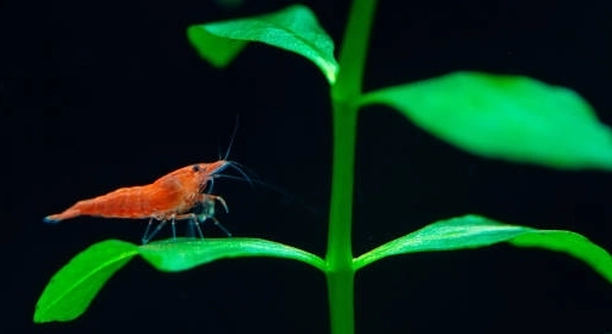
Do you ever find yourself arranging your aquarium and wondering how many cherry shrimp can comfortably live in your tank? These tiny, colorful creatures bring life and movement, making any freshwater setup more lively and appealing.
The optimal stocking density for cherry shrimp is generally 1 to 2 shrimp per gallon of water. Maintaining this ratio ensures a balanced ecosystem, prevents overcrowding, and supports the shrimp’s health, growth, and breeding success in a controlled aquarium environment.
Managing the right number of shrimp is important for tank stability and overall health. Small adjustments can make a significant difference to their comfort and longevity.
Understanding Cherry Shrimp Behavior
Cherry shrimp are small but active creatures that spend most of their time grazing on biofilm, algae, and leftover food in the tank. They are peaceful by nature, rarely showing aggression toward other shrimp or tankmates, which makes them suitable for community aquariums. Observing their activity patterns helps determine if the population in your tank is balanced. Overcrowding can lead to stress, slower growth, and increased mortality, while too few shrimp may result in underutilized space and less natural tank cleaning. These shrimp reproduce quickly under the right conditions, so maintaining the correct ratio of males to females is important to prevent sudden population spikes. Providing hiding spots with plants, moss, or decorations allows them to feel secure and reduces molting stress. A well-maintained environment with stable water parameters, including temperature, pH, and hardness, promotes healthy behavior and vibrant coloration, enhancing both the appearance of the tank and the shrimp’s overall well-being.
Population management is easier when shrimp behavior is closely monitored. Observing changes in activity and interactions helps maintain balance and health.
Shrimp display fascinating patterns when feeding, exploring, or molting. By studying these behaviors, aquarists can identify signs of stress or illness early. Ensuring proper water conditions, gentle filtration, and a consistent feeding schedule supports their natural instincts. Providing a mix of plants, hiding spots, and open areas allows shrimp to move freely while feeling protected. Regular observation also helps in predicting breeding events, preventing overcrowding, and maintaining water quality. Over time, noticing subtle shifts in activity or coloration can indicate environmental changes, prompting timely adjustments. This careful attention ensures the shrimp remain healthy and active, creating a visually appealing, balanced tank that functions efficiently as an ecosystem.
Tank Size and Shrimp Density
Smaller tanks require more careful planning to prevent overcrowding and ensure water quality remains stable.
Choosing the right tank size is crucial for maintaining the recommended 1–2 shrimp per gallon ratio. Smaller tanks are more sensitive to changes in water chemistry, waste buildup, and temperature fluctuations, which can stress the shrimp. In a 5-gallon tank, for example, keeping 5–10 cherry shrimp is ideal. Larger tanks offer more flexibility but still require monitoring to avoid population spikes. Adding too many shrimp can increase ammonia and nitrite levels, harming all tank inhabitants. Plants and decorations help distribute shrimp evenly, reducing stress from competition. When considering density, it’s important to factor in future breeding, filtration efficiency, and feeding amounts. Maintaining proper density ensures shrimp can molt safely, hide when needed, and feed without excessive competition. A balanced tank promotes longevity, active behavior, and the vibrant coloration cherry shrimp are known for, creating a healthy, visually pleasing environment.
Water Quality and Maintenance
Maintaining clean, stable water is essential for cherry shrimp health. Regular water changes, monitoring ammonia, nitrite, and nitrate levels, and keeping pH within a safe range ensures a thriving shrimp population. Poor water quality quickly stresses shrimp, leading to molting issues or death.
Filtration plays a key role in keeping water parameters stable. A gentle filter prevents shrimp from being sucked in while providing biological filtration to break down waste. Testing water weekly for ammonia, nitrites, nitrates, and pH allows early detection of problems. Performing partial water changes of 10–20% weekly helps maintain clarity and stability, especially in smaller tanks. Maintaining consistent temperature between 72–78°F reduces stress and encourages active feeding and reproduction. Adding live plants can absorb excess nutrients, providing natural filtration and additional hiding spaces, supporting both water quality and shrimp behavior. Careful attention to water quality ensures long-term success and prevents sudden population decline.
Shrimp are sensitive to sudden environmental changes. Abrupt pH shifts or high ammonia can cause immediate stress or death. A slow acclimation process during water changes and tank transfers reduces shock. Monitoring water temperature daily prevents unexpected drops or rises. Using dechlorinated water avoids harmful chlorine or chloramine exposure. Observing shrimp for signs like lethargy, faded colors, or abnormal molting indicates water-related stress, allowing prompt corrective action. Keeping water parameters stable and predictable supports healthy shrimp growth, vibrant coloration, and steady reproduction, ensuring the population remains balanced and active within the tank.
Feeding Practices
Cherry shrimp require a varied diet to stay healthy and maintain bright colors. A mix of algae, biofilm, specialized shrimp pellets, and occasional blanched vegetables provides balanced nutrition.
Overfeeding is a common mistake, leading to water quality issues. Feeding small amounts every other day allows shrimp to consume food fully without leaving excessive waste. Shrimp primarily graze, so supplementing their natural algae with high-quality pellets ensures proper protein and fiber intake. Blanched vegetables like zucchini, spinach, or carrots offer essential vitamins while preventing nutrient deficiencies. Avoid feeding large portions at once, as uneaten food can rot and spike ammonia levels. Observing shrimp during feeding helps gauge appetite and adjust portions, preventing overfeeding while maintaining a healthy, active population.
Providing a structured feeding routine supports growth and reproductive health. Shrimp graze throughout the day, so scattering food encourages natural foraging behavior. Live or frozen foods such as daphnia or brine shrimp can boost protein intake, especially for breeding females. Incorporating diverse foods ensures even coloration, strengthens immune systems, and enhances molting success. Feeding in multiple small spots prevents competition, allowing shy or smaller shrimp to access nutrients. Monitoring leftovers after feeding helps maintain water quality and prevents overfeeding. With consistent feeding practices, shrimp remain energetic, healthy, and visually vibrant, creating a lively tank ecosystem.
Plants and Hiding Spots
Providing live plants and decorations gives cherry shrimp places to hide during molting and reduces stress from tankmates. Moss, Java fern, and dense plants are particularly useful for creating safe areas for smaller or newly molted shrimp.
Hiding spots also encourage natural behavior. Shrimp feel secure while grazing and exploring, which reduces aggression and promotes healthy molting. Dense vegetation helps maintain water quality by absorbing excess nutrients, and moss offers surfaces for biofilm growth, a primary food source. Properly arranged plants and decorations create a balanced, visually appealing environment while supporting shrimp health and population stability.
Breeding Considerations
Cherry shrimp breed readily in a well-maintained tank. Females carry eggs under their tails until they hatch, usually within 2–3 weeks depending on temperature and water quality.
Monitoring Population Growth
Tracking shrimp numbers ensures the tank does not become overcrowded. Adjusting density through relocation or tank expansion helps maintain a healthy environment for all inhabitants.
FAQ
How many cherry shrimp can I keep in a 10-gallon tank?
A 10-gallon tank can comfortably house 10–20 cherry shrimp, following the guideline of 1–2 shrimp per gallon. This range prevents overcrowding while allowing room for plants, decorations, and hiding spots. Maintaining this density helps ensure stable water quality, reduces stress, and encourages healthy breeding.
Can cherry shrimp live with fish?
Yes, they can coexist with small, non-aggressive fish like neon tetras or rasboras. Avoid larger or predatory species that may view shrimp as food. Providing plants and hiding spaces ensures shrimp can retreat safely if startled, supporting a peaceful community environment.
How often should I feed cherry shrimp?
Feeding small amounts every other day is ideal. Shrimp graze naturally on algae and biofilm, so supplemental feeding with shrimp pellets or blanched vegetables supports their nutritional needs. Overfeeding can lead to water quality problems, so portion control is important.
Do cherry shrimp need special water conditions?
Cherry shrimp thrive in stable freshwater conditions with a temperature between 72–78°F, pH around 6.5–8.0, and moderate hardness. Regular water testing and partial water changes maintain a safe environment. Sudden fluctuations in temperature or pH can stress shrimp and affect molting.
How quickly do cherry shrimp reproduce?
Females carry eggs under their tails for about 2–3 weeks. Under ideal conditions, babies, or shrimplets, grow quickly and reach maturity in 3–4 months. Maintaining proper water quality, food availability, and hiding spots encourages successful reproduction without overcrowding.
What should I do if my shrimp start dying?
Check water parameters immediately. High ammonia, nitrites, or sudden pH shifts are common causes of stress and death. Ensure filtration is working correctly, water changes are regular, and no toxic chemicals are introduced. Observing shrimp behavior can provide clues to the source of problems.
Can I mix different shrimp colors?
Yes, different cherry shrimp color morphs can be kept together. However, selective breeding is required to maintain specific colors over generations. Mixing colors may result in a variety of offspring colors, which is natural if the tank population breeds freely.
Do cherry shrimp eat algae exclusively?
No, while algae and biofilm are primary food sources, shrimp also benefit from supplemental feeding. Specialized shrimp pellets, blanched vegetables, and occasional protein-rich foods like daphnia support growth, coloration, and reproductive health.
How can I prevent overpopulation?
Monitoring the number of adults and providing proper hiding spots can control population growth. If necessary, relocating some shrimp to another tank prevents overcrowding. Overpopulation can stress shrimp, degrade water quality, and lead to increased mortality.
Why are some shrimp pale or translucent?
Color variation often indicates stress, molting, or insufficient diet. Shrimp lacking proper nutrition or exposed to fluctuating water conditions may show faded coloration. Maintaining stable water parameters, providing high-quality food, and reducing stress helps shrimp maintain vibrant colors.
Can cherry shrimp survive in low-tech tanks?
Yes, cherry shrimp are well-suited for low-tech aquariums without CO2 injection or heavy equipment. A stable, planted tank with proper filtration, regular water changes, and routine feeding supports a thriving shrimp population naturally.
How do I care for baby shrimp?
Shrimplets need safe hiding spots and gentle feeding. They mostly graze on biofilm but benefit from finely crushed pellets or blanched vegetables. Avoid adding fish that may prey on them and ensure water parameters remain stable to support their survival and growth.
Are cherry shrimp sensitive to medications?
Yes, shrimp are highly sensitive to most aquarium medications, especially those containing copper. Only use shrimp-safe products and avoid treatments intended for fish unless confirmed safe. Testing water chemistry after treatment ensures the environment remains non-toxic.
Do cherry shrimp need aeration?
Aeration is not strictly required if the tank has stable filtration and healthy plant growth. Plants naturally oxygenate the water, and gentle surface movement helps gas exchange. Over-aeration can stress shrimp by creating strong currents, so balance is key.
Can I breed cherry shrimp in a community tank?
Breeding in a community tank is possible, but success depends on hiding spots and the absence of aggressive tankmates. Providing dense plants and moss allows females to protect their eggs until they hatch. Shrimps’ natural grazing and breeding behaviors continue under suitable conditions.
What is the best substrate for cherry shrimp?
Fine gravel, sand, or specialized shrimp substrate is ideal. Substrates that support biofilm growth provide a natural food source. Avoid sharp or coarse substrates that may injure delicate shrimp during molting or foraging. Substrate choice impacts both health and tank aesthetics.
How do I tell males from females?
Females are usually larger, with a rounder abdomen and more vivid coloration. Males are smaller and slimmer with less intense color. Observing these physical differences helps in population management and selective breeding for desired traits.
Can cherry shrimp handle temperature fluctuations?
Minimal fluctuations are tolerated, but sudden or extreme changes can be fatal. Maintaining a stable 72–78°F range is important. Avoid placing tanks near heaters, windows, or vents where temperatures can spike or drop unexpectedly. Stable conditions support molting, growth, and reproduction.
Is it necessary to remove uneaten food?
Yes, leftover food should be removed to prevent water quality issues. Uneaten food decomposes, increasing ammonia and nitrate levels. Regular monitoring ensures shrimp consume food efficiently, keeping the tank clean and healthy.
How long do cherry shrimp live?
On average, cherry shrimp live 1–2 years. Lifespan depends on water quality, diet, and stress levels. Providing optimal conditions, sufficient hiding spots, and balanced nutrition helps maximize longevity while supporting a sustainable population.
Can I add new shrimp to an established tank?
New shrimp should be acclimated slowly to match water parameters. Sudden introduction can cause stress or shock, risking death. Gradual drip acclimation and observation during the first hours in the tank ensures successful integration without harming the existing population.
Are cherry shrimp sensitive to light?
Moderate lighting supports plant growth and natural shrimp behavior. Excessive light can stress shrimp or promote algae overgrowth, while too little light may reduce plant health. A balanced photoperiod of 8–10 hours maintains both shrimp and plant vitality.
How often should I clean the tank?
Partial water changes of 10–20% weekly and substrate vacuuming as needed keep water quality stable. Avoid deep cleaning that disturbs biofilm or removes beneficial bacteria. Regular, gentle maintenance supports shrimp health and overall tank balance.
Can I breed cherry shrimp with other shrimp species?
Crossbreeding with other species is not recommended. Cherry shrimp are best bred within their species to maintain desired traits and avoid hybrid offspring, which may have unpredictable coloration, size, or health characteristics.
Why are shrimp hiding constantly?
Excessive hiding may indicate stress from poor water quality, aggressive tankmates, or insufficient food. Ensuring proper parameters, adequate feeding, and safe hiding spots encourages shrimp to explore and behave naturally.
Do cherry shrimp require special lighting?
Standard aquarium lighting is sufficient. The focus should be on supporting plant growth rather than enhancing shrimp colors. Plants create natural hiding spaces and contribute to water quality, indirectly benefiting shrimp health and activity.
Can I keep shrimp in a nano tank?
Yes, nano tanks are suitable if the population is small and parameters are stable. Dense planting and careful monitoring of water quality are essential to prevent rapid fluctuations that can stress or kill shrimp.
What is the ideal pH for cherry shrimp?
A pH between 6.5 and 8.0 supports healthy molting, growth, and reproduction. Consistency is more important than hitting an exact number. Sudden shifts outside this range can harm shrimp or reduce breeding success.
Do cherry shrimp eat leftover fish food?
They will consume small particles of fish food, which can supplement their diet. However, relying solely on fish food is insufficient. Shrimp need biofilm, algae, and specialized foods for optimal health and reproduction.
Are cherry shrimp compatible with snails?
Yes, they generally coexist peacefully with small, non-predatory snails. Snails help clean the tank without harming shrimp. Both species benefit from similar water conditions and contribute to maintaining a balanced ecosystem.
How can I prevent shrimp from escaping?
Covering the tank securely prevents escape. Shrimp can crawl out of open tanks, especially during molting or in search of food. Ensuring the lid is snug and gaps are blocked keeps them safely inside.
Do cherry shrimp need aeration during high temperatures?
In warm conditions, extra aeration may help oxygen levels. Gentle water movement is sufficient; avoid strong currents that can stress shrimp. Plants also provide natural oxygenation, reducing the need for additional devices.
Can cherry shrimp live in soft water?
Yes, they tolerate soft water well, as long as pH and temperature remain stable. Soft water may slow growth slightly but generally does not harm shrimp if other parameters are suitable.
Is copper toxic to cherry shrimp?
Yes, copper is highly toxic to shrimp and can cause immediate death. Avoid medications or fertilizers containing copper. Always check product labels and use shrimp-safe alternatives.
How do I encourage breeding?
Maintain stable water parameters, provide plenty of hiding spots, and offer a varied diet. Healthy, well-fed shrimp in a secure environment will naturally reproduce, supporting population growth without intervention.
What should I do if shrimp molt and die?
Molting is stressful, especially in poor conditions. Ensure water parameters are stable, food is adequate, and hiding spots are available. Frequent deaths may indicate water quality issues or insufficient nutrients, which should be addressed promptly.
Can shrimp survive without plants?
Yes, but plants greatly improve survival and comfort. They provide hiding spots, surfaces for biofilm growth, and help stabilize water parameters. Without plants, shrimp may feel exposed and stressed.
Do cherry shrimp need a heater?
A heater is recommended if room temperatures fluctuate outside 72–78°F. Stable temperatures support activity, growth, and breeding. Extreme or frequent changes without a heater can stress shrimp and reduce their lifespan.
How do I acclimate new shrimp?
Use slow drip acclimation over 1–2 hours, matching water temperature and chemistry gradually. Sudden introduction can cause shock, so careful acclimation ensures shrimp adjust safely and survive in the new tank.
Can cherry shrimp live in unplanted tanks?
Yes, but they require hiding spots and surfaces for grazing. Plants are ideal, but rocks, driftwood, or moss can substitute. Lack of shelter increases stress and reduces survival during molting.
Why are baby shrimp disappearing?
Predation from fish, other shrimp, or lack of hiding spots often causes losses. Ensuring dense vegetation, moss, or safe zones protects shrimplets until they grow larger and less vulnerable.
Do cherry shrimp require filtration?
Filtration is important for maintaining water quality, but it must be gentle. Strong currents can stress shrimp or trap them. Sponge filters are ideal, offering both filtration and safety for small shrimp.
How long can shrimp go without food?
Shrimp can survive a few days without supplemental food if biofilm or algae are available. Prolonged starvation will weaken them, slow growth, and reduce reproduction. Consistent feeding is essential for a thriving population.
Can I keep shrimp with bettas?
Some bettas may coexist with shrimp, but many see them as prey. Dense plants and hiding spaces are necessary, yet risk remains. Monitor interactions closely to prevent losses.
Do cherry shrimp eat live plants?
Generally no, they graze on biofilm and algae rather than healthy plant tissue. Blanched vegetables or algae sheets provide supplemental food without damaging live plants.
Can I use tap water for shrimp?
Yes, if treated to remove chlorine or chloramine. Tap water should be tested for hardness and pH, then conditioned. Stable water chemistry ensures shrimp health and reduces stress.
How do I know if shrimp are stressed?
Signs include hiding constantly, fading color, lethargy, or irregular molting. Observing behavior and maintaining stable water conditions helps reduce stress and supports shrimp well-being.
Can shrimp survive with fluctuating water temperatures?
Sudden changes can be fatal. Gradual shifts within a safe range may be tolerated, but consistency is key. Stable temperature ensures active feeding, proper molting, and successful breeding.
What is the best diet for coloration?
A mix of algae, biofilm, shrimp pellets, and occasional protein-rich foods enhances color. Consistent feeding of high-quality foods supports vibrant red and orange tones while promoting health.
Are cherry shrimp easy to care for?
Yes, with stable water conditions, proper feeding, and sufficient hiding spots, they are low-maintenance. Regular observation and routine maintenance ensure a healthy, active population.
How can I prevent disease?
Maintaining clean water, stable parameters, and avoiding exposure to harmful chemicals prevents disease. Quarantining new additions reduces the risk of introducing pathogens.
Do cherry shrimp need special lighting for breeding?
No, standard lighting is sufficient. Light primarily supports plant growth, which indirectly benefits shrimp by providing shelter and food sources.
Can I mix adult and baby shrimp?
Yes, but babies need dense hiding spots to avoid being eaten. Adult shrimp generally ignore shrimplets, but protection increases survival rates.
How do I maintain water hardness?
Use buffered water or minerals to keep general and carbonate hardness within safe ranges. Stable hardness supports molting, growth, and reproduction.
Can I keep shrimp in brackish water?
Cherry shrimp are freshwater species and do not tolerate brackish conditions. Salt or high mineral content can be lethal.
Do cherry shrimp need a specific tank shape?
No, tank shape is flexible. Focus on volume, stability, and providing hiding spaces rather than dimensions. Small volumes need more careful monitoring.
Are cherry shrimp nocturnal?
They are mostly active during the day but may graze at night. Providing consistent light cycles helps regulate natural activity patterns.
How do I clean the tank without harming shrimp?
Use gentle water changes, avoid harsh chemicals, and disturb the substrate minimally. Sponge filters can be rinsed in tank water to preserve beneficial bacteria.
Do cherry shrimp require quarantine before adding to a tank?
Yes, quarantining for 1–2 weeks helps detect disease or parasites and prevents contamination of established populations.
Can cherry shrimp survive without hiding spots?
They can, but stress increases, especially during molting. Providing moss, plants, or decorations improves safety, reduces mortality, and encourages natural behavior.
Are cherry shrimp sensitive to pH changes?
Yes, abrupt pH shifts can cause stress or death. Maintaining a stable range of 6.5–8.0 supports health, growth, and reproduction.
Can cherry shrimp tolerate cold water?
They survive slightly cooler temperatures but thrive best in 72–78°F. Extended exposure to cold slows metabolism, growth, and reproduction.
Do cherry shrimp require high oxygen levels?
Normal oxygen levels from plants and gentle filtration are sufficient. Strong aeration is not necessary and may stress shrimp.
How do I reduce algae growth while keeping shrimp fed?
Control lighting, provide live plants, and feed in moderation. Algae supplements shrimp diets, but excess algae can harm water quality.
Can cherry shrimp coexist with crayfish?
No, crayfish are predatory and will eat shrimp. Keep shrimp separate to ensure safety.
Do cherry shrimp need gravel or sand?
Either works. Smooth substrates that support biofilm are best. Avoid sharp edges to prevent injury during molting.
Can I breed cherry shrimp in a planted tank only?
Yes, plants provide hiding spots, surfaces for grazing, and support natural breeding without additional structures.
Do cherry shrimp need special supplements?
Not necessarily. A varied diet with pellets, vegetables, and occasional protein meets nutritional needs. Minerals in water support molting.
How do I prevent shrimp from dying after molting?
Provide hiding spots, stable water conditions, and proper nutrition. Stress or poor water quality can lead to post-molt deaths.
Can cherry shrimp survive in tanks with heavy water flow?
Strong currents can stress shrimp. Gentle filtration or flow reduction ensures shrimp can graze and hide comfortably.
Are cherry shrimp sensitive to light intensity?
Moderate lighting is ideal. Too strong light can stress shrimp, while too low may reduce plant growth and biofilm availability.
Do cherry shrimp need decorations?
Decorations help provide shelter and surfaces for grazing. They improve both health and tank aesthetics.
Can cherry shrimp live with snails in a planted tank?
Yes, they coexist well. Both species benefit from similar conditions and contribute to cleaning the tank naturally.
How do I know if shrimp are molting properly?
Shrimp should shed their exoskeleton fully and appear healthy afterward. Incomplete molts or repeated deaths indicate stress or poor water quality.
Can cherry shrimp tolerate sudden tank changes?
No, sudden changes in water parameters, temperature, or population can stress or kill shrimp. Gradual acclimation is essential.
Do cherry shrimp eat detritus?
Yes, they graze on leftover food, biofilm, and detritus. This helps keep the tank clean and provides additional nutrition.
Are cherry shrimp sensitive to ammonia?
Yes, even small amounts can be harmful. Regular water testing and changes prevent toxic buildup.
Can cherry shrimp survive in unheated tanks?
They can in stable, temperate environments, but a heater ensures consistent temperatures and supports active behavior and breeding.
Do cherry shrimp need specific minerals?
Calcium and other minerals are important for proper molting and shell strength. Supplements or mineral-rich substrates support healthy growth.
Can cherry shrimp survive in low-light tanks?
Yes, but limited light may reduce plant growth, biofilm availability, and natural hiding spaces, slightly affecting health and reproduction.
Do cherry shrimp require constant observation?
Regular monitoring of water parameters and behavior is enough. Constant observation is unnecessary but helps detect early signs of stress or illness.
Can cherry shrimp live with large fish?
No, large or aggressive fish will prey on shrimp. Only small, peaceful species are suitable tankmates.
How often should I check water parameters?
Weekly testing for ammonia, nitrites, nitrates, and pH is sufficient to maintain stable conditions and prevent stress or mortality.
Do cherry shrimp need a separate breeding tank?
Not required, but a separate tank ensures higher survival for shrimplets and easier population management if tankmates may eat them.
Can cherry shrimp survive in a filtered but unplanted tank?
Yes, as long as filtration maintains water quality. Adding moss or decorations provides surfaces for grazing and hiding.
How do I remove harmful chemicals from water?
Use water conditioners to
Cherry shrimp are small but fascinating freshwater creatures that bring both color and activity to an aquarium. They are relatively easy to care for, provided their basic needs are met. Maintaining stable water parameters, including temperature, pH, and hardness, is essential for their health and longevity. Overcrowding should be avoided, as too many shrimp in a small space can lead to stress, slower growth, and higher mortality rates. The general guideline of one to two shrimp per gallon works well in most setups, ensuring that each shrimp has enough space to feed, hide, and explore comfortably. Providing hiding spots through plants, moss, or decorations not only reduces stress during molting but also encourages natural behavior. A well-planted tank offers surfaces for biofilm growth, which is a primary food source for shrimp, and helps maintain water quality by absorbing excess nutrients. Paying attention to both water quality and tank layout supports the overall health of the population.
Feeding cherry shrimp is straightforward but requires balance. They graze naturally on algae and biofilm, but supplemental feeding ensures they receive adequate nutrition. High-quality shrimp pellets, blanched vegetables, and occasional protein-rich foods provide essential nutrients for growth, vibrant coloration, and reproductive health. Overfeeding should be avoided, as uneaten food can decompose, leading to spikes in ammonia or nitrate levels, which are harmful to shrimp. Observing shrimp during feeding helps determine the appropriate portion size and ensures all individuals receive food. Maintaining a regular feeding schedule, along with consistent water changes and filtration, creates a stable environment that encourages active behavior and successful breeding. Understanding the feeding needs of cherry shrimp allows for a healthy and balanced aquarium where the population can thrive without causing water quality issues. Careful attention to diet and water maintenance ensures that shrimp remain healthy, active, and visually appealing throughout their lifespan.
Breeding cherry shrimp is usually simple if conditions are suitable. Females carry eggs under their tails until they hatch, and the young shrimplets grow quickly under stable water conditions and proper nutrition. Monitoring population growth is important, as unchecked breeding can lead to overcrowding, affecting both water quality and shrimp health. Selective breeding can maintain color morphs, while providing sufficient plants and hiding spots ensures that babies survive and develop properly. Regular observation of shrimp behavior and health helps identify potential problems early, whether related to water parameters, feeding, or stress. Cherry shrimp thrive best in a balanced, well-maintained aquarium where water quality, feeding, and tank density are carefully managed. By keeping conditions stable, providing adequate food, and monitoring population growth, shrimp can live comfortably, reproduce successfully, and maintain their vibrant colors, contributing to an attractive and active tank environment.

Hello,
If you enjoy the content that we create, please consider saying a "Thank You!" by leaving a tip.
Every little bit helps us continue crafting quality advice that supports the health, happiness, and well-being of pets around the world, for pets of all shapes, sizes, and species.
We really appreciate the kindness and support that you show us!