
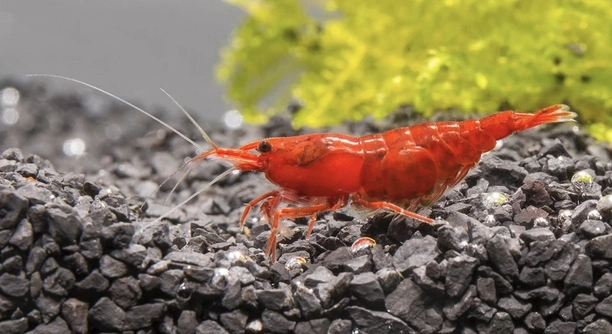
Have you ever noticed your cherry shrimp acting differently in its tank? Sometimes these tiny creatures show subtle changes before shedding their old shell, and recognizing them can help ensure their health and safety.
Cherry shrimp prepare to molt through physical and behavioral changes. These signs include a dulling of color, decreased activity, hiding more frequently, stretching movements, a softening of the exoskeleton, and a temporary loss of appetite, all indicating an imminent molt.
Knowing what to watch for can make caring for your shrimp easier and safer. Recognizing these early signals helps maintain a healthy environment for them.
Color Fading
Before a cherry shrimp molts, its bright colors often fade. You might notice the red or orange becoming duller than usual. This change is subtle and happens gradually over a day or two. The fading occurs because the shrimp is preparing to shed its old shell and needs to reabsorb minerals, which can temporarily reduce pigmentation. Observing this change closely helps you predict when the shrimp will molt, allowing you to provide extra care during this vulnerable time.
The loss of color is a natural part of the molting process. It signals that the shrimp is nearing the next stage of growth.
Pay attention to the intensity of your shrimp’s color. Changes in hue, especially combined with hiding or slower movement, indicate the shrimp is close to molting. Supporting them with proper water conditions and nutrition is key to a successful molt.
Increased Hiding
Cherry shrimp hide more often when molting is near. They seek secluded spots to feel secure while shedding their old exoskeleton.
Hiding reduces stress and protects them from other tank mates. During this period, avoid disturbing them, as stress can interfere with molting. Providing moss, plants, or small caves encourages natural behavior and supports safe molting. Observing their preference for specific hiding spots can also help you understand individual shrimp behavior.
During molting, a shrimp’s new shell is soft and vulnerable to damage. Predators or even other shrimp can accidentally harm it if it is exposed. Offering ample hiding spaces prevents injury and ensures the shrimp can complete its molt safely. Watch for shrimp that remain hidden longer than usual; this often indicates they are about to molt. Keeping water conditions stable with consistent temperature and quality will further reduce stress, making the process smoother. Ensuring they have access to calcium-rich food or supplements can strengthen the new exoskeleton. This combination of environmental support and careful observation allows you to protect your shrimp during one of its most delicate stages.
Reduced Appetite
Shrimp often eat less just before molting. This is normal and part of their preparation to shed their exoskeleton.
A decrease in appetite helps the shrimp conserve energy and reduces the risk of injury while it is vulnerable. You may notice it nibbling occasionally but avoiding full meals. During this time, it’s best to avoid overfeeding or introducing new foods that could stress the shrimp. Keep the water clean and provide small amounts of food, allowing them to eat at their own pace. Overfeeding can create waste, which harms water quality and can complicate the molting process.
Monitoring feeding habits helps identify when molting is near. Temporary loss of interest in food is expected and usually resolves after the molt. Patience and a stable environment ensure the shrimp regains strength quickly and grows successfully after shedding its old shell.
Stretching and Flexing
Shrimp often stretch or flex their bodies before molting. You may notice it arching or bending in unusual ways.
These movements are part of preparing the body to loosen the old shell. Flexing helps the shrimp build pressure internally, making it easier to shed the exoskeleton when the time comes. You might see it pulling its legs or antennae in ways that seem exaggerated. This is normal and indicates healthy preparation for growth. Stretching also signals that the new shell underneath is forming and softening. Avoid handling or disturbing the shrimp, as these movements are delicate and important.
During this stage, water quality plays a key role in safe molting. Stable temperature, low stress, and sufficient minerals like calcium support the shrimp in shedding successfully. Observing these movements gives insight into the shrimp’s health and timing. Providing hiding spots nearby ensures the shrimp can flex and molt without risk, keeping it protected from other tank mates or sudden disturbances. Proper monitoring during this phase helps prevent complications such as incomplete molts or injuries.
Softening Shell
Before molting, a cherry shrimp’s shell becomes soft and fragile. This allows the new exoskeleton underneath to expand and form properly.
A soft shell is a sign that molting is imminent. During this time, avoid handling the shrimp and keep the tank environment stable to reduce stress and prevent injury.
Slower Movement
Shrimp often move more slowly before a molt. This reduced activity helps conserve energy and limits the risk of damage to their fragile new shell. They may remain near hiding spots or linger at the bottom of the tank. Observing this behavior along with other signs confirms molting is near.
Clinginess to Surfaces
Shrimp frequently cling to plants, rocks, or tank walls before molting. This grip helps them stabilize while preparing to shed their shell.
Pale Antennae
A shrimp’s antennae may appear pale or translucent before molting. This subtle change is part of the overall fading and softening process. Watching for these small details helps predict the timing of the molt and ensures proper care.
FAQ
How often do cherry shrimp molt?
Cherry shrimp typically molt every four to six weeks, though this can vary depending on age, water quality, and diet. Younger shrimp molt more frequently as they grow rapidly, while adults molt less often. Temperature and mineral content in the water also influence the timing.
What should I do when my shrimp is about to molt?
Ensure the tank is calm and stress-free. Avoid handling or moving the shrimp, and provide plenty of hiding spaces. Keep water parameters stable and consistent, including temperature, pH, and hardness. Supplying calcium-rich foods or supplements can help strengthen the new exoskeleton.
Is it normal for shrimp to hide during molting?
Yes, hiding is a natural behavior. Shrimp become vulnerable after shedding their shell, so they instinctively seek cover. Plants, moss, and small decorations give them safe spaces to rest and recover. Disturbing them during this time can cause stress or injury.
Why is my shrimp not eating before molting?
Reduced appetite is common. Energy is diverted to preparing for the molt, and the digestive system may slow temporarily. This is normal and usually resolves once the new exoskeleton hardens. Avoid overfeeding, which can lead to water quality issues and stress.
What happens if a shrimp’s molt fails?
Failed molts can be dangerous and even fatal. Causes include low water quality, lack of minerals, or stress. A stuck exoskeleton can damage the shrimp’s body. If you notice incomplete molting, maintain optimal water conditions and provide extra calcium. Some shrimp may recover, but others may not survive.
Can shrimp molt without hiding?
While possible, it is not ideal. Hiding reduces the risk of injury from tank mates and external disturbances. Shrimp that cannot find cover are more likely to experience stress or incomplete molts. Ensuring plenty of safe spaces helps them molt successfully.
How long does a molt take?
The actual shedding process is quick, usually lasting a few minutes. However, preparation and recovery take longer. Shrimp may hide and appear inactive for several hours or even a day before and after molting. Providing a stable environment ensures they complete this process safely.
Do all shrimp show the same signs before molting?
Not always. While fading colors, hiding, and slower movement are common, individual shrimp may display some signs more prominently than others. Observing your specific shrimp helps you recognize its unique molting behaviors.
Can tank conditions affect molting?
Absolutely. Poor water quality, temperature fluctuations, or insufficient minerals can stress shrimp and cause molting problems. Maintaining clean water, stable temperature, and proper nutrients encourages healthy molts and supports overall shrimp growth.
How can I help my shrimp recover after molting?
Keep the tank quiet and stable. Ensure there is food available once the shrimp resumes feeding, and continue monitoring water conditions. Avoid adding new shrimp or rearranging decorations during recovery to reduce stress. Supporting them in these ways helps the new shell harden properly.
Is it normal for shrimp to molt at different times?
Yes, even in the same tank, shrimp may molt at varying intervals. Age, size, health, and social dynamics all play a role. Individual differences are expected, so observing each shrimp over time gives the best insight into their patterns.
Can I tell the sex of shrimp before molting?
Some differences can be observed, such as the shape of the body and size, but molts can make these distinctions less clear temporarily. After molting, the shrimp’s new exoskeleton may make gender traits more visible. Monitoring several molts may help with identification.
Do shrimp molt more in certain seasons?
Temperature and food availability can influence molting frequency. Warmer temperatures often increase activity and growth, leading to more frequent molts. Maintaining stable conditions year-round helps ensure consistent molting patterns regardless of external seasonal changes.
Are there signs that indicate a stressful molt?
Yes. Shrimp that struggle excessively, remain stuck in the exoskeleton, or show physical damage may be experiencing stress. Poor water quality, sudden changes, or overcrowding are common contributors. Immediate attention to tank conditions can sometimes prevent further harm.
Can other shrimp affect the molting process?
Yes. Aggressive or overly curious tank mates can stress a molting shrimp. Providing adequate hiding spaces reduces interaction and prevents injuries. Even gentle shrimp may accidentally damage a soft, newly molted shrimp if left without cover.
What role does diet play in molting?
Proper nutrition supports strong exoskeletons. Foods rich in calcium, minerals, and protein are essential before and after molting. A varied diet helps shrimp maintain energy and recover quickly, reducing the risk of incomplete or problematic molts.
How can I track molting patterns?
Keeping a simple journal or calendar noting behavior, hiding, and color changes can help. Observing patterns over time allows you to anticipate molts, provide better care, and detect any irregularities that may require attention.
Is it okay to remove old shells from the tank?
Old exoskeletons can be left in the tank, as shrimp sometimes eat them for extra nutrients. Removing them is optional but not necessary. If you choose to leave them, monitor water quality to avoid excessive decomposition.
Can molting be prevented?
No, molting is a natural and necessary process for growth. The goal is to support safe and healthy molts through proper care, nutrition, and tank conditions rather than trying to prevent them altogether.
What are the most important things to watch during molting?
Key factors include hiding behavior, color changes, appetite, and activity levels. Maintaining stable water parameters, providing calcium and minerals, and ensuring minimal stress are crucial. Observing these details ensures your shrimp molt safely and grow properly.
Molting is one of the most important processes in a cherry shrimp’s life. It allows them to grow and replace their old exoskeleton with a new, stronger one. Observing your shrimp closely can help you understand their behavior and anticipate when a molt is coming. Signs such as color fading, hiding more often, slower movement, or changes in appetite are all natural indicators that your shrimp is preparing for this process. Each shrimp may show these signs differently, and recognizing their individual patterns can make a big difference in providing proper care. Paying attention to these details helps you ensure that your shrimp experiences molting safely and without unnecessary stress, supporting their long-term health and growth in the tank environment.
Creating a supportive environment is key to helping your shrimp through this delicate phase. Providing plenty of hiding spots, such as moss, plants, or small decorations, allows them to feel safe while their new exoskeleton forms. Stable water conditions, including temperature, pH, and hardness, reduce stress and make the molting process smoother. Offering a diet rich in calcium and other minerals strengthens their shells and aids in recovery. Avoid overfeeding during this time, as excess food can degrade water quality and create an unsafe environment. Even minor disruptions, like moving decorations or handling shrimp, can interfere with molting. By focusing on a calm and well-maintained tank, you give your shrimp the best chance of completing each molt successfully. Observing their behavior and adjusting care as needed demonstrates a proactive approach that supports their overall wellbeing.
Understanding the molting process helps you respond appropriately when changes occur. Knowing that decreased appetite, softening shells, stretching, and paler antennae are natural signs reduces worry and prevents unnecessary interference. Similarly, recognizing stress indicators or incomplete molts allows you to take corrective action, such as stabilizing water conditions or adding minerals to the tank. Each molt is a sign of healthy growth and adaptation, and supporting your shrimp through this process strengthens their resilience. Tracking their behavior over time improves your ability to predict and accommodate future molts. Overall, being attentive, patient, and proactive ensures that your cherry shrimp remain healthy and continue thriving. These small but consistent efforts make a noticeable difference in the quality of life for your shrimp and help maintain a balanced, safe, and nurturing tank environment.

Hello,
If you enjoy the content that we create, please consider saying a "Thank You!" by leaving a tip.
Every little bit helps us continue crafting quality advice that supports the health, happiness, and well-being of pets around the world, for pets of all shapes, sizes, and species.
We really appreciate the kindness and support that you show us!