
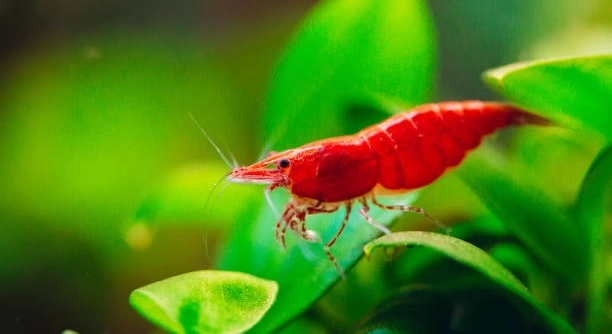
Keeping cherry shrimp healthy requires attention to their environment and daily care. These small, vibrant creatures thrive when their tank conditions are stable, clean, and suited to their natural preferences. Proper care ensures they live longer, active lives.
Maintaining cherry shrimp health involves monitoring water quality, providing balanced nutrition, preventing overcrowding, and offering a stable habitat. Regular tank maintenance, appropriate filtration, and proper acclimation reduce stress and disease, ensuring optimal growth, coloration, and longevity of these freshwater invertebrates.
Following these guidelines can make a noticeable difference in your shrimp’s well-being. Simple adjustments in care routines help them flourish in your aquarium.
Maintaining Optimal Water Conditions
Cherry shrimp are highly sensitive to water quality, making it essential to keep their tank clean and stable. Regularly test for ammonia, nitrite, and nitrate levels, as these compounds can be harmful even in small amounts. Maintain a pH level between 6.5 and 7.5, and keep water temperature consistent, ideally between 72°F and 78°F. Frequent partial water changes help remove waste and replenish essential minerals. Avoid sudden changes, as these can stress the shrimp and affect their health. Proper filtration and gentle water flow ensure oxygenation without creating strong currents that can disturb shrimp. Introducing live plants can also improve water quality while giving shrimp hiding spots. Monitoring water hardness is important, as too soft or too hard water can impact molting and growth. Keeping a stable, clean environment reduces stress, promotes vibrant coloration, and encourages natural behavior. Observing shrimp daily helps catch potential problems before they escalate.
Regular monitoring prevents harmful spikes and ensures a healthy environment for your shrimp.
Consistency in water conditions builds a strong foundation. Proper maintenance routines support molting, breeding, and overall shrimp vitality, making them thrive naturally in your care.
Balanced Diet and Feeding
A balanced diet is key for healthy cherry shrimp.
Provide a mix of high-quality shrimp pellets, blanched vegetables, and occasional protein sources. Avoid overfeeding, as leftover food can decay and harm water quality.
Feeding should meet nutritional needs without overwhelming the tank. Leafy greens like spinach or zucchini offer essential nutrients, while algae wafers and pellets supply proteins and minerals. Introducing biofilm-friendly surfaces encourages shrimp to graze naturally, supporting digestive health. Rotate food types to prevent deficiencies and encourage vibrant coloration. Be mindful of portion sizes, feeding only what shrimp can consume in a few hours. Excess food can lead to bacterial growth and water pollution, stressing the shrimp. For protein, consider occasional small amounts of brine shrimp or bloodworms, providing energy without upsetting water balance. Observation is important—shrimp appetite changes with molting cycles and environmental conditions. Maintaining a varied diet keeps shrimp active, supports molting, and enhances coloration, resulting in a lively and healthy tank population.
Avoiding Overcrowding
Overcrowding can stress cherry shrimp and lead to poor water quality, slower growth, and increased disease risk. Keeping population density appropriate ensures each shrimp has space to graze and molt safely.
Providing adequate hiding spots and plants helps reduce aggression in a crowded tank. Shrimp need room to molt without being disturbed, and too many can lead to competition for food. A well-planned tank size relative to the number of shrimp prevents stress-related health issues. Monitoring population growth and removing excess shrimp when necessary maintains a balanced environment. Overcrowding also increases waste production, making water maintenance more difficult and raising the risk of ammonia spikes. Proper stocking density supports healthy behavior, consistent feeding, and natural coloration. Observing interactions helps identify signs of stress or overcrowding, allowing timely adjustments. Managing numbers thoughtfully ensures shrimp thrive and the tank remains stable.
A balanced population supports healthy molting, coloration, and overall activity in the tank.
Maintaining appropriate stocking prevents stress and disease while allowing natural behaviors. Each shrimp benefits from enough space to move, feed, and grow without interference.
Regular Tank Cleaning
Cleaning the tank regularly keeps the environment stable and shrimp healthy.
Remove debris, uneaten food, and waste during weekly maintenance. Light gravel vacuuming prevents buildup while leaving biofilm intact.
Regular cleaning prevents harmful chemical buildup and keeps water conditions stable. While deep cleaning is not necessary, partial water changes and careful substrate maintenance reduce stress. Filters should be checked and rinsed in tank water to preserve beneficial bacteria. Scrubbing algae from tank walls helps maintain clarity without disturbing shrimp too much. Live plants also contribute to a cleaner tank by absorbing nutrients that would otherwise accumulate. Avoid harsh chemicals, as even small amounts can be deadly to shrimp. Observing water clarity, plant health, and shrimp activity during cleaning can help identify issues early. Consistent, gentle cleaning routines support healthy molting, vibrant coloration, and active behavior, making the tank safer and more comfortable for shrimp.
Proper Acclimation
Introducing new shrimp slowly reduces stress and prevents shock. Drip acclimation is the safest method for adjusting them to the tank’s water parameters.
Sudden changes in temperature, pH, or hardness can be fatal. Gradually mixing tank water with the transport water over a few hours helps shrimp adjust safely.
Stable Temperature
Maintaining a consistent temperature between 72°F and 78°F is essential for shrimp health. Sudden fluctuations can stress them, affect molting, and weaken immunity.
Using a reliable heater with a thermostat helps maintain stability. Avoid placing the tank near drafts or direct sunlight. Monitoring daily ensures early detection of temperature changes, keeping shrimp safe.
Avoiding Stress
Minimizing stress improves shrimp activity and lifespan. Limit loud noises, sudden movements, and excessive handling, as these disturbances can trigger hiding or molting issues.
Keeping a calm, stable environment encourages natural behavior and helps shrimp thrive.
FAQ
How often should I feed my cherry shrimp?
Cherry shrimp should be fed small amounts once a day, ensuring they can consume all food within a few hours. Overfeeding can lead to decaying food, poor water quality, and stress. A varied diet of pellets, blanched vegetables, and occasional protein sources supports healthy growth and vibrant coloration.
What is the ideal tank size for cherry shrimp?
A tank of at least 10 gallons is recommended for a small colony. This provides enough space to graze, molt safely, and avoid overcrowding. Adding plants and hiding spots helps reduce stress and encourages natural behavior. Proper filtration and water maintenance are easier in a slightly larger tank.
How can I prevent diseases in my shrimp tank?
Maintaining stable water parameters, avoiding overcrowding, and performing regular tank cleaning reduce disease risk. Quarantining new shrimp and plants before introducing them to the main tank helps prevent contamination. Stress reduction through proper temperature, hiding spots, and gentle water flow is also essential.
Why are my shrimp losing color?
Fading coloration is often caused by poor nutrition, stress, or suboptimal water conditions. Ensure a balanced diet rich in minerals and proteins, maintain stable water parameters, and reduce stress factors. Healthy shrimp exhibit bright colors, active behavior, and regular molting.
How often should I change the water?
Partial water changes of 20–30% once a week help maintain water quality. Using dechlorinated water at the same temperature as the tank prevents shock. Frequent, small changes are better than large, sudden changes, which can stress shrimp and affect molting cycles.
Can cherry shrimp live with other fish?
Yes, but choose small, peaceful fish that won’t prey on shrimp. Avoid aggressive or large species. Providing hiding spots like plants, moss, and decorations helps shrimp feel secure and reduces the risk of injury or predation.
What should I do if shrimp stop eating?
Loss of appetite can indicate stress, poor water quality, illness, or molting. Check water parameters, ensure proper feeding, and observe for signs of disease or molting. Isolate affected shrimp if necessary and adjust tank conditions to reduce stress.
How can I encourage breeding?
Provide stable water conditions, a healthy diet, and plenty of hiding spots. Female shrimp need optimal nutrition to carry eggs, and males should have access to multiple females. Clean, stable water with minimal stress encourages successful mating and healthy offspring.
Is it normal for shrimp to molt frequently?
Yes, molting is a natural process for growth. Juveniles molt more often than adults. Ensure water conditions are stable, and provide calcium-rich foods to support proper exoskeleton development. Molting shrimp are vulnerable, so hiding spots are important to prevent injury.
What is the best way to handle cherry shrimp?
Minimize handling to reduce stress and risk of injury. Use a small net gently if necessary, but avoid unnecessary contact. Observing them in the tank is safer and helps you monitor health without disturbing natural behaviors.
How do I know if water parameters are safe?
Regular testing for ammonia, nitrites, nitrates, pH, and hardness is essential. Ideal ranges are low ammonia and nitrites, nitrates below 20 ppm, pH 6.5–7.5, and moderate hardness. Stable parameters prevent stress, molting issues, and disease outbreaks.
Why are my shrimp hiding all the time?
Hiding can indicate stress from poor water conditions, aggressive tank mates, or molting. Ensure adequate hiding spots, stable parameters, and minimal disturbances. Shrimp naturally hide during molting, so occasional hiding is normal, but constant hiding signals a problem.
How can I improve water quality naturally?
Adding live plants, using a gentle filter, and maintaining a clean substrate help maintain natural water quality. Avoid chemical treatments unless necessary, and perform regular partial water changes. Live plants also provide grazing surfaces and contribute to a stable ecosystem.
What foods are harmful to cherry shrimp?
Avoid processed human foods, oily items, and anything that decays quickly. Certain fruits, vegetables, and meats can spoil and pollute water, leading to stress or disease. Stick to shrimp pellets, blanched vegetables, algae, and occasional small protein sources.
Can cherry shrimp survive in cold water?
They tolerate slightly cooler water but thrive in 72°F–78°F. Temperatures consistently below 65°F slow metabolism, growth, and reproduction, and increase susceptibility to disease. Maintaining a stable temperature with a reliable heater prevents these issues.
How long do cherry shrimp live?
Cherry shrimp generally live 1.5–2 years. Lifespan depends on water quality, diet, stress levels, and overall care. Healthy conditions and consistent care can help them reach their full lifespan while maintaining color, activity, and reproductive capability.
What signs indicate a sick shrimp?
Lethargy, color fading, loss of appetite, unusual swimming patterns, or difficulty molting are common signs. Early detection through observation and water testing allows for prompt intervention. Adjusting tank conditions and providing proper nutrition can prevent further decline.
How can I safely remove shrimp from the tank?
Use a fine mesh net gently to avoid injury. Work slowly and avoid stressing other tank inhabitants. Do not scoop quickly or touch the shrimp directly, as their exoskeleton is delicate and prone to damage.
Can I use tap water for my shrimp tank?
Tap water must be dechlorinated and tested for hardness, pH, and other chemicals. Using a water conditioner ensures chlorine, chloramine, and heavy metals are neutralized. Stable water preparation supports shrimp health and prevents stress-related issues.
What is the best substrate for cherry shrimp?
Fine gravel or sand is ideal. Darker substrates enhance coloration and make shrimp feel secure. Avoid sharp substrates that can damage delicate appendages. Substrate also provides surface for biofilm growth, which is a natural food source.
How important are plants in the tank?
Plants provide grazing surfaces, hiding spots, and help maintain water quality. Mosses, Java fern, and floating plants create natural cover and reduce stress. Well-planted tanks support molting, breeding, and natural behaviors, improving overall shrimp health.
How do I prevent algae overgrowth?
Maintain proper lighting, avoid overfeeding, and introduce algae-eating organisms like snails. Regular water changes and plant growth help balance nutrients. Algae control ensures clean surfaces for grazing and prevents water quality issues that stress shrimp.
What should I do if shrimp die suddenly?
Check water parameters immediately for ammonia, nitrites, or temperature fluctuations. Review recent changes in diet, tank mates, or cleaning routines. Sudden deaths often indicate environmental stress, poor water quality, or disease outbreak. Addressing these factors promptly helps protect remaining shrimp.
Are shrimp sensitive to chemicals in the air?
Yes, aerosols, cleaning products, or chemicals near the tank can harm shrimp. Keep tanks away from sprays, perfumes, and fumes. Proper ventilation and careful household habits prevent exposure and maintain a safe environment.
How do I encourage shrimp to graze naturally?
Providing biofilm-rich surfaces like driftwood, rocks, and live plants encourages grazing. Avoid over-cleaning surfaces, as natural biofilm is an important food source. Grazing supports digestion, coloration, and overall health, making shrimp more active and visible.
Can I mix different shrimp species in one tank?
Some species can cohabit, but differences in size, temperament, and water needs must be considered. Incompatible species can stress each other, reduce breeding success, or lead to aggression. Research species compatibility before mixing.
How do I know when shrimp are ready to molt?
Shrimp often become less active, hide more, and their color may dull slightly. Exoskeleton appears tight and shiny before molting. Providing hiding spots ensures safety during this vulnerable phase. Proper water quality and nutrition support successful molts.
What is the best lighting for cherry shrimp?
Moderate lighting supports plant growth without promoting excessive algae. Avoid intense, prolonged light that can stress shrimp. A balanced day-night cycle helps maintain natural behavior, feeding, and molting patterns.
How do I prevent shrimp from escaping the tank?
Ensure a tight-fitting lid or cover to prevent jumping. Cherry shrimp are small but can climb and explore, so secure all openings. Keeping a safe environment prevents loss and protects them from household hazards.
Can cherry shrimp live in a tank without plants?
Yes, but plants provide grazing surfaces, hiding spots, and water quality support. A bare tank requires extra care with hiding spaces and biofilm surfaces to keep shrimp comfortable and healthy. Plants make maintenance easier and improve overall shrimp welfare.
What should I do if a shrimp gets stuck in molting?
Carefully leave it undisturbed, as excessive handling can cause injury. Ensure water parameters are optimal and calcium levels are sufficient. Most shrimp complete molting successfully if stress is minimized and conditions are stable.
How important is tank cover for shrimp?
A secure cover prevents jumping and keeps the tank environment stable. It reduces evaporation, protects shrimp from contaminants, and maintains consistent temperature and humidity. Covers are essential for safety and health maintenance.
How can I reduce shrimp stress during tank maintenance?
Perform gentle water changes, avoid sudden movements, and handle equipment slowly. Keeping routines consistent and minimizing disruption helps shrimp feel safe, reducing hiding and molting problems. Observing behavior after maintenance ensures stress is minimized.
What is the best way to monitor shrimp health daily?
Watch activity levels, coloration, feeding behavior, and molting frequency. Regular observation helps detect early signs of stress, disease, or environmental problems. Keeping a checklist of water parameters and shrimp behavior ensures proactive care.
Can cherry shrimp survive in brackish water?
They are freshwater species and generally do not tolerate brackish conditions. Sudden salinity changes can be fatal. Maintaining freshwater with stable parameters ensures long-term health, molting success, and reproduction.
What happens if a shrimp molts in poor water conditions?
Molting in unstable or poor water conditions increases mortality risk and exoskeleton deformities. Stress, incorrect pH, or low calcium can prevent successful molts, making shrimp vulnerable. Stable, clean water and proper nutrition are essential for safe molting.
How do I know if my shrimp tank is too small?
Shrimp appearing stressed, overcrowded, or competing for food indicates insufficient space. Small tanks also make water maintenance difficult and raise ammonia spikes. Ensuring adequate space supports growth, molting, and healthy behavior.
Can I use fertilizers in a planted shrimp tank?
Yes, but only shrimp-safe fertilizers without copper or harmful chemicals. These support plant growth, improve grazing surfaces, and maintain water quality. Always check ingredients and use recommended doses to avoid harming shrimp.
How do I identify male and female shrimp?
Females are generally larger, with a curved underbelly for carrying eggs. Males are smaller, more slender, and often swim more actively. Observing these differences helps manage breeding and population balance.
What signs indicate overfeeding?
Excess food left in the tank after feeding, cloudy water, or increased algae growth indicate overfeeding. Removing uneaten food promptly prevents water quality issues and stress for shrimp.
How can I safely transport shrimp?
Use a sealed container with water from their tank, maintaining temperature stability. Minimize movement and avoid overcrowding during transport. Acclimate slowly to the new tank using drip acclimation to prevent shock.
Can cherry shrimp survive without hiding spots?
Hiding spots are important for molting, stress reduction, and natural behavior. Without them, shrimp may become stressed, hide less, or experience higher mortality rates during vulnerable periods. Providing plants, moss, or decorations ensures safety and comfort.
How do I know if shrimp are stressed?
Signs include constant hiding, color fading, lethargy, erratic swimming, or molting difficulties. Monitoring water parameters, tank mates, and handling routines helps identify stress causes and correct them promptly.
What is the effect of ammonia on cherry shrimp?
Even low levels of ammonia are toxic, causing stress, lethargy, and death. Regular water testing, partial changes, and proper filtration prevent accumulation. Maintaining a clean environment ensures shrimp health and molting success.
How long does it take for shrimp to adjust to a new tank?
Adjustment usually takes several hours to a few days. Gradual acclimation, stable water parameters, and minimal disturbances help shrimp settle in, reducing stress and supporting normal feeding and activity.
Can I use aquarium salt with cherry shrimp?
Aquarium salt should be used cautiously, in very low doses if at all. Many cherry shrimp are sensitive to salt, and high concentrations can harm or kill them. Research species tolerance before use.
What are the signs of a healthy shrimp?
Bright color, active grazing, regular molting, and normal swimming indicate health. Consistent feeding, minimal stress, and stable water conditions support these traits. Observing daily ensures issues are caught early.
How do I introduce new shrimp to an established tank?
Quarantine new shrimp and acclimate them slowly using drip methods. Introduce only a few at a time to reduce stress, monitor water parameters, and prevent disease introduction. Gradual integration ensures colony stability.
Can shrimp live with snails?
Yes, most peaceful snail species are compatible. Snails help clean surfaces and do not harm shrimp. Ensure the tank is large enough to support both populations without overcrowding.
How often should I check water parameters?
Testing water weekly is recommended, with more frequent checks during changes, breeding, or illness. Regular monitoring ensures stability and prevents conditions that could stress or harm shrimp.
What happens if shrimp eat too much protein?
Excess protein can pollute water and lead to molting problems, stress, or kidney issues. Feeding a balanced diet with occasional protein treats ensures growth without compromising water quality.
Can cherry shrimp survive in soft water?
Yes, but very soft water may require calcium supplementation to support molting and exoskeleton development. Monitoring water hardness and maintaining stable conditions prevents deficiencies and health problems.
How do I prevent shrimp from being stressed by tank mates?
Choose peaceful, small species, provide hiding spots, and maintain stable conditions. Avoid aggressive or predatory fish, and observe interactions regularly. A calm, balanced tank reduces stress and supports shrimp health.
Can cherry shrimp eat algae alone?
Algae alone is not sufficient for long-term health. Supplement with pellets, vegetables, and occasional protein to ensure proper nutrition, molting success, and coloration.
How long should shrimp be quarantined before introduction?
Quarantine for at least 2–3 weeks to monitor for disease and allow safe acclimation. This prevents introducing pathogens into the main tank and ensures shrimp are healthy before joining the colony.
What are the risks of sudden pH changes?
Rapid shifts in pH can cause stress, molting issues, and death. Stable pH within the recommended range supports natural behavior, feeding, and growth. Gradual adjustments are essential if correction is needed.
How do I prevent molting problems?
Provide stable water, adequate calcium, a balanced diet, and hiding spots. Monitoring water parameters and avoiding stress ensures successful molts, reduces mortality, and maintains healthy exoskeleton development.
Can cherry shrimp survive in a bare tank without substrate?
Yes, but they benefit from substrate for biofilm growth and grazing. A bare tank requires alternative surfaces and extra feeding to compensate, and hiding spots are still necessary for molting safety.
What is the ideal pH for cherry shrimp?
A pH between 6.5 and 7.5 supports health, molting, and reproduction. Maintaining stable pH prevents stress, color fading, and mortality, ensuring a thriving colony.
How do I know if a shrimp is ready to breed?
Females carrying eggs in the saddle area, active males, and stable tank conditions indicate breeding readiness. Proper nutrition, hiding spots, and calm environments support successful reproduction.
Can I use tap water directly without testing?
No, always test and condition tap water to remove chlorine, chloramine, and adjust pH or hardness. Untreated tap water can be fatal and harm shrimp immediately.
What are the most common shrimp diseases?
Bacterial infections, fungal growth, and parasitic infestations are most common. Early detection through observation and stable water management reduces risk. Quarantine new additions to prevent outbreaks.
How do I increase biofilm for shrimp grazing?
Add driftwood, rocks, and live plants while avoiding excessive cleaning. Biofilm naturally develops on surfaces and supports healthy grazing, digestion, and color development in shrimp.
Can cherry shrimp tolerate high nitrate levels?
No, nitrates above 20–30 ppm can stress shrimp, slow growth, and reduce coloration. Regular water changes and plant uptake help keep nitrate levels safe.
How do I safely remove dead shrimp?
Use a small net or siphon to remove immediately. Leaving dead shrimp in the tank can degrade water quality and stress others. Gentle removal prevents damage to tank inhabitants.
Can I keep shrimp in a community tank?
Yes, with careful selection of peaceful, small fish. Avoid aggressive species, provide hiding spots, and monitor interactions to reduce stress and predation risk.
What is the effect of light on shrimp behavior?
Moderate light encourages plant growth and natural grazing. Excessive light can stress shrimp, increase algae, and disrupt activity. Maintaining a balanced day-night cycle supports health.
How do I prevent shrimp from molting in unsafe areas?
Provide hiding spots and secure tank decorations. Ensuring soft surfaces and calm areas reduces the risk of injury or stress during molting. Observation helps identify unsafe locations.
Can cherry shrimp survive without supplemental calcium?
They may struggle with molting and exoskeleton strength. Providing calcium-rich foods or mineral supplements supports healthy growth and reduces molting issues.
How do I know if water hardness is suitable?
Test GH (general hardness) and KH (carbonate hardness). Moderate GH supports molting, while KH stabilizes pH. Stable hardness prevents stress and supports overall health.
What should I do if water tests are abnormal?
Perform partial water changes, adjust filtration, and monitor parameters closely. Correcting abnormalities promptly prevents stress, molting issues, and mortality.
Can cherry shrimp tolerate fluctuating temperatures?
No, fluctuations cause stress, molting problems, and illness. A stable temperature between 72°F–78°F is essential for health, coloration, and reproduction.
How can I increase shrimp activity?
Provide stable water, hiding spots, natural grazing surfaces, and a balanced diet. Avoid overcrowding and sudden disturbances to encourage normal movement and feeding behavior.
Are there signs of overcrowding I should watch for?
Constant hiding, competition for food, and slower growth indicate overcrowding. Reducing numbers or increasing tank size maintains health, reduces stress, and supports natural behavior.
Can cherry shrimp live with shrimp of other colors?
Yes, but breeding may produce mixed offspring colors. Ensure compatible species and avoid aggressive interactions. Maintaining healthy conditions supports all shrimp regardless
Keeping cherry shrimp healthy requires consistent care and attention to detail. Maintaining stable water conditions, providing appropriate food, and ensuring a safe environment are all key factors. Small changes in pH, temperature, or water quality can have significant impacts on shrimp health. Regular water testing and partial water changes help maintain a balanced environment. A tank that is clean but not sterile provides surfaces for biofilm growth, which shrimp feed on naturally. Adding live plants, moss, and decorations not only creates hiding spots but also improves water quality by absorbing nutrients. Observing shrimp behavior daily allows for early detection of stress, illness, or molting problems, helping prevent larger issues before they become serious. Consistency in routine maintenance is important, as sudden changes can be stressful and affect feeding, activity, and reproduction. Overcrowding should be avoided to prevent competition for food and hiding spaces, which can lead to stress and health problems.
Nutrition plays a major role in keeping shrimp active and vibrant. A balanced diet of shrimp pellets, blanched vegetables, and occasional protein sources provides essential nutrients for growth, molting, and coloration. Overfeeding should be avoided, as leftover food can decay and affect water quality. Rotating food types helps prevent nutritional deficiencies and encourages shrimp to graze naturally. Biofilm-rich surfaces such as plants, driftwood, or rocks supplement their diet and support digestive health. Monitoring feeding habits and adjusting portions as needed ensures shrimp are getting enough without overloading the tank. During molting, females and juveniles may require extra care, including hiding spots and stable water conditions, to support healthy exoskeleton formation. Attention to dietary needs directly influences coloration, activity, and reproductive success, making nutrition an essential part of shrimp care.
Finally, creating a calm and safe environment is essential for long-term health. Stress factors such as sudden movements, loud noises, incompatible tank mates, or fluctuating water conditions can lead to hiding, poor feeding, or failed molts. Using gentle filtration, a secure lid, and providing plants or moss for cover helps shrimp feel secure and reduces risk of injury. Proper acclimation when introducing new shrimp prevents shock and allows them to adjust to their new home. Regular observation helps identify any behavioral changes, health concerns, or water issues promptly. By focusing on stable water, balanced nutrition, appropriate tank population, and a stress-free environment, shrimp can thrive, display vibrant colors, and remain active. Attention to these basic but critical factors supports their growth, longevity, and overall well-being, ensuring a healthy and lively tank.

Hello,
If you enjoy the content that we create, please consider saying a "Thank You!" by leaving a tip.
Every little bit helps us continue crafting quality advice that supports the health, happiness, and well-being of pets around the world, for pets of all shapes, sizes, and species.
We really appreciate the kindness and support that you show us!