
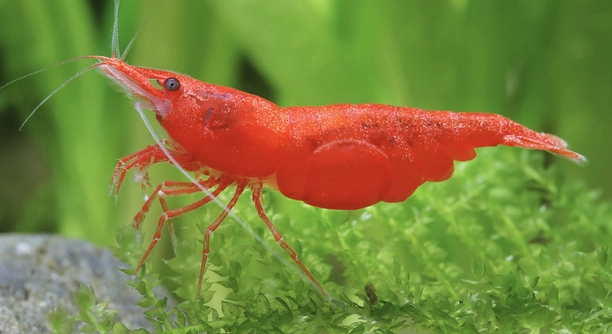
Cherry shrimp are small, colorful freshwater creatures often kept in home aquariums. Their delicate movements and gentle nature make them appealing companions for hobbyists who enjoy observing aquatic life. These shrimp bring life and charm to any tank.
Research indicates that cherry shrimp can become familiar with their owners’ presence. While they may not recognize humans in a traditional sense, they respond to feeding routines and movement patterns, demonstrating a basic form of recognition and learned behavior.
Observing their interactions can reveal surprising insights into their behavior and attachment within the tank environment.
How Cherry Shrimp Respond to Owners
Cherry shrimp often react to their owners through simple cues, mainly related to feeding times. They can learn to associate the presence of a person near the tank with food. Over time, shrimp may swim toward the side of the tank where they usually receive food. Their responses are subtle, often limited to small movements or increased activity near the glass. While they do not exhibit complex social behaviors like mammals, their recognition shows a basic memory and learning ability. Observing these reactions can make caring for them more engaging, as it demonstrates that even tiny creatures can adapt to consistent patterns in their environment. These shrimp rely heavily on routine, so regular feeding schedules help them feel secure and responsive. Movement outside the tank, shadows, or vibrations can all trigger a reaction, reinforcing the connection between the owner’s presence and positive outcomes.
This recognition is primarily based on repetition and conditioning rather than true emotional attachment.
Paying attention to these behaviors allows owners to notice small changes, improving shrimp care and tank management.
Signs Your Shrimp Recognize You
A clear indicator of recognition is shrimp approaching the tank when someone is nearby.
Cherry shrimp respond to familiar cues through repeated interactions. Over time, they may show excitement when you approach, especially during feeding. They recognize movement, hand shadows, and subtle vibrations outside the tank, associating these with food. This behavior is reinforced by consistency, so maintaining a predictable routine enhances their responsiveness. Recognition does not imply affection but reflects learned behavior and environmental awareness. By watching these small responses, owners can understand shrimp habits and adjust care practices accordingly. Feeding shrimp at irregular times may confuse them, reducing their recognition of your presence. Noticing these interactions can also help identify stress or illness if shrimp suddenly stop responding. Gentle handling, minimal disturbance, and consistent feeding schedules encourage positive reactions, creating a more harmonious aquarium environment. Observing these patterns strengthens the connection between owner actions and shrimp responses, offering a sense of engagement and satisfaction in tank management.
Factors Affecting Recognition
Light and tank setup influence how well cherry shrimp notice their owners. Clear visibility and minimal decorations near the front of the tank make it easier for shrimp to respond to movement or feeding cues.
Cherry shrimp rely on visual cues and routine to recognize patterns in their environment. Tanks with plenty of hiding spaces may limit visibility, reducing their responsiveness. Water clarity also plays a significant role; murky or algae-covered tanks can make it harder for shrimp to detect movement near the glass. Frequent changes to the tank layout or decoration can confuse them, weakening learned responses. Predictable lighting and placement of plants help shrimp feel secure while still allowing them to notice activity outside the tank. Over time, they learn to associate regular routines with positive outcomes, like feeding.
Temperature and water conditions also impact shrimp activity. Warmer, stable environments encourage movement and responsiveness, whereas sudden changes may make them retreat. Consistent care reinforces recognition and comfort within the aquarium.
Training Cherry Shrimp to Respond
Consistency is key when encouraging shrimp to notice your presence. Feed at the same times each day and move slowly near the tank.
Repeated exposure to predictable actions strengthens shrimp responses. By offering food from the same location and maintaining a gentle approach, shrimp begin to associate these cues with positive outcomes. Avoid sudden movements, loud noises, or tapping the tank, as these can startle them. Over weeks, shrimp may swim toward the area of the tank where feeding occurs, demonstrating learned recognition. Using a small tool or hand for feeding can reinforce this behavior further, creating a routine they can anticipate. Regular observation helps identify subtle reactions, such as changes in swimming patterns or activity levels near the glass. Tracking these patterns provides insight into their learning process. Gradual training encourages engagement without stressing the shrimp.
Observing their responses can be rewarding and allows owners to adjust care practices for a more harmonious tank environment. Patience and repetition are essential to fostering this recognition.
Understanding Shrimp Behavior
Cherry shrimp respond mostly to routine and environmental cues. They move toward familiar activity near the tank and increase activity around feeding times.
Stress or sudden changes can make them hide. Observing these patterns helps understand their comfort level and responsiveness in the tank.
Feeding Patterns and Recognition
Feeding routines are essential in shaping shrimp recognition. Cherry shrimp associate consistent feeding times and locations with food, which helps them identify owner presence. By offering food from the same spot and using gentle, slow movements, shrimp gradually learn to react predictably. Tank conditions, like water clarity and decoration placement, also affect visibility and responsiveness. Maintaining a calm and stable environment supports this learning process. Over time, shrimp begin to swim toward the feeding area even before food is introduced, showing that they recognize familiar cues. This learned behavior demonstrates basic memory and environmental awareness, emphasizing the importance of routine in their care.
Movement and Visual Cues
Shrimp notice shadows and subtle movements outside the tank, responding with increased activity and curiosity.
FAQ
Can cherry shrimp really recognize their owners?
Yes, cherry shrimp can recognize patterns associated with their owners, mainly through feeding routines and movement outside the tank. They respond to repeated cues like shadows, vibrations, and consistent hand placement. This recognition is not emotional but shows basic memory and learning ability.
How long does it take for shrimp to respond to my presence?
It varies depending on consistency and tank conditions. Most shrimp start reacting after a few weeks of regular feeding at the same location and time. Some may take longer if the tank is heavily decorated or if water conditions change frequently. Predictable routines improve response time.
What behaviors show that shrimp recognize me?
Shrimp may swim toward the front of the tank, gather near the feeding area, or increase activity when they detect familiar movement. Subtle changes like antennae twitching or gentle swimming toward the glass are also indicators of recognition.
Does tank setup affect shrimp recognition?
Yes, the layout, hiding spots, and visibility play a role. Tanks with open areas and clear water make it easier for shrimp to notice movement and respond to owners. Excessive decorations or murky water can limit visual cues, reducing recognition.
Can shrimp recognize my face or just my presence?
Cherry shrimp do not recognize faces. Their recognition is based on movement patterns, feeding behavior, shadows, and vibrations. They associate certain actions with positive outcomes, such as being fed, rather than identifying specific features.
Will shrimp respond to any movement near the tank?
Not all movement triggers a response. Shrimp react mostly to repeated or familiar cues, particularly ones associated with feeding. Sudden or unfamiliar movement may startle them, causing them to hide instead of approach. Consistency encourages positive responses.
Do shrimp recognize different people?
Shrimp are more likely to recognize whoever feeds them consistently. They can differentiate based on routine and repeated exposure rather than identifying specific individuals. Changing feeders frequently can reduce their recognition and response.
Can I train shrimp to respond better?
Yes, training involves consistent feeding times, gentle movement, and minimizing sudden disturbances. Using the same spot for food delivery and keeping a calm environment reinforces recognition. Gradually, shrimp learn to associate these cues with predictable outcomes.
Does water quality affect shrimp recognition?
Absolutely. Poor water quality can stress shrimp, making them less active and less likely to respond to owners. Maintaining stable water parameters supports normal behavior and enhances their ability to notice environmental cues.
How do I know if my shrimp are stressed?
Shrimp may hide constantly, become lethargic, or stop eating. Sudden changes in recognition or responsiveness can indicate stress. Observing behavior alongside water parameters helps identify and resolve potential issues.
Is it normal for shrimp to ignore me sometimes?
Yes. Shrimp may choose to hide or rest, even if they recognize familiar cues. Their activity can fluctuate due to molting, stress, or tank conditions. Temporary lack of response is normal and usually not a concern.
Do all cherry shrimp recognize owners the same way?
Responses can vary between individual shrimp. Some are more active or curious, while others remain cautious. Factors like age, personality, and past experiences influence how consistently they respond to familiar cues.
Can lighting affect recognition?
Yes. Bright or sudden changes in lighting can startle shrimp. Consistent, gentle lighting allows them to notice movement outside the tank without stress, supporting recognition over time.
Should I tap the tank to get their attention?
No. Tapping can stress shrimp and may cause them to hide. Gentle movement and predictable routines are far more effective in encouraging recognition without negative effects.
What else can I do to improve recognition?
Keep routines consistent, maintain water quality, minimize disturbances, and observe shrimp behavior daily. Gradual exposure to repeated cues builds familiarity, making them more responsive and easier to observe.
This FAQ covers the most common questions about cherry shrimp recognition and behavior, offering practical guidance for improving interactions and understanding their responses in a home aquarium.
Cherry shrimp are small, delicate creatures that bring life and color to any aquarium. Observing them can be surprisingly engaging, especially when you notice subtle patterns in their behavior. These shrimp rely heavily on routine, particularly when it comes to feeding, and they gradually learn to recognize repeated cues in their environment. While they do not have the cognitive ability to recognize humans in the way mammals might, they do respond to movement, shadows, and vibrations outside the tank. Over time, this creates a form of learned recognition that can make caring for them feel more interactive. Consistency in daily care is essential, as it helps shrimp feel secure and comfortable in their environment. Small details, such as the timing and location of feedings, can influence how quickly they respond to your presence. Even tiny gestures, like approaching the tank slowly or keeping water conditions stable, can encourage a more noticeable response from them.
Maintaining a proper tank setup is also key to observing these behaviors. Clear water, gentle lighting, and thoughtful placement of plants and decorations allow shrimp to notice activity near the glass. Overcrowded or heavily decorated tanks may limit visibility, making it harder for shrimp to recognize familiar patterns. Water quality plays an equally important role. Poor conditions can cause stress, reducing shrimp activity and their likelihood of responding to external cues. Stable temperature and clean, well-maintained water encourage natural behavior and make shrimp more responsive. By observing their movements during feeding times or when you approach the tank, you can better understand their individual habits and preferences. Noticing these patterns helps you adjust care routines, ensuring that the shrimp remain healthy and active. Gradual, consistent exposure to repeated cues builds recognition, creating a subtle yet satisfying connection between you and the shrimp.
It is important to keep expectations realistic. Cherry shrimp will not show affection in the way mammals or birds might, and their recognition is limited to learned behaviors rather than emotional attachment. Still, the responses they display can be rewarding to observe and provide insight into their small but fascinating world. By maintaining a consistent routine, minimizing sudden disturbances, and providing a suitable environment, shrimp gradually become more responsive to your presence. This interaction, while simple, adds an extra layer of engagement to aquarium care. Over time, you may notice shrimp swimming toward the feeding area or becoming more active when you are nearby, demonstrating that even these tiny creatures are capable of learning and adapting. Understanding this allows owners to provide better care, create a comfortable habitat, and enjoy the subtle dynamics of watching shrimp interact with their surroundings. Small, consistent actions can make a meaningful difference in how shrimp perceive and react to their environment, enriching the experience of keeping these unique aquatic pets.

Hello,
If you enjoy the content that we create, please consider saying a "Thank You!" by leaving a tip.
Every little bit helps us continue crafting quality advice that supports the health, happiness, and well-being of pets around the world, for pets of all shapes, sizes, and species.
We really appreciate the kindness and support that you show us!