
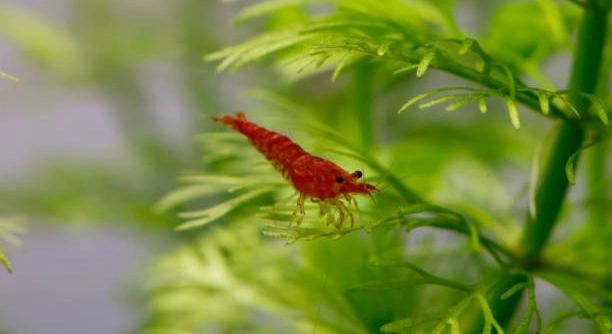
Is your cherry shrimp lying on its side and not moving as usual? Observing your shrimp behaving differently can be worrying. Many owners notice this sudden change and wonder if something is seriously wrong with their tiny pet.
The most common reasons a cherry shrimp lies on its side include water quality issues, stress, molting complications, or illness. Maintaining proper water parameters, diet, and a calm environment is essential to prevent these conditions.
Understanding why this happens can help you take better care of your shrimp and ensure they remain healthy and active in your aquarium.
Common Causes of a Cherry Shrimp Lying on Its Side
When a cherry shrimp lies on its side, the first thing to check is the water quality. High ammonia, nitrite, or nitrate levels can easily stress your shrimp. Temperature fluctuations or sudden changes in pH can also weaken their health. Another reason may be molting issues. If a shrimp struggles to shed its old exoskeleton, it can temporarily lie on its side. Stress from tankmates or overcrowding can cause them to behave unusually, as can poor diet lacking essential nutrients. Observing other shrimp for similar behavior can help determine if the issue is environmental or health-related. Regular water testing and maintaining a stable, clean tank is critical. Providing hiding spots during molting and ensuring a balanced diet with calcium-rich foods helps prevent these situations.
Proper care and observation usually prevent long-term problems, but early action is necessary for recovery.
Monitoring water parameters consistently is key to keeping shrimp active and healthy in the tank.
Water Quality and Its Impact
Poor water quality is the leading factor affecting shrimp health. Even small imbalances can cause severe stress and unusual behavior. Maintaining proper filtration and doing regular water changes ensures the tank remains stable.
Testing water weekly and adjusting pH, temperature, and ammonia levels prevents most common issues. Providing a clean, stable environment is essential for shrimp survival.
When water conditions are not optimal, shrimp may lie on their side or exhibit lethargy. Ammonia and nitrite are highly toxic, and even low levels over time can damage their gills and nervous system. Nitrate accumulation, while less immediately harmful, can stress shrimp and reduce immunity. Temperature swings or sudden pH shifts disrupt metabolic processes, affecting their molting cycle. Overfeeding can also contribute to water quality issues, creating excess waste and algae growth. Regular tank maintenance, including substrate cleaning and partial water changes, is essential to reduce these risks. Observing your shrimp daily allows you to spot early signs of stress before it becomes fatal. Implementing proper diet, stable tank conditions, and careful monitoring creates a safer, healthier environment for cherry shrimp to thrive.
Molting Problems
Molting is a vulnerable time for cherry shrimp. Difficulty shedding their old exoskeleton can leave them weak and lying on their side. Proper calcium and mineral intake is essential to support successful molting.
Shrimp that struggle to molt may remain on their side for hours or even days. Stress, poor diet, or sudden changes in water parameters can cause incomplete or delayed molts. Providing hiding spots and stable water conditions helps reduce stress during this critical period. Observing shrimp closely during molting allows you to intervene if necessary, ensuring they recover safely.
Regular feeding with calcium-rich foods, such as algae wafers or blanched vegetables, helps strengthen their exoskeleton. Avoid handling them during this time, as even minor disturbances can worsen their condition. Overcrowding or aggressive tankmates can also interfere with molting, so ensuring a calm environment is key. Supporting their overall health and providing the right nutrients minimizes molting complications and encourages normal behavior.
Stress and Environmental Factors
Stress is a major factor in unusual shrimp behavior. Overcrowded tanks, aggressive tankmates, or sudden environmental changes can cause a shrimp to lie on its side.
Temperature fluctuations, strong currents, or insufficient hiding spots increase stress levels. Even minor changes in lighting or water chemistry can trigger defensive behavior. A calm, stable environment with proper tankmates reduces stress. Observing shrimp interactions and adjusting tank layout helps maintain a peaceful habitat.
When shrimp experience stress, they may stop eating, become lethargic, or fail to molt properly. Providing plants, moss, and small hiding places gives them security and reduces exposure to aggressive neighbors. Maintaining stable water parameters, regular feeding, and gentle tank maintenance prevents stress-related behaviors. By keeping environmental conditions consistent, shrimp can focus on growth, molting, and normal activity instead of coping with stressors that compromise their health.
Illness and Disease
Illness can cause a cherry shrimp to lie on its side. Bacterial infections, parasites, or fungal growths weaken their body and reduce activity. Early detection is important to prevent serious health issues.
Infected shrimp may show discoloration, unusual spots, or slow movement. Promptly isolating affected shrimp and checking water conditions can limit the spread and improve recovery chances.
Poor Nutrition
A lack of essential nutrients affects shrimp strength and behavior. Insufficient calcium, protein, or vitamins can make them weak and prone to lying on their side.
Providing a varied diet with high-quality shrimp pellets, blanched vegetables, and occasional protein supplements helps maintain their health. Consistent feeding prevents deficiencies that compromise growth and molting cycles.
Overcrowding
Too many shrimp in a tank increases stress and competition for resources. Overcrowding can lead to frequent hiding, aggression, and lethargy.
Maintaining proper shrimp density ensures they have space to move, molt safely, and access food without stress, promoting healthier behavior and activity.
FAQ
Why is my cherry shrimp lying on its side but still moving?
A shrimp that moves while on its side may be molting or experiencing minor stress. During molting, they often struggle to flip upright until their new exoskeleton hardens. Minor water parameter fluctuations can also cause temporary imbalance without serious health concerns.
Can water temperature affect shrimp behavior?
Yes, temperature plays a key role in shrimp activity. Sudden drops or spikes can make shrimp lethargic or unsteady. Maintaining a stable temperature within their preferred range ensures normal movement and reduces stress. Gradual adjustments are safer than sudden changes.
How can I tell if my shrimp is sick?
Signs of illness include discoloration, fuzzy growths, unusual spots, slow movement, or refusing food. Sick shrimp often lie on their side or float near the bottom. Observing behavior closely and isolating affected shrimp helps prevent the spread of infection.
Is lying on the side normal after molting?
Yes, it can be normal for a few hours. After molting, the new exoskeleton is soft, and shrimp may temporarily lie on their side until it hardens. Providing hiding spots during this period reduces stress and protects them from other tankmates.
Does diet influence this behavior?
Absolutely. Poor nutrition, especially lack of calcium and essential minerals, can make shrimp weak and prone to lying on their side. Feeding a balanced diet with shrimp pellets, vegetables, and protein ensures strength, supports molting, and promotes overall activity.
What role does tank cleanliness play?
Dirty tanks with high ammonia, nitrites, or nitrates can stress shrimp. Lying on their side is often an early warning sign of poor water quality. Regular water changes, substrate cleaning, and proper filtration help maintain a healthy environment.
Can aggressive tankmates cause this behavior?
Yes, stress from aggressive fish or overcrowding can make shrimp hide or lie on their side. Ensuring calm tankmates and adequate space reduces stress and promotes normal behavior. Observing interactions helps identify conflicts early.
How long can a shrimp lie on its side before it’s serious?
A few hours after molting is normal, but if lying on its side persists more than a day with other signs of distress, it may indicate illness or severe stress. Prompt evaluation of water parameters and diet is crucial.
Should I move a shrimp to a quarantine tank?
If a shrimp shows prolonged weakness, unusual spots, or other illness signs, moving it to a quarantine tank can prevent spreading disease. Isolate carefully, maintain stable water conditions, and provide a gentle diet to support recovery.
Can stress from sudden environmental changes affect shrimp?
Yes, sudden lighting changes, water additions, or new decorations can temporarily stress shrimp, causing them to lie on their side. Gradual adjustments and stable tank conditions help shrimp adapt without affecting their health or activity.
How can I help a shrimp recover from lying on its side?
Check water parameters, maintain proper temperature, provide hiding spots, and offer a balanced diet. Minimizing disturbances and monitoring their condition daily supports recovery. Early attention prevents complications and helps shrimp regain normal movement.
Are there long-term effects if a shrimp lies on its side frequently?
Frequent incidents often indicate underlying issues like poor diet, stress, or disease. Repeated episodes can weaken shrimp, impact molting, and reduce lifespan. Addressing water quality, nutrition, and tank environment is essential for long-term health and vitality.
Can supplements help prevent molting issues?
Yes, adding calcium-rich foods or commercial supplements supports exoskeleton development. Proper nutrition ensures smoother molting, reduces lying-on-side incidents, and keeps shrimp strong and active in the tank.
How often should I check water parameters?
Weekly testing of ammonia, nitrite, nitrate, pH, and temperature is recommended. Frequent checks help detect changes early, preventing stress-related behavior and supporting shrimp health consistently.
Monitoring the behavior of cherry shrimp is an important part of keeping them healthy in your tank. Observing a shrimp lying on its side can be concerning, but it is often an indicator of water quality issues, stress, or molting challenges rather than an immediate sign of serious illness. Paying close attention to the environment and daily habits of your shrimp helps you identify patterns or changes that may require attention. Maintaining stable water parameters, proper temperature, and consistent lighting can prevent many common problems. In addition, providing hiding spots and ensuring the tank is not overcrowded helps shrimp feel secure and reduces stress. Even small adjustments, like improving filtration or increasing plant coverage, can create a noticeable difference in behavior. By understanding the normal behaviors of cherry shrimp, including occasional lying on their side during molting, you can separate normal activity from signs of potential health issues. Regular observation is key to long-term health and activity in the tank.
Proper nutrition is another significant factor in preventing unusual behavior. Cherry shrimp require a balanced diet that includes proteins, vegetables, and essential minerals such as calcium to support exoskeleton development. A lack of proper nutrients can make shrimp weak, increase the risk of molting complications, and cause them to lie on their side more frequently. Offering a variety of foods, including blanched vegetables, algae wafers, and high-quality shrimp pellets, ensures that shrimp receive all the nutrients needed for growth and activity. Avoid overfeeding, which can deteriorate water quality and increase stress in the tank. Observing feeding habits also provides clues about overall health; shrimp that are lethargic or not eating may need closer monitoring. Maintaining a regular feeding schedule while ensuring water remains clean and stable helps shrimp maintain their strength and recover quickly from stressful or vulnerable periods, like molting.
Finally, understanding the effects of environmental stressors is essential for a thriving aquarium. Aggressive tankmates, sudden changes in water chemistry, or rapid temperature fluctuations can all contribute to a shrimp lying on its side. Minimizing disturbances, such as abrupt changes in lighting or frequent rearrangement of tank decorations, reduces stress levels and allows shrimp to maintain natural behavior. If a shrimp continues to lie on its side for extended periods despite good water quality and nutrition, isolating it in a quarantine tank may be necessary to monitor recovery. Regular observation, combined with proactive care, ensures that issues are addressed before they worsen. Creating a stable, safe, and nutrient-rich environment supports healthy shrimp behavior and allows them to thrive. By focusing on water quality, nutrition, and stress management, it is possible to prevent many of the problems that lead to unusual behavior and promote a healthy, active aquarium.

Hello,
If you enjoy the content that we create, please consider saying a "Thank You!" by leaving a tip.
Every little bit helps us continue crafting quality advice that supports the health, happiness, and well-being of pets around the world, for pets of all shapes, sizes, and species.
We really appreciate the kindness and support that you show us!