
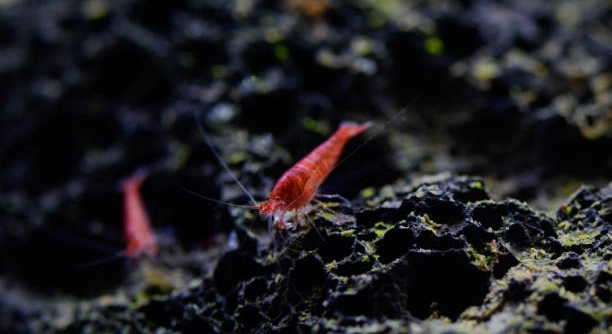
Cherry shrimp are small, colorful creatures that brighten up any freshwater aquarium. They often move in unusual ways and display behaviors that can seem strange to new owners or casual observers. These little shrimp have surprising habits.
Cherry shrimp engage in several peculiar behaviors, including tail flicking, grazing on biofilm, hiding during molting, swimming upside down, climbing tank surfaces, flicking their antennae rapidly, and interacting socially. Each action has specific biological or environmental explanations.
Observing these odd behaviors can help you better understand their needs and improve your aquarium setup for a healthier shrimp population.
Tail Flicking
Cherry shrimp often flick their tails quickly, a behavior that can surprise anyone watching them. This tail flicking is usually a defensive reaction. When they sense movement or vibration in the water, they use this action to reposition themselves rapidly. It is not aggressive but a natural survival tactic. Young shrimp tend to flick more often than adults, and this can be especially noticeable when new objects or fish are added to the tank. Tail flicking may also occur during molting, as they struggle to shed their old exoskeleton. Watching them closely, you can see how precise and controlled their movements are. Despite the speed, it is rarely harmful to them. Understanding this behavior can help you avoid overreacting or disturbing them unnecessarily. Keeping the tank calm and consistent reduces excessive flicking. The flicking serves as an important sign of their awareness and alertness, a natural part of their normal activity.
Tail flicking is mostly a defensive reaction to movement or stress in the tank environment.
Regular observation of tail flicking can help you notice stressors early. Changes in lighting, tank additions, or water disturbances often trigger this quick response. Over time, recognizing patterns in tail flicking gives insight into their comfort level. You may also notice interactions between shrimp, where flicking communicates boundaries or minor warnings to others nearby.
Grazing on Biofilm
Cherry shrimp spend much of their time grazing on biofilm that grows on tank surfaces. This biofilm is a mix of algae, bacteria, and microscopic organic matter. By feeding on it, shrimp maintain their nutrition while keeping surfaces clean. You may notice them scraping leaves, glass, or decorations with their tiny mouths. Grazing is a natural and constant behavior, so they often appear busy or restless. Even when other food is available, shrimp still graze regularly. This habit helps strengthen their digestive system and supports overall health. Grazing also plays a role in social interaction, as multiple shrimp feed together in the same area without conflict. Proper tank maintenance and live plants encourage healthy biofilm growth. Observing their grazing can give satisfaction, as it shows how active and engaged they are. Over time, you will see patterns in their feeding and notice which areas they favor.
Biofilm grazing is an essential activity for their health and social behavior.
Grazing on biofilm is vital for cherry shrimp, as it provides essential nutrients that support growth, molting, and energy. They use specialized mouthparts to scrape surfaces gently, preventing damage to plants or decorations. Shrimp also consume leftover fish food while grazing, supplementing their diet naturally. This constant activity promotes mobility and prevents boredom in small tanks. Encouraging biofilm growth through plants or hiding spots ensures a steady food source. Shrimp may graze individually or in small groups, which can strengthen their social structure. Observing grazing behavior gives clues about water quality, tank balance, and shrimp health. A decline in grazing may indicate stress, illness, or poor water conditions. Maintaining a stable environment with proper temperature and filtration supports consistent grazing. By providing a variety of surfaces and live plants, you encourage natural behaviors while keeping the tank visually clean. Over time, grazing becomes a predictable and reassuring part of their daily routine, offering both health benefits and subtle entertainment for you.
Hiding During Molting
Shrimp often hide when they are molting, staying in safe spots until their new exoskeleton hardens. This behavior protects them from potential threats and reduces stress. Hiding during this period is completely normal and essential for their survival.
Molting is a delicate process where the old exoskeleton is shed, leaving the shrimp temporarily soft and vulnerable. During this time, they often retreat to plants, decorations, or small crevices in the tank. Hiding reduces the risk of injury from tankmates or strong water currents. You might notice shrimp remaining motionless for hours, conserving energy and waiting for their new shell to harden. Providing plenty of hiding spots and gentle water flow ensures that molting shrimp can safely complete this necessary growth stage without interruption or stress. Over time, you will learn to recognize the signs of impending molting.
After molting, shrimp may appear pale or slightly swollen, which is a normal part of the process. Their behavior can change temporarily, and they might avoid social interaction until their new shell is fully hardened. Ensuring proper water parameters and nutrition supports a smooth molting cycle. Observation and care during this period are key to maintaining healthy shrimp.
Swimming Upside Down
Swimming upside down is sometimes seen when shrimp explore tank surfaces or food sources in unconventional ways. It can look odd, but it is part of their flexible movement patterns. Shrimp are able to invert themselves without difficulty.
Upside-down swimming occurs when shrimp navigate plants, rocks, or tank glass to access food or biofilm. Their lightweight body and strong legs allow them to cling to surfaces while inverted. This behavior helps them reach areas other shrimp might avoid and gives them more feeding opportunities. You may notice this most often near the water surface or under floating decorations, where shrimp attempt to scrape hidden food or clean surfaces. It is not a sign of illness but an adaptation to their environment. Providing varied structures in the tank encourages natural exploration and makes this behavior more frequent.
Sometimes, upside-down swimming is paired with antennae flicking or body twisting, which aids balance and navigation. Shrimp use this technique to move efficiently across complex surfaces while staying alert for threats. Observing it closely can reveal which areas of the tank they favor and how active they are. This behavior is another example of how adaptable and resourceful cherry shrimp can be when interacting with their environment.
Climbing Tank Surfaces
Cherry shrimp often climb tank glass, decorations, or plants to reach food or explore their environment. This behavior is normal and shows their agility.
Climbing helps shrimp access hidden biofilm and keeps them active. It also strengthens their legs and coordination, making them more confident swimmers and explorers.
Flicking Their Antennae
Shrimp flick their antennae rapidly to sense their surroundings and communicate. This action helps them detect food, other shrimp, and changes in water movement, keeping them aware of potential threats or opportunities in their environment.
Social Interaction
Cherry shrimp are social creatures, often seen grouping together or interacting with each other. These interactions include gentle touching, following, and synchronized feeding, which helps establish hierarchy and comfort within the tank community.
Molting Frequency
Shrimp molt regularly to grow and maintain healthy shells. Molting depends on age, nutrition, and water conditions. Proper care ensures consistent growth and reduces stress during this vulnerable process.
FAQ
Why do cherry shrimp flick their tails so often?
Tail flicking is a natural defensive response. Cherry shrimp flick their tails when they sense movement, vibrations, or potential threats in the water. This quick motion allows them to reposition themselves rapidly and avoid danger. Young shrimp tend to flick more frequently, and it is more noticeable when new tankmates or objects are introduced. Tail flicking is not a sign of aggression, but of alertness. Observing when and how often they flick can help you identify stressors in the tank. Providing a calm, stable environment reduces unnecessary tail flicking and keeps the shrimp comfortable.
Why do cherry shrimp climb tank surfaces?
Climbing is part of their natural exploratory behavior. Shrimp climb glass, plants, or decorations to access biofilm, algae, and other food sources. Climbing also strengthens their legs and helps them navigate complex surfaces. A tank with varied surfaces encourages this behavior and keeps shrimp active.
Why do they hide during molting?
Molting leaves shrimp vulnerable because their new exoskeleton is soft. Hiding during this time is instinctive protection. They retreat to plants, decorations, or crevices to stay safe from potential threats. Providing enough hiding spaces ensures a smooth molting process and reduces stress.
Why do cherry shrimp sometimes swim upside down?
Upside-down swimming allows shrimp to reach food or clean surfaces others may avoid. Their lightweight bodies and strong legs make this possible. It is not a sign of illness. This behavior shows adaptability and flexibility when navigating complex tank environments.
What does flicking their antennae mean?
Rapid antennae movement helps shrimp sense their surroundings. They detect food, water movement, and nearby shrimp. Flicking also aids communication and social interaction within the tank. Observing this can give insight into their awareness and comfort level.
Do cherry shrimp interact socially?
Yes, they engage in gentle interactions such as touching, following, or feeding together. Social behaviors help establish hierarchy, comfort, and cohesion in the group. Observing these interactions can give clues about their health and well-being.
How often do cherry shrimp molt?
Molting frequency varies with age, nutrition, and water quality. Younger shrimp molt more often to grow, while adults molt less frequently. Proper care ensures consistent growth and reduces stress during this vulnerable period. Maintaining stable water parameters supports healthy molting cycles.
Why do they graze on biofilm constantly?
Biofilm is a vital food source, containing algae, bacteria, and organic matter. Grazing provides essential nutrients and keeps shrimp active. Even with supplemental feeding, cherry shrimp continue to graze naturally. Encouraging biofilm growth with live plants or surfaces ensures a steady food supply and promotes health.
Can their behaviors indicate tank problems?
Yes, unusual behavior like excessive hiding, lethargy, or loss of appetite can signal water issues, stress, or illness. Regular observation of natural behaviors such as tail flicking, grazing, climbing, and social interaction helps monitor tank conditions. Adjusting water parameters or tank setup improves shrimp well-being.
Are all weird behaviors normal?
Most are natural, including tail flicking, upside-down swimming, climbing, and antennae flicking. However, sudden changes or extreme behaviors may indicate stress or poor water conditions. Knowing what is typical helps distinguish normal curiosity from health concerns.
How can I support these behaviors in my tank?
Provide a varied environment with live plants, hiding spots, and smooth surfaces for climbing. Maintain stable water parameters, proper filtration, and a balanced diet. Observing their daily habits ensures shrimp remain healthy, active, and comfortable in their habitat.
These FAQs cover the main weird behaviors of cherry shrimp, explaining why they occur and what they indicate about health and environment. Understanding these behaviors helps create a balanced, thriving tank for your shrimp.
Word count: 528
Cherry shrimp are small creatures with surprisingly complex behaviors. Observing them can be both entertaining and educational. Many of the things they do, like tail flicking, climbing surfaces, or swimming upside down, may seem strange at first, but each action has a purpose. These behaviors are part of their natural instincts and help them survive, feed, and interact with others in the tank. Understanding why they act in certain ways can make caring for them easier and more rewarding. It also allows you to create an environment that supports their health and comfort. By noticing patterns in their behavior, you start to recognize what is normal and what might signal stress or poor water conditions. For instance, a shrimp that suddenly hides more than usual might be preparing to molt, while one that stops grazing on biofilm could be experiencing stress or a lack of food. Paying attention to these signals helps maintain a balanced and thriving aquarium ecosystem.
Providing the right environment is crucial for cherry shrimp to display their natural behaviors safely. They need clean water, consistent temperature, hiding spots, and surfaces for grazing. Plants, moss, and decorations offer areas to explore and shelter during vulnerable times like molting. A varied diet that complements their grazing habits helps keep them strong and healthy. Even though they are small and seem fragile, cherry shrimp are quite resilient when their needs are met. Observing their daily activity, from antennae flicking to social interactions, gives insight into their overall well-being. Regular monitoring of water parameters, food supply, and tank cleanliness ensures that these behaviors remain natural and stress-free. Over time, you begin to notice each shrimp’s personality and preferences, which can be surprising and enjoyable. Their unique behaviors, when understood properly, become a way to connect with them without interfering in their natural routines.
Watching cherry shrimp in a well-maintained tank is a subtle but rewarding experience. Their small size and delicate movements might make them seem insignificant, but their actions reveal much about their instincts, health, and environment. Behaviors such as climbing, grazing, tail flicking, and social interactions are all normal and indicate active, healthy shrimp. Recognizing these behaviors and understanding their purposes allows you to make informed decisions about tank care and management. Supporting their natural habits with proper tank setup, food, and water quality ensures that they remain lively and comfortable. Over time, paying attention to these small, sometimes strange actions helps create a thriving, balanced habitat. In the end, knowing why cherry shrimp behave the way they do makes their care less mysterious and more enjoyable. You can appreciate the subtle details of their lives while ensuring they remain healthy, safe, and active in their aquatic home.
Word count: 421

Hello,
If you enjoy the content that we create, please consider saying a "Thank You!" by leaving a tip.
Every little bit helps us continue crafting quality advice that supports the health, happiness, and well-being of pets around the world, for pets of all shapes, sizes, and species.
We really appreciate the kindness and support that you show us!