
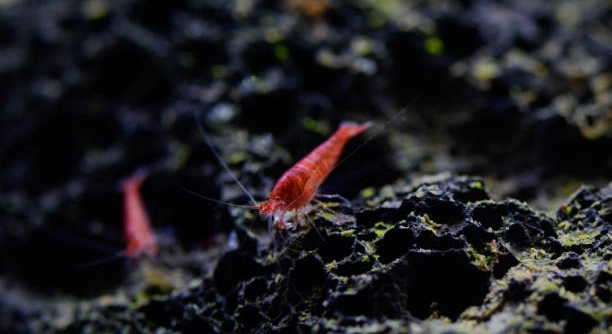
Have you ever set up a small shrimp tank and wondered how to keep it clean without relying on extra equipment? Many hobbyists enjoy keeping cherry shrimp but worry about water quality and maintenance. Understanding their needs is important.
Cherry shrimp can survive without a filter, but their health and longevity depend on regular water changes and careful monitoring. Maintaining stable water parameters and removing debris manually is essential to prevent stress and potential disease in unfiltered tanks.
Even a small setup can thrive with attention and patience. Learning simple care strategies helps your shrimp stay healthy and active over time.
Understanding Cherry Shrimp Needs
Cherry shrimp are small, delicate creatures that require stable water conditions to thrive. They are sensitive to sudden changes in temperature, pH, and ammonia levels. Without a filter, these changes can happen more quickly, so it is crucial to monitor water regularly. Regular partial water changes are necessary to keep ammonia and nitrate levels low. A small sponge or air-driven filter can help with gentle water movement without stressing the shrimp. Live plants also help maintain water quality by absorbing nitrates and providing hiding spots. Overfeeding can quickly degrade water quality, so feeding small portions that the shrimp can consume in a few hours is recommended. Observing shrimp behavior can help detect stress early, such as hiding constantly, molting issues, or loss of color. Proper care, attention, and patience can make an unfiltered tank successful while keeping the shrimp healthy and active.
Even with careful attention, cherry shrimp in unfiltered tanks may still experience occasional water quality swings. Monitoring and adjustments are essential.
For an unfiltered setup, keeping the tank small with few shrimp helps maintain stability. Live plants and regular cleaning are key. Shrimp are sensitive, so avoiding overstocking reduces stress and prevents water issues. A balanced diet supports molting and reproduction. Consistency in water changes and feeding schedules allows the shrimp to adapt and remain healthy. Observing shrimp daily helps catch potential problems before they escalate. Creating a calm, low-stress environment with gentle lighting and minimal disturbances supports their natural behavior. While a filter is helpful, attentive care can make unfiltered shrimp keeping manageable and rewarding.
Pros and Cons of Unfiltered Tanks
Unfiltered tanks require more effort but offer control over every aspect of shrimp care.
Without a filter, you must manually remove debris and change water frequently. This provides a deeper understanding of water chemistry and shrimp behavior. Small unfiltered tanks can be quieter, reducing vibrations that might stress shrimp. However, maintaining stability can be challenging, especially with larger populations. Live plants help mitigate this by absorbing nitrates and providing surfaces for biofilm, a natural food source. Observation becomes more critical; signs of stress or water issues must be caught early. Unfiltered setups also reduce the risk of shrimp being sucked into a filter, which is a common problem in small tanks. Although labor-intensive, unfiltered tanks can foster a closer connection to shrimp care. Many find the hands-on approach rewarding, as it encourages learning and attentiveness to the shrimp’s environment. When maintained properly, cherry shrimp thrive and reproduce well, showing vibrant colors and active behavior.
Proper planning, regular water testing, and careful feeding ensure success. Maintaining an unfiltered tank requires consistency, but the results can be satisfying and visually pleasing. Daily checks and small interventions keep the ecosystem balanced. Shrimp health improves when they experience stable water conditions, minimal stress, and sufficient food. Observing molting cycles, activity levels, and plant growth helps track overall tank health. Over time, you can adjust care routines, plant density, and feeding schedules based on shrimp behavior. Even without a filter, cherry shrimp can reproduce and maintain color vibrancy, provided water quality is stable. The effort put into monitoring and managing the tank pays off with a thriving, dynamic environment that showcases the shrimp’s natural behavior. Patience and attention are key, turning a simple unfiltered tank into a functional and lively habitat.
Water Quality Management
Regular water changes are essential in unfiltered tanks to keep ammonia and nitrite levels low. Testing water parameters frequently helps prevent sudden spikes. Removing uneaten food and waste ensures the shrimp are not exposed to harmful chemicals. A small siphon or net works well for debris removal.
Water quality stability directly affects shrimp health and activity. Without a filter, it is important to change 20-30% of the water weekly, depending on tank size and shrimp population. Testing pH, ammonia, nitrite, and nitrate levels regularly allows adjustments before problems arise. Keeping the tank clean prevents stress, disease, and molting issues, which can affect growth and reproduction. Live plants also help absorb excess nutrients and provide natural surfaces for biofilm, a vital food source for shrimp. Consistent care is the key to maintaining a safe environment for cherry shrimp.
Feeding habits play a large role in water quality. Overfeeding produces excess waste, which increases ammonia levels. Feeding small portions that shrimp can finish in a few hours minimizes this risk. Observing how quickly shrimp consume food helps determine appropriate amounts. Uneaten food should be removed promptly to prevent decay. Balancing feeding with regular water changes maintains clean water without overworking the tank. The combination of careful feeding, plant support, and manual cleaning creates a stable environment even without a filter. This approach promotes healthy, active shrimp that display vibrant colors and natural behavior.
Tank Size and Population
A smaller tank requires more frequent monitoring to maintain balance, while a larger tank can buffer minor water fluctuations. Population density affects waste accumulation and water stability.
Choosing the right tank size is critical for unfiltered cherry shrimp setups. Tanks around 5-10 gallons are manageable, allowing water changes and cleaning without overwhelming effort. Overstocking increases stress and ammonia buildup, reducing shrimp health and survival rates. Maintaining a low population density ensures each shrimp has enough space to hide and feed, supporting natural behavior and growth. Adding live plants and moss not only improves water quality but provides extra surfaces for shrimp to explore and graze on biofilm. Observing shrimp activity and behavior helps determine whether the tank size and population are balanced and sustainable.
Regular observation and adjustments help maintain a healthy shrimp population. Monitoring molting frequency, color vibrancy, and activity indicates whether water conditions are stable. Adjusting water change schedules or reducing food input may be necessary if stress signs appear. A balanced combination of tank size, population control, and plant density creates a thriving environment. Manual cleaning of debris, along with periodic water testing, prevents harmful chemical buildup. Over time, these practices allow the tank to maintain stability, supporting healthy growth, reproduction, and overall well-being of the cherry shrimp. Patience and consistency are key for long-term success.
Feeding and Nutrition
Cherry shrimp require a balanced diet to stay healthy and grow. Overfeeding can pollute the water, so small, measured portions are best. They eat algae, biofilm, and specially formulated shrimp food. Supplementing with blanched vegetables helps provide extra nutrients.
Observing how quickly they consume food helps prevent waste. Uneaten portions should be removed to avoid ammonia spikes. Feeding a variety of foods encourages natural grazing behavior and supports molting. Maintaining consistent feeding schedules promotes healthy growth and activity.
Plant Support
Live plants help maintain water stability in unfiltered tanks. They absorb nitrates, offer hiding spots, and provide surfaces for biofilm. Mosses, ferns, and floating plants work well. Dense planting reduces stress and encourages shrimp to explore, graze, and reproduce naturally.
Common Problems
Without a filter, water quality can deteriorate quickly if neglected. Ammonia or nitrite spikes may cause stress or death. Overfeeding, overcrowding, and insufficient cleaning are common issues. Monitoring water parameters and tank cleanliness prevents most problems.
Molting and Growth
Shrimp molt regularly as they grow, shedding their old exoskeleton. Adequate calcium, clean water, and hiding places support healthy molting. Stress or poor water conditions can disrupt this process and stunt growth.
FAQ
Can cherry shrimp survive long-term without a filter?
Yes, cherry shrimp can survive without a filter if water quality is carefully maintained. Regular partial water changes, removing debris, and monitoring ammonia and nitrate levels are essential. Using live plants can also help absorb excess nutrients and provide natural grazing surfaces for biofilm.
How often should I change the water in an unfiltered shrimp tank?
Water changes in an unfiltered tank should typically be 20-30% per week. Smaller tanks may require more frequent changes due to faster accumulation of waste. Monitoring water parameters such as ammonia, nitrite, nitrate, and pH helps determine if adjustments are needed.
What size tank is suitable for unfiltered cherry shrimp?
Small to medium tanks, around 5-10 gallons, are ideal. Larger tanks can buffer minor fluctuations, while small tanks need closer monitoring. Overstocking should be avoided to prevent ammonia buildup, stress, and reduced shrimp health.
Can I keep plants in an unfiltered tank?
Yes, live plants are highly beneficial. They help absorb nitrates, reduce stress, and provide hiding spaces. Mosses, ferns, and floating plants are particularly effective. Plants also provide surfaces for biofilm, which serves as a natural food source for shrimp.
What are the risks of overfeeding?
Overfeeding produces excess waste, which can quickly increase ammonia and nitrate levels. Uneaten food should be removed promptly to prevent water quality deterioration. Feeding small portions that the shrimp can consume within a few hours minimizes this risk and promotes healthier shrimp.
How do I know if my shrimp are stressed?
Signs of stress include hiding constantly, loss of color, slow movement, or difficulty molting. Changes in water parameters, overpopulation, or sudden temperature shifts can cause stress. Observing shrimp behavior daily allows early intervention before serious health issues develop.
Do unfiltered tanks affect molting?
Molting can be impacted if water quality is poor. Shrimp require clean water, hiding spaces, and adequate calcium to shed their exoskeleton successfully. Stress, high ammonia, or low water stability can lead to incomplete molts or stunted growth.
Can I keep other species with cherry shrimp in an unfiltered tank?
It is possible, but caution is necessary. Avoid aggressive or predatory fish that may harm shrimp. Small snails, peaceful shrimp species, or certain small fish may be compatible. Population balance is crucial to prevent overloading the tank and compromising water quality.
Is monitoring water parameters really necessary without a filter?
Yes, careful monitoring is essential. Ammonia and nitrite can rise quickly without filtration, and even small fluctuations can harm shrimp. Test kits for pH, ammonia, nitrite, and nitrate provide valuable information to maintain a stable environment and prevent sudden die-offs.
How can I maintain a thriving shrimp population without a filter?
Focus on consistent care, including regular water changes, careful feeding, and maintaining live plants. Avoid overcrowding and observe shrimp behavior for signs of stress. Removing debris manually and monitoring water chemistry ensures long-term health, reproduction, and vibrant coloration in your cherry shrimp population.
What should I do if water quality deteriorates quickly?
Perform an immediate partial water change, remove excess waste, and check feeding practices. Test water parameters and make adjustments as needed. Adding more live plants can help absorb nutrients, and reducing shrimp population temporarily may also stabilize the tank.
Can unfiltered tanks support baby shrimp?
Yes, but extra attention is required. Baby shrimp are very sensitive to water quality and can be easily harmed by ammonia spikes. Providing plenty of hiding spots with moss and plants, maintaining consistent water changes, and monitoring feeding closely increases survival rates.
Are unfiltered tanks noisier or less stable than filtered tanks?
Unfiltered tanks are often quieter since there is no filter running. However, water stability depends entirely on maintenance. Tanks without filters require careful observation and regular manual intervention to maintain consistent conditions, unlike filtered setups that provide continuous biological and mechanical filtration.
Do cherry shrimp reproduce well without a filter?
Yes, reproduction is possible, especially in well-maintained unfiltered tanks with stable water, adequate hiding spaces, and a proper diet. Live plants and mosses encourage breeding by providing surfaces for eggs and young shrimp to hide safely. Proper care ensures a thriving population over time.
Can I add an air stone instead of a filter?
An air stone can improve oxygen circulation without stressing shrimp, but it does not remove debris or toxins. Combining an air stone with regular water changes, plants, and careful feeding supports a healthy environment in an unfiltered tank.
How do I clean an unfiltered tank effectively?
Use a small siphon to remove uneaten food and debris from the substrate. Partial water changes and wiping algae from surfaces prevent buildup. Avoid disturbing shrimp too much during cleaning. Maintaining cleanliness manually is essential to prevent ammonia spikes and maintain overall tank health.
Is it harder to maintain an unfiltered tank than a filtered one?
Yes, unfiltered tanks require more attention to water quality, feeding, and population balance. They demand daily observation and regular manual maintenance, whereas filtered tanks provide continuous filtration and more stability. Patience and consistency make unfiltered tanks manageable and rewarding for cherry shrimp care.
What are the best signs that my unfiltered tank is healthy?
Active, colorful shrimp that molt regularly indicate a healthy tank. Clear water, minimal algae buildup, stable water parameters, and thriving plants are also strong signs. Balanced population and consistent feeding without stress symptoms reflect proper tank management.
Can temperature fluctuations harm cherry shrimp in an unfiltered tank?
Yes, cherry shrimp are sensitive to sudden changes in temperature. Keeping water within a stable range, ideally 68-78°F, prevents stress, molting issues, and disease. Unfiltered tanks are more susceptible to temperature swings, so careful monitoring is essential.
Are chemical treatments safe in an unfiltered shrimp tank?
Most chemical treatments can harm shrimp and beneficial bacteria in unfiltered tanks. It is best to rely on manual water changes, careful feeding, and plant support rather than chemical solutions. Only use treatments specifically labeled safe for shrimp if absolutely necessary.
Can I leave an unfiltered tank unattended for several days?
Leaving an unfiltered tank unattended for more than a day or two is risky. Without filtration, water quality can degrade quickly. If absence is unavoidable, preparing water changes in advance and limiting feeding beforehand may reduce risks, but daily monitoring is strongly recommended.
How do I prevent algae overgrowth in an unfiltered tank?
Algae can be controlled by limiting light exposure, avoiding overfeeding, and maintaining live plants. Some algae-eating shrimp and snails can help manage growth naturally. Regular removal during water changes also keeps algae from overwhelming the tank and affecting shrimp health.
What tools are most useful for maintaining an unfiltered tank?
Test kits for pH, ammonia, nitrite, and nitrate, a small siphon for debris removal, tweezers for plants, and a soft net for shrimp are essential. These tools help monitor water quality, manage waste, and maintain a healthy environment consistently.
Can I use a bare-bottom tank for cherry shrimp without a filter?
Yes, bare-bottom tanks make cleaning easier and reduce debris accumulation. However, adding mosses or small plants is still beneficial for grazing, hiding, and breeding. Substrate choices depend on personal preference but do not replace the need for manual maintenance.
Is it possible to have crystal-clear water in an unfiltered tank?
Yes, clear water is achievable through frequent water changes, proper feeding, live plants, and debris removal. Patience and consistent care allow unfiltered tanks to maintain visual clarity while supporting healthy shrimp. Overfeeding and neglect are the main reasons water becomes cloudy.
Do cherry shrimp require specific water chemistry without a filter?
Yes, they thrive in slightly acidic to neutral water (pH 6.5-7.5) with low ammonia and nitrite levels. Consistency is more important than perfection. Minor fluctuations are better managed through regular monitoring, water changes, and plant support than by relying on a filter.
How can I encourage breeding in an unfiltered tank?
Provide plenty of hiding spots with moss and plants, maintain stable water quality, and feed a varied diet. Healthy adults, low stress, and clean water increase the likelihood of successful reproduction. Baby shrimp survival improves with dense plant cover and careful observation.
Are unfiltered tanks suitable for beginners?
They can be, but beginners need to commit to regular monitoring, water changes, and careful feeding. Observing shrimp behavior, testing water, and maintaining live plants are critical. Patience and attention to detail are necessary to keep shrimp healthy without filtration.
What is the best way to manage waste in an unfiltered tank?
Manual removal with a siphon during water changes is most effective. Avoid overfeeding and remove dead shrimp or excess food promptly. Live plants help absorb nutrients, reducing the buildup of harmful substances. Consistent cleaning prevents water quality issues and supports shrimp health.
Can unfiltered tanks handle varying shrimp species?
Yes, peaceful species with similar water requirements can coexist. Avoid aggressive or large species that may stress or harm cherry shrimp. Maintaining population balance and monitoring interactions ensures a stable and harmonious environment.
How do I maintain oxygen levels without a filter?
Adequate surface agitation, plants, and gentle water movement help oxygenate the tank. Avoid overcrowding and ensure water changes are performed correctly. While a filter can improve circulation, careful unfiltered setups can maintain sufficient oxygen for healthy shrimp.
Are unfiltered tanks more natural for cherry shrimp?
They can mimic a calmer, less turbulent environment, closer to some natural habitats. Shrimp can graze on biofilm, hide in plants, and reproduce without interference from strong currents. Careful maintenance is still required to sustain stability and water quality.
How do I deal with sudden water parameter changes?
Immediate partial water changes, debris removal, and reducing stressors like overfeeding or overcrowding are critical. Testing water and adjusting slowly helps restore stability. Consistent monitoring prevents sudden fluctuations from harming shrimp in unfiltered setups.
What is the most important factor for success without a filter?
Consistency in care, including water changes, feeding, population control, and monitoring water quality, is the most important factor. Patience and attention ensure cherry shrimp remain healthy, reproduce, and display vibrant colors even without filtration.
Cherry shrimp can live without a filter, but doing so requires more attention and care than a filtered tank. The key to success is keeping water quality stable. Without a filter, ammonia and nitrite can rise quickly, which can stress or even kill shrimp. Regular water changes are essential to remove waste and maintain safe levels of these chemicals. Using live plants in the tank helps absorb excess nutrients and provides surfaces for biofilm, which the shrimp can eat. Observing your shrimp daily allows you to catch any signs of stress early, such as hiding too much, losing color, or having difficulty molting. A small, well-planned tank can thrive with consistent care, while overcrowded or poorly maintained tanks can quickly become dangerous for the shrimp.
Feeding plays a large role in keeping an unfiltered tank healthy. Overfeeding produces leftover food that can decompose and create spikes in ammonia, which harms shrimp. Small, measured portions given once or twice a day are best. Watching how quickly the shrimp consume their food helps you adjust the amounts appropriately. In addition to commercial shrimp food, blanched vegetables like spinach or zucchini can provide extra nutrients and variety. Healthy shrimp that are fed properly molt regularly and display brighter colors, which is a good sign that the tank is balanced. Careful feeding, combined with manual cleaning and live plants, creates an environment where shrimp can grow, reproduce, and remain active without a filter.
Maintaining an unfiltered tank requires patience, observation, and consistency, but it can be very rewarding. Smaller tanks are easier to manage and allow you to see changes quickly, while larger tanks provide more stability but may require more attention in feeding and plant maintenance. Avoiding overpopulation is critical because too many shrimp in a small tank increases waste, reduces hiding spaces, and can destabilize water quality. Creating plenty of hiding spots with moss or plants not only reduces stress but also encourages natural behavior and breeding. Overall, unfiltered tanks can support a healthy, thriving shrimp population if water changes, feeding, and tank cleanliness are kept consistent. While it is more labor-intensive than using a filter, the results can be satisfying, showing vibrant, active shrimp in a balanced and peaceful environment.

Hello,
If you enjoy the content that we create, please consider saying a "Thank You!" by leaving a tip.
Every little bit helps us continue crafting quality advice that supports the health, happiness, and well-being of pets around the world, for pets of all shapes, sizes, and species.
We really appreciate the kindness and support that you show us!