
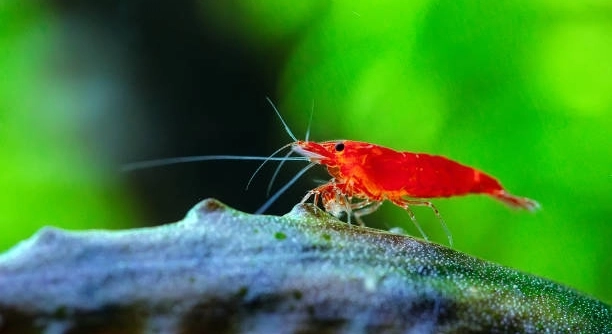
Cherry shrimp are small, colorful freshwater creatures that brighten up any aquarium. Many aquarists enjoy watching their shrimp interact with their environment and respond to regular feeding routines in a calm, peaceful setting.
Cherry shrimp do not have the cognitive ability to recognize individual humans. Their behavior is primarily driven by instinct, environmental cues, and learned associations with food, rather than memory of specific people or interactions over time.
Observing your shrimp closely can reveal fascinating behaviors and subtle reactions to their surroundings, making aquarium care a more engaging experience overall.
How Cherry Shrimp Learn From Their Environment
Cherry shrimp are highly sensitive to changes in their tanks. They notice differences in water temperature, pH levels, and the presence of new objects or plants. Over time, they may adjust their swimming patterns or hiding spots based on these changes. For example, when a new plant is added, shrimp often explore it cautiously before making it part of their routine. They also learn where food is typically placed and become quicker at finding it. While this is not memory in the human sense, it demonstrates their ability to adapt to repetitive patterns. Observing these small adjustments can make caring for shrimp more interesting. Watching them interact with moss, rocks, or substrate shows how they navigate and make the tank feel like a safe environment. They also respond to gentle movements outside the tank, which can indicate feeding time or activity.
Cherry shrimp respond to stimuli mostly through repetition and routine, not recognition of humans directly.
These adaptive behaviors highlight that shrimp rely heavily on environmental cues. Tank setup, consistent feeding locations, and predictable schedules help them feel secure. Over time, shrimp may associate certain areas with food or safety, showing learned responses that can appear as recognition to observers. By keeping their environment stable and monitoring changes carefully, aquarists can support shrimp in thriving naturally. Their small size does not limit their awareness of their surroundings, and subtle changes in behavior often reflect comfort or stress levels. Understanding these patterns can improve tank health, feeding efficiency, and the overall visual appeal of the aquarium. These insights also encourage a more mindful approach to shrimp care, emphasizing observation, patience, and consistency rather than expecting complex memory or attachment.
Feeding Patterns and Behavioral Responses
Cherry shrimp quickly adapt to consistent feeding routines. They often gather in the same areas where food is regularly placed, showing learned responses to timing and location.
Repeated exposure to the same feeding spots allows shrimp to become more active during predictable feeding times. This routine reinforces their sense of safety, reduces stress, and can improve overall health. A stable schedule ensures they receive adequate nutrition and can prevent food competition from causing unnecessary stress. Regular feeding also provides aquarists a chance to observe subtle behaviors, such as how shrimp interact with each other, explore their environment, or respond to the presence of food. Over weeks and months, shrimp may adjust their daily movements and hiding patterns based on feeding schedules, demonstrating environmental learning rather than memory of specific individuals. By observing these patterns closely, caretakers can refine feeding practices, ensure all shrimp receive enough nutrition, and maintain a balanced tank ecosystem. This understanding helps create a calm, predictable environment where shrimp can thrive without relying on complex cognitive abilities.
Signs Your Cherry Shrimp Is Comfortable
Shrimp that feel safe tend to explore openly, feed without hesitation, and show normal swimming patterns. Hiding frequently or remaining still may indicate stress or discomfort, rather than a lack of recognition of humans.
A comfortable shrimp moves freely across the tank, often grazing on algae or inspecting decorations. They may cluster in areas where food is usually provided, showing confidence in their environment. Observing how they interact with each other is also telling; peaceful movement and gentle contact indicate low stress. Changes in water quality, lighting, or sudden movements outside the tank can affect behavior. Ensuring stable conditions and regular care helps shrimp maintain comfort and encourages natural activity patterns. Over time, these patterns make their behavior predictable, which can be satisfying to notice as you manage the tank.
Stress indicators in shrimp are subtle but noticeable. Hiding more than usual, refusing food, or erratic movements can show unease.
Environmental Factors Affecting Behavior
Water parameters, tank size, and decorations all influence shrimp behavior. Unstable pH, high ammonia, or inappropriate temperature can cause hiding, lethargy, or reduced feeding activity. Plants and hiding spots offer security, while open areas encourage exploration and grazing.
Lighting also plays a role. Bright lights may make shrimp retreat to shaded areas, while gentle, consistent lighting supports natural movement. Overcrowding can lead to stress, competition for food, and abnormal behaviors. A balanced mix of hiding spaces, open swimming areas, and stable water conditions allows shrimp to express normal behavior. Feeding location and consistency also contribute to predictable responses, reinforcing routine without creating dependency on human interaction. Observing these environmental factors carefully helps aquarists support healthy shrimp, promote natural behaviors, and reduce stress-related issues. Proper maintenance and attention to detail make a noticeable difference in shrimp activity and overall tank harmony.
Interaction With Tank Mates
Cherry shrimp interact differently depending on tank mates. Peaceful species encourage exploration, while aggressive or large fish cause hiding and stress. Observing these interactions helps adjust tank composition for harmony.
Shrimp may retreat or stay close to hiding spots when other creatures approach. Providing safe spaces ensures they can move freely without fear, reducing stress and promoting healthy behavior.
Recognizing Feeding Cues
Shrimp respond to feeding routines rather than specific people. They associate movement near the tank or food presence with mealtime, adjusting their activity accordingly. This learned behavior shows adaptation to patterns, not personal memory.
Lighting and Activity
Lighting levels directly influence shrimp activity. Dim or consistent light encourages exploration, while sudden brightness may trigger hiding or reduced movement.
Water Quality Maintenance
Maintaining stable water parameters ensures shrimp remain active and healthy. Regular testing and adjustments prevent stress-related behaviors.
FAQ
Do cherry shrimp recognize their owners?
Cherry shrimp do not have the cognitive ability to recognize humans. Their responses to movements outside the tank are linked to routine and food association. They may swim toward familiar activity around the tank, but this is a learned behavior rather than true recognition of an individual.
How long do cherry shrimp live?
Cherry shrimp typically live between one and two years. Lifespan depends on water quality, diet, and tank conditions. Proper maintenance, stable temperature, and regular feeding improve longevity. Sudden changes or poor water conditions can shorten life expectancy.
Can cherry shrimp feel stress?
Yes, they show stress through hiding, reduced activity, or erratic swimming. Overcrowding, aggressive tank mates, and sudden environmental changes trigger stress. Providing hiding spaces and stable conditions helps minimize stress and encourages natural behavior.
Do cherry shrimp remember feeding times?
Shrimp can learn patterns in feeding routines. They may become more active when food is expected, associating certain cues like movement near the tank or light changes with feeding. This is not memory of humans but adaptive behavior.
Why do cherry shrimp hide often?
Hiding is a natural behavior for safety. Frequent hiding may indicate stress, poor water conditions, or overcrowding. Adequate plants, rocks, and decorations allow them to feel secure while still exploring the tank when comfortable.
Can cherry shrimp recognize other shrimp?
They interact with each other mainly through chemical cues and movement. While they respond to familiar tank mates’ presence, this is based on environmental familiarity rather than recognition in a human sense. Social behaviors are mostly for feeding and safety.
How do water parameters affect behavior?
Shrimp are sensitive to pH, temperature, and ammonia levels. Unstable water parameters can lead to hiding, reduced feeding, and lethargy. Regular testing and careful adjustments maintain optimal conditions and ensure shrimp remain active and healthy.
Do cherry shrimp show signs of happiness?
Happiness in shrimp is reflected in normal behaviors such as grazing, swimming openly, and interacting with the environment. Active, calm shrimp with predictable movement patterns are usually comfortable and unstressed, indicating well-maintained tank conditions.
Can cherry shrimp recognize tanks or areas?
They learn their tank layout over time. Shrimp become familiar with food locations, hiding spots, and open swimming areas. This learned spatial awareness helps them feel secure but does not involve recognizing humans or other animals personally.
Is it important to maintain a routine for cherry shrimp?
Yes, predictable feeding and maintenance routines help shrimp adapt and reduce stress. Consistency in tank care, lighting, and feeding ensures shrimp thrive and display natural behaviors, making observation and management easier for aquarists.
Do cherry shrimp react to sudden movements outside the tank?
They may retreat or hide when sudden movements occur. This reaction is instinctual and linked to perceived threats, rather than memory or recognition of a person. Gradual, gentle movements outside the tank minimize stress responses.
Can cherry shrimp be trained?
They cannot be trained in the way larger animals can. However, consistent feeding locations and schedules create predictable responses. Over time, shrimp learn to associate certain cues with food or safety, demonstrating environmental learning.
Do cherry shrimp recognize colors or shapes?
Shrimp respond more to contrast and movement than specific colors. Bright areas, shadows, or moving objects may attract attention or trigger hiding, but they do not form complex visual recognition like mammals.
How do tank decorations affect shrimp behavior?
Plants, rocks, and hiding spaces provide security and encourage natural behaviors. Shrimp explore, graze, and hide based on the environment. Adequate decoration reduces stress, prevents aggression from tank mates, and supports overall activity.
Can cherry shrimp sense humans nearby?
They can detect vibrations and movements outside the tank. While this may appear as recognition, it is actually a response to external stimuli and learned associations with feeding or activity, rather than memory of a specific person.
Why do cherry shrimp sometimes gather in groups?
Shrimp may cluster near food or safe areas. Grouping is a natural behavior driven by feeding patterns, environmental comfort, and chemical cues rather than recognition of individual shrimp or humans.
Are cherry shrimp social creatures?
They are semi-social. Interaction is mostly for feeding and safety. While they respond to each other’s presence, they do not form bonds like larger animals. Social behavior is largely instinctive and environmentally driven.
How can I reduce shrimp stress?
Maintain stable water parameters, avoid aggressive tank mates, provide hiding spaces, and stick to consistent feeding routines. Gentle handling and minimal sudden disturbances also help shrimp remain comfortable and active.
Do cherry shrimp react to noise or vibrations?
Loud noises or vibrations can startle shrimp, causing hiding or erratic movement. They are sensitive to environmental disturbances. Tank placement in a quiet, stable area reduces unnecessary stress and encourages natural behavior.
What is the best way to observe shrimp behavior?
Slow, gentle observation allows you to notice activity, feeding patterns, and stress indicators. Minimal interference helps shrimp feel safe while providing insights into their comfort and adaptation to the tank environment.
Do cherry shrimp have favorite areas in the tank?
Shrimp tend to frequent areas with food, shelter, and optimal conditions. Favorite spots are based on comfort, safety, and routine rather than personal preference, highlighting their reliance on environmental cues for behavior.
Can cherry shrimp adapt to new tanks quickly?
Adjustment depends on water stability, hiding spaces, and gradual acclimation. Sudden changes cause stress, while slow introduction to a new environment allows shrimp to explore and establish comfort in safe areas.
Do cherry shrimp interact with decorations?
Yes, shrimp graze on surfaces, hide in crevices, and explore plants or rocks. Interaction is part of normal activity and helps them feel secure, supporting natural behaviors and healthy tank dynamics.
How often should I check on shrimp behavior?
Daily observation is recommended. Monitoring feeding, movement, and stress indicators ensures tank conditions remain optimal. Early detection of unusual behavior allows quick adjustments to water parameters or environment, promoting shrimp health.
Can shrimp remember threats?
Shrimp respond to repeated negative stimuli, like aggressive tank mates or sudden disturbances. This shows environmental learning rather than memory of specific threats. They adjust behavior to avoid danger based on patterns and experiences.
Do cherry shrimp have preferences for food types?
Shrimp respond to algae, biofilm, and commercial shrimp foods. While some individuals may favor specific items, preferences are influenced by availability and nutritional content, not recognition of humans providing the food.
Is tank maintenance important for shrimp behavior?
Yes, clean water, proper filtration, and stable conditions directly impact activity, feeding, and stress levels. Regular maintenance ensures shrimp can exhibit natural behaviors and maintain overall health without unnecessary stress.
Do cherry shrimp recognize night and day cycles?
Shrimp respond to light levels rather than time. Consistent day-night lighting supports normal activity, feeding, and hiding patterns, allowing shrimp to adapt their behavior predictably within the tank environment.
How do shrimp react to new objects in the tank?
New decorations or plants trigger cautious exploration. Shrimp may investigate slowly, hide, or graze around new objects. This response reflects environmental awareness and adaptation rather than recognition of the object as friendly or dangerous.
Can cherry shrimp survive without human interaction?
Yes, shrimp rely on environmental cues and routine rather than human interaction. While they respond to feeding and movements, they do not require direct contact to thrive when water quality and nutrition are properly managed.
Do shrimp display unique personalities?
Behavioral differences exist, but they are linked to environmental adaptation, activity levels, and responses to stress. Apparent personality traits are reflections of instinct and learned responses, not individual consciousness.
How do temperature changes affect shrimp behavior?
Shrimp become less active in cooler temperatures and more active in warmer, stable conditions. Sudden fluctuations cause hiding, lethargy, or erratic swimming. Maintaining a stable temperature supports normal activity and feeding behavior.
Are cherry shrimp sensitive to chemicals?
Yes, chlorine, ammonia, and heavy metals cause stress and can be fatal. Using proper water conditioners and monitoring parameters protects shrimp health and ensures normal behavior patterns.
Can cherry shrimp detect food from a distance?
They sense food through chemical cues in the water. Shrimp often gather near newly added food, showing environmental learning rather than recognition of who added it.
Do shrimp interact differently with males and females?
Interactions are mostly driven by mating behavior and social hierarchy. Males may follow females, and females with eggs may behave more cautiously. These behaviors are instinctive and environmentally influenced rather than personal recognition.
Can shrimp adapt to changes in lighting schedules?
Gradual adjustments to light cycles are manageable. Sudden changes can cause stress or hiding. Consistency in lighting helps maintain natural activity patterns, supporting healthy behavior and feeding routines.
Do cherry shrimp respond to tapping on the tank?
Tapping creates vibrations that startle shrimp, often triggering hiding. Frequent disturbances can cause prolonged stress. Gentle movements near the tank are preferable to minimize anxiety.
How quickly do shrimp adjust to new food?
Shrimp usually explore and sample new foods gradually. Familiarity develops through repeated exposure, showing adaptive behavior rather than preference for the person introducing it.
Can cherry shrimp distinguish between different humans?
No, shrimp respond to movement and feeding routines, not individual humans. Any apparent recognition is based on learned associations with environmental cues.
Do cherry shrimp need social interaction?
They are semi-social, benefiting from other shrimp for feeding and safety cues. Isolation is not harmful, but having tank mates encourages natural movement and reduces stress through environmental interaction.
How do shrimp behave during molting?
Molting shrimp hide and reduce activity to avoid predation or stress. Providing safe hiding spots during this vulnerable period is essential for successful molting and survival.
Do cherry shrimp prefer calm water flow?
Yes, moderate and consistent water flow supports normal activity. Strong currents cause hiding and erratic swimming, while stagnant water may reduce movement and feeding efficiency.
Can shrimp sense changes in water chemistry?
Shrimp detect shifts in pH, ammonia, and other parameters. Sudden changes trigger stress behaviors such as hiding or reduced activity. Stable water conditions promote comfort and predictable behavior patterns.
Do cherry shrimp recognize predators?
They respond instinctively to larger, aggressive fish or sudden movements. Recognition is based on threat cues rather than memory, prompting hiding or cautious movement to avoid danger.
How do shrimp respond to algae growth?
Shrimp actively graze on algae, showing interest in areas with biofilm. This behavior is part of feeding and exploration, supporting tank cleanliness and shrimp activity.
Can cherry shrimp live in community tanks?
Yes, if tank mates are peaceful and space is adequate. Aggressive species or overcrowding cause stress, hiding, and reduced feeding. Monitoring interactions ensures shrimp remain comfortable and active.
Do cherry shrimp show attachment to specific tank areas?
Shrimp frequently visit areas with food, shelter, or safe zones. This is based on environmental familiarity, not emotional attachment, and reflects learned patterns for comfort and survival.
Are cherry shrimp affected by vibrations from household activities?
Yes, consistent vibrations from appliances or footsteps may startle shrimp. Minimal disturbances allow shrimp to maintain predictable movement and feeding behaviors without unnecessary stress.
Do cherry shrimp respond to water current direction?
They adjust swimming and grazing patterns based on flow. Consistent and moderate currents support natural behavior, while sudden changes may trigger hiding or erratic movement.
Can shrimp adapt to changes in tank layout?
Gradual changes are manageable, but sudden rearrangement can cause hiding and stress. Shrimp explore new areas slowly, learning new feeding or hiding locations over time.
How often should I feed cherry shrimp?
Feeding once daily is typical, with small amounts to avoid overfeeding. Observing activity and grazing helps adjust portions while maintaining tank health and minimizing stress.
Do shrimp react to reflections in the tank glass?
Reflections may trigger curiosity or cautious behavior. They investigate moving images without recognizing themselves or humans, showing simple visual responses to environmental cues.
How do shrimp behave in multi-level tanks?
They explore upper and lower areas depending on food availability, shelter, and light. Vertical space usage is influenced by environmental comfort rather than human recognition.
Can shrimp detect chemicals in cleaning products?
Yes, residues from soaps or chemicals can cause stress or death. Thorough rinsing and careful handling prevent exposure and maintain shrimp health.
Do cherry shrimp react differently to new water sources?
Acclimation is essential. Sudden changes in water chemistry or temperature can cause hiding or reduced activity. Gradual adjustment ensures shrimp adapt safely.
How can I tell if shrimp are healthy?
Active swimming, regular grazing, bright coloration, and normal molting indicate good health. Changes in these behaviors suggest stress or environmental issues that need attention.
Do cherry shrimp respond to seasonal changes?
They respond primarily to water temperature and light rather than seasons. Stable indoor tank conditions minimize behavioral changes and support consistent activity year-round.
Can shrimp adapt to a high-density tank?
Overcrowding leads to stress, hiding, and reduced feeding. Adequate space per shrimp supports natural behaviors, reduces competition, and promotes overall health.
Do cherry shrimp respond to food left in the tank overnight?
Yes, they will graze on leftover food but may overconsume, causing water quality issues. Consistent portion control prevents stress and maintains a clean environment.
How quickly do shrimp recover from stress?
Recovery depends on stable conditions, hiding spaces, and gentle care. Minor stress may resolve within hours, while prolonged stress requires days of consistent care for normal behavior to return.
Do cherry shrimp interact with snails or other invertebrates?
Interactions are generally neutral. They share grazing areas but do not recognize each other personally. Competition for food may occur but usually does not cause aggressive behavior.
Can shrimp recognize water changes?
Yes, sudden water changes can trigger hiding or reduced activity. Gradual adjustments minimize stress, allowing shrimp to adapt safely to new conditions.
Do shrimp have preferred temperatures?
Optimal activity occurs between 72°F and 78°F (22°C–26°C). Deviations can reduce movement, feeding, and molting efficiency. Maintaining consistent temperatures supports healthy behavior and growth.
Are cherry shrimp active at night?
Yes, shrimp remain active under dim lighting or at night, grazing and exploring. Light cycles influence visibility but do not prevent natural nocturnal activity patterns.
Do cherry shrimp react to human shadows?
Shadows can trigger hiding or cautious movement. They respond to changes in light and movement rather than recognizing humans directly, reflecting instinctive environmental awareness.
Can cherry shrimp detect changes in oxygen levels?
Low oxygen causes reduced activity, surface gasping, or clustering near aeration sources. Maintaining proper oxygenation ensures normal behavior and overall health.
Do shrimp prefer planted tanks?
Yes, plants provide hiding spaces, grazing surfaces, and comfort. Planted tanks reduce stress, support natural behavior, and enhance overall shrimp activity and well-being.
How do shrimp behave during breeding?
Males pursue females, and females carry eggs while reducing activity. Proper hiding spaces and stable conditions support successful mating and reduce stress during this vulnerable period.
Do cherry shrimp recognize when food is coming?
They respond to feeding cues such as movement or routine placement. This is learned behavior, not personal recognition of humans.
Can shrimp adapt to changes in water hardness?
Gradual adaptation is possible, but sudden changes may stress shrimp. Maintaining stable mineral content supports normal activity and molting.
How long does it take for shrimp to acclimate to a new tank?
Acclimation usually takes several hours to a few days, depending on water stability. Gradual introduction and stable conditions minimize stress and encourage exploration.
Do cherry shrimp respond to bubbles or aeration?
Yes, gentle bubbles may attract or startle them. Moderate aeration supports oxygenation without causing stress or excessive hiding.
Can shrimp sense predators outside the tank?
Movement from large shadows or vibrations may trigger hiding. This response is instinctive and linked to perceived threat, not actual recognition of humans or animals.
Do cherry shrimp interact with floating objects?
They may investigate floating plants or decorations, grazing or exploring surfaces. Interaction is part of environmental awareness, not recognition of who placed the object.
How do shrimp react to sudden temperature drops?
They become less active and may hide. Gradual changes are necessary to prevent stress, lethargy, or health issues.
Do cherry shrimp react differently in high versus low light?
Low light encourages exploration, while high light can cause hiding. Consistent lighting levels support natural activity patterns and feeding behaviors.
Can cherry shrimp detect changes in salinity?
Even slight salinity changes stress freshwater shrimp. Stable freshwater conditions are critical to maintain normal activity, molting, and feeding.
Do shrimp respond to music or vibrations from speakers?
They detect vibrations rather than sound. Strong or consistent vibrations can cause hiding or stress. Minimal disturbances preserve natural behavior.
How do shrimp behave after molting?
Freshly molted shrimp stay hidden until their exoskeleton hardens. Providing safe spaces reduces stress and ensures successful recovery.
Do cherry shrimp react differently to different feeding methods?
They adjust to flakes, pellets, or algae wafers over time. Response is based on availability and routine, not recognition of the feeder.
Are shrimp sensitive to household chemicals?
Yes, residues from cleaning products or sprays can be toxic. Careful handling and thorough rinsing prevent stress or fatality.
Do cherry shrimp respond to shadows of moving objects?
They may hide or explore cautiously. Reactions are instinctual, triggered by movement rather than awareness of specific objects or humans.
How often should I monitor water parameters?
Weekly testing is recommended for pH, ammonia, nitrite, and nitrate. Regular monitoring prevents stress, supports health, and ensures consistent behavior patterns.
Can shrimp detect changes in tank population?
They respond to density changes through movement and hiding behavior. Overcrowding increases stress, while adequate space promotes normal activity.
Do cherry shrimp interact with algae scrubbers or filters?
Yes, they may graze on biofilm or explore surfaces near filters. Interaction is based on environmental cues rather than recognition of equipment or humans.
How long can cherry shrimp go without food?
They can survive a few days, but prolonged fasting stresses them. Regular feeding supports activity, growth, and overall health.
Do shrimp react differently to different water currents?
Moderate, consistent flow encourages natural movement, while strong currents trigger hiding or erratic swimming. Flow management helps maintain predictable behavior.
Can cherry shrimp detect sudden changes in tank temperature?
Yes, sudden drops or spikes cause hiding and reduced activity. Gradual adjustments prevent stress and support normal behavior.
Do cherry shrimp prefer specific tank areas?
They favor regions with food, shelter, or optimal water conditions. Preferences are environmental, not based on personal choice or recognition of humans.
**How do shrimp respond to
Cherry shrimp are fascinating little creatures that add life and color to any aquarium. While they do not have the ability to recognize humans, their behavior is shaped by routine, environmental cues, and consistent feeding practices. Observing their natural patterns can be both relaxing and rewarding, as you begin to notice subtle differences in activity, grazing habits, and interactions with tank mates. These small changes often indicate how comfortable or stressed your shrimp are, allowing you to make small adjustments to improve their environment. Understanding their behavior helps in creating a stable and healthy tank where shrimp can thrive and display natural behaviors with minimal stress.
Environmental stability is key to ensuring that cherry shrimp remain active and healthy. Factors such as water temperature, pH, ammonia levels, and oxygen content have a direct impact on their behavior. Even slight fluctuations can lead to hiding, reduced activity, or stress responses. Providing plants, rocks, and other hiding spots supports their natural instincts while also giving them confidence to explore the tank. Consistent feeding schedules, proper tank maintenance, and attention to tank mate compatibility further reinforce a predictable environment. Over time, these practices allow shrimp to adapt to their surroundings, showing learned behaviors in response to feeding routines, light cycles, and environmental changes. While this does not constitute memory or recognition of humans, it demonstrates their ability to adjust to patterns and feel secure in a carefully maintained habitat.
Paying attention to cherry shrimp behavior can enhance your enjoyment of keeping them and improve their overall well-being. Active shrimp that graze, swim openly, and interact with their environment are generally healthy and comfortable. Conversely, frequent hiding, lethargy, or unusual movements often signal stress or environmental issues that require correction. By maintaining a clean, stable tank and observing shrimp closely, you can anticipate their needs and create conditions that encourage natural activity. Although they cannot form attachments or recognize individual humans, their adaptive responses to their environment make them engaging and interactive pets in their own way. Careful observation, routine maintenance, and a well-planned tank setup contribute to a thriving aquarium, where cherry shrimp display predictable behaviors and maintain their health, providing both visual enjoyment and a sense of accomplishment for those who care for them.

Hello,
If you enjoy the content that we create, please consider saying a "Thank You!" by leaving a tip.
Every little bit helps us continue crafting quality advice that supports the health, happiness, and well-being of pets around the world, for pets of all shapes, sizes, and species.
We really appreciate the kindness and support that you show us!