
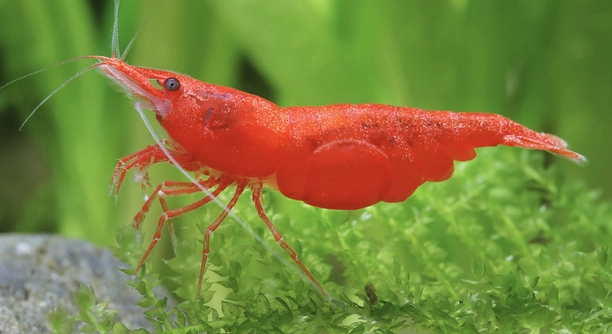
Have you ever noticed your cherry shrimp disappearing from your tank without any clear reason? It can be worrying when these tiny creatures vanish, leaving your aquarium feeling empty and your hard work seemingly undone.
Cherry shrimp often disappear due to a combination of environmental stress, poor water quality, predation, insufficient hiding spots, overfeeding, illness, or molting complications. Understanding these factors is crucial for maintaining a stable and healthy shrimp population in your tank.
Learning about these common causes will help you prevent further losses and ensure your cherry shrimp thrive in their aquatic home.
Poor Water Quality
Poor water quality is one of the main reasons cherry shrimp can vanish. Ammonia, nitrites, and high nitrate levels are harmful to their delicate systems. Even small fluctuations in pH or temperature can stress shrimp, causing them to hide or die. It is important to regularly test your water and perform partial water changes to maintain a stable environment. Filtration helps remove toxins, but overfiltering can create strong currents that stress shrimp. Using a water conditioner to remove chlorine and chloramines is also necessary. Additionally, decaying plants or leftover food can release harmful substances into the water, further reducing water quality. Observing shrimp behavior can give early signs of trouble, such as sluggish movement or hiding excessively. Maintaining clean substrate and removing debris regularly also supports a healthy tank. Proper water management prevents unnecessary losses and encourages shrimp to thrive naturally in their environment. Consistency is key to their survival.
Testing your tank weekly ensures cherry shrimp remain safe and healthy, reducing unexpected disappearances from water-related issues.
Keeping water quality stable not only prevents death but also encourages breeding and normal activity. Cherry shrimp are sensitive creatures that respond to changes in their environment. Maintaining proper filtration, temperature, and chemical balance can reduce stress and improve their overall health. Clean substrate, regular water changes, and removal of uneaten food help sustain a safe habitat. Observing shrimp closely can indicate early problems before they become serious. Stress from poor water can lead to molting issues, illness, or death. Providing hiding spaces, plants, and gentle water flow supports natural behavior. Consistency in care is more important than perfection. Small adjustments, like monitoring pH and ammonia levels, can prevent large losses over time. Healthy shrimp are more vibrant, active, and reproduce reliably, giving you a thriving tank to enjoy.
Predation
Predators in the tank can quickly reduce shrimp numbers without obvious signs. Even small fish can eat baby shrimp or stress adults.
Some species of fish, snails, or larger invertebrates may target cherry shrimp. They often hunt fry or weak individuals first, leaving fewer shrimp over time. Adding tank mates requires careful selection to prevent predation. Observing interactions helps identify threats before they escalate. Providing dense plants, moss, or hiding spots allows shrimp to escape predators. Without these shelters, shrimp may be eaten or hide excessively, impacting feeding and growth. Separating shrimp from aggressive species is often necessary to maintain a healthy population. Tank design, such as rocks and decorations, can create protective areas. Even seemingly peaceful species may accidentally harm shrimp during feeding. Proper tank management includes considering the size, number, and behavior of other aquatic animals present. Awareness and preventative measures can dramatically reduce losses from predation, keeping your shrimp safe.
Molting Problems
Molting is a critical process for cherry shrimp, and issues can cause serious stress or death. Shrimp need proper calcium levels and stable water conditions to molt successfully.
Incomplete or failed molts often occur when water parameters fluctuate or minerals are insufficient. Shrimp may get stuck in their old exoskeleton, leading to vulnerability and sometimes death. Providing a balanced diet rich in calcium and trace minerals helps prevent these problems. Leaf litter or cuttlebone in the tank can supply additional minerals naturally. Stress from tankmates, strong currents, or sudden environmental changes can also interfere with molting. Observing shrimp during molting periods is important to ensure they complete the process safely. Healthy molting is essential for growth, reproduction, and overall survival, so monitoring water quality and diet closely makes a noticeable difference.
Regular observation and proper supplementation can prevent molting issues and improve your shrimp’s overall health and longevity.
Even minor disturbances in the tank can trigger molting complications. Stressful conditions like overcrowding, aggressive fish, or inconsistent feeding schedules make shrimp more prone to problems. Shrimp are delicate during molts, and any disturbance can slow the process. A stable, calm environment encourages successful molting and reduces losses.
Lack of Hiding Spots
Cherry shrimp need hiding places to feel safe, especially when stressed or molting. Without adequate cover, they may hide poorly or disappear.
Dense plants, moss, and decorations provide essential shelter for shrimp of all sizes. Hiding spots protect young shrimp from predation and allow adults to feel secure during vulnerable periods. Lack of cover can lead to constant stress, decreased feeding, and higher mortality. Shrimp instinctively seek protection, so arranging your tank with caves, plants, and driftwood can make a significant difference. Observing shrimp behavior helps identify areas lacking shelter. Providing sufficient hiding areas supports normal activity, growth, and reproduction, keeping your shrimp population stable.
Adding moss, plants, and small decorations creates safe spaces, reducing stress and encouraging natural behavior among your cherry shrimp.
Overfeeding
Overfeeding can harm cherry shrimp by polluting the water and creating harmful bacteria. Excess food breaks down quickly, raising ammonia and nitrate levels, which stress or kill shrimp.
Shrimp that are constantly exposed to uneaten food may develop health issues. Overfeeding also encourages algae blooms, which can further affect water quality.
Illness and Disease
Bacterial and fungal infections can spread quickly in a tank, especially if water conditions are poor. Sick shrimp may hide, stop eating, or die suddenly. Contaminated plants, new tankmates, or leftover food can introduce pathogens. Quarantining new additions, maintaining clean water, and observing shrimp regularly are key steps. Providing a balanced diet and stable environment supports their immune system. Removing sick or dead shrimp immediately prevents disease from spreading. Early detection is crucial to limit losses and protect the overall population.
Stress
Stress reduces shrimp activity and lifespan. Frequent disturbances, sudden changes, or aggressive tankmates can make shrimp disappear.
FAQ
Why are my cherry shrimp disappearing overnight?
Sudden disappearances are often caused by water quality issues or predation. Ammonia spikes, nitrite buildup, or rapid temperature changes can stress or kill shrimp quickly. Certain fish or invertebrates may also eat them, especially babies or molting adults. Ensuring stable water conditions and providing hiding spots can reduce overnight losses.
How can I prevent molting problems in my shrimp?
Molting requires proper calcium, minerals, and stress-free conditions. Adding leaf litter, cuttlebone, or mineral supplements supports healthy exoskeleton development. Keep water stable and avoid sudden changes, aggressive tankmates, or strong currents during molting periods. Observing shrimp closely during molts can help identify issues early.
What is the best diet to keep shrimp healthy?
A balanced diet including algae, biofilm, and specially formulated shrimp pellets is essential. Occasional blanched vegetables like zucchini or spinach provide nutrients. Avoid overfeeding, as leftover food can degrade water quality. Rotating foods ensures they receive necessary vitamins and minerals.
How do I know if my shrimp are stressed?
Signs of stress include hiding constantly, reduced activity, loss of color, or failed molts. Stress can come from aggressive tankmates, poor water quality, or overcrowding. Monitoring behavior and maintaining a calm, stable environment helps minimize stress and keeps shrimp active and healthy.
Can tankmates harm cherry shrimp?
Yes, some fish, snails, or larger invertebrates may eat or harass shrimp. Even peaceful fish may target baby shrimp. Providing dense plants, moss, and hiding spaces protects shrimp. Observing interactions and choosing compatible species reduces losses due to aggression or predation.
How often should I change water?
Regular partial water changes help maintain stable water conditions. Weekly changes of 10–20% are generally recommended. Avoid large or sudden changes, as they can stress shrimp. Conditioning new water to match temperature and pH helps maintain stability and prevent chemical shocks.
What role do hiding spots play in shrimp survival?
Hiding spots are essential for safety, molting, and stress reduction. Plants, moss, rocks, and decorations give shrimp places to retreat. Without cover, they are more exposed to predators and stress, which can lead to disappearance or death. Adequate hiding spaces support reproduction and overall health.
How can I tell if water quality is affecting my shrimp?
Look for unusual behavior like lethargy, color fading, or excessive hiding. Testing ammonia, nitrite, nitrate, and pH levels regularly is important. High readings indicate water quality problems. Immediate partial water changes, filtration adjustments, and proper maintenance can restore safe conditions for shrimp.
Is overfeeding really dangerous?
Yes, overfeeding creates excess waste that breaks down into harmful chemicals. This pollutes the water and encourages bacteria or algae growth, which can stress or kill shrimp. Feeding small portions and removing leftovers reduces these risks and helps maintain a stable tank environment.
Can disease wipe out my shrimp population quickly?
Bacterial and fungal infections can spread rapidly. Poor water quality, contaminated plants, or new tankmates introduce pathogens. Early detection, isolation of sick shrimp, and maintaining clean water can prevent severe losses. Supporting their immune system through proper diet and stable conditions also reduces disease risk.
Why do baby shrimp disappear more often than adults?
Baby shrimp are more vulnerable to predation and stress. They need dense plants, moss, or hiding spots to survive. They are also more sensitive to water changes and chemical fluctuations. Providing a safe environment and monitoring tank conditions helps ensure more babies survive to adulthood.
Can I prevent stress completely?
Stress can’t be eliminated entirely, but it can be minimized. Stable water, gentle water flow, proper hiding spots, compatible tankmates, and consistent feeding routines reduce stress levels. Regular observation allows you to respond to problems before they escalate, keeping shrimp healthy and active.
How do I safely introduce new shrimp?
Quarantine new shrimp for at least a week to prevent introducing diseases. Gradually acclimate them to temperature and water parameters of the main tank. Adding them during low-activity periods and providing hiding spots helps them adjust safely without being stressed or eaten.
What should I do if shrimp keep disappearing despite good care?
Review all factors: water quality, predators, hiding spots, diet, and stress sources. Observe behavior closely to identify potential issues. Consider separating shrimp from aggressive tankmates or adding more shelter. Small adjustments, patience, and consistent maintenance often resolve unexplained disappearances over time.
How often should I check my shrimp?
Daily observation is ideal. Look for changes in behavior, molting success, or color. Frequent checks allow you to spot problems early and prevent major losses. Noticing subtle signs like sluggish movement or hiding patterns can save shrimp before issues become severe.
Can I keep shrimp with other species safely?
Yes, but careful selection is required. Peaceful species that don’t eat shrimp or fry are best. Monitor interactions and provide sufficient hiding spots. Avoid aggressive or predatory tankmates, as even small or peaceful fish can stress or harm shrimp under certain conditions.
What is the most common reason shrimp disappear?
Most disappearances result from water quality issues, predation, or stress. Any combination of these factors can reduce survival. Maintaining stable water, safe tankmates, hiding spots, and proper feeding routines addresses the main risks and supports a thriving shrimp population.
How do I know if my shrimp are reproducing successfully?
Look for berried females carrying eggs under their abdomen. Juveniles appearing in the tank indicate successful breeding. Providing a safe, calm environment with proper food and hiding spaces encourages reproduction. Maintaining good water quality and minimizing stress supports ongoing breeding and population growth.
Are there signs of hidden illness?
Yes, shrimp may stop eating, hide excessively, lose color, or show unusual swimming patterns. Early signs can be subtle. Observing shrimp closely and maintaining optimal tank conditions can prevent illness from spreading and help identify problems before major losses occur.
How important is tank stability for long-term survival?
Tank stability is essential. Consistent temperature, pH, water quality, and minimal disturbances reduce stress, support molting, and encourage healthy behavior. Unstable conditions lead to disease, failed molts, and disappearance. Regular maintenance and monitoring ensure shrimp live longer and thrive naturally.
What should I do if I notice one shrimp dying?
Remove it immediately to prevent potential disease spread. Test water quality and check tankmates. Observing behavior of remaining shrimp helps identify other problems. Addressing underlying causes quickly prevents further losses and protects the rest of the population.
How can I encourage natural behavior in shrimp?
Provide hiding spots, plants, moss, gentle currents, and varied food. Minimize disturbances and avoid overcrowding. Observing shrimp allows you to notice natural activities like grazing on biofilm, climbing plants, and interacting with each other, promoting a healthy and active environment.
Why do shrimp hide so much sometimes?
Hiding is a natural response to stress, predation, or molting. Lack of sufficient cover or environmental disturbances increases hiding. Dense plants, moss, and decorations reduce stress and allow shrimp to feel secure while remaining active and healthy in the tank.
How do I maintain a balanced shrimp population?
Monitor water quality, diet, tankmates, and hiding spots. Prevent overfeeding, stress, and predation. Regular maintenance, observation, and adjustments based on shrimp behavior help sustain a stable, thriving population in your aquarium over time.
Maintaining a healthy cherry shrimp tank takes patience and attention. These tiny creatures are delicate, and small changes in their environment can have big effects. Water quality, diet, tankmates, and shelter all play an important role in their survival. Keeping the water clean and stable is essential. Testing regularly for ammonia, nitrites, nitrates, and pH ensures that the environment remains safe. Performing partial water changes and using a gentle filtration system helps maintain balance without stressing the shrimp. Even minor fluctuations in temperature or chemical levels can lead to stress, molting problems, or death. A stable environment encourages natural behavior, including feeding, molting, and breeding. It also helps prevent the sudden disappearances that can be so frustrating for aquarists. Observing shrimp closely allows you to notice early signs of illness, stress, or environmental issues, giving you the chance to respond before problems escalate.
Feeding is another key factor in keeping shrimp healthy. A balanced diet is necessary for growth, reproduction, and molting. Algae, biofilm, and specialized shrimp food provide essential nutrients, while occasional blanched vegetables can supplement vitamins and minerals. Overfeeding, however, is a common mistake. Uneaten food breaks down quickly, releasing harmful chemicals and encouraging bacteria growth. This can damage water quality and stress shrimp. Feeding small portions, removing leftovers, and rotating foods helps ensure shrimp get proper nutrition without affecting their environment. Providing natural sources of minerals, like cuttlebone or leaf litter, supports exoskeleton development and successful molting. Stress-free conditions during molting periods are critical, as shrimp are most vulnerable during this time. Proper feeding and water management together create a healthy, thriving tank where shrimp can grow and reproduce.
Finally, creating a safe and comfortable habitat is essential for long-term success. Hiding spots such as plants, moss, rocks, or decorations give shrimp places to retreat from stress or predators. Even compatible tankmates can cause stress if there isn’t enough cover. Dense vegetation and secure areas help reduce stress and protect juvenile shrimp. Observing shrimp behavior and adjusting the tank setup accordingly can make a noticeable difference in their survival. Regular maintenance, careful selection of tankmates, and attention to diet and water quality all work together to keep the population stable. With consistent care and observation, cherry shrimp can thrive in your aquarium, displaying vibrant colors, active behavior, and regular breeding. Paying attention to the details and addressing problems early ensures your shrimp live longer and remain healthy, creating a rewarding and balanced aquatic environment.

Hello,
If you enjoy the content that we create, please consider saying a "Thank You!" by leaving a tip.
Every little bit helps us continue crafting quality advice that supports the health, happiness, and well-being of pets around the world, for pets of all shapes, sizes, and species.
We really appreciate the kindness and support that you show us!