
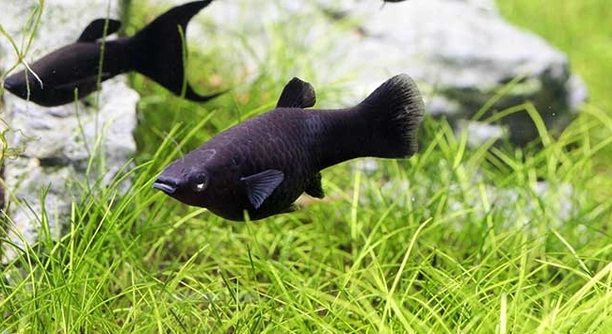
Black Molly fry are tiny and delicate, often navigating their tank cautiously. Their small size and developing bodies make them prone to stress, especially in areas without adequate cover or gentle currents. They thrive in safe, sheltered spaces.
Black Molly fry may avoid open water due to predation risk and environmental stress. Open areas expose them to larger fish, strong currents, and insufficient hiding places, which can reduce survival rates and hinder healthy growth during early developmental stages.
Observing their behavior can reveal important insights into providing a safer, more comfortable environment for these young fish to flourish.
Why Open Water Feels Risky
Black Molly fry instinctively stay close to plants and decorations. Open water exposes them to sudden movements and larger fish that may see them as food. Their small size means even minor currents can push them off course, leaving them vulnerable. Providing dense plant coverage allows them to explore safely while developing stronger swimming skills. Light and temperature also play a role. Fry tend to prefer dimmer areas where shadows provide natural protection. Bright, open areas can cause stress, which affects growth and appetite. Even water flow from filters can be intimidating if too strong. Creating zones of calm water with plenty of hiding spots helps fry feel secure while encouraging gradual exploration. Over time, this reduces stress and allows the fry to become more confident in open areas without exposing them to unnecessary danger. Their natural instinct to hide is a survival mechanism, not a limitation.
Stress and risk in open water can reduce fry survival if not mitigated by proper tank setup.
With careful observation, it is possible to encourage fry to explore gradually. Adding floating plants or small structures allows them to leave cover safely. Regular monitoring helps identify areas where currents are too strong or where aggressive tank mates might intimidate them. Adjusting water flow and rearranging decorations can make open areas more approachable. Fry that feel secure tend to grow faster and develop better swimming skills, which will serve them as adult fish. It is important to maintain consistent water quality and stable temperature, as sudden changes can push fry into hiding and reduce feeding. Overcrowding can increase stress and competition, so maintaining a balanced population ensures each fry has space to grow. By providing a safe environment and gradual exposure to open water, fry can build confidence, reduce stress, and improve survival rates. Observation and small adjustments go a long way in supporting healthy development.
Plant Coverage and Shelter
Dense plants are essential for fry comfort and safety. They provide cover and reduce stress in the tank.
Plants, moss, and decorations mimic natural habitats, giving fry hiding spots from larger fish and strong currents. Fry can move between sheltered areas and more open zones as they gain confidence, which improves swimming skills and feeding behavior. Proper plant placement ensures they are not trapped or blocked from accessing food. The type of plant matters; fine-leaved or floating plants are best because they create gentle barriers without obstructing movement. Fry also use plants to feel secure during periods of rest or molting, which supports overall health. Over time, providing consistent shelter encourages natural behavior and reduces anxiety. Even simple structures like small caves or floating mats can have a positive impact. A combination of hiding spots and open swimming areas allows fry to gradually adapt to their environment while remaining safe. Regular maintenance ensures plants remain healthy and do not degrade water quality. By creating a layered environment, fry feel protected and are more likely to explore safely, eventually reducing avoidance of open water.
Water Flow and Fry Behavior
Strong currents can overwhelm Black Molly fry, making them cling to plants or decorations for stability. Gentle water movement allows them to practice swimming without fatigue or stress. Positioning filters or pumps carefully is essential to create calm areas for fry exploration and growth.
Controlling water flow is important because fry are weak swimmers. Fast-moving water can push them into unsafe areas or prevent them from reaching food. By creating zones with minimal current, fry can build strength gradually. Small adjustments, like redirecting filter output or adding floating plants, help reduce flow in critical areas. Over time, fry become more confident, learning to navigate slightly stronger currents safely. Observation is key to finding the right balance between movement and calm areas for their development.
Water flow also affects feeding and oxygenation. Fry in overly strong currents may struggle to eat or get enough oxygen if they cannot swim efficiently. Slow-moving water near plants or corners allows them to feed without stress. By adjusting flow gradually, fry adapt naturally, improving growth and reducing mortality. Careful monitoring ensures that currents support overall tank health while prioritizing the safety and confidence of young fish.
Tank Size and Fry Confidence
Smaller tanks can feel safe but limit exploration, while larger tanks may intimidate fry. Proper tank size balances security with freedom to move.
In a moderately sized tank, fry have space to swim without being exposed to constant stress. Large tanks without sufficient shelter can make them hide excessively. Adequate decoration and plant coverage help fill open spaces, giving fry confidence to explore. Placement of plants and hiding spots matters to avoid trapping fry or blocking food access. Gradual introduction to larger open areas allows fry to adapt naturally.
Tank dimensions also influence water quality and temperature stability. Smaller tanks can fluctuate quickly, causing stress, while larger tanks require more attention to filtration. Properly sized tanks with structured zones for hiding, feeding, and gentle swimming help fry feel secure while developing swimming strength. The right balance encourages natural behavior, reduces avoidance of open water, and supports overall health. By designing a tank that feels safe but allows gradual exploration, fry build confidence and resilience effectively.
Light and Visibility
Bright light can make Black Molly fry feel exposed and vulnerable. Dim lighting or shaded areas help them move confidently without stress.
Fry rely on shadows and plant coverage to feel secure. Too much light can cause them to hide excessively, reducing feeding and slowing growth. Adjusting tank lighting gradually helps them adapt to open areas over time.
Predators and Tank Mates
Other fish in the tank influence fry behavior. Aggressive or larger species can intimidate them, causing avoidance of open water. Fry naturally stick close to plants and corners to reduce encounters with potential threats. Safe tank mates help fry explore and feed confidently.
Feeding and Growth
Fry often stay hidden if they feel unsafe, which can limit access to food. Ensuring small, frequent feedings near sheltered areas encourages growth and reduces stress.
Water Quality
Poor water conditions increase stress for fry. Maintaining clean, stable water with consistent parameters supports healthy development and encourages exploration.
FAQ
Why do Black Molly fry hide most of the time?
Black Molly fry are naturally cautious because of their size and vulnerability. Hiding helps them avoid predators, strong currents, and sudden changes in the environment. Plants, decorations, and shaded areas give them safe spaces to rest, eat, and develop confidence gradually. Constant hiding can indicate stress or an unsafe tank setup.
Can fry eventually learn to swim in open water?
Yes, fry can adapt to open water over time if the environment is safe. Gradually introducing them to slightly larger open spaces while keeping nearby shelters helps them practice swimming without fear. Observing their behavior ensures they aren’t overwhelmed. Over time, confidence grows, and they explore more freely.
How important are tank plants for fry survival?
Plants are essential for providing cover, reducing stress, and creating a natural-feeling environment. Fine-leaved and floating plants work best, as they allow movement while offering protection. Plants also break water flow, giving fry calm areas to feed and grow. Without sufficient coverage, fry are more prone to hiding, injury, or stress.
What tank size is best for Black Molly fry?
A moderately sized tank is ideal. Too small, and fry may feel crowded and stressed. Too large, and they can feel exposed and hide excessively. The tank should have safe zones, feeding areas, and calm water regions. Proper decoration and plant placement are key for making the space feel secure and balanced.
Do water flow and filtration affect fry behavior?
Yes, strong currents can exhaust fry and push them into unsafe areas. Gentle water movement is best, with zones of calm water created using floating plants or filter adjustments. Gradually introducing fry to slightly stronger currents allows them to build swimming strength and confidence safely.
How often should fry be fed?
Frequent small feedings work best. Fry have tiny mouths and high energy needs, so food should be placed near shelter to reduce stress. Overfeeding can harm water quality, while underfeeding slows growth. Observing fry during feeding helps ensure everyone is eating and thriving.
Are certain tank mates safer for fry?
Yes, peaceful, small fish that do not compete aggressively for food or chase fry are best. Larger or aggressive fish can intimidate or eat fry. If fry coexist with adults of the same species, providing dense plants or breeding boxes can give them a safe retreat and encourage natural growth.
Does light intensity affect fry behavior?
Bright light can make fry feel exposed and cause them to hide excessively. Dim lighting or shaded areas provide comfort and allow natural exploration. Gradually adjusting light levels helps fry adapt to open areas while maintaining a sense of safety.
How can I encourage fry to leave hiding spots?
Introduce small, safe open areas near plants and decorations. Gradually increase space as fry become more confident. Feeding near these zones encourages movement. Avoid sudden changes in environment or lighting, as stress can cause them to retreat. Patience and consistent observation are key to helping fry explore safely.
What signs indicate fry are stressed?
Hiding constantly, not feeding, erratic swimming, or clinging to plants are all signs of stress. Poor water quality, aggressive tank mates, strong currents, or insufficient shelter can cause this. Identifying the source and adjusting the environment helps fry regain confidence, feed properly, and grow healthily.
How does water quality impact fry survival?
Stable, clean water is critical. Sudden changes in temperature, pH, or ammonia levels can stress fry and reduce growth or survival. Regular water changes, careful filtration, and monitoring of parameters create an environment where fry feel safe and can gradually explore open water areas.
Can fry coexist with adult Black Mollies?
Yes, but precautions are needed. Adults may outcompete fry for food or accidentally harm them. Dense plants, floating mats, and small hiding spots allow fry to remain safe while observing adults. Over time, fry can gain confidence and begin exploring open areas safely alongside adults.
Are there specific foods that help fry grow stronger?
Yes, finely crushed flake foods, baby brine shrimp, and specialized fry diets provide essential nutrients for growth. Feeding in small amounts near protected areas ensures fry eat without stress. A varied diet supports healthy development, strong swimming, and a reduced tendency to hide excessively.
How long do fry typically avoid open water?
It depends on tank setup, safety, and environmental conditions. With proper shelter, gentle currents, and gradual exposure, fry may begin exploring open areas in a few weeks. Continuous observation ensures they build confidence safely without risking stress or injury.
What is the role of temperature in fry behavior?
Stable temperature helps fry feel secure and supports healthy growth. Sudden fluctuations can trigger hiding, reduce feeding, and stress the fish. Maintaining a consistent temperature close to adult Molly preferences encourages normal activity and reduces avoidance of open water.
How can I reduce predator stress in a mixed tank?
Use dense plant coverage, floating plants, and decorations to create multiple hiding zones. Separating aggressive or larger fish temporarily can also help. Providing calm water regions and consistent feeding near safe areas reduces stress and allows fry to develop swimming confidence.
Is it normal for fry to cluster together?
Yes, clustering provides a sense of security and protection. Fry instinctively group in sheltered areas to reduce exposure to potential threats. Observing clustering patterns can help identify stress points in the tank and guide adjustments to hiding spots, lighting, or flow.
Do Black Molly fry ever become fearless of open water?
Over time and with proper conditions, fry gain confidence in open spaces. Gradual exposure, safe zones, and consistent feeding allow them to explore more freely. While natural caution remains, most fry will eventually navigate open water without constant hiding, balancing exploration with instinctual safety.
How does overcrowding affect fry behavior?
Overcrowding increases stress, competition for food, and hiding behavior. Fry may avoid open water more often if space is limited. Maintaining a balanced population with enough hiding spots and feeding areas ensures fry can develop naturally while reducing fear of open spaces.
What are common mistakes that increase fry stress?
Overcrowding, aggressive tank mates, strong currents, bright lighting, poor water quality, and insufficient plants all raise stress levels. Each factor can cause fry to hide excessively, reduce feeding, and slow growth. Monitoring behavior and adjusting tank setup proactively prevents unnecessary stress and supports healthy development.
How long does it take for fry to grow confident in the tank?
Confidence grows gradually with safe shelter, gentle water flow, proper feeding, and secure surroundings. Depending on tank conditions, fry may begin exploring open water in a few weeks to a couple of months. Patience and observation are key to ensuring steady, stress-free development.
Can stress in fry affect adult health?
Yes, prolonged stress can stunt growth, weaken immunity, and increase susceptibility to disease. Providing a secure environment with appropriate plants, calm water zones, and gradual exposure to open water helps fry grow strong, healthy, and ready for adult life.
Are there signs that fry are ready for larger tank areas?
Active swimming away from shelter, consistent feeding, and reduced hiding indicate readiness. Fry begin exploring corners and small open zones confidently. Introducing them gradually to larger areas with sufficient hiding spots ensures a smooth transition while reducing stress and supporting healthy growth.
Final Thoughts
Black Molly fry are naturally cautious creatures. Their instinct to avoid open water is a survival behavior that helps protect them from predators and environmental stress. In their early days, fry rely heavily on plants, decorations, and shaded areas to feel secure. These hiding spots are not just for comfort—they are essential for their growth and development. When fry have safe zones, they are more likely to feed properly, swim confidently, and build strength. Without these secure spaces, fry can experience unnecessary stress, which can slow growth and increase the risk of illness. Observing their behavior carefully can provide valuable insight into their needs.
Creating a tank environment that balances safety with space for exploration is important. Gentle water flow, adequate plant coverage, and thoughtful placement of decorations allow fry to gradually become more confident in open areas. Feeding in small amounts near sheltered zones encourages fry to leave hiding spots without feeling threatened. Temperature stability and clean water further support their well-being. Over time, fry learn to navigate larger spaces while retaining the natural caution that keeps them safe. This gradual exposure helps them develop swimming skills, social behavior, and resilience. Every small adjustment in tank setup can make a noticeable difference in how fry interact with their environment.
Patience is key when raising Black Molly fry. They develop at their own pace, and forcing them into open water too quickly can cause stress and harm. By respecting their natural instincts and providing a supportive environment, fry are more likely to thrive. Watching fry explore, feed, and gradually leave hiding spots can be rewarding and informative. Understanding their behavior helps in creating a tank that supports healthy growth while minimizing fear and stress. With consistent care, careful observation, and small, thoughtful adjustments to their habitat, Black Molly fry can grow into confident, healthy adult fish. Their cautious nature is not a limitation but a natural part of their development, and supporting them properly ensures a higher survival rate and a stronger, more vibrant aquarium community.

Hello,
If you enjoy the content that we create, please consider saying a "Thank You!" by leaving a tip.
Every little bit helps us continue crafting quality advice that supports the health, happiness, and well-being of pets around the world, for pets of all shapes, sizes, and species.
We really appreciate the kindness and support that you show us!