
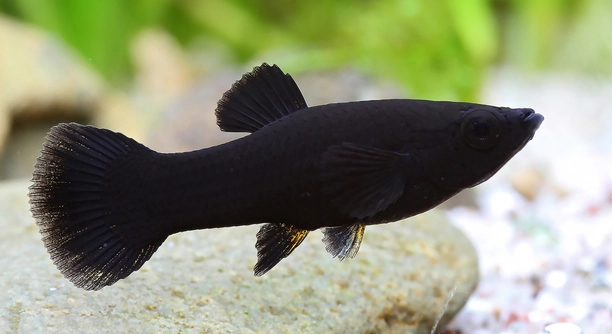
Do you ever find yourself setting up a new tank for your black mollies but feeling unsure how to create the ideal breeding environment? Black mollies require careful attention to water conditions, tank setup, and overall care for successful breeding.
The best practices for black molly breeding tanks include maintaining stable water parameters, providing sufficient hiding spaces, controlling light cycles, offering high-quality nutrition, ensuring proper filtration, monitoring tank mates, and regularly observing fish behavior to optimize breeding success.
Following these guidelines will help your black mollies thrive and increase the chances of healthy fry development in your breeding tank.
Choosing the Right Tank Size
For black molly breeding, tank size plays a crucial role in their health and reproduction. A tank that is too small can stress the fish, leading to lower fertility and increased aggression. A minimum of 20 gallons is recommended for a small breeding group, providing enough space for males and females to coexist without constant competition. Larger tanks allow for better distribution of hiding spots, swimming areas, and plant placement. Mollies are active swimmers, so ensuring ample horizontal space is essential. Overcrowding can lead to poor water quality, making it harder to maintain stable parameters. A properly sized tank also gives fry more room to grow, reducing the risk of cannibalism. Considering both adult fish and offspring is important when planning the tank size, ensuring that filtration and maintenance can handle the biological load efficiently.
A 20-30 gallon tank usually balances space and maintenance needs for a small molly breeding group.
Selecting the right tank size ensures black mollies remain healthy, active, and productive. Ample space reduces stress and provides fry room to grow safely, making maintenance easier and supporting consistent breeding conditions.
Maintaining Water Quality
Stable water parameters are essential for black molly breeding. Regular monitoring of temperature, pH, and hardness helps prevent stress and promotes healthy reproduction. Mollies thrive in slightly alkaline water with a pH between 7.5 and 8.5. Temperature should be maintained around 75-80°F, ensuring both adults and fry develop properly. Using a reliable filtration system keeps the water clear, removes debris, and supports beneficial bacteria that break down waste. Partial water changes weekly help maintain water quality and prevent ammonia or nitrite spikes. Avoid sudden changes in water conditions, as mollies are sensitive to fluctuations that can affect breeding success. Consistent water maintenance and proper filtration provide a stable environment, supporting overall fish health and fry survival.
Regular testing and partial water changes are key to sustaining a healthy breeding environment.
Water quality directly influences black molly reproductive success and fry survival. Maintaining consistent pH, temperature, and cleanliness prevents stress-related health issues and encourages natural breeding behaviors. Filtration and water changes reduce toxins while stabilizing the tank environment. Careful observation and prompt adjustments help ensure a productive breeding setup, providing a safe and thriving habitat for both adult mollies and their offspring.
Providing Hiding Spots
Black mollies need hiding spots to feel secure, especially during breeding. Plants, caves, and decorations give them safe spaces to reduce stress and protect fry from adults who might eat them. Proper hiding areas support natural behavior and increase breeding success.
Live plants such as Java moss, hornwort, or floating plants create both shelter and grazing opportunities for black mollies. Caves or small ornaments offer resting areas for timid fish, helping reduce aggression and stress. Dense vegetation allows fry to hide and improves their survival rate. By arranging the tank thoughtfully, you can provide sufficient cover while still leaving open swimming areas. Hiding spots also contribute to water oxygenation when using live plants and create a visually appealing environment without overcrowding the tank.
Including multiple hiding spots ensures black mollies feel secure, reduces stress-related aggression, and provides essential protection for fry. A well-planned layout balances shelter with open swimming space, supporting healthy breeding and overall tank harmony.
Controlling Light Cycles
Maintaining a consistent light cycle helps black mollies regulate their behavior and breeding patterns. Typically, 10-12 hours of light per day is sufficient to mimic natural conditions and encourage spawning.
Consistent lighting supports feeding schedules, activity levels, and reproductive behavior. Black mollies respond to predictable light and dark periods, which can trigger mating instincts. Too much light can encourage algae growth, while too little can reduce activity and appetite. Using a timer ensures the light cycle remains steady even when daily routines vary, promoting stability in the tank environment. Light also influences plant growth, which indirectly provides better hiding spots and natural grazing areas for both adults and fry. Proper lighting helps maintain overall tank health and supports consistent breeding patterns.
A reliable light cycle not only promotes healthy black molly behavior but also enhances plant growth and fry survival. Using a timer keeps the environment consistent, reducing stress and creating optimal conditions for reproduction.
Offering High-Quality Nutrition
Providing nutritious food is essential for black molly breeding. A balanced diet with high-quality flakes, pellets, and occasional live or frozen foods supports their health and reproductive capacity.
Including protein-rich foods like brine shrimp or daphnia improves fertility and fry development. Feeding small portions multiple times a day prevents overfeeding and maintains water quality.
Separating Aggressive Tank Mates
Black mollies can become stressed if housed with aggressive or overly active fish. Keeping compatible species ensures a calm breeding environment. Stress can reduce spawning frequency and harm fry survival.
Monitoring Fry Growth
Regularly observing fry helps track development and detect health issues early. Healthy fry are active, feed well, and grow steadily in a stable tank environment.
Adjusting Water Temperature
Slightly higher temperatures, around 78-80°F, can encourage breeding. Maintaining stable warmth ensures eggs develop properly and fry remain healthy.
FAQ
How often should I feed my black mollies?
Feeding small amounts two to three times daily works best. Overfeeding can pollute the tank, while underfeeding may reduce breeding success. A mix of high-quality flakes, pellets, and occasional live or frozen foods like brine shrimp ensures proper nutrition for both adults and fry.
What is the ideal tank temperature for breeding?
Maintaining a temperature between 75°F and 80°F supports spawning and fry development. Sudden temperature changes can stress fish and reduce fertility. Using a reliable heater and thermometer helps keep conditions stable, ensuring healthy growth and consistent breeding behavior.
How do I prevent fry from being eaten?
Adding dense plants, floating vegetation, or small hiding spots allows fry to escape adult fish. Separating a few adults into a breeding tank or using a fry net can also increase survival rates. Monitoring interactions regularly helps protect the fry during early stages.
Can black mollies breed in community tanks?
Yes, but success depends on tank mates. Aggressive or fin-nipping species can stress mollies, lowering breeding chances and risking fry survival. Choosing peaceful, similarly sized fish or using a separate breeding area improves outcomes and ensures adult mollies remain calm and healthy.
How can I tell if a female is pregnant?
Pregnant females show a swollen belly and a darker gravid spot near the anal fin. Behavior changes like hiding or slower swimming are common. Observing these signs helps prepare a safe space for fry and plan feeding to support the mother.
How long is the gestation period for black mollies?
Gestation typically lasts 28 to 30 days. This can vary slightly depending on temperature, diet, and overall tank conditions. Keeping water quality stable and feeding the female adequately ensures she stays healthy throughout the pregnancy.
Do I need a separate tank for breeding?
A separate breeding tank is not mandatory but is highly recommended. It protects fry from adults, simplifies monitoring, and allows better control over water conditions. Even a small 10-gallon tank with proper hiding spots can significantly increase fry survival rates.
What should I feed the fry?
Fry need small, high-protein foods. Options include crushed flakes, baby brine shrimp, and infusoria. Feeding several small portions daily encourages steady growth. Clean water is critical, as leftover food can quickly pollute a small fry tank and harm their development.
How often should I clean the breeding tank?
Partial water changes of 20-25% once or twice a week are sufficient. Complete cleaning can stress adults and fry. Regular removal of uneaten food and debris keeps ammonia and nitrite levels low, maintaining a healthy environment for reproduction.
When can fry be introduced to the main tank?
Fry can join the main tank once they are about one inch long and able to swim actively. Introducing them earlier increases the risk of predation. Gradual acclimation to the main tank’s conditions helps reduce stress and improves survival rates.
How do I maintain water quality during breeding?
Regular testing for pH, ammonia, nitrite, and nitrate levels is essential. Using a good filtration system, performing consistent water changes, and avoiding overfeeding keeps conditions stable. Stable water parameters promote healthy adults and increase the chances of successful fry growth.
Can black mollies breed year-round?
Yes, as long as water conditions, temperature, and nutrition remain consistent. Seasonal changes in light or temperature can influence breeding behavior, so maintaining stable tank conditions encourages continuous reproduction throughout the year.
How many fry can a female produce at once?
Females typically give birth to 20-60 fry per pregnancy, depending on age, size, and health. Providing proper nutrition and a stress-free environment helps maximize the number of healthy offspring produced during each cycle.
What are common problems in black molly breeding?
Stress from aggressive tank mates, poor water quality, inadequate nutrition, and lack of hiding spaces are common issues. Addressing these factors and closely observing fish behavior helps prevent complications and improves both adult health and fry survival.
How long do black mollies live?
On average, black mollies live 3 to 5 years. Proper care, including a balanced diet, clean water, and stable tank conditions, supports longevity and sustained breeding performance over time.
How do I encourage a male to mate?
Males need healthy, well-fed females and minimal stress. Providing open swimming areas, gentle lighting, and hiding spots helps males court females naturally. Avoid overcrowding and aggressive tank mates, as they can reduce mating behavior.
Can I keep multiple males in the same breeding tank?
Yes, but monitor closely. Too many males can stress each other and females, leading to aggression and reduced fertility. A balanced ratio of one male to two or three females works best for a peaceful and productive breeding environment.
What should I do if fry are not surviving?
Check water quality, hiding spots, and food availability. Overcrowding or aggressive adults may also be an issue. Adjusting tank conditions, separating adults, and feeding appropriately usually improves fry survival rates quickly.
Is it necessary to use live plants in the breeding tank?
Live plants are beneficial but not strictly necessary. They provide shelter, improve water quality, and offer grazing surfaces for fry. Artificial plants can work as substitutes, but live vegetation supports natural behavior and enhances overall tank health.
How can I reduce stress for breeding mollies?
Keep water parameters stable, provide hiding spots, avoid aggressive tank mates, and maintain a consistent light cycle. Minimal disturbances during feeding or water changes also help ensure a calm environment conducive to breeding.
Can black mollies breed in soft water?
Yes, but slightly harder, alkaline water is ideal. Soft water can be used if carefully monitored and supplemented with minerals. Maintaining stable pH and hardness levels improves fertility, fry development, and overall health of adults.
What is the best way to handle fry during cleaning?
Use a small net or siphon carefully to avoid injury. Avoid disturbing hiding areas excessively. Temporary relocation to a small tank or container with stable water can help protect fry during maintenance.
How long does it take fry to become independent?
Fry are generally independent after 4 to 6 weeks. At this stage, they can feed on their own and swim actively. Gradual introduction to larger tank areas helps them adjust safely without risk of predation.
How often should I check water parameters?
Testing once a week is usually sufficient. During early fry development, more frequent checks can help prevent sudden changes in ammonia, nitrite, or pH. Stable parameters are essential for healthy adult fish and thriving fry.
Can I use artificial lighting for breeding tanks?
Yes, artificial lighting works as long as the duration and intensity mimic natural light cycles. Using a timer ensures consistency, which supports feeding schedules, activity, and breeding behavior for both adults and fry.
What is the ideal male-to-female ratio?
A ratio of one male to two or three females is ideal. This reduces stress on females, prevents excessive chasing, and encourages healthy breeding. Imbalanced ratios can lead to aggression, stress, and lower reproductive success.
How do I introduce a new female to the breeding tank?
Acclimate her slowly to match temperature and water conditions. Introduce her during calm periods and observe interactions with the existing group. Proper acclimation reduces stress and helps prevent aggression from males or other females.
Can black mollies interbreed with other molly varieties?
Yes, black mollies can interbreed with other molly types. While this can produce hybrid offspring, it may affect fry coloration and traits. If maintaining pure strains is important, separate breeding groups are recommended to avoid crossbreeding.
How can I tell if fry are healthy?
Healthy fry are active, swim steadily, and feed regularly. They should grow at a consistent rate, have clear eyes, and show no signs of deformities or lethargy. Monitoring their behavior daily helps identify issues early for corrective action.
Are there supplements that help breeding?
Adding vitamins or mineral supplements can support adult health and fry development. High-quality foods often provide necessary nutrients, but supplements can be used sparingly if recommended for specific deficiencies or to boost breeding success.
What tank decorations are safe for fry?
Smooth rocks, PVC pipes, or fine mesh plants are safe. Avoid sharp or rough materials that could injure fry. Decorations should provide hiding spaces without overcrowding the tank or restricting swimming areas for both adults and fry.
How do I maintain consistent breeding cycles?
Keep water parameters, temperature, and light cycles stable. Provide proper nutrition, reduce stress, and maintain adequate hiding spots. Monitoring adult health and behavior regularly helps sustain consistent reproductive activity over time.
Can black mollies breed without a male present?
No, a male is required for fertilization. Female mollies store sperm for a short period, but a male is necessary to produce viable fry. Ensuring a healthy male is available increases the likelihood of successful breeding.
What is the role of water hardness in breeding?
Moderate to hard water supports egg and fry development. Soft water can slow growth and reduce fry survival. Regular testing and mineral supplementation help maintain appropriate hardness for optimal reproductive outcomes.
How can I encourage females to produce more fry?
Provide high-quality nutrition, stable water conditions, and minimal stress. A comfortable environment with hiding spots, proper light cycles, and healthy tank mates helps females breed successfully and produce larger, healthier broods.
What should I do if adults fight frequently?
Reduce the number of males, increase hiding spaces, and check for overcrowding. Frequent fights can stress fish, lower fertility, and harm fry. Monitoring tank dynamics and making adjustments ensures a calmer, safer breeding environment.
Is it necessary to quarantine new fish before breeding?
Yes, quarantining prevents disease introduction and allows observation of health before mixing with adults. A separate 2-4 week quarantine helps ensure new fish do not compromise breeding success or fry survival.
Can black mollies breed in slightly acidic water?
They can survive, but acidic water reduces fertility and fry survival. Slightly alkaline water is preferred for optimal breeding. Maintaining stable pH within the recommended range ensures adults remain healthy and fry develop properly.
How often do black mollies give birth?
Females typically give birth every 4-6 weeks under ideal conditions. Proper nutrition, stable water parameters, and minimal stress support regular birthing cycles and healthy fry output.
What are the signs of stressed adults in a breeding tank?
Signs include hiding excessively, rapid gill movement, loss of appetite, or erratic swimming. Stress reduces breeding success and can lead to health problems, making it important to address environmental or social factors quickly.
Are there benefits to using a sponge filter in a breeding tank?
Yes, sponge filters provide gentle filtration that doesn’t harm fry, support beneficial bacteria, and maintain water quality. They create a safe, low-flow environment, reducing stress and increasing survival rates for young fish.
Can black mollies breed in low-light conditions?
They may survive but are less likely to breed consistently. Moderate, consistent light encourages activity, feeding, and mating behavior, which are essential for regular reproduction.
How do I manage overpopulation in a breeding tank?
Regularly remove fry to separate tanks or rehome them. Overcrowding increases stress, reduces water quality, and can lead to aggression or cannibalism. Managing numbers ensures a healthy environment for both adults and offspring.
How long should I wait to introduce fry to a planted tank?
Wait until fry are about one inch and actively swimming. Plants provide shelter, but small fry can still be vulnerable to adults. Gradual introduction reduces stress and improves survival rates.
What is the best way to track breeding progress?
Keep notes on water conditions, feeding schedules, fry births, and growth rates. Regular observation helps identify trends, detect problems early, and maintain optimal breeding conditions consistently.
Can stress from frequent handling affect breeding?
Yes, frequent handling or disturbances can stress adults and reduce fertility. Minimizing interactions and performing maintenance carefully improves breeding success and overall fish health.
How do I support fry after birth?
Ensure plenty of hiding spaces, provide high-quality small foods, and maintain stable water conditions. Gentle observation helps detect issues early, allowing for prompt corrective action to support healthy growth and survival.
What are common mistakes in black molly breeding?
Overcrowding, poor water quality, insufficient hiding spots, improper feeding, and aggressive tank mates are common mistakes. Avoiding these ensures adults remain healthy and fry survival rates remain high.
Can I use artificial plants for hiding spots?
Yes, as long as they are smooth and do not have sharp edges. Artificial plants can provide cover, reduce stress, and support fry survival if arranged thoughtfully.
How important is regular observation during breeding?
Daily observation helps detect health issues, stress, or aggression early. Monitoring behavior and growth allows prompt action to maintain stable conditions and improve breeding outcomes consistently.
Are there special considerations for first-time breeders?
Start with a small, manageable group, stable water parameters, and adequate hiding spots. Gradually learn how adults and fry interact. Observing and adjusting conditions carefully ensures better success and reduces stress for both fish and the caretaker.
What is the best way to feed pregnant females?
Provide small, frequent meals rich in protein and nutrients. High-quality flakes, pellets, and occasional live foods support health and fry development. Avoid overfeeding, which can affect water quality and stress the female.
Can I breed black mollies year-round indoors?
Yes, with controlled temperature, light cycles, and nutrition. Indoor conditions allow consistent breeding, regardless of seasonal changes, ensuring a stable and productive environment for both adults and fry.
How do I handle water changes without stressing fry?
Perform gentle partial water changes using a siphon. Avoid sudden temperature shifts and excessive disturbance. Gradual adjustments maintain water quality while keeping both adults and fry safe.
What is the ideal pH for black molly breeding?
A slightly alkaline pH of 7.5 to 8.5 is ideal. Stable pH supports adult health, fry development, and consistent breeding behavior. Regular testing helps maintain optimal conditions.
How do I separate fry if adults are aggressive?
Use a breeding net, small tank, or container with stable water. Providing hiding spots ensures fry survival while reducing stress for both adults and offspring.
Are there signs of poor water quality affecting breeding?
Yes, cloudy water, algae overgrowth, sluggish swimming, reduced appetite, or unusual behavior indicate poor conditions. Prompt maintenance and monitoring prevent negative impacts on adults and fry.
How can I support fry growth after the first month?
Provide appropriate foods, stable water parameters, and safe swimming areas. Gradually increase tank size and introduce suitable tank mates when fry are large enough to reduce stress and promote healthy development.
Can temperature fluctuations harm breeding success?
Yes, sudden changes can stress adults and affect fry development. Maintaining consistent warmth supports mating, egg development, and fry survival.
What is the best filtration system for a breeding tank?
A gentle sponge filter or low-flow filter is ideal. It maintains water quality without harming fry or stressing adults. Proper filtration supports a healthy, stable breeding environment.
How do I know if breeding efforts are successful?
Signs include regular mating behavior, healthy fry, and successful births. Consistent observation of adult health, activity, and fry growth indicates effective breeding practices and tank management.
Can black mollies breed in a tank without plants?
Yes, but hiding spots remain essential. Artificial shelters or decorations can substitute for plants, providing protection for fry and reducing stress for adults during breeding.
How long do black mollies remain fertile?
Adults can breed successfully for several years with proper care. Stable water conditions, nutrition, and low stress extend reproductive longevity and ensure consistent fry production.
What should I do if a female stops giving birth?
Check water conditions, nutrition, and stress levels. Removing aggressive tank mates, improving diet, and maintaining stable parameters usually restores reproductive activity over time.
How can I prevent algae growth in a breeding tank?
Control light duration, avoid overfeeding, and maintain clean water. Algae competes for nutrients and can reduce oxygen levels, affecting both adults and fry. Regular maintenance keeps the tank balanced and healthy.
Can I use tap water for breeding tanks?
Yes, if treated with a water conditioner to remove chlorine and chloramines. Testing for hardness and pH ensures it meets black molly requirements for successful breeding and fry survival.
What is the best way to acclimate new fish for breeding?
Gradually adjust them to temperature and water conditions over a few hours. Floating bags, slow water mixing, and careful observation reduce stress and prevent shock during introduction.
Are there behavioral signs of a male ready to breed?
Males often display chasing, nipping, and courting behavior. Vigorous swimming around females and showing off fins indicate readiness to mate, which helps plan tank management and fry protection.
How do I know when fry are ready for new foods?
Once they can swim steadily and actively search for food, introduce crushed flakes or baby brine shrimp. Small, frequent feedings support healthy growth and development without polluting water.
Can breeding success vary between different black molly strains?
Yes, genetics, size, and health influence fertility and fry survival. Observing each strain and adjusting conditions accordingly improves outcomes and ensures consistent reproduction.
Is water flow important in a breeding tank?
Low to moderate flow is best. Strong currents can stress adults and fry, while gentle movement helps oxygenate water and prevent stagnation. Proper flow supports a safe, healthy environment for breeding.
How do I reduce aggression during breeding?
Provide hiding spots, maintain a proper male-to-female ratio, avoid overcrowding, and choose peaceful tank mates. Reducing stress improves breeding success and protects fry from harm.
What is the best way to track fry growth?
Monitor size, swimming activity, and feeding behavior. Keep notes on development milestones to detect issues early. Regular observation ensures healthy growth and allows adjustments in care as needed.
Can black mollies breed in tanks with snails or shrimp?
Yes, but monitor interactions. Some shrimp may be eaten, and snails can compete for resources. Ensuring hiding spots and safe areas helps maintain harmony and successful breeding.
Are there seasonal effects on black molly breeding indoors?
With controlled temperature and light, seasonal changes have minimal impact. Stable indoor conditions allow year-round breeding, provided water quality and nutrition remain consistent.
How do I prevent disease during breeding?
Quarantine new fish, maintain clean water, avoid overfeeding, and monitor health regularly. Promptly removing sick individuals prevents outbreaks and protects both adults and fry in the breeding tank.
What are the signs of fry stress?
Signs include hiding excessively, poor feeding, lethargy, or erratic swimming. Providing sufficient cover, stable water parameters, and gentle observation reduces stress and improves survival rates.
Can black mollies breed in tanks with fluctuating light?
Inconsistent light can disrupt breeding cycles.
Breeding black mollies can be a rewarding experience when the tank is set up properly and maintained carefully. Providing a stable environment with the right temperature, pH, and hardness is essential for both adult health and fry survival. Consistency in water conditions reduces stress, supports natural behavior, and encourages regular spawning. A tank that is well-planned, with adequate space, filtration, and hiding spots, ensures that the fish feel secure and thrive. Proper maintenance, including regular partial water changes and monitoring for any signs of illness, is necessary to keep both adults and fry healthy. These factors work together to create a breeding environment where black mollies can reproduce successfully and grow strong, healthy fry over time.
Nutrition also plays a crucial role in black molly breeding. Feeding high-quality flakes, pellets, and occasional live or frozen foods provides the necessary protein and vitamins for adult fish to remain healthy and fertile. Balanced meals given in small portions multiple times a day help prevent overfeeding, which can pollute the tank and create stressful conditions for both adults and fry. Pregnant females benefit from protein-rich foods to support fry development, while fry themselves require tiny, nutrient-rich foods to grow steadily. Offering a variety of foods helps ensure that all fish receive the nutrients they need. Combined with proper tank conditions, good nutrition promotes consistent reproductive behavior and increases fry survival rates, giving breeding efforts the best chance of success.
Observing and understanding fish behavior is also an important part of black molly breeding. Noticing signs of stress, aggression, or illness allows adjustments to be made quickly, reducing risks to both adults and fry. Hiding spots, proper male-to-female ratios, and a calm environment all help minimize conflict and support natural breeding habits. While breeding black mollies requires attention to detail and careful management, the process becomes more predictable and manageable as experience grows. Paying attention to these basic principles—tank setup, water quality, nutrition, and behavior—creates a healthy environment for black mollies and fosters successful breeding outcomes. With careful planning and observation, you can maintain a productive breeding tank that ensures healthy adults and thriving fry for the long term.

Hello,
If you enjoy the content that we create, please consider saying a "Thank You!" by leaving a tip.
Every little bit helps us continue crafting quality advice that supports the health, happiness, and well-being of pets around the world, for pets of all shapes, sizes, and species.
We really appreciate the kindness and support that you show us!