
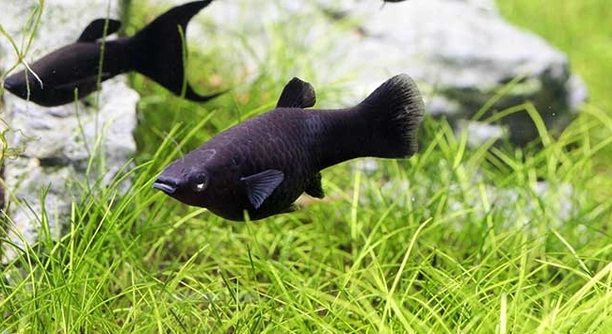
Do your black molly swim in circles without much purpose or hide for long stretches of time? These small fish are lively by nature, and lack of stimulation can lead to noticeable changes in behavior that owners should notice.
Black molly often show signs of boredom through repetitive swimming patterns, lethargy, or constant hiding. These behaviors indicate environmental or social needs are not being met, which can impact overall health, growth, and well-being if left unaddressed.
Recognizing these signals early can help you make small adjustments to improve your molly’s daily life and environment.
Constant Pacing or Circling
When black molly start swimming in tight circles or pacing the same path repeatedly, it usually signals boredom. These fish are naturally active and enjoy exploring their environment, so a repetitive pattern can indicate they lack stimulation. Tank size, decorations, and companions all affect their behavior. A small or empty tank leaves little to explore, making molly restless. Lack of plants, hiding spots, or varied surfaces reduces interest and engagement. Sometimes boredom can cause stress, weakening their immune system and making them more prone to illness. Observing patterns closely can help you recognize the difference between normal activity and signs of frustration. Adding plants, rocks, or rearranging decorations can provide new areas to explore. Pairing them with compatible tank mates can also encourage natural social behaviors. Regular interaction, like feeding in different areas, helps break monotony.
Adding some plants or rearranging the tank can quickly reduce pacing and make your molly more active and calm.
Variety in the tank encourages exploration. Changing decorations or adding live plants keeps black molly engaged. They respond to visual and structural changes, improving their health and happiness without complex care adjustments.
Excessive Hiding
When black molly hide more than usual, it is often a sign they are bored or stressed. These fish seek security, but constant hiding indicates their environment is unstimulating.
Providing hiding spots is essential, but too much hiding suggests they need enrichment. Over time, boredom can lead to avoidance behaviors. Adding plants, rocks, or structures creates interest and encourages activity. Movement around the tank, like rearranging decorations periodically, sparks curiosity. Molly also benefit from companions of similar temperament, as social interaction reduces isolation. Feeding in varied spots or introducing floating objects gives them a reason to explore. Lack of stimulation can also affect appetite and overall behavior, so consistent observation is key. Balancing shelter with open swimming areas allows them to feel secure while staying active. Structured enrichment and environmental changes promote natural behavior patterns, improving health and reducing stress, which keeps black molly lively and content. A thoughtful approach ensures their tank remains an engaging, comfortable habitat for daily life.
Loss of Appetite
A black molly that ignores food or eats less than usual may be bored or stressed. Appetite changes often reflect environmental dissatisfaction rather than illness alone. Adjusting the tank setup can help restore interest in feeding and normal behavior.
Lack of stimulation affects a molly’s motivation to eat. If the tank is empty or lacks variation, even healthy fish can lose interest in food. Rotating decorations, adding plants, and providing hiding spots encourages natural exploration and feeding behavior. Social interaction also plays a role; molly are more likely to feed actively in the presence of compatible tank mates. Observing feeding patterns after environmental changes can help track improvement.
Offering a variety of foods and changing feeding locations can spark curiosity. Small floating or sinking treats encourage movement, making meals more engaging. Regular enrichment keeps appetite consistent and supports overall health, preventing boredom-related feeding issues in black molly.
Aggressive or Irritated Behavior
Bored black molly may act aggressively toward tank mates or display sudden bursts of irritability. These behaviors usually emerge when they lack outlets for natural activity. Environmental changes and enrichment help reduce tension and improve harmony.
Introducing plants, rocks, or rearranging tank items provides exploration opportunities and limits boredom-related aggression. Social structure also matters; overcrowding or incompatible companions can amplify irritability. Ensuring enough space and visual barriers allows molly to interact safely. Rotating decorations or adding floating objects can keep fish occupied, reducing stress and aggression over time. Monitoring group dynamics ensures peaceful coexistence while promoting mental stimulation.
Structured activity, like varying feeding spots or adding small obstacles, encourages movement and positive interactions. When boredom is addressed, molly often return to calm behavior, swimming harmoniously without unnecessary aggression or tension in the tank.
Lethargy
Black molly that stay at the bottom or barely move may be bored. Low activity often signals environmental or social needs are not being met, rather than illness alone.
Encouraging movement with plants, rocks, or tank rearrangements helps reduce lethargy. Active spaces stimulate exploration and natural swimming patterns, improving overall health.
Fins Clamped or Rigid
Clamped fins in black molly often indicate stress or lack of stimulation. Bored fish may show this behavior intermittently, especially in empty or unchanging tanks. Adjusting the environment can restore comfort and normal fin movement.
Constant Nipping or Pecking
When black molly repeatedly nip at decorations, substrate, or other fish, boredom may be the cause. Repetitive pecking behavior indicates a need for mental stimulation, and changing the tank environment can redirect their energy into positive activity.
How can I tell if my black molly is bored or sick?
Boredom and illness can sometimes look similar in black molly. Bored fish may show repetitive swimming, hiding, or lethargy, but they still eat normally and respond to environmental changes. Sick fish often refuse food, develop spots, or show irregular breathing. Observing behavior over time helps distinguish the two.
What are simple ways to reduce boredom in black molly?
Adding plants, rocks, and decorations creates hiding spots and exploration opportunities. Rearranging items occasionally keeps the environment interesting. Floating objects or gentle currents stimulate natural swimming behavior. Providing compatible tank mates encourages social interaction, which reduces stress and boredom. Small changes often make a noticeable difference.
How many black molly should I keep together?
Black molly are social fish and do best in groups of at least three to five. Too few can lead to boredom and stress, while too many in a small tank can cause aggression. Proper spacing and tank size are key for healthy social dynamics.
What types of enrichment work best for black molly?
Live or artificial plants, smooth rocks, and tunnels provide safe areas for hiding and exploration. Floating objects, such as ping-pong balls or leaf-shaped decorations, encourage movement. Varying feeding spots and introducing occasional treats also keep them engaged. These enrichments mimic natural habitats and prevent repetitive behavior.
Does changing the tank layout often stress black molly?
Small, gradual changes are generally positive. Sudden, drastic rearrangements can cause temporary stress, but molly adapt quickly if the environment remains safe and stable. The goal is to add variety without creating unpredictable hazards. Monitoring reactions after changes ensures adjustments are beneficial.
Can boredom affect a molly’s health?
Yes, prolonged boredom can weaken immune function, slow growth, and lead to behavioral issues like aggression or hiding. Lack of stimulation can indirectly affect appetite, resulting in nutritional deficiencies. Regular enrichment and social interaction help maintain physical and mental health.
Is it necessary to have tank mates for black molly?
Tank mates are important for social stimulation. Compatible species reduce loneliness and encourage active behavior. However, the tank must be large enough to prevent overcrowding, and careful selection avoids aggression or stress. Observing interactions ensures a balanced and peaceful environment.
How often should I rotate decorations or plants?
Rotating items every few weeks is sufficient to maintain interest. Frequent changes are unnecessary and can increase stress. Subtle adjustments, like moving a plant or adding a small object, provide novelty without overwhelming the fish, keeping them engaged naturally.
Will my black molly eventually get used to enrichment?
Over time, fish may become familiar with the tank setup. Regular, small changes prevent stagnation and maintain curiosity. Enrichment does not need to be constant or elaborate, just enough to encourage exploration, natural behaviors, and healthy activity levels.
What are signs that enrichment is working?
Active swimming, consistent feeding, exploration of new areas, and reduced hiding indicate enrichment is effective. Fish may interact more with tank mates and decorations. Positive changes in behavior show that environmental adjustments are improving mental stimulation and overall well-being.
How can I make feeding more interesting for my black molly?
Varying food types and presentation keeps feeding stimulating. Scattering flakes, offering frozen or live foods, and feeding in different spots encourage movement and exploration. Treats like brine shrimp or daphnia provide both nutrition and entertainment, engaging natural hunting instincts.
Is it possible for black molly to be bored even in a large tank?
Yes, a large tank alone does not prevent boredom. Without enrichment, decorations, or social interaction, fish may still show signs of restlessness, lethargy, or repetitive behavior. Active engagement and environmental variety are necessary regardless of tank size.
Can I use toys for black molly?
Simple toys like floating balls, mirrors (used sparingly), or leaf-shaped objects can encourage interaction and movement. Toys should not have sharp edges or disrupt water flow. The goal is to provide gentle stimulation that mimics natural exploration.
How long does it take for black molly to respond to enrichment?
Some fish show changes in behavior within a few days, while others take weeks. Consistency and gradual adjustments help them adapt. Observing daily responses ensures enrichment strategies are effective and allows for further tweaks if necessary.
What is the best way to monitor my molly’s mental health?
Regular observation is key. Watch for changes in swimming patterns, appetite, and social interaction. Note unusual hiding, pacing, or aggression. Keeping a simple log of behavior and tank adjustments helps track improvements and ensures your black molly remain active, healthy, and engaged.
Can stress from boredom cause fin damage?
Yes, repeated rubbing against tank items or aggression toward tank mates can damage fins. Stress weakens the immune system, increasing susceptibility to infections. Providing enrichment, hiding spots, and social balance reduces destructive behaviors and promotes healthy fin condition.
How often should I check for boredom signs?
Daily observation is ideal. Even a few minutes each day can reveal pacing, hiding, or loss of appetite. Early detection allows quick intervention, preventing long-term stress or behavioral issues and maintaining a comfortable, stimulating environment for black molly.
Are live plants better than artificial for preventing boredom?
Live plants offer additional benefits, like water filtration and natural shelter, and encourage natural exploration. Artificial plants still provide structure and hiding spots but lack the dynamic growth and interaction of live plants. Both can be effective when combined with other enrichment methods.
Can black molly be happy alone?
While a single molly can survive, social isolation increases boredom risk. Interaction with compatible companions promotes natural behaviors and keeps fish mentally stimulated. A well-structured tank with enrichment may reduce loneliness, but social species thrive best in small groups.
Do changes in lighting help reduce boredom?
Subtle variations in lighting can mimic natural day-night cycles, encouraging activity. Timed lights, dim periods, or shaded areas simulate a natural environment. Avoid sudden bright lights or extreme changes, as these can stress fish instead of stimulating them.
How do I know if my molly prefers certain enrichment?
Observe which objects they interact with most. Some may explore plants, while others enjoy floating objects or tunnels. Fish preferences vary, and adjusting enrichment to their natural curiosity ensures engagement, reduces boredom, and improves overall well-being.
Can enrichment prevent aggressive behavior completely?
Enrichment reduces boredom-related aggression but does not guarantee zero conflict. Proper tank size, compatible companions, and safe hiding spots remain important. Combining environmental variety with social management minimizes disputes and supports a calmer, more active group of black molly.
What are signs that my molly is overstimulated?
Rapid darting, excessive hiding, or frantic swimming may indicate overstimulation. If enrichment becomes overwhelming, scale back or simplify decorations. Balance is key—enough stimulation to encourage exploration without creating stress or confusion.
Can boredom lead to reproductive issues in black molly?
Prolonged stress and inactivity may affect breeding behavior. Bored fish may show less courtship or lower fertility. Providing an engaging environment with plants, companions, and safe spaces supports natural reproductive activity, encouraging healthy breeding patterns.
How long should enrichment sessions last?
Enrichment is ongoing rather than timed. Daily interaction with a varied environment, occasional rearrangements, and feeding stimulation are sufficient. Overloading the tank with constant novelty is unnecessary; subtle, consistent engagement maintains curiosity and activity.
Are there any foods that double as enrichment?
Yes, live or frozen foods like brine shrimp, daphnia, or bloodworms encourage natural hunting behaviors. Scattering these items around the tank stimulates movement, exploration, and interaction with the environment, combining nutrition with mental engagement.
How can I tell if environmental changes are too drastic?
Signs include excessive hiding, frantic swimming, or refusal to eat. Gradual adjustments prevent stress, allowing molly to adapt. Introduce one change at a time, then monitor responses before adding further modifications to maintain a comfortable and engaging habitat.
Can boredom affect lifespan?
Indirectly, yes. Chronic stress and inactivity weaken immunity, increase susceptibility to disease, and affect overall vitality. Regular enrichment, social interaction, and a stimulating environment contribute to a longer, healthier life for black molly.
How often should I introduce new enrichment items?
Every few weeks is enough to maintain interest. Frequent changes can stress fish, while too few items allow boredom to develop. Rotate or slightly adjust existing decorations, plants, and objects to keep the environment dynamic without overwhelming them.
Is it necessary to combine multiple enrichment methods?
Combining hiding spots, floating objects, varied feeding, and social interaction ensures balanced stimulation. Relying on only one method may not fully prevent boredom. A diverse approach promotes natural behavior, mental health, and activity, keeping black molly engaged and happy.
Can boredom signs appear suddenly?
Yes, changes in the environment, tank size, or companions can trigger boredom behaviors quickly. Regular monitoring helps identify sudden shifts, allowing timely adjustments to maintain mental stimulation and reduce stress in black molly.
What is the easiest way to start enrichment for a bored molly?
Begin with a few plants or simple decorations. Observe how they explore these additions, then gradually introduce floating objects, tunnels, or varied feeding spots. Small, manageable changes provide immediate stimulation and set the foundation for long-term engagement.
Can black molly learn from enrichment?
Yes, fish adapt to new structures and feeding techniques over time. They may explore new areas, investigate objects, and develop predictable routines around enriched activities, showing increased curiosity and mental engagement as a result.
Do I need to clean enrichment items often?
Yes, regular cleaning prevents algae buildup, bacteria growth, and water contamination. Rinse decorations, plants, and floating objects in tank water or dechlorinated water periodically to maintain a healthy environment while keeping enrichment safe and effective.
Is enrichment more important for young or adult black molly?
Both benefit, but younger fish are more active and curious. Adult molly may become bored in a stable tank without stimulation. Consistent enrichment supports natural behaviors, mental health, and activity levels at any age.
Can boredom lead to repetitive behaviors in black molly?
Yes, pacing, fin rubbing, or constant hiding are common repetitive behaviors caused by boredom. Providing stimulation, hiding spots, and social interaction breaks these cycles and encourages normal, varied activity patterns in the tank.
Are there signs that a molly prefers social interaction over enrichment?
If a fish spends more time near companions, follows other molly closely, or engages in playful chasing, social interaction is a higher priority. Environmental enrichment should complement, not replace, opportunities for companionship and natural group behavior.
How do I balance enrichment and tank maintenance?
Keep items clean, avoid overcrowding, and maintain safe spaces. Rotate decorations gradually and monitor fish behavior while performing regular water changes. Thoughtful management ensures the tank remains stimulating without compromising cleanliness or safety.
Does enrichment affect water quality?
Some items, like live plants, can improve water quality, while others may trap debris. Regular cleaning and monitoring of water parameters are essential. Proper maintenance ensures enrichment enhances mental stimulation without creating unhealthy conditions.
Can I use natural elements for enrichment?
Yes, smooth rocks, driftwood, and live plants create interest and mimic natural habitats. Ensure materials are aquarium-safe, free from toxins, and properly cleaned before adding them to the tank to prevent health risks.
How important is variety in enrichment?
Variety prevents boredom and encourages natural behaviors. Mixing plants, structures, floating objects, and social interaction provides mental stimulation and physical activity, supporting overall well-being for black molly. Repetition alone is insufficient to maintain engagement long-term.
What is the first sign of effective enrichment?
Increased activity, exploration of new areas, and consistent feeding are early indicators. Fish may spend less time hiding and interact more with companions and decorations, showing that environmental adjustments positively affect mental stimulation and well-being.
Can black molly become dependent on enrichment?
They adapt to enriched environments, but this is positive, not harmful. Lack of enrichment afterward may cause temporary boredom, emphasizing the importance of maintaining a stimulating tank consistently for long-term health.
Is there a risk of too much enrichment?
Yes, overcrowding the tank with objects or excessive rearrangements can stress fish. The goal is balance: provide enough stimulation to encourage activity and curiosity without overwhelming or restricting swimming space.
How does tank size influence enrichment needs?
Smaller tanks require more thoughtful placement of hiding spots and decorations to prevent boredom. Larger tanks offer more natural exploration, but enrichment is still necessary to keep fish mentally stimulated and active throughout the space.
What is the role of feeding schedules in preventing boredom?
Varied feeding schedules and locations create anticipation and activity. Predictable routines are helpful, but occasional changes encourage movement and exploration, keeping black molly engaged while promoting natural foraging behaviors.
Can enrichment reduce aggression in a multi-species tank?
Yes, enrichment diverts attention, provides hiding spaces, and encourages positive interactions. This reduces boredom-related aggression, ensuring tank mates coexist peacefully while maintaining mental stimulation and natural activity levels.
How do I track long-term enrichment success?
Keep a simple log of behavior, feeding patterns, and interactions with tank items. Note changes after adjustments. Tracking progress allows evaluation of which enrichment methods are most effective and ensures ongoing engagement for black molly.
Is it better to start enrichment gradually or all at once?
Gradual introduction is more effective. Start with a few decorations, observe responses, and add more items over time. This reduces stress, prevents overwhelming the fish, and allows them to adjust to new environmental stimuli naturally.
Can enrichment encourage natural breeding behavior?
Yes, providing plants, hiding spots, and a stimulating environment encourages courtship and territorial behaviors. A well-structured tank supports mating rituals, egg-laying, and fry development by replicating natural conditions that trigger reproductive instincts.
Does boredom affect molly growth?
Indirectly, yes. Boredom-related stress and inactivity can slow metabolism and reduce feeding efficiency, affecting growth. Active, engaged fish maintain normal growth rates when their environment supports exploration, social interaction, and mental stimulation.
How do I adjust enrichment for seasonal changes?
Seasonal adjustments, like light cycles or slight temperature shifts, can mimic natural conditions. Subtle environmental changes maintain interest and activity without causing stress. Maintaining water quality and safety remains a priority during seasonal adjustments.
Can black molly enjoy human interaction as enrichment?
Gentle, predictable observation and feeding can be engaging. Fish may respond to presence by swimming toward hands or following movements. Interaction should remain calm and safe to prevent stress while adding mild stimulation to their daily routine.
What are the signs that enrichment is not working?
Persistent hiding, lethargy, or repetitive pacing indicate current strategies are ineffective. Adjusting tank layout, social group, or types of enrichment is necessary to meet mental and physical needs, ensuring the black molly regain interest and activity.
How do I balance enrichment with tank aesthetics?
Choose decorations and plants that are visually pleasing but functional. Arrange items for both fish activity and visual appeal. Thoughtful placement ensures the tank is stimulating for molly while remaining enjoyable for observation.
Is enrichment necessary for all black molly, regardless of age or size?
Yes, enrichment supports mental health and natural behaviors throughout life. Juveniles are more active, but adults benefit equally from stimulation. Consistent environmental variation promotes long-term health, activity, and engagement for fish of all ages.
Can enrichment help with molly stress from new tank introductions?
Yes, adding plants, hiding spots, and safe structures reduces stress during acclimation. Environmental complexity gives fish places to explore and retreat, easing adaptation to new surroundings and preventing boredom-related behaviors from developing.
How do I prevent molly from becoming bored with enrichment over time?
Rotate items, introduce small new objects, and vary feeding methods. Observing preferences ensures enrichment remains engaging. Subtle changes maintain curiosity and natural behaviors without overwhelming or stressing the fish.
Are certain molly personalities more prone to boredom?
Yes, highly active or curious individuals show signs of boredom sooner. Less active fish may tolerate simpler environments. Understanding personality differences allows targeted enrichment strategies to keep all fish mentally stimulated and healthy.
What is the most common mistake in enriching a black molly tank?
Overcrowding the tank with decorations or failing to provide social interaction. Both extremes can stress fish. Balanced enrichment, sufficient swimming space, and compatible companions ensure stimulation without creating hazards or frustration.
How can I tell if my enrichment items are safe?
All decorations, plants, and objects must be aquarium-safe, smooth, and free of chemicals. Avoid sharp edges, metals that can leach, or untreated wood. Proper safety ensures mental stimulation without risking injury or water contamination.
Can black molly adapt to enrichment in a community tank?
Yes, enrichment encourages natural behaviors and reduces stress in community settings. Proper spacing, compatible companions, and thoughtful item placement allow molly to explore safely while interacting with other species without conflict.
Is it possible to overfeed as a form of enrichment?
Yes, overfeeding can lead to poor water quality and health issues. Enrichment should focus on activity, variety, and exploration rather than simply adding more food. Balanced feeding combined with stimulating environments keeps fish engaged safely.
How important is water quality in relation to enrichment?
Crucial. Poor water quality negates benefits of enrichment. Even a well-structured, engaging tank cannot prevent stress or illness if water parameters are poor. Maintaining clean, safe water ensures enrichment is effective and supports fish health.
Can black molly become bored even in a planted tank?
Yes, without variation, even a planted tank can become monotonous. Moving plants, adding hiding spots, or introducing small objects encourages exploration and activity, keeping mental stimulation consistent over time.
How do I combine social and environmental enrichment?
Provide hiding spots, plants, and floating objects while maintaining compatible companions. Ensure enough space for peaceful interactions and exploration. Combining both forms creates a balanced environment that addresses mental, social, and physical needs simultaneously.
Can enrichment prevent molly from developing repetitive swimming patterns?
Yes, providing hiding spots, objects to explore, and varied swimming paths interrupts repetitive behavior. Environmental variety keeps fish active, mentally engaged, and healthier overall, reducing boredom-related patterns.
How long does it take for enrichment to show results?
Some fish respond within days, others weeks. Observing swimming patterns, appetite, and social interaction helps determine effectiveness. Patience and consistent stimulation are key to seeing long-term behavioral improvements.
What are signs that a molly prefers hiding over exploration?
Frequent retreat to shelters, minimal interaction with objects, and avoidance of open spaces suggest preference for hiding. Ensure safe retreats are available while introducing gentle enrichment to encourage exploration gradually.
Can enrichment help black molly recover from stress?
Yes, engaging environments provide mental stimulation, reduce anxiety, and restore natural behaviors. Safe hiding spots and gentle interaction help fish regain confidence and reduce stress-induced behaviors like lethargy or aggression.
How often should I change feeding routines as enrichment?
Occasional variation in timing, location,
Black molly are lively and social fish that need stimulation to stay healthy and happy. When they become bored, it can show in many ways, including pacing, hiding, loss of appetite, or aggressive behavior. These signs are not always obvious at first, but observing your fish regularly helps you notice subtle changes. A tank that is too small, empty, or lacks variation can quickly lead to boredom, even if water conditions are perfect. By paying attention to their behavior, you can prevent stress and support their well-being before problems develop. Ensuring your black molly have a dynamic environment is an important part of keeping them active and engaged every day. Small adjustments often make a big difference in how they interact with their surroundings and each other.
Creating a stimulating environment does not have to be complicated. Plants, rocks, tunnels, and floating objects provide areas to explore, hide, or rest. Rearranging decorations from time to time keeps the tank interesting and encourages natural curiosity. Feeding in different areas or introducing live or frozen foods can also provide mental and physical stimulation. Social interaction with compatible tank mates is another key factor, as black molly are naturally active and enjoy observing and interacting with other fish. By combining environmental enrichment and social engagement, you can reduce boredom-related stress, promote natural behaviors, and maintain a calm, healthy tank environment. Consistency is important, so small but regular changes will often yield better results than infrequent, drastic adjustments.
Boredom affects not only behavior but also overall health. Fish that are inactive or stressed may experience slower growth, weakened immune systems, or changes in appetite. Providing a varied and stimulating environment supports both physical and mental health, helping your black molly live a longer, more active life. Regular observation, small enrichment adjustments, and attention to social needs create a positive space where your fish can thrive. Over time, these efforts become part of daily care, making it easier to notice changes early and respond appropriately. A well-structured tank that balances stimulation, safety, and social interaction allows your black molly to remain curious, active, and healthy, which ultimately creates a more enjoyable and rewarding experience for both you and your fish.

Hello,
If you enjoy the content that we create, please consider saying a "Thank You!" by leaving a tip.
Every little bit helps us continue crafting quality advice that supports the health, happiness, and well-being of pets around the world, for pets of all shapes, sizes, and species.
We really appreciate the kindness and support that you show us!