
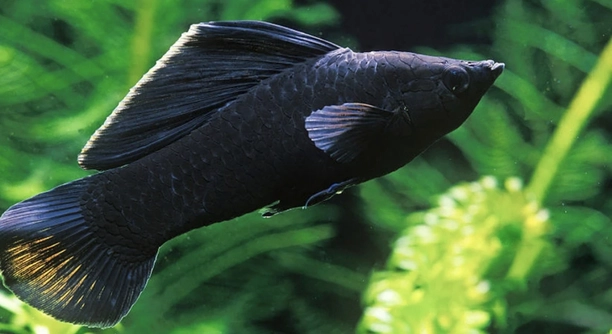
Have you ever noticed subtle shifts in your Black Molly Fry’s behavior that seem unusual or unexpected? Observing these small changes can help you understand your fish’s mood and overall well-being in its environment.
Black Molly Fry exhibit mood changes through variations in activity, coloration, and feeding patterns. Regular observation of swimming behavior, response to stimuli, and social interaction provides clear indicators of stress, contentment, or illness, which can guide proper care and habitat adjustments.
Tracking these behaviors consistently can help maintain a healthy environment and ensure your Black Molly Fry thrives in its tank.
Recognizing Early Signs of Stress
When I first started keeping Black Molly Fry, I noticed tiny changes that were easy to overlook. They sometimes swam near the bottom or hid more often than usual. Their colors also seemed duller, and they hesitated to eat even their favorite flakes. These shifts may seem minor, but they are significant indicators of stress or discomfort. Watching them closely each day makes it easier to spot patterns. Stress can be caused by overcrowding, poor water quality, or sudden changes in lighting and temperature. Regular tank maintenance, gentle water changes, and providing hiding spots can reduce tension. Observing interactions among fry is also important, as more aggressive tank mates can intimidate younger fish. Over time, keeping a log of behavior and noting changes helps identify what triggers stress. Responding quickly ensures they stay healthy and continue developing normally, avoiding complications that could affect growth or survival in the tank.
Early signs often include hiding, sluggish movement, or reduced appetite, which indicate a need for careful observation.
Consistent monitoring is crucial. Daily observation, even for a few minutes, provides insight into their comfort level. If you notice repeated signs of stress, adjusting tank conditions immediately is important. Temperature, pH, and water clarity all influence mood and health. Small additions, like plants or gentle filtration, can make a big difference. Social dynamics also play a role, so separate aggressive fry if needed. Even minor changes in feeding schedules or food type can affect behavior. By keeping notes, you can correlate behavior with specific changes in the tank, helping you anticipate potential issues. Over time, understanding their normal routines helps distinguish between temporary shifts and serious problems. Proactive care ensures Black Molly Fry remain active, colorful, and responsive, creating a thriving environment that supports both growth and overall well-being.
Behavioral Patterns to Watch
Fry behavior can vary widely, but certain patterns are telling signs of their mood and health.
Observing how fry interact with each other and their surroundings is key. Restlessness, sudden darting, or isolation can all indicate discomfort or stress. Noticing these patterns early helps prevent illness.
Swimming patterns, response to food, and activity levels are strong indicators. When fry are content, they swim confidently in open areas and respond quickly to feeding. Changes like lethargy, frequent hiding, or erratic swimming can signal stress, illness, or water issues. Social interactions also provide insight; fry that are consistently bullied or ignored may experience chronic stress. Lighting and tank setup affect behavior, as fry prefer certain hiding spots or shaded areas. Temperature fluctuations can lead to slower movement or reduced feeding, while clean water and a stable environment promote normal activity. Keeping track of these behaviors over time allows you to adjust care practices appropriately, maintaining a healthy and balanced environment for all Black Molly Fry.
Changes in Coloration
Fry that are stressed or unwell often show dull or faded colors. Bright, consistent coloring usually indicates good health and a stable mood.
Color changes can be subtle at first. A healthy Black Molly Fry typically displays vibrant tones and uniform patterns. When stress, poor water conditions, or illness affect them, these colors may fade or become blotchy. Rapid or sudden shifts in coloration are particularly concerning, signaling potential water quality issues or infection. Regularly observing their color helps detect problems early. Adjusting lighting, feeding quality food, and maintaining water parameters can restore natural hues. Tracking these changes over time shows patterns, helping differentiate temporary shifts from persistent issues.
Sometimes, color shifts are linked to social stress. Fry kept with aggressive tank mates may lose color due to intimidation. Environmental changes like temperature swings or strong currents can also affect pigmentation. Providing calm spaces, hiding spots, and stable conditions encourages healthy coloration and reduces stress. Recognizing these cues early allows for prompt adjustments that support both mood and overall development in Black Molly Fry.
Feeding and Appetite Indicators
Appetite changes often reflect the fry’s mood and overall health. Reduced feeding can signal stress, illness, or environmental discomfort.
Healthy fry are eager during feeding times, quickly approaching food and showing active foraging behavior. If fry consistently ignore food, it may indicate low water quality, illness, or stress from tank overcrowding. Feeding patterns also reveal comfort levels; irregular or slow eating can point to underlying issues. Offering small portions of high-quality food multiple times a day encourages normal appetite and allows for easier monitoring. Keeping a feeding log helps track changes and spot potential problems early.
Sudden drops in appetite may accompany other behavior shifts, like hiding, lethargy, or unusual swimming patterns. Gradual improvements in feeding often occur after water adjustments, adding plants, or separating aggressive fry. Observing their response to different food types can also reveal preferences and health cues. Consistent attention to feeding habits provides a reliable measure of mood and helps maintain growth and vitality, ensuring Black Molly Fry remain active and healthy.
Swimming Patterns
Fry that swim erratically or stay near the bottom may be stressed or unwell. Calm, steady swimming usually indicates a healthy mood.
Sudden bursts of speed, circling, or floating listlessly are also signs of discomfort. Observing how they navigate the tank helps identify environmental or health issues early.
Interaction with Tank Mates
Fry that hide constantly or are chased frequently may experience stress. Social behavior can reveal their comfort level.
Watching how they respond to other fish is important. Aggression or isolation can indicate mood changes or imbalance in the tank hierarchy. Consistent monitoring allows early intervention.
Response to Environmental Changes
Black Molly Fry quickly react to changes in lighting, temperature, or water conditions. Sudden shifts can make them hide, slow down, or refuse food. Keeping the tank stable ensures they remain active and comfortable.
Hiding and Shelter Use
Excessive hiding often signals stress or discomfort. Fry that use shelters occasionally are normal, but constant retreat suggests environmental or social issues.
How can I tell if my Black Molly Fry is stressed?
Stress in Black Molly Fry can show up in several ways. They may swim erratically, stay at the bottom of the tank, or hide for long periods. Appetite changes are another common sign; stressed fry often eat less or ignore food. Coloration may fade, and interactions with tank mates may decrease. Observing these behaviors consistently helps identify stress early, allowing you to adjust water quality, tank conditions, or social arrangements to reduce tension.
What causes mood changes in Black Molly Fry?
Several factors influence fry mood. Overcrowding, poor water quality, sudden temperature changes, and aggressive tank mates can all lead to stress. Even small adjustments, like changes in lighting or feeding routines, may affect behavior. Fry are sensitive to their environment, so maintaining stable conditions and regular tank maintenance is essential for their well-being. Social dynamics are also important; fry that are constantly chased or bullied may show prolonged signs of stress, impacting growth and overall health.
Why is my fry’s color fading?
Color changes are often linked to stress or environmental issues. Dull or blotchy coloration can result from poor water quality, illness, or intimidation by other fish. Fry that are comfortable and healthy display bright, consistent colors. Ensuring clean water, proper temperature, and adequate hiding spaces helps restore natural hues. Gradual improvements can take several days, so consistent care is key. Color is a good indicator of overall mood and health.
How often should I observe my fry?
Daily observation is recommended. Even a few minutes each day can provide valuable insights into behavior and well-being. Tracking swimming patterns, feeding habits, and social interactions helps detect small changes before they become serious problems. Maintaining a simple log allows you to correlate behavior with tank conditions, helping you respond quickly to issues. Consistency ensures that fry remain active, healthy, and less prone to stress-related problems.
What should I do if my fry hide constantly?
Excessive hiding often signals stress or discomfort. Check water quality, temperature, and social dynamics. Provide gentle filtration, calm spaces, and hiding spots for shy fry, but ensure that aggressive tank mates aren’t causing prolonged stress. Monitoring behavior over time helps determine if the hiding is temporary or indicates a deeper problem that needs correction.
How can feeding patterns indicate mood?
Fry with normal moods eagerly approach food and forage actively. Reduced or irregular feeding may indicate stress, illness, or poor water conditions. Offering small, frequent portions of high-quality food allows closer monitoring of appetite. Changes in feeding behavior often correlate with environmental changes or social stress, making it a reliable indicator of mood and health.
Can tank setup affect fry behavior?
Yes, tank layout, plants, lighting, and filtration influence mood. Fry feel more secure with adequate hiding spaces, gentle water flow, and consistent lighting. Abrupt changes or overcrowded conditions can lead to stress, aggression, or hiding. Maintaining a stable environment ensures normal activity, feeding, and social interactions, supporting overall development.
How do I know if a fry is ill or just moody?
Observe multiple factors: swimming patterns, appetite, coloration, and response to stimuli. Temporary mood changes often resolve quickly once conditions stabilize. Persistent lethargy, color loss, or abnormal swimming may indicate illness rather than a temporary mood shift. Regular observation and knowledge of their normal behavior help distinguish between stress, illness, and normal variation.
What role do social interactions play in fry mood?
Fry that are constantly chased or isolated may experience chronic stress. Positive interactions and peaceful tank dynamics promote normal behavior and reduce hiding or lethargy. Aggressive fry may need to be separated to ensure all individuals have access to food and space, preventing long-term mood and growth issues.
How can I maintain a healthy environment for Black Molly Fry?
Regular water changes, stable temperature, proper filtration, and appropriate tank size all contribute to mood stability. Monitoring pH, ammonia, and nitrite levels is essential. Providing hiding spaces and observing social dynamics prevents chronic stress. Consistent care allows fry to swim actively, maintain coloration, feed normally, and develop without interruptions from environmental or social stressors.
What small changes can improve fry mood quickly?
Adjusting lighting, adding plants or decorations, and offering hiding spots often reduce stress immediately. Separating aggressive fry or reducing overcrowding also helps. Even minor improvements in water quality, like partial water changes or gentle aeration, can restore normal behavior. Consistent, gentle adjustments support a stable and comfortable environment.
How long does it take for fry to return to normal mood?
Recovery time depends on the cause of stress. Minor adjustments, like correcting lighting or adding hiding spots, may show results in a day or two. More serious issues, like water quality problems or illness, may require several days or weeks of consistent care. Observing feeding, swimming, and color helps track progress.
Can I prevent mood swings in Black Molly Fry?
Maintaining stable water conditions, proper social balance, and consistent feeding reduces stress and prevents frequent mood swings. Avoid overcrowding and sudden environmental changes. Regular observation ensures early detection of potential problems, supporting a calm and healthy tank environment for all fry.
Are mood changes normal as fry grow?
Yes, some variability is expected as fry develop. Increased activity, curiosity, or temporary hiding is normal during growth stages. Persistent signs like color loss, reduced feeding, or lethargy indicate environmental or health issues that require attention. Tracking behavior over time helps distinguish normal development from stress.
How can I track fry behavior effectively?
Keep a simple daily log noting swimming patterns, feeding response, color, and social interactions. Photos or short videos can help identify subtle changes over time. Consistent tracking allows you to detect early warning signs, correlate behavior with environmental changes, and make informed adjustments to maintain a healthy, stable tank.
What should I prioritize if multiple fry show mood changes?
Start by checking water quality, temperature, and tank space. Address environmental issues before isolating individuals. Monitor feeding and social dynamics, providing hiding spots and adjusting aggressive interactions. Prioritizing stable conditions ensures that all fry experience less stress and improved overall well-being.
How important is patience when managing fry mood?
Very important. Fry respond slowly to changes, and rushing adjustments can worsen stress. Consistent observation, gentle intervention, and steady tank conditions allow gradual improvement. Patience ensures that fry regain normal behavior, coloration, and appetite, supporting long-term health and proper development.
Black Molly Fry are delicate creatures, and noticing small changes in their behavior can make a big difference in their health and growth. Paying attention to swimming patterns, appetite, coloration, and social interactions gives a clear picture of how they are feeling. Subtle signs, like hiding more than usual or moving less actively, are often early indicators of stress or discomfort. Consistent observation is important because these changes can happen gradually, and catching them early allows for prompt adjustments to the tank environment. Over time, learning what is normal for your fry helps you recognize when something is off, making care easier and more effective.
Maintaining stable water conditions is one of the most important factors in supporting your fry’s mood. Temperature, pH, and cleanliness all influence how they behave. Regular water changes and proper filtration reduce stress and encourage normal activity. Providing hiding spots and a few plants allows fry to feel safe and reduces conflicts with more aggressive tank mates. Feeding routines also affect mood. Offering small, frequent portions of high-quality food encourages active foraging and helps you monitor appetite closely. Fry that eat regularly and maintain bright coloration are usually healthy and comfortable in their environment. Small, consistent efforts in care create a stable tank that supports growth and reduces health problems.
Behavior, coloration, and appetite are all interconnected indicators of overall well-being. Fry that swim confidently, eat consistently, and interact normally with others are likely comfortable and healthy. When problems arise, taking note of multiple signs rather than one isolated behavior provides a more accurate assessment. Adjusting environmental conditions, separating aggressive individuals, and monitoring feeding can correct most issues if addressed quickly. Patience and attention to detail are key, as changes in mood may take time to stabilize. By observing carefully, maintaining a steady routine, and responding thoughtfully, you ensure that your Black Molly Fry thrive and develop in a safe, healthy, and supportive environment.

Hello,
If you enjoy the content that we create, please consider saying a "Thank You!" by leaving a tip.
Every little bit helps us continue crafting quality advice that supports the health, happiness, and well-being of pets around the world, for pets of all shapes, sizes, and species.
We really appreciate the kindness and support that you show us!