
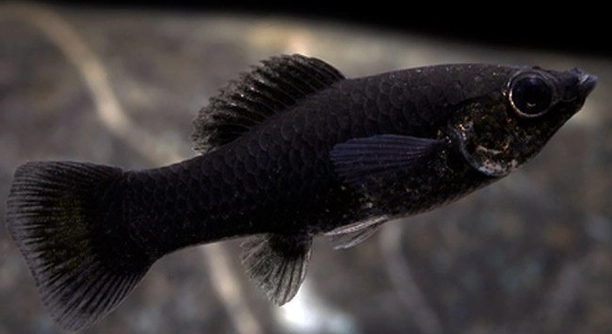
Fry are small, delicate fish that spend most of their time exploring their environment. Their interactions with their tank shape their growth, behavior, and overall well-being. Observing these interactions can reveal much about their needs and comfort.
Fry most frequently engage with seven key tank features: the surface for feeding, the substrate for foraging, hiding spots for security, plants for shelter, water flow zones for movement, temperature gradients for comfort, and filtration areas for water quality.
Knowing which features fry interact with most helps ensure a safe and supportive habitat, promoting healthy development and a thriving aquarium environment.
Surface for Feeding
Fry spend a lot of time near the water surface, especially during feeding times. The surface is where they find tiny food particles and develop their ability to catch food efficiently. Providing floating or slow-sinking food ensures that they can feed without struggling. Observing them at the surface also gives insight into their health. Active, alert fry that reach the surface quickly tend to be stronger and more resilient. A calm water surface without strong currents makes feeding easier. It is also helpful to feed smaller portions more frequently to prevent leftover food from fouling the water. Over time, fry learn to associate the top layer of the tank with nourishment, which encourages consistent feeding behavior. Lighting conditions can affect how well they see the food. Gentle lighting that mimics natural daylight often improves their feeding response. Ensuring they have easy access to the surface supports growth and reduces stress in the tank.
Surface feeding is crucial for early fry development and survival. They rely heavily on accessible food at the top.
Providing the right surface conditions, including calm water, proper lighting, and regular small feedings, helps fry grow steadily. Observing how they feed can also indicate whether tank conditions meet their needs or if adjustments are necessary. Proper surface feeding reduces stress, encourages healthy behavior, and helps fry establish strong swimming and hunting skills.
Substrate for Foraging
Fry often explore the substrate to find tiny food particles.
A suitable substrate encourages natural foraging behaviors and provides a safe area for fry to explore. Fine gravel or sand is gentle on their delicate bodies and reduces the risk of injury. Fry may also use the substrate to hide briefly if startled. Live plants in the substrate add both shelter and additional food sources. Uneaten food that settles on the substrate can attract fry, allowing them to practice foraging without struggling. Maintaining cleanliness is essential; leftover food and waste should be removed regularly to prevent harmful bacteria growth. Substrate composition affects water chemistry, which can influence fry health. A well-chosen substrate contributes to overall tank stability and enhances fry comfort. Observing how fry interact with the substrate can reveal their activity levels and adaptability. By supporting these natural behaviors, fry become more confident and better prepared for future growth stages.
Hiding Spots for Security
Hiding spots give fry a sense of safety and reduce stress. They use caves, rock crevices, and dense plants to escape sudden movements or aggressive tankmates. Providing multiple hiding areas ensures all fry have access to shelter when needed.
Fry instinctively seek refuge in secure locations. Dense plant clusters and small caves are ideal because they mimic natural environments and allow fry to feel protected while resting or exploring. These areas also reduce competition and prevent injury from more dominant fish. Fry that can retreat when threatened tend to grow more confidently and exhibit healthier behaviors overall. Regularly inspecting and maintaining hiding spots ensures they remain safe, clean, and accessible, preventing stress and supporting growth during these delicate early stages.
Overcrowding or poorly placed hiding spots can hinder movement and create territorial conflicts. Strategically placing shelters throughout the tank promotes equal access, allowing all fry to explore and feed safely. Soft, smooth materials prevent injury while still providing effective cover. Adjusting the placement as fry grow ensures ongoing security and comfort.
Plants for Shelter
Live and artificial plants offer shelter and foraging opportunities for fry. They provide shade, reduce stress, and help fry feel secure in open water.
Plants create microhabitats that fry can use to hide, explore, and feed. Fine-leaved species or densely packed plants are particularly useful because fry can move freely while remaining concealed from more aggressive tankmates. Plants also improve water quality by absorbing excess nutrients, which indirectly benefits fry health. Fry interacting with plants display natural behaviors, such as grazing on biofilm and practicing maneuvering in tight spaces. Maintaining healthy plants through regular trimming and care ensures consistent shelter and prevents decay that could harm water conditions. Fry use plants not just for hiding, but for resting, exploring, and establishing their presence in the tank ecosystem, supporting their growth and confidence.
Water Flow Zones
Fry often gather in areas with gentle water flow. Strong currents can tire them out and make feeding difficult. Proper circulation keeps water clean without stressing delicate fry.
Adjusting filters or using flow deflectors helps create calmer zones. Fry are more active and confident in these areas, allowing them to explore safely while maintaining energy for growth.
Temperature Gradients
Fry respond strongly to temperature differences in the tank. They move toward warmer areas to stay active and avoid colder zones that slow metabolism. Maintaining stable water temperatures ensures steady growth and reduces stress, supporting healthy development throughout their early stages.
Filtration Areas
Proper filtration keeps water clean and oxygenated, which fry need for survival. Gentle intake areas prevent fry from being sucked in while ensuring consistent water quality. Observing fry near filtration shows their comfort with current flow and tank health.
FAQ
How often should I feed fry?
Fry need frequent, small feedings to support their rapid growth. Depending on the species, offering food 3–5 times a day is ideal. Overfeeding can pollute the water, so monitor their consumption closely. Remove any uneaten food to maintain clean tank conditions and reduce stress.
What type of food is best for fry?
Specialized fry food or finely crushed flakes work well. Newly hatched brine shrimp are an excellent source of protein and easy for fry to digest. A mix of live and prepared food ensures proper nutrition and promotes healthy growth during the first few weeks.
How important are hiding spots?
Hiding spots are critical for fry. They reduce stress and provide shelter from sudden movements or more aggressive tankmates. Using plants, small caves, and smooth rocks ensures fry have places to retreat. Consistent access to secure areas improves survival rates and overall health.
Can fry survive without live plants?
Yes, but live plants offer multiple benefits. They provide shelter, improve water quality, and encourage natural behaviors like grazing on biofilm. If live plants are not possible, artificial plants or moss mats can be used to replicate shelter and security.
How do I maintain safe water flow?
Gentle water flow is essential for fry. Too strong a current can exhaust them and prevent feeding. Using sponge filters or deflectors creates calmer zones where fry can swim freely while benefiting from proper circulation and oxygenation.
What is the ideal temperature for fry tanks?
Most fry thrive in slightly warmer, stable temperatures. Sudden fluctuations can slow metabolism or increase susceptibility to disease. Using a reliable heater and thermometer ensures consistency. Observing fry behavior can indicate comfort with the current temperature.
How often should I clean the tank?
Regular partial water changes are necessary to maintain water quality. Removing debris and uneaten food reduces harmful bacteria growth. Avoid full cleanings that disrupt fry or beneficial bacteria. A clean, stable environment supports consistent growth and reduces stress.
How can I tell if fry are healthy?
Healthy fry are active, alert, and feed consistently. They should swim smoothly and explore their environment. Dull coloration, lethargy, or irregular swimming may indicate stress, illness, or poor water conditions. Monitoring their behavior daily helps identify problems early.
Do fry need special lighting?
Moderate lighting helps fry locate food and explore the tank. Too bright lighting can stress them, while too dim can hinder feeding. Using natural or soft artificial light for 8–10 hours a day supports normal behavior and growth patterns.
When can fry be moved to a larger tank?
Fry can be moved once they are strong swimmers and large enough to avoid being eaten by other fish. Gradual acclimation to the new tank conditions reduces stress. Ensure the new tank has sufficient hiding spots, gentle water flow, and proper feeding routines before transfer.
How important is monitoring water chemistry?
Water chemistry directly impacts fry survival. Regularly check pH, ammonia, nitrite, and nitrate levels. Maintaining stable, safe ranges prevents stress and disease. Small, gradual adjustments are safer than sudden changes, which can harm delicate fry during early development.
Can fry be kept with adult fish?
Generally, fry should be kept separate from adult fish. Adult fish may see them as food. A breeding tank or a partitioned area ensures safety. Gradual introduction to community tanks can occur once fry are large and strong enough to avoid predation.
What signs indicate fry are stressed?
Stress signs include hiding constantly, erratic swimming, gasping at the surface, or refusing food. Stress can result from poor water quality, aggressive tankmates, or inadequate shelter. Addressing these issues promptly promotes survival and healthy growth.
Is it necessary to provide live food?
Live food is not strictly necessary but highly beneficial. It encourages natural hunting behavior and provides essential nutrients. Combining live food with high-quality prepared food ensures balanced nutrition and supports optimal growth during the fry stage.
How do I prevent overpopulation in fry tanks?
Control the number of breeding adults and separate eggs or fry promptly. Overcrowding can lead to poor water quality, increased disease risk, and limited access to food and hiding spots. Proper tank management ensures fry have space to grow safely.
Can fry tolerate minor fluctuations in water temperature?
Minor fluctuations are manageable if gradual, but sudden changes can be harmful. Consistency is key. Observing fry behavior helps determine comfort levels. Adjust heaters and monitor water parameters to prevent stress and maintain a healthy environment.
Are certain tank decorations better for fry than others?
Smooth surfaces and dense plants are best. Avoid sharp or rough decorations that could injure fry. Decorations should offer shelter, allow swimming space, and support natural exploration without creating hidden hazards that are difficult to clean.
How do I know when fry are ready to eat adult food?
Fry transition gradually. Begin introducing finely crushed adult food once they are large enough to handle it without difficulty. Monitor feeding to ensure fry can consume the food safely. Continuing a mix of fry and adult food ensures balanced nutrition.
Should I use a sponge filter or regular filter for fry?
Sponge filters are ideal because they provide gentle water flow, oxygenation, and biological filtration without risking fry being sucked into the intake. Regular filters may require modifications or deflectors to create a safe environment for delicate fry.
How long does it take for fry to grow into juveniles?
Growth rates vary by species, but most fry reach juvenile stage within a few weeks to a couple of months. Proper feeding, stable water conditions, and access to shelter and temperature gradients promote steady development and healthy size progression.
Final Thoughts
Observing fry in the tank reveals how sensitive and active they are. Their interactions with tank features show what they need to grow safely and confidently. Each element, from hiding spots to gentle water flow, plays a role in their survival. Providing a structured environment allows fry to explore, feed, and rest with minimal stress. Even small changes in tank setup can affect behavior and health, so it is important to pay attention to how fry respond to their surroundings. When they feel secure, they spend more time exploring and less time hiding, which supports steady growth.
Temperature stability and water quality are also crucial. Fry are highly sensitive to sudden changes, and inconsistent conditions can slow growth or cause illness. Maintaining a balanced environment with proper filtration, clean water, and gentle currents ensures that fry stay healthy. Regular monitoring of water parameters, feeding schedules, and tank cleanliness helps prevent problems before they become serious. Even simple actions, like removing uneaten food or adjusting filter flow, can have a large impact on their overall development. Fry thrive in a tank where basic needs are consistently met, showing more activity, stronger swimming, and better feeding responses.
Attention to details like plants, substrate, and surface access creates a supportive space for fry to develop natural behaviors. Fry are not only looking for food but also shelter and comfort, and providing these elements encourages confidence and resilience. Observing how they interact with each feature allows for adjustments to improve their habitat. Over time, a well-planned tank becomes a safe environment where fry grow steadily and healthily. Ensuring all of these factors are in place results in stronger, more active fish that are prepared to move on to later stages with fewer issues. With careful observation and consistent care, fry can thrive, showing how much a balanced, thoughtfully arranged tank contributes to their overall well-being.

Hello,
If you enjoy the content that we create, please consider saying a "Thank You!" by leaving a tip.
Every little bit helps us continue crafting quality advice that supports the health, happiness, and well-being of pets around the world, for pets of all shapes, sizes, and species.
We really appreciate the kindness and support that you show us!