
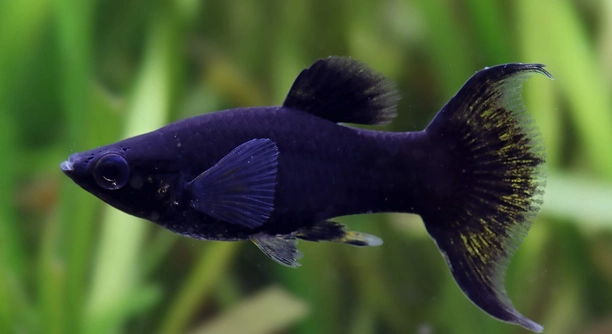
Caring for Black Mollies requires more than feeding and cleaning. Observing their behavior and environment helps determine if they feel secure. Subtle signs, like swimming patterns and interactions with tank mates, reveal their comfort levels naturally.
A Black Molly feels safe when it exhibits relaxed swimming, interacts calmly with other fish, maintains normal feeding behavior, and shows no signs of stress. Consistent water quality, adequate hiding spaces, and minimal disturbances contribute significantly to their sense of security.
Recognizing these signs ensures your fish thrive in a stable and healthy environment. Observing their behavior closely can prevent stress and promote well-being.
Signs Your Black Molly Feels Secure
A Black Molly that feels safe will display calm and predictable behavior. They swim steadily around the tank without sudden darting or hiding constantly. Their fins remain upright, and coloration is consistent and vibrant, showing no signs of stress or fading. Feeding times are smooth, with fish approaching food confidently rather than hesitating or skimming the surface nervously. Social interactions are balanced; the Molly may swim alongside tank mates or engage in gentle chasing without showing aggression or fear. Resting behavior is normal, with fish occasionally pausing near decorations or plants. The tank environment plays a key role in this comfort. Clean water, proper temperature, and sufficient space allow the Molly to explore freely. Adding hiding spots or plants gives them a sense of security. Observing these behaviors regularly can help identify subtle changes, indicating whether the fish’s environment continues to meet its needs effectively.
Monitoring behavior closely ensures long-term comfort and reduces stress-related health issues.
Consistency in care, water quality, and tank enrichment supports secure behavior and overall well-being. It also strengthens natural activity patterns.
Common Stress Indicators
Black Mollies showing stress may isolate themselves or swim erratically.
Stress can appear as rapid gill movement, clamped fins, or hiding excessively. Water quality is often a factor, with ammonia, nitrites, or temperature fluctuations creating tension. Overcrowding in the tank or aggressive tank mates can also lead to nervous behavior. Lack of hiding places makes the fish feel exposed, increasing stress levels. Nutritional deficiencies or irregular feeding schedules further contribute to discomfort. Signs may include loss of appetite, fading colors, or unusual lethargy. Prompt observation allows adjustments, such as cleaning the tank, separating aggressive fish, or adding decor for cover. Consistent care and attention to the environment are critical for preventing prolonged stress. Maintaining stable conditions supports immune health and encourages natural, confident behavior. By addressing these factors early, you can restore your Black Molly’s sense of safety and promote a thriving aquatic environment for all tank inhabitants.
Creating a Comfortable Tank Environment
Providing hiding spots and plants helps Black Mollies feel secure. Open swimming areas combined with cover reduce stress.
Temperature stability is important for comfort. Black Mollies thrive in 75–82°F water, with consistent pH and hardness levels. Uneven temperatures or sudden changes can trigger stress responses. Adding plants, rocks, and decorations allows fish to explore safely and retreat when needed. Proper lighting that mimics natural cycles encourages regular activity patterns. Avoid overcrowding by keeping compatible tank mates and maintaining sufficient space. Clean, filtered water supports overall health. Observing how your fish interact with the environment helps determine if adjustments are necessary to maintain comfort and security.
Regularly checking water parameters and observing behavior ensures your Black Mollies remain active and relaxed. Small tweaks in layout or water conditions can have a significant impact.
Feeding and Social Behavior
Black Mollies eating confidently indicates they feel safe and healthy.
Providing a varied diet supports overall well-being. High-quality flake, frozen, or live food ensures nutritional balance. Feeding small amounts multiple times a day prevents overfeeding and reduces waste accumulation, maintaining water quality. Observing their interactions during feeding shows social dynamics. Calm, confident feeding without chasing or hiding indicates comfort, while aggression or hesitation may signal stress. Grouping compatible fish minimizes conflicts, promoting a harmonious environment. Ensuring every fish has access to food prevents dominance-related stress and supports consistent growth. Monitoring their eating patterns over time allows timely intervention if behavioral or health issues appear.
Balanced social groups and structured feeding habits maintain harmony and reduce tension. Proper monitoring helps prevent stress-related health concerns and keeps the tank environment stable.
Observing Body Language
Relaxed fins and smooth swimming indicate a secure Black Molly.
Rapid movements, clamped fins, or constant hiding suggest discomfort or stress. Watching these behaviors closely helps identify problems early and maintain a safe environment.
Water Quality Maintenance
Stable water conditions are essential for Black Mollies’ comfort. Regular testing for ammonia, nitrites, nitrates, pH, and hardness ensures the tank remains safe. Weekly water changes prevent toxin buildup, while proper filtration supports clean, oxygenated water. Maintaining consistent temperature avoids sudden stress. Monitoring these factors prevents illness and promotes confident behavior. Proper water care also supports social interactions and feeding habits, creating a harmonious environment. Adjusting the environment quickly when problems arise keeps your Black Mollies healthy and comfortable, allowing them to explore, feed, and interact naturally without fear or stress.
Compatible Tank Mates
Choosing peaceful tank mates prevents aggression and stress.
Black Mollies thrive with calm, non-aggressive species that do not compete excessively for food or territory.
FAQ
How can I tell if my Black Molly is stressed?
Signs of stress include clamped fins, rapid breathing, hiding constantly, or erratic swimming. Loss of appetite and faded coloration are also common indicators. Stress often results from poor water quality, aggressive tank mates, or insufficient hiding spaces. Regular observation helps detect issues early.
What water conditions are best for Black Mollies?
They thrive in 75–82°F water with a pH of 7.0–8.5 and moderate hardness. Stable conditions are essential, as sudden changes in temperature, pH, or chemical levels can trigger stress and health problems. Regular testing and water changes maintain a safe environment.
How many hiding spots should I provide?
A mix of plants, rocks, and decorations is ideal. At least three to five well-placed spots give your Mollies safe areas to rest or retreat when needed. Hiding spots reduce stress and encourage natural behavior.
Do Black Mollies prefer groups or solitude?
Black Mollies are social and feel safer in small groups. Keeping three to six together allows natural swimming patterns and reduces stress. Avoid overcrowding, as too many fish can lead to competition for food and territory.
What should I feed my Black Molly?
A balanced diet includes high-quality flake, frozen, or live food. Feed small portions two to three times daily to prevent overeating and maintain water quality. Including vegetables occasionally, such as blanched spinach or zucchini, supports overall health.
How do I introduce new fish without stressing my Mollies?
Quarantine new fish for at least two weeks to prevent disease. Gradually introduce them to the tank using a divider or acclimation method. Monitor interactions closely to ensure peaceful integration.
Why is my Black Molly hiding more than usual?
Hiding often signals stress or illness. Check water parameters, tank mates, and feeding behavior. Sudden changes in the environment, aggressive fish, or poor water quality can cause frequent hiding.
Can lighting affect my Black Molly’s comfort?
Yes, consistent lighting that mimics natural day and night cycles encourages normal activity and reduces stress. Avoid sudden changes in brightness, as this can startle your fish. Moderate lighting also supports plant growth, which provides natural cover.
How do I prevent aggression in the tank?
Keep compatible tank mates, maintain adequate space, and provide hiding spots. Avoid overcrowding and monitor social behavior. If one fish becomes aggressive, consider separating it temporarily to restore harmony.
How often should I observe my Black Mollies?
Daily observation is recommended. Watch swimming patterns, feeding behavior, and interactions. Early detection of stress or illness allows prompt action, ensuring a safe and comfortable environment.
What role does water cleanliness play in safety?
Clean, filtered water prevents buildup of ammonia, nitrites, and nitrates, which can stress Mollies and cause health problems. Regular partial water changes and filter maintenance maintain water quality and stability.
Are there behavioral signs that show contentment?
Relaxed fins, calm swimming, confident feeding, and gentle interaction with tank mates all indicate a sense of safety. Mollies that explore plants or decorations without fear are generally comfortable in their environment.
How can I reduce stress during tank maintenance?
Perform water changes gradually, avoid sudden movements, and keep consistent temperature and lighting. Minimize loud noises and vibrations near the tank. Providing temporary cover or retreat areas helps Mollies feel secure while cleaning.
Do Black Mollies react to human presence?
Yes, calm and predictable human activity near the tank often allows Mollies to swim closer or respond without fear. Sudden movements or tapping on glass may startle them and increase stress.
How do I know if my Mollies are healthy overall?
Active swimming, normal feeding, vibrant coloration, and proper social interaction indicate good health. Regular water testing, consistent diet, and observing behavior help maintain long-term well-being.
Final Thoughts
Ensuring your Black Mollies feel safe requires attention to their environment, behavior, and interactions. Observing their daily activity is the first step in understanding their comfort levels. Fish that swim calmly, feed confidently, and explore their tank naturally are typically secure. Their fins remain upright, coloration is bright, and they respond gently to the presence of other fish. Providing a combination of open swimming areas and hiding spots helps Mollies feel protected without restricting movement. Plants, rocks, and decorations offer places to rest or retreat, reducing stress and supporting normal behavior. Maintaining stable water conditions, including temperature, pH, and hardness, is essential. Sudden changes or poor water quality can trigger stress responses, so regular testing and water changes are necessary. By monitoring these factors, you create a consistent environment that allows your Mollies to thrive and display natural behaviors.
Feeding habits and social interactions also provide insight into how secure your Black Mollies feel. Confident eating patterns, balanced growth, and minimal competition among tank mates indicate a harmonious environment. Stress often appears as hesitation during feeding, aggression, or hiding, so careful observation is key. Offering a varied diet of high-quality flakes, frozen, or live food, along with occasional vegetables, supports overall health and reduces nutritional stress. Socially, Black Mollies are most comfortable in small groups, usually between three and six individuals, allowing them to swim naturally and interact without dominance conflicts. Overcrowding or pairing them with aggressive species can cause tension, so maintaining compatible tank mates is important. A calm and predictable environment, paired with structured feeding, encourages healthy social behavior and reduces the likelihood of stress-related illness.
Consistency in care is critical to long-term comfort and safety for Black Mollies. Regular monitoring of water quality, tank setup, feeding routines, and fish behavior helps detect early signs of stress or discomfort. Even small adjustments, such as adding plants or changing feeding schedules slightly, can have a significant impact on their sense of security. Mollies are sensitive to environmental changes, so stability promotes confidence, health, and natural behavior. By providing a well-maintained tank, balanced diet, and safe social environment, you allow your Black Mollies to thrive. Observing their behavior closely and responding to their needs ensures they remain active, healthy, and comfortable. Attention to these details creates a space where your fish can explore, rest, and interact naturally, fostering long-term well-being and a secure environment.

Hello,
If you enjoy the content that we create, please consider saying a "Thank You!" by leaving a tip.
Every little bit helps us continue crafting quality advice that supports the health, happiness, and well-being of pets around the world, for pets of all shapes, sizes, and species.
We really appreciate the kindness and support that you show us!