
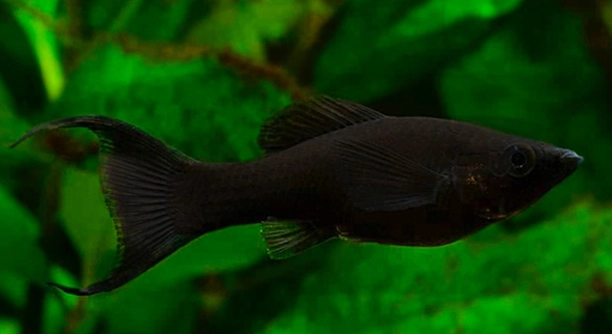
Do you ever notice your fry hovering in one spot, motionless for minutes at a time? It can be a bit surprising, especially when you expect them to swim around actively in their tank. Observing these still moments can be intriguing.
When fry hover without moving, it is often a sign of rest, stress, or environmental adjustment. Immature fish may pause to conserve energy or adapt to water conditions, while consistent stillness can indicate underlying health or water quality issues.
Understanding why fry behave this way helps you create a safer, healthier environment. Small adjustments in care can make a noticeable difference in their growth and comfort.
Common Reasons Fry Hover Without Moving
Fry often hover due to several simple reasons that affect their behavior and overall health. One primary cause is rest; young fish need frequent short rests to conserve energy as they grow. Another reason is stress, which can stem from sudden changes in water temperature, light intensity, or tank noise. Poor water quality also plays a role. Elevated ammonia, nitrite, or nitrate levels can cause fry to become sluggish and hover in place. Sometimes, fry hover to explore their surroundings cautiously while adjusting to new environments. It can also be a natural pause between feeding and swimming. Observing their behavior carefully helps determine whether the hovering is normal or a sign that something needs adjustment. By maintaining stable water conditions, appropriate feeding schedules, and gentle handling, you can reduce unnecessary stress and encourage healthy swimming patterns in your fry.
Careful observation helps distinguish normal pauses from potential health issues. Fry that hover briefly are usually fine.
Fry are delicate at early stages, and subtle environmental changes can significantly impact their activity. Water temperature that is slightly too high or low may cause them to slow down. Lighting should be moderate to prevent stress, as bright or flashing lights can frighten them. Overcrowding can also lead to hovering as fry compete for space or avoid stronger swimmers. Proper filtration and gentle water flow reduce stress and support movement. Feeding plays a role too; overfeeding may make fry lethargic, while underfeeding can leave them too weak to swim actively. Ensuring the tank has appropriate hiding spaces allows fry to feel secure, reducing the tendency to hover in one spot. Consistent monitoring of water quality, temperature, and behavior ensures fry develop normally and reduces the risk of illness. Minor adjustments often restore activity quickly and support long-term health.
Signs to Watch For
Brief hovering is normal, but prolonged immobility may indicate stress or water issues.
Fry that consistently remain in one spot or show unusual swimming patterns should be closely monitored. Check water parameters like temperature, pH, and ammonia levels immediately. Observe feeding behavior; if they refuse food or appear weak, it may signal illness. Watch for physical signs such as bloating, discoloration, or abnormal fin movement. Stress from overcrowding or aggressive tankmates can also result in constant hovering. Regular observation allows for early intervention, preventing health decline. Simple adjustments, such as partial water changes, adding gentle aeration, or reducing tank population, can often improve activity levels. Maintaining a stable environment helps fry regain normal behavior and ensures proper growth. Documenting daily behavior patterns makes it easier to spot changes and respond promptly.
Proper care involves balancing feeding, water quality, and tank conditions. Temperature stability and gradual environmental adjustments are essential. Overcrowding and poor filtration increase stress, while hiding spaces allow fry to feel secure. Maintaining consistent lighting and gentle water flow encourages active swimming. Early detection of health issues through observation is critical. Even minor signs, such as unusual hovering or lack of appetite, can indicate water quality or dietary problems. Addressing these promptly prevents further complications. Regular maintenance, including partial water changes and monitoring chemical levels, supports long-term fry development. Adequate nutrition, tank size, and environmental enrichment reduce stress and promote normal behavior. Understanding these factors helps ensure fry grow strong and healthy.
Adjusting Water Conditions
Water quality directly affects fry activity. Poor parameters make them hover and appear weak. Regular monitoring of temperature, pH, and chemical levels is essential to maintain a healthy environment that supports normal swimming and growth.
Keeping water stable requires routine checks and small, consistent adjustments. Rapid changes in temperature or pH can stress fry, leading to prolonged hovering. Use a reliable thermometer and test kits to measure ammonia, nitrite, and nitrate levels. Partial water changes help remove toxins without shocking the fry. Avoid overcleaning, as it may remove beneficial bacteria needed for a balanced ecosystem. Gentle filtration maintains oxygen levels and prevents strong currents that could tire the fry.
Introducing plants or hiding spots can reduce stress and encourage movement. Fry feel safer with secure areas to explore. Live plants also help maintain water quality by absorbing excess nutrients and providing oxygen. Avoid overcrowding the tank, as limited space can increase competition for resources. Ensure feeding is consistent but not excessive, as leftover food can harm water conditions. Observing fry daily allows timely adjustments and helps identify problems early. Gradual environmental improvements support healthy swimming habits, reducing hovering behaviors.
Feeding and Nutrition
Proper feeding influences fry behavior and energy levels. Inadequate or excessive food can lead to lethargy, causing them to hover more than usual.
Feed fry small portions multiple times a day to match their growth needs. Overfeeding can pollute water, leading to stress and reduced activity. Choose high-quality fry food rich in protein and essential nutrients to promote healthy development. Observe how quickly they consume food; leftover pieces may indicate adjustments are needed. Rotating food types, such as powdered flakes, micro worms, or infusoria, ensures a balanced diet. Avoid sudden changes in diet, as fry may reject unfamiliar food and reduce swimming activity.
Balanced nutrition supports immune function and overall vitality. Properly fed fry are more active, exploring the tank and interacting with their environment. Lack of essential nutrients weakens them, increasing the tendency to remain stationary. Consistent feeding schedules establish routine energy intake, preventing sudden drops in activity. Small, frequent meals are easier to digest, promoting growth and reducing stress. Monitoring food consumption provides insight into health and helps adjust feeding amounts. Nutritional care directly affects behavior, swimming patterns, and long-term survival, making it critical for maintaining healthy, active fry.
Tank Setup and Space
Overcrowded tanks can cause fry to hover due to limited swimming space and competition for resources. Ensuring enough room allows them to move freely and reduces stress-related immobility.
Proper layout with hiding spots helps fry feel secure. Plants, rocks, and small decorations provide shelter, encouraging activity and reducing hovering caused by fear or uncertainty.
Lighting and Temperature
Lighting and temperature strongly influence fry behavior. Bright or fluctuating light can stress fry, causing them to hover. Maintaining moderate, consistent light levels prevents sudden shocks to their system. Temperature should remain stable, suited to the species, to support proper metabolism and swimming activity.
Observing Behavior Patterns
Tracking daily fry activity helps identify abnormal hovering. Note swimming patterns, feeding response, and interaction with other fry.
Signs of Illness
Fry that hover excessively, fail to eat, or display discoloration may be ill. Immediate attention to water quality and health checks is crucial.
FAQ
Why do fry hover in one spot for so long?
Fry often hover to rest or conserve energy, especially when they are very young. Their small size and developing muscles mean constant swimming is tiring. Hovering also helps them adjust to their environment while observing for potential threats or changes in water conditions.
Is it normal for fry to stay still sometimes?
Yes, brief periods of stillness are typical. Fry may pause after feeding, during water adjustments, or when exploring new areas cautiously. These short pauses help them regain energy and maintain balance before resuming active swimming.
Can hovering indicate stress?
Prolonged hovering can be a stress signal. Factors such as overcrowding, aggressive tankmates, sudden temperature shifts, or poor water quality may cause fry to stay stationary. Monitoring the tank environment and behavior closely helps identify whether stress is the cause.
How can I reduce hovering due to water issues?
Regular testing of temperature, pH, ammonia, nitrite, and nitrate levels is essential. Partial water changes maintain a stable environment. Gentle filtration and avoiding sudden changes in conditions help fry remain active and reduce excessive hovering.
Does diet affect hovering behavior?
Yes, nutrition directly impacts energy levels. Underfed fry may hover due to weakness, while overfeeding can foul water, leading to stress and inactivity. Feeding small, frequent meals with balanced fry food ensures proper growth and encourages movement.
Do hiding spots influence hovering?
Providing plants, rocks, or small decorations gives fry secure areas. Fry often hover near shelters when they feel threatened or uncertain. Having safe spots encourages exploration while reducing stress-related stillness.
How does lighting affect fry activity?
Excessive brightness or fluctuating light can stress fry, causing them to hover. Maintaining moderate, consistent lighting allows fry to adjust naturally and promotes healthy swimming behavior. Gradual light changes are preferable to sudden shifts.
When should I worry about hovering?
Concern arises if fry hover constantly, refuse food, show abnormal swimming, or display discoloration. These signs may indicate illness or poor water conditions. Early intervention with water checks and health monitoring can prevent more serious problems.
Can overcrowding cause hovering?
Yes, overcrowded tanks limit swimming space and increase competition. Fry may hover to avoid stronger tankmates or stressful interactions. Ensuring appropriate tank size and controlled population promotes activity and reduces stress-related immobility.
Are there species differences in hovering?
Some species naturally hover more than others, particularly those that are slow swimmers or prefer calm waters. Understanding the typical behavior of your fry species helps distinguish between normal resting behavior and potential issues.
How often should I monitor fry behavior?
Daily observation is recommended. Consistent monitoring helps detect changes in swimming, feeding, and interaction patterns. Tracking these behaviors allows early detection of stress, illness, or environmental problems, ensuring fry remain healthy and active.
Can water temperature changes cause hovering?
Yes, sudden shifts in temperature affect metabolism and energy levels. Fry may hover to conserve energy when water is too cold or stressed when it is too warm. Stable temperatures suited to the species reduce this behavior and support normal activity.
Is it okay for fry to hover after feeding?
Brief hovering post-feeding is normal. Fry often pause to digest or regain energy before resuming swimming. Only prolonged stillness or lack of interest in food should raise concern.
How can I encourage more movement?
Maintaining proper water quality, feeding balanced meals, providing adequate space, and including gentle water flow encourages active swimming. Gradual environmental adjustments and stress reduction create conditions where fry feel safe to move.
Can illness mimic normal hovering?
Yes, illnesses such as infections or parasites may cause fry to remain stationary. Signs include discoloration, bloating, frayed fins, or lack of appetite. Prompt attention to water quality and health checks helps prevent serious complications.
Do fry hover more in new tanks?
Fry often hover when introduced to a new tank due to unfamiliar surroundings. They pause to acclimate and assess safety. Gradual acclimation with stable water parameters reduces stress and encourages normal activity.
Does current strength affect hovering?
Strong currents can tire fry, causing them to hover in calmer areas. Gentle filtration and moderate flow allow fry to swim without exhausting themselves, promoting healthier activity patterns.
Are there seasonal or environmental effects?
Temperature fluctuations, light exposure, or changes in room conditions can influence fry activity. Consistent tank maintenance minimizes environmental stress and supports stable swimming behavior throughout the year.
What is the difference between resting and abnormal hovering?
Resting is brief, with fry resuming normal swimming and feeding. Abnormal hovering involves prolonged stillness, lack of appetite, unusual coloration, or signs of stress. Careful observation helps distinguish between natural pauses and potential problems.
How long is too long for fry to hover?
Hovering that lasts several hours or is consistent day after day may indicate an issue. Short pauses are normal, but prolonged inactivity should prompt water quality checks and health assessments to ensure fry wellbeing.
Can tankmates influence hovering?
Yes, aggressive or larger fish can intimidate fry, causing them to hover near hiding spots. Separating fry from more dominant tankmates encourages exploration and reduces stress-induced immobility.
Does water chemistry beyond pH matter?
Ammonia, nitrite, and nitrate levels directly affect fry activity. Even minor imbalances can lead to lethargy and hovering. Regular testing and partial water changes keep conditions stable and support active swimming.
Can lighting cycles help regulate activity?
Consistent day-night cycles encourage natural behavior patterns. Gradual changes in light reduce stress and prevent hovering caused by sudden brightness or prolonged darkness. Proper lighting aligns with natural rhythms, promoting healthier fry movement.
How can I track improvement?
Maintain a daily log of fry behavior, feeding, and swimming activity. Note any changes after adjustments to water quality, diet, or tank setup. Tracking patterns helps identify what works and ensures consistent care for healthy, active fry.
Are there long-term effects of prolonged hovering?
Extended periods of inactivity can affect growth, muscle development, and overall health. Maintaining stable conditions, proper feeding, and stress-free environments reduces long-term risks and supports healthy development throughout early stages.
Can tank size alone affect hovering?
Yes, limited space restricts swimming options, leading fry to hover. Providing an appropriately sized tank with enough room for movement reduces stress and encourages normal swimming behavior.
What small daily habits help reduce hovering?
Feeding appropriately, checking water parameters, observing behavior, and ensuring stable lighting and temperature help fry remain active. Simple, consistent care has a significant impact on reducing stress-related hovering and supporting normal growth.
Does water hardness play a role?
Yes, extreme hardness or sudden changes can affect fry comfort and behavior. Keeping hardness within species-specific ranges supports normal activity and reduces hovering caused by discomfort.
Can hovering indicate genetic or developmental issues?
Occasionally, fry with developmental delays or genetic factors may be less active. Observing growth patterns and activity helps determine whether hovering is environmental or biological. Prompt care ensures healthier outcomes regardless of minor genetic variations.
Are there specific signs that require immediate action?
Yes, lack of appetite, abnormal swimming, discoloration, bloating, or prolonged stillness demands immediate attention. Testing water quality, separating sick fry, and consulting species-specific care guidelines prevent worsening health issues.
How important is gradual change in tank conditions?
Sudden changes can stress fry, causing hovering. Gradual adjustments in temperature, water chemistry, lighting, or tank layout allow fry to adapt safely, promoting normal swimming and reducing stress behaviors.
Can temperature swings overnight affect activity?
Yes, rapid drops or rises during night cycles can make fry hover for long periods. Using a reliable heater or temperature control system helps maintain stability and prevents stress-induced immobility.
Does adding live food impact activity?
Live food can stimulate swimming and reduce hovering. Fry often follow moving prey, encouraging exercise and natural hunting instincts. It also provides balanced nutrition essential for growth and overall health.
Are there signs that hovering is harmless?
Short pauses after feeding, mild resting periods, or occasional hovering near plants are typically harmless. Fry resume normal swimming quickly and show consistent appetite and coloration.
How does oxygen level affect hovering?
Low oxygen levels make fry lethargic. Ensuring proper aeration and gentle water flow maintains oxygenation, reducing stress and encouraging active swimming instead of prolonged hovering.
Can water additives help reduce hovering?
Certain beneficial bacteria supplements or stress-reducing conditioners can improve water quality and comfort. However, they are not substitutes for proper maintenance and should complement consistent care practices.
Is monitoring behavior the best preventive measure?
Yes, daily observation allows early detection of problems. Catching changes in hovering, swimming, or feeding early enables quick intervention and supports fry health and normal development.
How long does it take for fry to adjust to a new tank?
Adjustment varies by species and age but usually takes a few hours to a couple of days. Stable water conditions and secure hiding spots accelerate adaptation and reduce stress-induced hovering.
Can hovering indicate impending molting or growth stages?
For some species, temporary stillness occurs during rapid growth or developmental phases. These pauses are normal if accompanied by healthy appetite and activity resumption afterward.
Do decorations or substrate influence hovering?
Yes, fry often hover near plants, rocks, or soft substrate for security. Proper tank setup with suitable hiding areas supports confidence and encourages natural movement, reducing stress-related stillness.
What role does tank temperature consistency play in long-term health?
Consistent temperature supports metabolism, immune function, and normal activity. Fluctuations can cause frequent hovering, stress, or illness. Maintaining stable conditions ensures proper growth and reduces prolonged inactivity over time.
Can water flow adjustments change hovering behavior?
Yes, reducing strong currents and ensuring gentle circulation encourages active swimming. Fry are less likely to hover in calmer areas where movement is easier and energy is conserved.
How important is timing in feeding schedules?
Regular, predictable feeding supports energy balance. Irregular feeding can make fry weak or stressed, leading to hovering. Consistent schedules maintain vitality and encourage healthy swimming patterns.
Do fry show different hovering behaviors depending on age?
Yes, very young fry hover more frequently to conserve energy. As they grow, swimming becomes stronger and more continuous. Observing age-specific patterns helps distinguish normal behavior from stress or illness.
Are there environmental enrichment strategies that reduce hovering?
Providing plants, hiding spots, and mild water flow encourages exploration and active swimming. Enrichment reduces stress and prevents long periods of stationary behavior, supporting healthy growth and development.
Can hovering affect social behavior among fry?
Yes, excessive hovering may limit interactions, competition, or schooling behavior. Active, confident fry are better at social learning and establishing normal hierarchy in a tank. Proper care supports balanced behavior.
Does water clarity influence hovering?
Cloudy or murky water can stress fry and cause them to hover. Maintaining filtration and clean water ensures visibility and comfort, promoting active movement and exploration.
Is monitoring both diet and environment necessary?
Yes, nutrition and environmental stability together determine energy levels and activity. Balanced feeding and consistent water conditions prevent stress, support healthy swimming, and reduce hovering behavior.
Can hovering indicate a need for medical attention?
Persistent, unexplained hovering accompanied by other signs like discoloration or lethargy warrants professional assessment. Early action improves recovery and prevents long-term health issues.
Do species-specific care guides help reduce hovering?
Following species-specific temperature, diet, and tank recommendations minimizes stress and encourages natural swimming. Knowledge of particular needs helps prevent excessive hovering and supports healthy development.
Is it normal for fry to hover during water parameter testing?
Temporary stillness during testing or tank maintenance can occur. Fry pause to adjust or sense disturbances. Activity usually resumes once conditions stabilize.
Can subtle tank vibrations affect hovering?
Yes, frequent disturbances from pumps, tapping, or movement near the tank can stress fry. Minimizing vibrations encourages confidence and reduces stress-related hovering.
Does temperature uniformity throughout the tank matter?
Yes, uneven temperatures can create areas where fry hover to find comfort. Using heaters or circulation ensures consistent warmth, promoting active swimming and growth.
Are there signs that hovering is linked to molting or shedding?
In some species, fry pause before or after molting. Short-term hovering in these cases is natural and not cause for concern if feeding and swimming resume normally.
How do seasonal room temperature changes impact behavior?
Fluctuations in room temperature can alter tank conditions, causing fry to hover. Maintaining heaters or insulation minimizes stress and supports consistent activity patterns.
Do tankmates influence feeding and movement?
Yes, aggressive or dominant tankmates can intimidate fry, increasing hovering. Separating fry or providing secure areas ensures they feed and swim confidently without stress.
Can hovering be an early indicator of poor water circulation?
Yes, inadequate water flow reduces oxygen distribution, making fry less active. Adjusting circulation improves comfort and encourages movement, reducing prolonged hovering.
Is daily observation sufficient to catch early signs of stress?
Yes, noting activity, feeding, and behavior daily allows detection of subtle changes. Prompt intervention supports healthy fry development and prevents long-term problems.
How long should a fry pause be considered normal?
Short rests of a few minutes to an hour are normal. Prolonged inactivity beyond this, especially when accompanied by other signs, should be investigated for environmental or health issues.
Does tank location affect hovering?
Tanks near heavy traffic, loud noises, or direct sunlight can stress fry. Choosing a quiet, stable location encourages activity and reduces stationary behavior.
Can water additives or conditioners replace proper care?
No, they supplement maintenance but cannot replace stable water, proper feeding, and suitable tank conditions. Consistent care remains essential for reducing hovering and supporting healthy growth.
Do fry ever hover simply due to curiosity?
Yes, brief pauses can reflect exploration and assessment of surroundings. Fry may hover while observing new objects, plants, or tankmates before resuming movement.
Is it normal for fry to hover at the surface or bottom?
Yes, depending on species and environment. Occasional hovering near the surface or substrate can be natural, especially when resting or exploring.
Can lighting color influence hovering?
Bright or harsh lighting may stress fry. Using soft, natural tones reduces stress and encourages normal swimming behavior instead of prolonged stillness.
How does water chemistry stability impact long-term activity?
Stable pH, hardness, and nutrient balance prevent stress-induced hovering. Maintaining consistent chemistry supports growth, energy levels, and active swimming throughout development.
Are there preventive strategies for excessive hovering?
Yes, stable water, balanced feeding, gentle flow, adequate space, hiding spots, and consistent observation all contribute to reduced hovering and healthy fry behavior.
How can I tell if a change in behavior is temporary?
Short-term pauses after feeding, minor water adjustments, or slight stress are temporary. Long-term changes or combined signs indicate underlying issues requiring attention.
Does tank cleanliness influence hovering?
Yes, dirty tanks increase stress and reduce swimming activity. Regular maintenance, partial water changes, and removal of waste keep fry active and comfortable.
Are hovering patterns unique to each fry?
Yes, some fry naturally rest more, while others are active. Observing individual patterns helps distinguish normal behavior from environmental or health concerns.
How important is gentle handling during maintenance?
Handling or sudden disturbances can stress fry, causing hovering. Gentle, careful maintenance preserves normal behavior and encourages active swimming.
Can hovering behavior change as fry grow?
Yes, activity generally increases with growth. Hovering becomes less frequent as muscles strengthen and fry become more confident swimmers.
Does water oxygenation level affect hovering frequency?
Low oxygen makes fry lethargic and prone to hover. Adequate aeration and circulation maintain energy and promote active swimming patterns.
How can I differentiate between resting and unhealthy hovering?
Resting is brief and followed by normal feeding and swimming. Unhealthy hovering involves prolonged inactivity, poor appetite, or physical changes, signaling a need for intervention.
Are there tools to monitor fry activity automatically?
Some tanks use cameras or sensors, but manual observation remains the most reliable. Logging daily behavior allows early detection of stress or health problems.
Does tank size influence social development?
Smaller tanks can restrict movement and social interaction, leading to more hovering. Providing adequate space allows fry to swim freely and engage normally with tankmates.
Can temperature extremes during transport affect hovering?
Yes, sudden temperature changes during transport may make fry hover or become stressed. Gradual acclimation to new tanks helps restore normal activity.
Is hovering more common in newly hatched fry?
Yes, very young fry hover frequently to conserve energy and adjust to surroundings. This decreases as they grow stronger and more confident in swimming.
How does feeding frequency relate to hovering?
Infrequent feeding can leave fry weak, increasing hovering. Frequent, small meals maintain energy levels and encourage active swimming.
Are there behavioral signs that indicate improved health?
Resumed active swimming, consistent feeding, and exploration of the tank indicate improved energy and reduced stress-related hovering.
Can over- or under-filtering affect hovering?
Yes, strong currents tire fry, while weak filtration can reduce oxygen. Balanced filtration promotes movement and reduces stress-induced stillness.
Does water temperature uniformity matter across tank depth?
Yes, uneven temperatures can create comfort zones where fry hover. Consistent warmth throughout encourages even swimming and activity.
Are certain species more sensitive to environmental changes?
Yes, some fry react quickly to minor water, temperature, or light changes. Understanding species-specific tolerance helps prevent stress-related hovering.
Can occasional hovering indicate natural caution?
Yes, fry may pause to assess surroundings or avoid perceived threats. Brief, cautious hovering is normal and part of learning their environment.
Do tank decorations affect fry swimming patterns?
Yes, hiding spots and plants provide security. Fry often hover nearby when exploring, but this reduces stress and encourages eventual movement.
Are there signs that tank water is too hard or soft?
Extreme hardness or softness can make fry uncomfortable, causing hovering. Maintaining species-specific water hardness supports normal activity and health.
How do I know if hovering is linked to diet changes?
If hovering increases after a new food introduction, it may indicate reluctance or digestive stress. Gradual diet changes prevent inactivity and support growth.
Can hovering be reduced with environmental enrichment?
Yes, introducing gentle currents, plants, and hiding spots encourages exploration and swimming, reducing long periods of stationary behavior.
Do fry hover differently depending on age or development stage?
Yes, younger fry hover more for energy conservation, while older fry swim actively. Observing age-specific patterns helps identify normal versus problematic behavior.
Is constant hovering always a health issue?
Not always, but prolonged stillness paired with poor appetite, discoloration, or abnormal movement usually signals stress, illness, or environmental problems requiring attention.
How quickly should I respond to unusual hovering?
Immediate attention is recommended when prolonged hovering occurs. Checking water quality,
Final Thoughts
Observing fry hover without moving can initially seem concerning, but it is often a normal part of their behavior. Fry are delicate and still developing, so short pauses to rest, digest food, or adjust to their environment are common. These moments allow them to conserve energy while their small muscles grow stronger. Occasional hovering after feeding or when exploring new areas is usually harmless. Understanding that some stillness is natural helps reduce unnecessary worry and allows for more focused observation of behaviors that may truly signal a problem. Maintaining a calm approach and monitoring changes carefully ensures that fry remain safe and supported in their tank environment.
Prolonged or consistent hovering, however, can indicate underlying issues that need attention. Water quality is a major factor; parameters such as temperature, pH, ammonia, nitrite, and nitrate levels directly influence fry activity. Sudden fluctuations or poor water conditions can cause stress and lead to excessive stillness. Overcrowding, insufficient hiding spots, or aggressive tankmates can also make fry hover to avoid conflict or conserve energy. Nutrition plays an equally important role. Fry require small, frequent feedings with a balanced diet to maintain energy and support growth. Both overfeeding and underfeeding can result in lethargy or hovering behavior. By keeping water conditions stable, providing adequate space, and following a proper feeding routine, many causes of excessive hovering can be addressed effectively without the need for drastic interventions.
Creating a supportive tank environment is essential for encouraging active swimming and reducing stress. Hiding places such as plants, rocks, or soft decorations give fry security while allowing them to explore gradually. Gentle water flow, consistent lighting, and stable temperature help maintain comfort and energy levels. Observing fry daily for signs of illness, unusual swimming, or changes in appetite enables early detection of problems before they become severe. While occasional hovering is part of normal development, combining careful monitoring with proactive care ensures fry remain healthy and active. Maintaining consistent routines, paying attention to their behavior, and making small environmental adjustments can prevent many issues. Overall, understanding the reasons behind hovering behavior allows for better management of tank conditions and fosters the healthy growth and development of fry over time.

Hello,
If you enjoy the content that we create, please consider saying a "Thank You!" by leaving a tip.
Every little bit helps us continue crafting quality advice that supports the health, happiness, and well-being of pets around the world, for pets of all shapes, sizes, and species.
We really appreciate the kindness and support that you show us!