
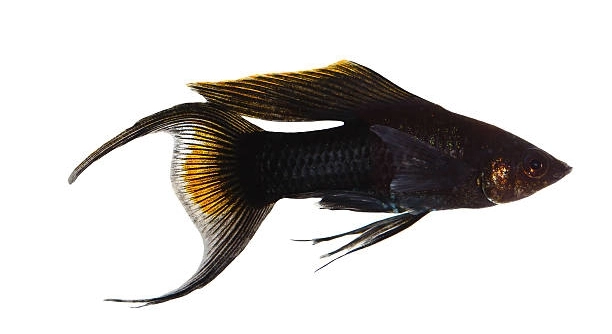
Are your Black Molly fish acting differently in their tank lately? Observing subtle changes early can prevent serious health problems. Knowing what to look for helps ensure your fish stay active, healthy, and thriving in their aquatic home.
Black Mollies often display early warning signs of stress or illness, including reduced appetite, abnormal swimming patterns, sudden color changes, fin damage, rapid gill movement, unusual hiding behavior, and excessive aggression. Prompt identification allows timely intervention and improves survival rates.
Recognizing these warning signs can protect your fish from serious complications. Understanding their behavior and environment is key to maintaining a healthy, balanced tank.
Reduced Appetite
When your Black Molly suddenly shows less interest in food, it can be a subtle yet significant warning sign. Reduced appetite often indicates stress, poor water quality, illness, or internal parasites. Observing feeding times closely can reveal patterns, such as eating less consistently or refusing certain foods. Changes in appetite can develop slowly, making it easy to miss early on. It’s important to note any shifts in energy levels or swimming behavior alongside eating habits, as they often correlate. Adjusting feeding schedules, checking water parameters, and offering high-quality food can help assess whether the problem is temporary or health-related. Keeping a log of daily feedings and fish reactions provides insight into their overall well-being. Environmental factors like overcrowding, temperature fluctuations, or new tank mates can also influence appetite. Early recognition allows timely action, preventing more serious health issues. Regular observation and intervention are key to keeping Black Mollies thriving.
Reduced appetite in Black Mollies often signals stress or illness. Quick attention to water quality, feeding, and behavior can prevent worsening health problems.
Monitoring feeding habits closely ensures you catch early signs of trouble. Combining this with proper tank care can maintain healthy, active fish.
Abnormal Swimming Patterns
Abnormal swimming includes erratic movements, frequent darting, floating near the surface, or rubbing against objects. These behaviors usually indicate stress, poor water quality, parasites, or infections. Consistent observation can help determine whether the issue is short-term or chronic. Monitoring the tank for environmental changes, such as temperature swings, ammonia spikes, or low oxygen, is crucial. Often, Black Mollies will swim unusually if they feel overcrowded or threatened. Introducing new tank mates can also trigger stress, which affects their swimming patterns. It is helpful to isolate affected fish if the behavior persists to prevent potential disease spread. Correcting water parameters, maintaining proper tank cleanliness, and ensuring sufficient space and hiding spots can reduce abnormal movements. Nutritional adjustments, such as supplementing vitamins or offering live foods, sometimes improve energy and swimming behavior. Persistent abnormal swimming should be addressed promptly, as it can precede severe health complications. Preventive care and attentive observation are essential for their well-being.
Abnormal swimming often signals environmental or health stress. Identifying triggers early helps maintain a stable, healthy tank for all Mollies.
Careful monitoring and swift corrective measures reduce risk of disease. Proper tank maintenance and nutrition support recovery and overall vitality.
Sudden Color Changes
Sudden fading or darkening of a Black Molly’s color often signals stress, poor water quality, or illness. Rapid color changes should never be ignored, as they can precede more serious health problems. Consistent observation helps identify patterns and potential triggers.
Color changes can result from shifts in water parameters like pH, temperature, or ammonia levels. Stress from new tank mates or overcrowding also impacts pigmentation. Illnesses such as fungal or bacterial infections can cause darkening or blotches, while nutritional deficiencies may lead to dull colors. Maintaining stable conditions and a balanced diet helps prevent these issues.
Immediate action is essential when color changes appear. Adjusting water conditions, isolating affected fish, and providing high-quality nutrition can restore pigmentation. Regular monitoring reduces stress-related changes, and early intervention ensures long-term health and a vibrant, active Black Molly population.
Fin Damage
Fin damage in Black Mollies often results from aggression, rough decorations, or infections. Torn or frayed fins require prompt attention to prevent infection and worsening injury. Observation of interactions with other fish is critical to identify causes.
Mechanical damage, such as sharp rocks or artificial plants, can easily tear fins. Aggressive tank mates may nip fins, causing stress and secondary infections. Bacterial or fungal infections also manifest as fin erosion or discoloration. Keeping the tank clean, providing hiding spots, and separating aggressive fish reduces damage. Applying antibacterial treatments when necessary prevents further complications.
Proper care involves repairing environmental issues, treating infections, and monitoring healing. Regular tank maintenance, balanced nutrition, and careful selection of tank mates are key. Preventive measures, combined with attentive observation, help maintain intact fins and promote overall health.
Rapid Gill Movement
Rapid gill movement in Black Mollies often indicates low oxygen levels or poor water quality. Observing gill activity regularly helps detect early stress and allows for quick corrective action.
It can also signal illness or parasites affecting the respiratory system. Ensuring proper aeration, filtration, and regular water changes supports healthy gill function and overall well-being.
Unusual Hiding Behavior
Excessive hiding, especially during normal active periods, often points to stress, illness, or aggression from tank mates. Monitoring hiding spots helps identify triggers. Frequent isolation can reduce feeding and overall health. Providing sufficient space and gentle tank companions minimizes stress and encourages regular activity.
Excessive Aggression
Black Mollies may display aggressive behavior when overcrowded, stressed, or competing for food. Observing interactions is crucial to prevent injuries and stress in the tank.
Lethargy
Lethargy in Black Mollies often reflects poor water conditions, illness, or nutritional deficiencies. Regular observation and prompt care are necessary to restore normal activity levels.
What should I do if my Black Molly stops eating?
A sudden loss of appetite in Black Mollies is often a sign of stress or illness. First, check water parameters including temperature, pH, ammonia, nitrite, and nitrate levels. Poor water quality is the most common reason for reduced feeding. Ensure the tank is clean and that filters are functioning properly. Observe whether the fish is avoiding food completely or just eating less. Offering high-quality foods like frozen or live options may encourage eating. If appetite does not return within a couple of days, consider isolating the fish to monitor for illness and consult a veterinarian familiar with fish care.
Why is my Black Molly swimming erratically?
Erratic swimming can be caused by stress, poor water quality, or parasitic infections. Start by testing water parameters and correcting any imbalances. Check for overcrowding or aggressive tank mates, which may cause constant stress. Sometimes erratic swimming results from parasites affecting balance. Observe whether the fish is darting, spinning, or floating near the surface, as these behaviors provide clues about underlying problems. Improving aeration, ensuring sufficient hiding spots, and maintaining a balanced diet can help stabilize behavior. If symptoms persist, quarantining the affected fish and treating for potential infections may be necessary.
How do I address sudden color changes in Black Mollies?
Sudden darkening, fading, or blotching often reflects stress, illness, or poor diet. Verify water quality and temperature stability first, as fluctuations can trigger color shifts. Examine tank mates for bullying behavior that may stress the fish. Nutritional deficiencies, particularly low carotenoids or vitamins, can also cause dull or faded colors. Providing a varied diet rich in color-enhancing foods like spirulina, brine shrimp, or high-quality flakes can help restore pigmentation. Persistent or extreme color changes may indicate bacterial or fungal infections, requiring treatment with appropriate medications. Early observation and intervention are essential for recovery.
What causes fin damage in Black Mollies, and how can I fix it?
Fin damage is often due to aggressive tank mates, rough decorations, or infections. Inspect the tank for sharp edges or overcrowding. Observe fish interactions to identify bullying behavior. Bacterial or fungal infections can worsen damaged fins if left untreated. Maintaining clean water, providing hiding spots, and separating aggressive fish helps prevent further injury. Treating infections with antibacterial or antifungal medications when necessary promotes healing. Balanced nutrition and proper environmental care are also important for fin recovery. Regularly monitor damaged fins for signs of improvement or deterioration.
Why are my Black Mollies hiding excessively?
Excessive hiding often indicates stress, illness, or aggression from other fish. Observe hiding patterns to determine whether it occurs during feeding or active periods. Check water quality and ensure tank conditions are stable. Providing sufficient space, hiding spots, and gentle tank mates reduces stress. Overcrowding, new introductions, or sudden changes in the environment often trigger hiding behavior. Fish that spend too much time hiding may eat less, leading to additional health issues. Addressing the underlying cause quickly restores normal behavior and ensures overall well-being.
How can I tell if my Black Molly is lethargic?
Lethargy presents as reduced movement, resting at the bottom, or minimal response to stimuli. Causes include poor water quality, illness, or nutritional deficiencies. Test and correct water parameters immediately. Ensure the fish receives a balanced diet, including live or frozen foods. Observe interactions with tank mates to ensure it is not being stressed. Persistent lethargy may require isolating the fish and seeking treatment for potential infections or parasites. Tracking daily activity levels helps identify early signs of problems and prevent serious complications.
What steps can prevent aggression in a Black Molly tank?
Aggression usually results from overcrowding, competition for food, or incompatible tank mates. Provide ample space and hiding spots. Observe behavior when feeding and separate overly aggressive individuals if necessary. Maintaining stable water conditions and avoiding sudden changes also reduces stress-induced aggression. Regular monitoring ensures a peaceful environment, minimizing injuries and promoting overall health.
When should I consult a veterinarian for my Black Molly?
Consult a veterinarian if symptoms persist despite correcting water quality, diet, and tank conditions. Persistent loss of appetite, unusual swimming, rapid gill movement, or visible infections require professional guidance. Early veterinary intervention can prevent worsening health and improve recovery chances.
How often should I monitor my Black Molly tank?
Daily observation of feeding habits, swimming behavior, and physical appearance helps detect early warning signs. Regular water testing for pH, ammonia, nitrite, nitrate, and temperature ensures a stable environment. Proactive monitoring reduces the risk of illness, stress, and aggression, keeping fish healthy and active.
Can diet improve my Black Molly’s health?
Yes. Providing a varied diet with high-quality flakes, frozen, or live foods supports immune function, color, and overall vitality. Including vitamin and carotenoid-rich foods helps prevent deficiencies and promotes strong growth. Diet alone cannot fix all issues but works best alongside proper tank maintenance.
How can I reduce stress in a Black Molly tank?
Stable water parameters, sufficient space, hiding spots, gentle tank mates, and consistent feeding schedules minimize stress. Sudden environmental changes, overcrowding, or aggressive fish increase stress levels and weaken immunity. Creating a calm, balanced environment promotes healthy behavior and reduces early warning signs of trouble.
How important is quarantine for new Black Mollies?
Quarantining new fish for at least two weeks prevents introducing disease or parasites into the main tank. Observing behavior, appetite, and physical condition before adding them protects the established population. Quarantine also allows targeted treatment if health issues arise, safeguarding overall tank health.
What signs indicate water quality problems?
Cloudy water, unusual odor, rapid gill movement, erratic swimming, and fading colors signal water quality issues. Regular testing of pH, ammonia, nitrite, nitrate, and temperature helps identify problems early. Maintaining consistent conditions prevents stress-related health complications.
How do I encourage active behavior in Black Mollies?
Providing sufficient space, hiding spots, and compatible tank mates encourages natural movement. Proper nutrition and clean water promote energy levels. Avoiding sudden changes in temperature or lighting reduces stress, supporting healthy and active behavior.
Can I treat minor illnesses at home?
Yes, minor issues like mild fin damage or temporary stress can be managed with clean water, proper nutrition, and environmental adjustments. Observe closely, apply safe treatments if necessary, and isolate affected fish if the condition worsens. Professional guidance is recommended for persistent or severe illness.
How often should I clean a Black Molly tank?
Partial water changes of 20–30% weekly, filter maintenance, and substrate cleaning are essential. Regular cleaning prevents buildup of toxins, reduces stress, and keeps fish healthy. Over-cleaning or drastic changes can be harmful, so maintain a consistent routine.
What role does tank size play in Black Molly health?
Adequate tank size prevents overcrowding, reduces aggression, and allows normal swimming behavior. A minimum of 20 gallons for a small group is recommended. Proper space supports stable water quality, reduces stress, and promotes overall health.
How do I identify early signs of disease?
Early signs include reduced appetite, unusual swimming, color changes, fin damage, hiding, rapid gill movement, and lethargy. Regular observation, water testing, and prompt intervention prevent minor issues from escalating into severe illness. Detecting problems early ensures a healthier tank environment.
Can stress affect breeding in Black Mollies?
Yes. Stress from poor water quality, aggression, overcrowding, or sudden environmental changes can reduce breeding activity and fry survival. Stable conditions, proper diet, and low-stress tank mates promote successful reproduction and healthy offspring.
What are the common parasites in Black Mollies?
Parasites such as ich, flukes, and internal worms can cause abnormal swimming, rapid gill movement, color changes, and lethargy. Quarantine, observation, and targeted treatments are necessary to prevent spread and maintain overall tank health.
How do I maintain long-term health in a Black Molly tank?
Consistent water testing, proper filtration, regular cleaning, balanced diet, sufficient space, and compatible tank mates are key. Early recognition of warning signs and preventive care reduces illness, stress, and aggression, ensuring healthy, active Black Mollies for years.
Black Mollies are lively and attractive fish, but they require consistent attention to thrive. Observing daily behaviors such as swimming patterns, appetite, and interactions with other fish provides early insight into their health. Minor changes, like reduced eating or unusual hiding, often indicate stress or environmental issues that can be corrected before they become serious problems. Maintaining proper water quality is essential, as unstable conditions often lead to illness or aggression. Regular testing for ammonia, nitrite, nitrate, and pH ensures a stable environment and reduces the risk of health complications. Temperature control is equally important, as Black Mollies are sensitive to sudden fluctuations, which can trigger stress and weaken their immune system. Paying close attention to these details helps create a stable, balanced tank where fish feel secure and behave naturally.
Feeding plays a critical role in their overall well-being. A varied diet of high-quality flakes, frozen foods, and occasional live options ensures proper nutrition and supports vibrant coloration, growth, and energy levels. Nutritional deficiencies can manifest as lethargy, faded colors, or poor fin condition, so providing a balanced diet consistently is essential. Observing feeding habits allows for early detection of potential problems; fish that suddenly refuse food or eat less may be experiencing stress, illness, or water quality issues. Offering foods that meet their dietary needs while monitoring portions prevents overfeeding, which can pollute the tank and cause further health issues. A consistent routine, combined with careful observation, ensures Black Mollies remain active and healthy, reducing the likelihood of long-term problems.
Managing tank dynamics is another key factor in their health. Overcrowding, incompatible tank mates, or aggressive behavior can increase stress and lead to fin damage, hiding, or unusual aggression. Providing enough space, hiding spots, and gentle companions allows Black Mollies to establish their territory and behave naturally. Monitoring social interactions helps prevent conflicts and supports a peaceful environment. Early identification of abnormal behaviors, such as erratic swimming, rapid gill movement, or excessive hiding, allows for timely intervention before serious illness occurs. Overall, careful attention to water quality, nutrition, and tank dynamics creates a thriving environment. Consistent care and observation ensure that Black Mollies remain healthy, active, and visually vibrant, providing a rewarding and enjoyable experience for anyone maintaining their tank.

Hello,
If you enjoy the content that we create, please consider saying a "Thank You!" by leaving a tip.
Every little bit helps us continue crafting quality advice that supports the health, happiness, and well-being of pets around the world, for pets of all shapes, sizes, and species.
We really appreciate the kindness and support that you show us!