
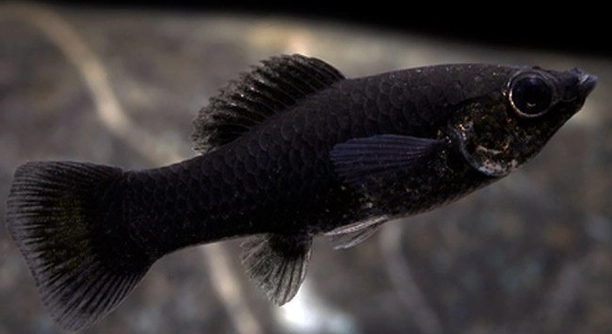
Black Mollies are vibrant, lively fish that bring energy to any freshwater aquarium. Choosing the right substrate can greatly affect their comfort, health, and behavior. A suitable base enhances water quality and complements the aquarium’s natural aesthetics.
The best substrate for Black Mollies is fine gravel or sand with a neutral to slightly alkaline pH. These options provide stability, promote healthy plant growth, and prevent injury to the fish while supporting beneficial bacterial colonies essential for a balanced aquarium ecosystem.
Selecting the proper substrate helps maintain water quality and creates a comfortable environment for Black Mollies to thrive and display natural behaviors.
Choosing the Right Substrate for Black Mollies
Selecting the right substrate for Black Mollies is crucial for their overall health. Fine gravel or sand works best because it is gentle on their delicate fins and allows them to swim naturally. A substrate with a slightly alkaline pH helps maintain stable water conditions, which is essential for these fish. Heavier substrates, like large rocks, can make cleaning difficult and may trap debris, affecting water quality. Sand is especially useful if you plan to include live plants, as it provides a base for roots to grow and flourish. Gravel also allows beneficial bacteria to colonize, supporting a balanced aquarium ecosystem. Avoid sharp or jagged materials that could injure your Mollies. Smooth, neutral-colored substrates mimic their natural environment, reducing stress and encouraging natural behaviors. Regular cleaning ensures the substrate remains free of excess waste, helping your Mollies thrive. Observing your fish’s interaction with the substrate can guide adjustments to their habitat for better comfort and health.
Maintaining proper substrate prevents stress, supports plant growth, and keeps water chemistry stable for your Black Mollies.
A well-chosen substrate enhances both aesthetics and functionality. Black Mollies interact with their environment constantly, foraging and exploring. Fine sand allows them to exhibit these behaviors safely, while providing a surface where waste can settle for easier cleaning. Gravel offers stability and promotes beneficial bacterial colonies that help process fish waste. The substrate also impacts the aquarium’s overall appearance, complementing plant life and decorations naturally. Considering pH and hardness ensures your water conditions remain ideal, reducing the risk of disease. Live plants root securely in sand or fine gravel, giving your Mollies places to hide and play. Smooth, rounded materials prevent injury, keeping them active and healthy. Regular maintenance of the substrate supports long-term water clarity and overall fish well-being. By observing how Black Mollies interact with different substrates, you can adjust materials and layout to meet both aesthetic and functional goals, creating a balanced and thriving aquarium environment.
Cleaning and Maintaining Substrate
Regular maintenance of substrate is key to keeping Black Mollies healthy. Removing debris and waste prevents harmful buildup and keeps water clear.
Cleaning methods should match substrate type. Sand can be gently siphoned to remove waste without disturbing the surface too much, while gravel benefits from vacuuming to pull debris from between particles. Over time, substrates may compact or discolor, signaling it’s time for a partial replacement. Avoid harsh chemicals that could harm beneficial bacteria. Live plants require careful cleaning to prevent uprooting. Maintaining a stable pH is easier when substrate is clean, as debris can alter water chemistry. Observing water clarity and fish behavior provides insight into substrate condition. Consistent upkeep promotes a healthy ecosystem and reduces the risk of algae growth or disease. Integrating substrate maintenance into your regular aquarium routine ensures Black Mollies remain active, comfortable, and thriving over time. Proper care also enhances the visual appeal of your aquarium, keeping the environment attractive and natural. Regular attention creates a balance between aesthetics, cleanliness, and fish well-being.
Ideal Substrate Depth
A substrate depth of two to three inches is sufficient for Black Mollies. This allows live plants to root properly and provides enough space for beneficial bacteria to establish. Too shallow a layer may limit plant growth, while too deep can trap debris and affect water quality.
Maintaining the correct substrate depth supports healthy plant growth and stable water conditions. A two- to three-inch layer allows roots to spread and anchor securely while giving Mollies space to explore naturally. Deeper substrates may compact over time, creating anaerobic pockets that release harmful gases. Monitoring depth ensures the aquarium remains safe and comfortable, balancing aesthetics and functionality. Adjusting substrate thickness based on plant types and fish activity helps maintain a thriving ecosystem, minimizing maintenance and maximizing enjoyment.
Depth also influences how effectively waste settles and can be cleaned. A consistent layer prevents uneven compaction and supports beneficial bacterial colonies. This helps process fish waste efficiently, maintaining water quality. Black Mollies can forage without risk of injury, while plants remain stable and healthy. Adjusting depth during tank setup or plant rearrangement ensures the environment stays optimal for both fish and vegetation, enhancing long-term aquarium balance.
Substrate Materials Comparison
Sand is smooth, easy on fins, and allows delicate plant roots to grow well. It provides a natural look and supports beneficial bacteria.
Gravel comes in various sizes and colors, offering stability for plants and decorations. It allows water to flow through, preventing anaerobic pockets. Heavier gravel is less likely to shift but may trap more debris, requiring vacuuming. Sand requires gentle siphoning to avoid disruption, while gravel can handle more vigorous cleaning. Both support bacterial colonies that aid in waste breakdown, but sand tends to mimic natural riverbeds better, promoting natural behavior in Black Mollies. Choosing between them depends on tank design, plant types, and maintenance preference, balancing aesthetics with practicality.
Substrate pH and Hardness
Black Mollies thrive in substrates that maintain a slightly alkaline pH. Neutral to slightly hard substrates support stable water chemistry and prevent stress. Avoid acidic materials that can alter water conditions and affect fish health.
Substrate hardness also plays a role in plant growth. Softer substrates may not anchor roots properly, while harder substrates provide stability. Selecting materials with appropriate pH and hardness ensures a balanced environment for both plants and fish, promoting long-term aquarium health and minimizing water fluctuations.
Live Plants and Substrate
Live plants grow best in fine gravel or sand, which allows roots to spread easily and absorb nutrients effectively. Dense plantings improve water quality and offer hiding spots for Black Mollies. Root-friendly substrates enhance plant health, supporting a stable and thriving aquarium ecosystem.
Decorative Substrate Considerations
Smooth, rounded decorative stones prevent injuries while complementing the tank’s appearance. Avoid sharp or jagged materials that could damage fins or stress fish.
FAQ
What type of substrate is best for Black Mollies?
The best substrates are fine gravel or sand with a neutral to slightly alkaline pH. These materials are gentle on fins, support plant roots, and promote beneficial bacterial growth, which is essential for maintaining stable water conditions and a healthy tank environment.
How deep should I layer the substrate?
A depth of two to three inches is ideal. This provides enough space for plants to root and for bacteria to thrive while preventing debris from accumulating in compacted areas. Too shallow can limit plant growth, while too deep may create anaerobic pockets.
Can I mix sand and gravel?
Yes, mixing sand and gravel is possible if done carefully. Sand can create a smooth surface, while gravel adds stability. Layering sand on top of gravel or creating separate zones helps maintain water flow and prevents compacted areas, benefiting both plants and fish.
Does substrate affect water pH?
Yes, certain substrates can alter water pH. Sand and gravel with neutral or slightly alkaline properties help maintain stable water conditions, which Mollies prefer. Avoid acidic substrates, as they can lower pH and stress the fish, making them more susceptible to disease.
How often should I clean the substrate?
Regular cleaning is important to prevent waste buildup. Sand should be gently siphoned, while gravel can be vacuumed more thoroughly. Cleaning removes debris without disturbing beneficial bacteria. Observing water clarity and fish behavior helps determine the right cleaning schedule for your tank.
Can live plants grow in any substrate?
Live plants grow best in fine sand or gravel that allows roots to spread and anchor securely. Denser or harder substrates may restrict growth. Nutrient-rich substrates or supplements can help plants thrive and support a stable ecosystem for Black Mollies.
Will decorative stones harm my Mollies?
Only if they are sharp or jagged. Smooth, rounded stones are safe and provide aesthetic appeal without risking injury. Always inspect decorations and avoid materials that could damage delicate fins or stress fish. Properly placed stones also create hiding spots and enrich the tank environment.
Is substrate necessary for a Black Molly tank?
Substrate is not strictly necessary, but it improves water quality, supports plants, and encourages natural behaviors. Bare-bottom tanks are easier to clean, but Mollies benefit from a substrate that allows them to forage and swim naturally. A well-chosen substrate balances functionality with aesthetics.
Can substrate affect fish behavior?
Yes, Black Mollies interact with the substrate constantly. Sand and fine gravel allow for safe exploration and foraging. Proper substrate encourages natural activity, reduces stress, and supports overall well-being, while unsuitable materials can limit movement or cause injury.
How do I choose between sand and gravel?
Consider plant types, tank maintenance, and aesthetic preference. Sand is gentle on fins and mimics natural riverbeds, while gravel provides stability and supports bacterial colonies. Both work well, but the choice depends on the setup you want and how much effort you’ll put into maintenance.
Can substrate change over time?
Yes, substrates can compact, discolor, or lose nutrients over time. Periodic assessment and partial replacement help maintain water quality and plant health. Monitoring fish behavior and water clarity will indicate when adjustments are needed to keep the tank balanced and safe.
Do Black Mollies prefer certain colors of substrate?
Mollies are not strongly influenced by color, but neutral tones reduce stress and highlight their natural black coloration. Bright or highly reflective substrates may create unnecessary stress or distraction, while muted colors provide a calm, natural environment.
Are there substrates that help prevent algae?
Substrate alone won’t prevent algae, but maintaining a clean layer, providing plant coverage, and avoiding excessive nutrients can reduce growth. Fine gravel or sand that supports plant roots helps plants outcompete algae, promoting a healthier, balanced tank.
Is substrate important for breeding?
Yes, substrate can support plants and hiding spots that encourage breeding. Fine sand or gravel allows fry to find shelter and protects eggs. A stable environment with appropriate substrate increases the chances of successful reproduction and fry survival.
How do I transition to a new substrate?
Remove fish temporarily if needed, carefully rinse the new substrate, and layer it evenly. Gradually introduce plants and decorations, monitor water chemistry, and keep an eye on fish behavior. Proper acclimation prevents stress and maintains a stable aquarium environment.
Can substrate affect water clarity?
Yes, finer substrates like sand may cloud water initially if disturbed. Regular gentle cleaning and allowing time for sediment to settle keeps water clear. Gravel generally traps debris between particles, which requires vacuuming but can help maintain clarity once established.
Is substrate maintenance different for planted tanks?
Yes, planted tanks require gentle cleaning to avoid uprooting plants. Nutrient-rich substrates may need less frequent supplementation but careful monitoring. Sand or fine gravel supports root growth while maintaining water quality, making maintenance both essential and delicate.
Do Black Mollies eat substrate?
Not intentionally, but they may pick at it while foraging. Safe, non-toxic sand or smooth gravel prevents injury. Observing feeding habits ensures they aren’t ingesting harmful materials while exploring the substrate.
Can I use specialty substrates like clay or mineral blends?
Yes, but choose ones designed for freshwater aquariums. They can provide additional nutrients for plants and support water chemistry. Avoid any materials that leach harmful substances, as Mollies are sensitive to sudden changes in water quality.
How does substrate affect overall tank health?
A suitable substrate supports beneficial bacteria, stabilizes water chemistry, and encourages natural fish behavior. It works in conjunction with plants and regular maintenance to maintain a balanced, healthy environment, reducing stress and disease risk for Black Mollies.
Are there substrates that are easier to clean?
Coarser gravel is easier to vacuum and traps debris in a way that is easy to remove. Sand requires gentle siphoning to prevent clouding but settles quickly. Choosing a substrate depends on your cleaning preferences and how hands-on you want to be with maintenance.
Does substrate type influence tank temperature?
Substrate has minimal impact on temperature but can affect water circulation near the bottom. Darker substrates may absorb more heat from lighting, while lighter substrates reflect it. Overall, water heaters and lighting control temperature, but substrate can subtly influence microenvironments for plants and fish.
Can substrate help reduce stress in Black Mollies?
Yes, soft, smooth substrates mimic natural habitats, allowing safe foraging and exploration. Providing hiding spots with stones or plants enhances comfort. Proper substrate choice reduces aggression, encourages activity, and promotes overall well-being in the aquarium environment.
What’s the most common mistake with substrate?
Using sharp or reactive materials that harm fish or alter water chemistry. Incorrect depth or compacting can also create poor water conditions. Choosing the right type and maintaining it consistently avoids these problems, keeping Black Mollies healthy and active.
How do I know if my substrate is working well?
Observe water clarity, plant growth, and fish behavior. Healthy, active Mollies and thriving plants indicate the substrate supports a stable environment. Cloudy water, stressed fish, or poor plant growth signal adjustments may be needed to optimize conditions.
Are there natural substrates that work well?
River sand, smooth river gravel, and crushed coral are natural options. They support plant growth, beneficial bacteria, and stable water chemistry. Ensure they are aquarium-safe, rinsed properly, and compatible with Mollies’ pH and hardness requirements.
Can substrate affect aquarium aesthetics?
Yes, substrate color, texture, and layout impact the overall look. Neutral tones highlight fish coloration and plant growth. Thoughtful substrate selection enhances the tank visually while supporting functional needs like plant rooting and waste management.
Does substrate matter for young Mollies?
Yes, young fish are more delicate. Fine sand or smooth gravel reduces injury risk and allows fry to explore safely. Proper substrate supports growth, feeding, and activity, promoting healthy development from juvenile to adult.
How do I introduce new substrate without stressing my fish?
Clean and rinse the substrate thoroughly, add it gradually, and monitor water parameters closely. Maintain familiar decorations or plants during the transition. Slowly acclimating Mollies ensures minimal disruption to their environment and preserves tank stability.
Can substrate affect tank odor?
Yes, accumulated waste in compacted or poorly maintained substrate can produce odors. Regular cleaning, proper depth, and good water flow prevent buildup, maintaining a fresh, healthy aquarium environment that supports Black Mollies’ well-being.
Does substrate influence fish color?
Indirectly. A well-maintained substrate supports healthy water conditions, reducing stress. Stress-free Mollies display vibrant black coloration, while poor substrate or water quality can dull their appearance. Neutral substrates often enhance their natural color without creating unnecessary contrast.
Is substrate necessary for a minimalist tank?
Not strictly, but even a bare-bottom tank benefits from some layer of sand or gravel to support plant life, bacteria, and natural fish behaviors. Minimalist setups can work but may require more frequent maintenance to compensate for the lack of substrate.
How often should I replace substrate entirely?
Complete replacement is rarely needed. Partial replacement every few years or as needed for plant health and cleanliness is sufficient. Monitoring substrate condition and water parameters will indicate when a refresh is beneficial, maintaining a healthy and balanced tank environment.
Can I combine substrate with live rock or driftwood?
Yes, combining substrates with natural decorations enhances the environment. Ensure smooth surfaces to prevent injury, and arrange materials to avoid trapping debris. This combination supports natural behavior, plant growth, and overall tank health effectively.
How do I maintain substrate in high-traffic areas?
High-traffic areas may require more frequent cleaning or thicker substrate layers. Position plants and decorations strategically to protect these zones and maintain a stable, comfortable environment for Black Mollies to explore and forage safely.
Is substrate important for aquascaping?
Yes, substrate provides the foundation for aquascaping. Sand or gravel supports plant roots, stabilizes decorations, and enhances the visual layout. Proper selection ensures aesthetic appeal while maintaining functionality, promoting a thriving aquarium ecosystem.
Can substrate affect disease prevention?
Yes, clean and appropriate substrates reduce harmful bacterial buildup and prevent anaerobic pockets. Healthy substrate supports beneficial bacteria, improving overall immunity and reducing disease risk in Black Mollies. Regular maintenance is essential for long-term fish health.
What materials should I avoid for substrate?
Avoid sharp, jagged, or chemically reactive materials. Items that alter pH or release toxins can stress fish or harm plants. Smooth, aquarium-safe sand or gravel is ideal, providing both safety and functionality while maintaining water stability.
How do I choose substrate for a heavily planted tank?
Fine sand or nutrient-rich gravel supports plant root growth and nutrient uptake. Maintain appropriate depth, allow space for bacterial colonies, and ensure water flow reaches all areas. This combination supports plant health and creates a balanced ecosystem for Black Mollies.
Does substrate influence filtration efficiency?
Yes, substrate affects debris settlement and bacterial colonies. Fine sand allows particles to settle gently, while gravel traps debris between particles. Proper substrate supports filtration by promoting biological balance and reducing waste accumulation in the tank.
Can substrate be used to enhance breeding conditions?
Yes, substrates that support plant growth and provide hiding spots encourage breeding. Fine sand or smooth gravel allows fry to move safely and protects eggs, increasing survival rates and supporting natural reproduction behaviors.
How do I transition from bare-bottom to substrate tank?
Clean the substrate thoroughly and add it gradually. Retain plants and decorations during transition, monitor water chemistry, and observe fish behavior. Gradual introduction minimizes stress and maintains tank stability while creating a natural, supportive environment.
Does substrate matter for community tanks?
Yes, appropriate substrate supports multiple species by promoting natural behaviors, safe foraging, and plant growth. Smooth sand or fine gravel accommodates a variety of fish, maintains water quality, and reduces territorial conflicts, benefiting overall tank harmony.
Can substrate trap harmful chemicals?
Improper or compacted substrate may trap organic waste and chemicals, impacting water quality. Regular cleaning, proper depth, and selecting neutral, safe materials prevent buildup and maintain a healthy, balanced environment for Black Mollies.
How do I check if substrate is still suitable?
Inspect for compaction, discoloration, or foul odors. Monitor water clarity, plant growth, and fish behavior. Adjust or replace as necessary to maintain stability, health, and a safe environment for Black Mollies.
Can substrate improve fish activity?
Yes, fine sand or gravel allows foraging, exploration, and natural behaviors. Providing a suitable substrate encourages active, healthy fish, reducing stress and supporting overall well-being in the aquarium.
Is there a difference between freshwater and saltwater substrates?
Yes, Black Mollies are freshwater fish, so substrates must be suitable for freshwater conditions. Saltwater substrates may alter pH or hardness, making them unsuitable for this species and potentially stressing the fish.
Do Black Mollies rearrange substrate?
They may move small particles while foraging, but they rarely cause significant shifts. Fine sand or smooth gravel accommodates natural behavior without creating hazards, supporting safe and active exploration.
Can substrate prevent nitrate buildup?
Substrate alone cannot eliminate nitrates but supports beneficial bacteria that process waste. Proper depth, regular cleaning, and plant integration help manage nitrates, maintaining a healthier environment for Black Mollies.
How do I deal with compacted substrate?
Gently stir or vacuum to aerate without disturbing plants. Compacted areas can trap harmful gases, so maintaining loose, well-structured substrate ensures healthy water conditions and safer movement for fish.
Does substrate impact oxygen levels?
Indirectly. Loose substrates allow water circulation and support aerobic bacteria, promoting oxygen exchange. Compacted or anaerobic areas can reduce oxygen locally, affecting plant roots and fish activity. Proper substrate maintenance supports balanced oxygen levels.
Can substrate help with pH stabilization?
Yes, neutral to slightly alkaline substrates buffer water naturally. They reduce rapid pH fluctuations, providing a stable environment for Black Mollies, minimizing stress, and supporting overall aquarium health.
Should substrate be rinsed before adding to the tank?
Always rinse substrate thoroughly to remove dust, dirt, or debris. This prevents clouding water, maintains clarity, and reduces stress for fish while supporting immediate plant and bacterial growth.
Does substrate influence water hardness?
Certain substrates, like crushed coral, can slightly increase hardness. Fine gravel and sand with neutral properties maintain stable hardness suitable for Black Mollies, supporting fish health and plant growth without sudden changes.
Are there substrates that require special care?
Nutrient-rich or clay-based substrates may need gentle handling, careful cleaning, and monitoring for compaction. These substrates enhance plant growth but require more attention to maintain a balanced, safe environment for Mollies.
Can substrate help with algae control?
Indirectly, by supporting plant growth and beneficial bacteria. Healthy plants compete with algae for nutrients, and clean, well-maintained substrates prevent waste buildup that can fuel algae growth. Proper substrate management reduces algae issues naturally.
How do I adjust substrate for heavy plant growth?
Increase depth slightly to anchor roots and ensure nutrient availability. Monitor for compaction and maintain gentle cleaning routines. Fine sand or gravel supports robust growth while maintaining water quality for Black Mollies.
Do substrate choices affect tank maintenance?
Yes, sand requires gentle siphoning, gravel can handle vacuuming, and nutrient-rich substrates may need special care. Choosing the right type impacts cleaning frequency, water clarity, and overall tank stability.
Can substrate support bacterial colonies?
Yes, substrates provide surface area for beneficial bacteria to colonize. These colonies process waste, stabilize water chemistry, and reduce harmful substances, creating a balanced environment for Black Mollies.
Does substrate choice impact fry survival?
Yes, safe, smooth substrates protect fry from injury and provide hiding spots. Fine sand or gravel with plants enhances shelter and foraging opportunities, improving survival rates and supporting natural development.
Are there substrates that improve aesthetic appeal?
Neutral tones like beige, gray, or natural sand highlight Black Mollies and plant colors. Substrate selection balances visual appeal with functional support for plants, bacterial growth, and fish behavior, creating a pleasing and safe tank.
Can I use aquarium-safe gravel alternatives?
Yes, ceramic or polished stones designed for freshwater tanks are suitable. Ensure smooth surfaces, neutral pH, and compatibility with plants. These alternatives offer aesthetic variety without compromising safety or water stability.
Does substrate affect fish feeding habits?
Yes, Mollies forage along the substrate. Smooth sand or fine gravel allows natural feeding behavior without risk of injury, ensuring they get proper nutrition while exploring the bottom layers of the tank.
How important is substrate layering?
Layering can separate sand from gravel or add nutrient-rich layers under decorative substrates. Proper layering improves plant growth, waste processing, and overall tank balance, supporting a healthy environment for Black Mollies.
Can substrate impact water flow?
Yes, fine sand may compact, slowing circulation near the bottom. Gravel allows better water movement between particles. Proper substrate choice and maintenance ensure even flow and prevent stagnant areas in the aquarium.
Do substrate types influence fish color vibrancy?
Indirectly. Healthy substrate promotes stable water conditions and reduced stress, helping Black Mollies display their natural black coloration vividly. Poor substrates may dull appearance due to stress or unhealthy water conditions.
Can substrate be reused from another tank?
Yes, if cleaned thoroughly and free from harmful chemicals or disease. Rinse and inspect before adding to ensure it is safe and compatible with water chemistry and fish requirements.
Does substrate affect plant nutrient uptake?
Yes, fine gravel or sand allows roots to absorb nutrients efficiently. Nutrient-rich substrates enhance plant growth, supporting a balanced ecosystem and indirectly benefiting Black Mollies by improving water quality and shelter availability.
How does substrate choice impact overall tank stability?
Proper substrate maintains stable water parameters, supports plants, encourages natural behavior, and promotes beneficial bacteria. Choosing the right type and maintaining it ensures a balanced, healthy, and visually appealing environment for Black Mollies.
Can I combine multiple substrate types?
Yes, combining sand, gravel, or nutrient layers can optimize plant growth and fish activity. Layering should consider depth, water flow, and maintenance ease, ensuring a safe, functional, and attractive tank setup.
How do I monitor substrate health over time?
Regularly check for compaction, discoloration, and debris accumulation. Observe plant growth and fish behavior. Adjust cleaning routines or partial replacement as needed to maintain optimal tank conditions for Black Mollies.
Does substrate affect hiding spots for Mollies?
Indirectly, by supporting plants and decorations. Proper substrate anchors structures that provide shelter and security. Smooth, stable substrates allow Mollies to explore and hide safely without risk of injury or stress.
Are there seasonal considerations for substrate maintenance?
Seasonal changes in water temperature and lighting can affect algae growth and waste accumulation. Adjust cleaning frequency and monitor substrate health to maintain a stable, safe environment year-round.
Can substrate improve biological filtration?
Yes, it provides a surface for beneficial bacteria that break down ammonia and nitrites. This natural filtration supports healthy water conditions, reduces harmful substances, and enhances overall aquarium stability for Black Mollies.
Does substrate influence plant trimming frequency?
Indirectly, as a nutrient-rich or supportive
Choosing the right substrate for Black Mollies is one of the most important steps in creating a healthy and balanced aquarium. The substrate acts as the foundation of the tank, affecting water quality, plant growth, and the overall behavior of your fish. Fine gravel or sand with a neutral to slightly alkaline pH is usually the best choice because it is gentle on fins, supports plant roots, and encourages beneficial bacteria to thrive. The right substrate also allows Mollies to exhibit natural foraging behaviors without risk of injury. Over time, maintaining proper depth and cleanliness ensures that the tank remains stable and safe, providing a suitable environment for both fish and plants. Observing how Mollies interact with their substrate can guide adjustments to improve their comfort and well-being. A stable substrate, combined with consistent care, contributes significantly to the long-term health of your aquarium.
Substrate depth and type influence the tank’s ecosystem more than most people realize. A layer of two to three inches allows plants to root properly and gives beneficial bacteria enough surface area to process waste efficiently. Too shallow, and plants may fail to grow; too deep, and compacted areas can create anaerobic pockets that release harmful gases. Sand provides a smooth, natural surface, while gravel adds stability and makes maintenance easier. Both materials support bacterial colonies that are crucial for breaking down waste, which in turn helps maintain water clarity and chemistry. Regular cleaning and monitoring prevent buildup of debris and reduce stress on the fish. Including live plants and smooth decorative stones on top of the substrate adds both functional and visual value to the tank. Properly maintained substrate ensures that Mollies can swim, explore, and feed comfortably, while plants thrive and contribute to a balanced aquatic environment.
The substrate also plays a subtle but important role in the aesthetic and biological harmony of the aquarium. Neutral-toned sand or gravel highlights the Black Mollies’ coloration, creating a visually appealing backdrop without causing stress. It provides structure for decorations, anchoring plants, and offering hiding spaces, which is essential for reducing aggression and supporting natural behaviors. Proper substrate choice and upkeep make tank maintenance easier, as it helps trap debris in manageable areas and allows for effective siphoning or vacuuming. It contributes indirectly to water chemistry stability, oxygen exchange near the bottom, and nutrient absorption by plants. By selecting the right substrate and keeping it well-maintained, you create a stable, comfortable, and visually balanced environment for your Black Mollies. This careful attention ensures that your fish remain active, healthy, and display their natural behaviors, while plants grow robustly and the aquarium stays visually appealing over time. The right substrate is more than just a bottom layer—it is the foundation that supports a thriving, harmonious aquarium ecosystem.

Hello,
If you enjoy the content that we create, please consider saying a "Thank You!" by leaving a tip.
Every little bit helps us continue crafting quality advice that supports the health, happiness, and well-being of pets around the world, for pets of all shapes, sizes, and species.
We really appreciate the kindness and support that you show us!