
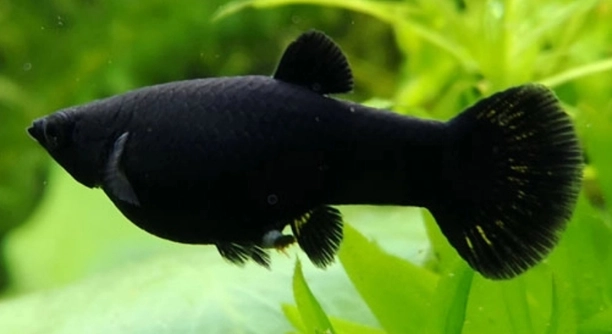
Raising fry can be both exciting and challenging, especially when trying to encourage them to develop self-feeding and independent behaviors. Observing their growth and helping them thrive requires careful attention and practical methods. Developing independence early supports healthier, stronger fish.
Providing structured environments, gradual feeding routines, and consistent monitoring encourages fry to develop independent behavior. Implementing proper tank conditions, spacing, and accessible food ensures fry can explore, learn to feed on their own, and build essential survival skills without constant intervention.
Applying these simple methods can make a noticeable difference in fry development. Small changes in routine and environment significantly impact their ability to thrive.
Set Up a Proper Tank Environment
Creating the right environment is essential for fry to develop independence. The tank should be clean, stable, and free from sudden changes in temperature or water quality. Providing hiding spots with plants or small structures gives fry a sense of security, encouraging exploration without feeling threatened. Lighting should mimic natural day-night cycles to support their internal rhythms. Avoid overcrowding, as too many fry in a small space can lead to stress, slower growth, and reduced feeding activity. Using gentle filtration ensures water movement without sucking up the fry, which helps them feel safe. Regular water testing for parameters such as pH, ammonia, and nitrates prevents harmful spikes that could negatively affect fry health. Observing the fry’s behavior daily can help identify if adjustments in setup are needed. A carefully maintained tank reduces stress and supports natural instincts like foraging and hiding, which are key for building independent behavior.
Maintaining a stable, well-structured tank allows fry to explore and feed without constant intervention, improving survival rates.
A proper tank environment sets the foundation for all other methods to encourage independence. Fry that feel secure are more likely to investigate their surroundings, find food, and interact naturally with other tankmates. Structures and plants provide mental stimulation, preventing boredom and promoting physical activity. Gradual adjustments to lighting, feeding schedules, and water flow help fry adapt without panic. Stability reduces the need for human assistance, allowing fry to learn essential behaviors naturally. Overcrowding or sudden environmental changes can slow growth, increase aggression, and reduce self-feeding. Careful observation allows you to respond before problems escalate. By prioritizing comfort, security, and consistency, you create conditions where fry can thrive. Healthy, independent fry are more resilient to disease and stress, making them easier to care for over time. Each small improvement in the tank setup directly supports the fry’s ability to develop independence successfully.
Introduce Gradual Feeding Routines
Gradual feeding routines teach fry to recognize and consume food without constant guidance. Small, frequent feedings work best.
Starting with tiny portions multiple times a day helps fry locate food without overwhelming them. Gradually reducing the frequency encourages self-feeding and exploration.
Consistency in feeding routines reinforces natural instincts and promotes independent behavior. Begin with finely crushed or specialized fry food to match their small mouths. Feed in different areas of the tank to encourage movement and searching skills, rather than relying on a single spot. Over time, slowly increase portion sizes and reduce feeding frequency to prevent dependence on hand-feeding. Observing how fry respond allows adjustments to ensure all individuals are getting food without overcrowding. Avoid overfeeding, as leftover food can deteriorate water quality and harm fry health. Encouraging fry to feed at their own pace helps build confidence and reduces stress. As they learn to locate and consume food independently, their growth and development improve, setting the stage for healthier, more self-sufficient fish in the long term.
Provide Hiding Spaces
Hiding spaces reduce stress and encourage exploration. Small plants, rocks, or breeding cones give fry areas to retreat and learn independently without feeling threatened.
Hiding spaces are essential for fry to build confidence. When they feel safe, fry are more willing to swim around, investigate their environment, and find food. Simple additions like small plants or floating structures give them areas to rest and avoid aggression from tankmates. These spaces also mimic natural habitats, supporting instincts like foraging and hiding. Overcrowded or empty tanks can increase stress, causing fry to cling together or avoid food. Well-placed shelters let fry develop at their own pace and interact safely. Providing these areas ensures fry can balance activity and rest, which is key for growth and independence.
Hiding spots also encourage physical activity, as fry swim in and out of cover. Exploring multiple areas helps strengthen their muscles and improves coordination. Over time, fry that use hiding spaces become more confident in moving through open areas and seeking food without constant guidance. These simple adjustments create a safer, more stimulating environment, which directly supports their natural development. By gradually observing and adjusting placement of structures, you can fine-tune the tank to meet the fry’s needs.
Encourage Exploration
Encouraging exploration helps fry develop instincts for survival and feeding. Small objects or varying terrain promote curiosity and movement.
Exploration is key for fry to become independent. Introducing lightweight, non-toxic objects in the tank encourages swimming around and interacting with their surroundings. Fry learn to recognize obstacles, locate food, and navigate safely, building essential skills. Gradually altering object positions or adding new structures maintains interest and prevents boredom. Over time, fry gain confidence in moving through open spaces and searching for food on their own. Allowing free movement and occasional changes in environment promotes mental stimulation, strengthens muscles, and supports natural behaviors. Observing responses to new additions helps ensure the tank remains safe while promoting activity.
As fry explore, they develop problem-solving skills and adaptability. Movement through different areas and interacting with objects strengthens coordination, spatial awareness, and feeding efficiency. Fry that explore regularly are less likely to cluster in one area, reducing competition and stress. By creating a dynamic environment with safe obstacles, fry can practice natural behaviors, improving their chances of thriving independently. Regular monitoring ensures exploration is beneficial, avoiding hazards while still encouraging active engagement with the tank environment. This approach nurtures growth, confidence, and self-reliance in young fish.
Maintain Consistent Water Conditions
Stable water conditions prevent stress and support healthy growth. Regular monitoring of temperature, pH, and cleanliness is crucial for fry development.
Consistent water quality helps fry feel secure and encourages natural behaviors. Sudden changes can reduce appetite, slow growth, and increase vulnerability to disease. Daily observation ensures any fluctuations are addressed quickly, keeping the environment safe and supportive for independent activity.
Offer a Variety of Foods
Providing a variety of foods ensures fry receive proper nutrition and encourages self-feeding. Rotating between live, frozen, and prepared foods stimulates interest and develops hunting skills.
Limit Human Interference
Excessive handling or frequent intervention can stress fry and reduce their independence. Minimal interference allows natural instincts to develop.
FAQ
How often should I feed fry to encourage independence?
Feeding fry small amounts multiple times a day works best. Start with frequent, tiny portions, then gradually reduce the frequency as they learn to feed on their own. This encourages natural foraging and self-feeding without creating dependency on hand-feeding.
What type of food is best for fry?
A combination of finely crushed dry foods, specialized fry pellets, and occasional live or frozen foods is ideal. Variety ensures they get all essential nutrients while stimulating natural hunting and feeding instincts. Small portions prevent leftover food from polluting the water.
How do I know if fry are stressed?
Signs of stress include clustering in one area, rapid gill movement, hiding excessively, or refusing food. Stress can be caused by sudden water changes, overcrowding, or aggressive tankmates. Monitoring behavior daily helps detect stress early.
Can fry be left alone for long periods?
Fry need supervision, but minimal interference is beneficial. Regular checks for water quality, food intake, and health are enough. Avoid constant handling, as it can increase stress and reduce independent behaviors.
How do hiding spots affect fry growth?
Hiding spots provide security, reducing stress and encouraging exploration. Fry that feel safe are more likely to swim, feed, and interact naturally. Over time, confidence built in a secure environment supports stronger muscles and better self-feeding habits.
What tank size is suitable for fry?
Smaller fry benefit from a spacious, well-planted tank that reduces competition. Overcrowding can slow growth, increase aggression, and reduce feeding success. Providing enough room allows free movement and exploration, essential for developing independence.
How important is water temperature for fry?
Stable temperature is crucial for growth and metabolism. Sudden changes can shock fry, reduce feeding, or slow development. Using a reliable heater and thermometer helps maintain consistency, ensuring a supportive environment for natural behaviors.
Should fry be introduced to objects or obstacles in the tank?
Yes, introducing lightweight objects encourages exploration and problem-solving. Gradually changing object placement maintains interest and develops coordination. Safe obstacles stimulate mental activity, build confidence, and teach fry to navigate their environment independently.
How often should water parameters be tested?
Water parameters like pH, ammonia, and nitrate should be checked daily or at least every other day. Consistency prevents harmful spikes, reduces stress, and ensures fry can feed, explore, and grow without setbacks.
Can fry learn from other tankmates?
Observing older or more experienced fish can encourage feeding and activity patterns. However, ensure tankmates are not aggressive, as this can create stress and hinder independence. A balanced community supports learning while keeping fry safe.
What is the best lighting for fry tanks?
Moderate lighting that mimics natural day-night cycles promotes feeding and activity. Avoid sudden bright lights, which can stress fry. Lighting helps fry develop routines and explore the tank confidently, enhancing independent behavior.
How can I reduce human interference effectively?
Prepare the tank carefully, feed consistently, and observe without touching. Let fry feed and explore on their own as much as possible. Intervene only when necessary, such as during water changes or health issues. This approach supports natural instincts and long-term independence.
How long does it take for fry to become independent?
Independence develops gradually over several weeks. Factors like species, tank setup, feeding routine, and stress levels influence timing. Consistent care, hiding spaces, exploration opportunities, and minimal interference accelerate growth and confidence in feeding and survival skills.
Is water flow important for fry?
Gentle water movement encourages swimming and strengthens muscles. Strong currents can exhaust or harm fry, while stagnant water can reduce oxygen and activity. Balanced flow supports natural behaviors and a healthier, more active tank environment.
What are common mistakes when raising fry?
Overfeeding, overcrowding, sudden water changes, frequent handling, and lack of hiding spots are common issues. Each can stress fry, reduce feeding, and slow growth. Avoid these mistakes to promote independent behavior and overall health.
Can fry survive without hiding spots?
They may survive, but lack of shelter increases stress and reduces confidence. Hiding spots are essential for security, exploration, and learning self-feeding. Even small structures or plants significantly improve growth and natural behavior.
How do I monitor fry growth effectively?
Observe swimming patterns, feeding activity, and physical development regularly. Track size, coloration, and behavior changes. Monitoring helps identify issues early and ensures fry are adapting to feeding routines, environmental conditions, and exploring independently.
What is the role of enrichment in fry tanks?
Enrichment encourages mental stimulation and physical activity. Objects, plants, or gentle water currents help fry explore, forage, and learn coordination. A varied environment builds confidence and self-reliance, preparing them for healthy, independent growth.
How do I prevent disease while encouraging independence?
Maintain clean water, avoid overcrowding, provide varied nutrition, and limit handling. Stress reduction through hiding spots and stable conditions supports immunity. Early detection and careful observation prevent minor issues from becoming serious health problems.
Should fry be separated by size or species?
Separating by size reduces competition and stress, allowing smaller fry to feed and grow without being outcompeted. Separation by species may be necessary if tankmates have different behaviors, feeding patterns, or aggression levels. Proper grouping supports independence for all individuals.
Final Thoughts
Raising fry to develop independent behavior requires patience, observation, and a structured approach. Each step, from setting up a proper tank environment to introducing hiding spots and encouraging exploration, contributes to their growth and confidence. Fry are naturally curious, but without the right conditions, they may struggle to feed, navigate, or interact safely. Providing a secure, stable environment allows them to practice essential behaviors at their own pace. Overcrowding, inconsistent water conditions, and frequent handling can hinder development and create stress, slowing progress. By carefully monitoring water quality, maintaining stable conditions, and offering a variety of foods, you give fry the tools they need to thrive independently. Small adjustments in feeding routines, tank setup, and enrichment can make a noticeable difference in their ability to explore, forage, and interact without constant human intervention. Observing their behavior daily helps identify needs early and ensures that each fry is developing confidence and self-sufficiency in a supportive setting.
Encouraging independent fry behavior is also about balancing stimulation and security. Hiding spots and gentle tank obstacles provide safety while promoting physical activity and problem-solving. Fry that feel secure are more willing to swim freely, search for food, and interact with other tankmates. Gradual changes in food types, feeding locations, and small environmental modifications help maintain curiosity and prevent boredom. Variety in diet and exploration strengthens muscles, coordination, and natural instincts, preparing them for long-term health and survival. At the same time, limiting human interference allows fry to practice essential behaviors naturally, building resilience and confidence. The combination of proper nutrition, safe spaces, and a stable environment ensures fry can develop essential skills like feeding themselves, avoiding stress, and navigating their surroundings efficiently. Careful planning and observation are key to fostering independence while minimizing risks.
Overall, raising fry with a focus on independence benefits both the fish and the caretaker. Fry that can feed, explore, and interact without constant intervention are healthier, more confident, and less stressed. This independence makes ongoing care easier and more rewarding, as fish that develop self-sufficiency are less prone to disease and behavioral issues. The process requires consistent attention to water quality, tank structure, feeding routines, and environmental enrichment, but the results are worth the effort. By implementing these strategies, each fry has the opportunity to thrive in a safe, stimulating environment that encourages growth, confidence, and natural behavior. Fostering independent behavior from an early stage creates a strong foundation for long-term health, ensuring that the fry not only survive but also flourish as they mature.

Hello,
If you enjoy the content that we create, please consider saying a "Thank You!" by leaving a tip.
Every little bit helps us continue crafting quality advice that supports the health, happiness, and well-being of pets around the world, for pets of all shapes, sizes, and species.
We really appreciate the kindness and support that you show us!