
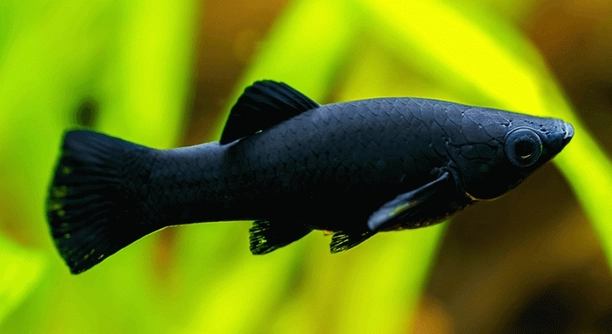
Fry often display unique positions in their tanks, which can reflect how comfortable and healthy they are in their environment. Observing their movements can give insights into their daily habits and overall wellbeing.
Fry positioning can indicate a range of health conditions, including swim bladder issues, stress levels, and potential nutrient deficiencies. Consistent monitoring of their posture and activity helps in assessing developmental progress and early detection of illness.
Paying attention to how your fry move and rest can reveal important signs about their health and guide better care routines.
Common Fry Positions and What They Mean
Fry can display a variety of positions that hint at their health. Floating at the surface can suggest oxygen deficiency or water quality issues. Fry that stay near the bottom might be conserving energy, feeling stressed, or struggling with swim bladder development. Constantly tilting or rolling indicates potential internal problems or imbalance. Some fry hover in mid-water, which usually shows normal activity and strong development. Observing these behaviors regularly allows you to spot small changes before they become serious. Changes in position can occur due to feeding, temperature shifts, or tank disturbances. Keeping notes on these patterns helps track growth and identify early signs of illness. Tank conditions, including filtration, water movement, and temperature stability, greatly affect fry behavior. Fry that are active, exploring, and responding to light or movement typically signal good health. Consistency in their positioning is often the best indicator of a stable and healthy environment for young fish.
Monitoring fry positions daily gives a clear picture of their wellbeing and helps prevent health issues.
Recording fry behavior consistently allows for better care and faster intervention when problems arise, ensuring healthier growth.
Signs of Stress in Fry
Stress in fry often shows through erratic swimming, clamped fins, or unusual hiding behavior.
Stress can stem from overcrowding, sudden water changes, or poor nutrition. Maintaining a calm and stable environment minimizes these stressors and supports healthy development. Observing fry behavior closely helps detect subtle signs before they worsen.
Stress impacts fry growth and immune function, making them more vulnerable to disease. Fry may exhibit rapid gill movements, lethargy, or frequent darting, which indicate discomfort or environmental imbalance. Correcting water parameters, providing proper filtration, and ensuring adequate nutrition are essential steps to reduce stress. Overcrowding is a common issue, so keeping fry densities low and maintaining clean water can prevent long-term health problems. Temperature fluctuations also contribute to stress, so keeping the tank stable is important. Fry are sensitive to sudden movements and vibrations, which can trigger panic responses, so minimizing disturbances helps them settle. Regularly observing their positions and activity allows early detection of stress signs and timely adjustments, supporting consistent growth. Following these practices ensures fry develop strong, resilient bodies and maintain natural behaviors.
Water Quality and Fry Positioning
Poor water quality can cause fry to hover near the surface or gasp for air. Ammonia, nitrite, and nitrate levels directly affect their behavior, making it essential to test water frequently and keep it stable.
Maintaining clean water is critical for fry health. Frequent partial water changes prevent the buildup of harmful chemicals, while proper filtration ensures oxygen circulation. Fry are very sensitive to shifts in pH and temperature, which can lead to unusual swimming patterns or lethargy. Observing how fry respond after water changes can reveal whether the tank environment is suitable. Even minor fluctuations can stress them, affecting feeding and growth. Monitoring these conditions closely helps fry stay active and healthy while reducing disease risk.
Oxygen levels play a major role in fry positioning. Fry staying at the surface often indicate low oxygen, while proper aeration encourages normal swimming throughout the tank. Adding gentle water movement prevents stagnation and supports healthy development. Temperature consistency is equally important, as sudden drops or rises can stress fry, leading to clamped fins or hiding behavior. Using a thermometer and aeration tools ensures conditions remain within safe ranges. Clean tanks combined with stable temperature and oxygen levels encourage fry to explore freely, maintain balance, and grow without complications.
Feeding Patterns and Their Influence
Fry often gather in specific areas when feeding, reflecting both appetite and health.
Regular feeding schedules support consistent growth. Fry may cluster near the top if floating foods are provided or near the bottom for sinking options. Overfeeding leads to uneaten food, fouling water and causing fry to display irregular positions. Offering small, frequent meals encourages balanced swimming and proper development. Feeding behaviors can indicate digestive health, with active fry quickly consuming food showing strong vitality. Observing how fry move during feeding helps determine whether they are getting enough nutrients or experiencing early signs of deficiency.
The type and frequency of feed directly impact fry positioning. Live foods encourage natural hunting behaviors, keeping fry active throughout the water column. Dry or powdered feeds can settle at different depths, influencing where fry swim. Ensuring that all fry have access prevents weaker individuals from lagging behind, which could cause stress or stunted growth. Adjusting feeding amounts based on fry activity prevents overfeeding and maintains water quality. Consistency in feed type and portion size allows fry to develop balanced swimming patterns, supporting overall health. Monitoring feeding response gives insight into their energy levels and readiness for later stages of growth.
Swim Bladder Issues
Fry with swim bladder problems may float upside down or struggle to maintain balance. Positioning near the bottom or erratic swimming can signal this condition. Observing fry daily helps detect early signs and allows for timely intervention to prevent further complications.
Swim bladder issues often result from overfeeding, constipation, or genetic factors. Adjusting feeding schedules, providing high-fiber foods, or gently fasting for a day can improve buoyancy. Maintaining stable water conditions also supports recovery and reduces stress on affected fry. Consistent monitoring ensures early detection and proper care, promoting healthier development.
Temperature Fluctuations
Even small changes in water temperature affect fry positioning. Sudden drops make them sluggish, while spikes increase activity, sometimes causing stress or erratic swimming. Maintaining consistent temperatures is essential to keep fry balanced and healthy.
Identifying Early Signs of Disease
Abnormal positions, clamped fins, or lethargy are early indicators of disease in fry. Regular observation and prompt action can prevent serious health issues, ensuring proper growth and survival.
Tank Environment Considerations
Overcrowding or lack of hiding spots can influence fry positioning. Providing enough space and gentle decor encourages natural movement and reduces stress.
FAQ
How can I tell if my fry are healthy based on their position?
Healthy fry generally swim throughout the tank, hover in mid-water, and respond to light or movement. They maintain balance, have smooth swimming patterns, and display curiosity. Fry that frequently stay at the bottom, float upside down, or tilt may be experiencing stress, swim bladder issues, or environmental problems. Observing fry consistently helps identify any deviations from normal behavior.
Why do some fry float at the surface?
Fry floating at the surface often indicate low oxygen levels or poor water quality. High ammonia or nitrite concentrations can cause them to gasp for air. Maintaining proper aeration, frequent water changes, and testing water parameters regularly ensures fry remain active and balanced throughout the tank.
What does it mean if fry stay near the bottom?
Fry near the bottom may be conserving energy, feeling stressed, or struggling with swim bladder development. Consistently staying low can also indicate illness or poor water conditions. Monitoring water temperature, cleanliness, and providing adequate food helps encourage balanced swimming and healthy development.
How does feeding affect fry positioning?
Fry often cluster where food is available. Floating foods attract them to the surface, while sinking foods keep them near the bottom. Overfeeding can foul water, making fry sluggish or causing erratic swimming. Offering small, frequent meals ensures fry get nutrients without negatively impacting water quality.
Can temperature changes impact fry movement?
Yes, fry are sensitive to temperature fluctuations. Sudden drops can make them sluggish or inactive, while spikes may cause erratic swimming and stress. Maintaining a consistent, suitable temperature is essential to prevent unusual positions and support steady growth.
How do swim bladder issues appear in fry?
Swim bladder problems show as upside-down swimming, tilting, or difficulty maintaining depth. Overfeeding or constipation can trigger these issues. Adjusting feeding practices, providing fiber-rich foods, and maintaining stable tank conditions often improve buoyancy and movement.
What signs of stress should I watch for?
Stress can show as clamped fins, rapid gill movement, hiding, or erratic swimming. Overcrowding, poor water quality, or sudden disturbances are common causes. Reducing stressors and maintaining a calm, stable environment supports healthy positioning and overall wellbeing.
Do tank decorations affect fry positioning?
Yes, overcrowded tanks or lack of hiding spots can force fry into unusual positions. Providing gentle décor and enough space encourages natural swimming and reduces stress. Proper placement also allows fry to explore safely and develop strong swimming habits.
How often should I monitor fry behavior?
Daily observation is ideal to catch early signs of illness or stress. Tracking fry positions, swimming patterns, and feeding responses provides insights into health, growth, and environmental suitability. Early detection allows timely adjustments to improve their care.
Can fry positioning predict long-term health?
Consistent healthy positioning often reflects good growth and strong development. Persistent abnormal positions can indicate underlying issues, which, if addressed early, improve survival and future wellbeing. Observing fry over time helps ensure they remain active, balanced, and resilient.
What actions can improve abnormal positioning?
Correcting water parameters, adjusting feeding schedules, providing proper aeration, and ensuring adequate space are key steps. Identifying specific causes, like swim bladder issues or stress, and addressing them promptly supports recovery and normal movement.
Are some fry naturally more active than others?
Yes, individual fry vary in energy and activity levels. Slight differences are normal, but persistent lethargy or unusual positioning warrants attention. Maintaining stable tank conditions and proper nutrition encourages all fry to develop healthy swimming behaviors.
How does oxygen availability affect fry movement?
Low oxygen can make fry hover at the surface or gasp frequently. Proper aeration, good filtration, and avoiding overcrowding help maintain oxygen levels. Healthy oxygen concentrations support balanced positioning and reduce stress.
Should I separate fry if positioning appears abnormal?
Separation can help if illness or bullying is suspected. Quarantining affected fry allows targeted care and prevents stress on healthy individuals. Observation in isolation can also clarify whether behavior is environmental or health-related.
Can water pH influence fry behavior?
Yes, drastic pH changes can stress fry, causing unusual swimming or clamped fins. Maintaining stable pH within species-specific ranges promotes normal positioning and reduces the risk of stress-related issues.
How long does it take for fry to recover from positioning problems?
Recovery depends on the cause. Correcting water quality or feeding issues can show results within a few days. Swim bladder or illness-related problems may take longer, requiring close monitoring and consistent care to restore normal swimming.
What role does diet play in positioning?
A balanced diet supports energy, buoyancy, and overall health. Poor nutrition can cause lethargy, abnormal positions, or stunted growth. Offering small, frequent meals tailored to fry size ensures steady development and proper movement.
Are fry positions different at various growth stages?
Yes, fry develop new swimming patterns as they grow. Early stages may show bottom-dwelling behavior, while older fry explore mid-water and surfaces more actively. Monitoring these changes helps track development and detect potential health issues.
How can I encourage natural movement?
Providing a stable, clean environment, appropriate tank mates, and varied feed encourages fry to swim actively throughout the tank. Gentle water flow and adequate space allow them to explore safely while supporting proper muscle development.
What should I do if multiple fry show abnormal positions?
Check water quality, feeding, and tank conditions immediately. Widespread abnormal positioning often signals environmental stress, infection, or nutrient deficiencies. Addressing these factors quickly prevents further health decline and supports consistent development across the group.
Observing fry positioning provides valuable insight into their health and overall wellbeing. Every movement, tilt, or pause can tell a story about the conditions in their tank, their nutritional status, and their developmental progress. Fry that swim steadily through mid-water, explore their environment, and respond naturally to light and movement are typically strong and healthy. Conversely, fry that linger at the bottom, float upside down, or display unusual tilts may be experiencing stress, illness, or environmental challenges. Paying attention to these signs is a proactive way to ensure fry thrive. Keeping notes on daily behavior helps identify patterns and alerts you to early changes that could affect their health. Consistent observation, combined with stable tank conditions and proper nutrition, allows for timely adjustments, preventing minor issues from becoming serious problems.
Water quality plays a major role in fry behavior and positioning. Maintaining optimal levels of ammonia, nitrite, nitrate, and oxygen is crucial for healthy development. Frequent water testing and partial water changes help sustain a clean environment. Temperature stability is equally important, as sudden fluctuations can stress fry and lead to irregular swimming. Proper aeration and gentle water flow ensure oxygen circulates evenly throughout the tank, encouraging fry to swim naturally rather than staying at the surface or bottom. A clean and stable environment reduces stress and supports normal growth. Even small changes in water chemistry or temperature can have a noticeable impact, so monitoring conditions regularly is essential. Combining careful water management with a proper feeding schedule ensures fry remain active, balanced, and resilient.
Feeding practices also influence fry positioning and health. Small, frequent meals of appropriate foods support energy, buoyancy, and growth. Overfeeding can foul the water, which may cause fry to become sluggish or display erratic swimming patterns. Underfeeding or offering an unbalanced diet can also affect development, leading to weaker fry or abnormal movement. Observing how fry respond during feeding provides clues about their nutritional status and energy levels. Additionally, overcrowding and lack of space or hiding spots can affect swimming patterns and stress levels. Providing adequate space, gentle décor, and suitable tank mates encourages natural movement and exploration. Attention to these factors ensures fry develop strong, healthy swimming behaviors and remain resilient as they grow. Combining observation, stable water conditions, and proper nutrition creates an environment where fry can thrive and develop naturally over time.

Hello,
If you enjoy the content that we create, please consider saying a "Thank You!" by leaving a tip.
Every little bit helps us continue crafting quality advice that supports the health, happiness, and well-being of pets around the world, for pets of all shapes, sizes, and species.
We really appreciate the kindness and support that you show us!