
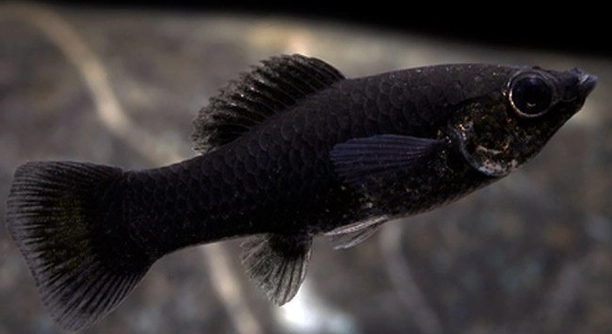
Are your Black Molly fish swimming frantically or hiding more than usual in your tank? Many aquarists overlook subtle water flow issues that can cause stress, impacting their fish’s health and overall behavior in the aquarium.
Excessive or poorly directed tank flow can overwhelm Black Molly fish, leading to fatigue, weakened immune systems, and disrupted feeding patterns. Properly managing water currents is essential to maintain a balanced, comfortable environment for these sensitive tropical fish.
Understanding flow patterns and common mistakes will help you create a calmer, healthier tank, ensuring your Black Mollies thrive without unnecessary stress or discomfort.
Overpowering Currents
Strong currents can exhaust Black Molly fish quickly. Many tanks have pumps or filters that create a fast-moving flow, which seems harmless but can tire out these small fish. Constantly swimming against the current leaves them less energy for feeding and exploring. Over time, stress from strong currents can lower their immunity, making them more susceptible to disease. It is important to observe how your Black Mollies react to the water movement. Some may hide behind plants or decorations, while others may struggle near the surface. Adjusting the flow or adding obstacles can create calmer areas for resting. Even minor changes in direction or speed of the current can make a noticeable difference. Balancing tank flow ensures fish can swim comfortably without being forced into constant movement. Black Mollies prefer moderate currents that mimic gentle streams rather than rushing waters. This helps maintain their health and natural behavior patterns.
Strong currents can overwhelm Black Mollies, leading to fatigue, stress, and less active feeding behavior.
Providing calmer areas and rearranging decorations allows fish to rest, swim at their own pace, and thrive in a comfortable environment.
Improper Filter Placement
Placing filters incorrectly can cause uneven water flow. Filters set too close to the tank wall or corner may create strong pockets of current, while other areas remain stagnant. Uneven flow can prevent proper oxygen distribution and waste removal, affecting both water quality and fish comfort. Black Mollies tend to avoid zones with harsh currents, often congregating in quieter areas. This can lead to territorial disputes or overcrowding, which further stresses the fish. Adjusting filter placement or adding diffusers can help disperse the flow evenly across the tank. Positioning the outlet near the center or directing it toward a broad area reduces localized turbulence. Regular observation is key; notice where your fish spend most of their time and how they interact with the flow. Maintaining a balance between circulation and gentle currents supports healthy activity, feeding, and swimming patterns, creating a more stable environment for Black Mollies.
Incorrect filter setup can cause stress, uneven oxygenation, and behavioral changes in Black Mollies.
Ensuring even water movement and proper circulation promotes overall health, stability, and natural swimming behavior in the tank.
Overcrowded Tank
Too many fish in a single tank increases competition for space and resources. Black Mollies are especially sensitive to cramped conditions, which can lead to stress, aggression, and reduced swimming freedom.
Overcrowding reduces oxygen availability and water quality. Even with proper filtration, more fish produce more waste, increasing ammonia and nitrate levels. Stress from tight spaces can make Black Mollies more prone to disease, reduce their appetite, and affect natural behaviors. Fish may become skittish, hide frequently, or struggle to swim against the flow. Ensuring the tank has enough space for each fish allows them to swim comfortably, explore, and maintain a healthier immune system. Proper stocking is essential to prevent long-term health problems and maintain a calm environment.
Providing adequate space, maintaining water quality, and avoiding excessive stocking promotes Black Mollies’ overall well-being and encourages natural, relaxed behavior in the tank.
Poorly Directed Flow
When water flow is aimed directly at Black Mollies, they can struggle to navigate their environment. Constant resistance tires them out and causes stress, reducing their overall activity.
Direct flow can push fish into corners or against decorations, limiting movement and preventing normal feeding behavior. Over time, this repeated strain can weaken their immune system, making them susceptible to illness. Black Mollies need areas where water movement is gentle and consistent, allowing them to swim freely without fighting strong currents. Adjusting the direction of the flow, using diffusers, or placing plants to break currents can create calmer zones. Observation is key: watch how your fish respond and make adjustments to improve comfort. This ensures a balanced habitat where fish can maintain natural swimming patterns while staying healthy and stress-free.
Creating zones of gentle flow and avoiding direct, forceful currents helps Black Mollies conserve energy and maintain a healthy, active lifestyle.
Uneven Flow
Uneven flow creates areas where water moves too quickly or remains stagnant. Black Mollies tend to avoid strong currents, leaving some tank areas overcrowded while other spots accumulate waste.
Stagnant zones reduce oxygen levels and encourage algae growth. Balancing the flow with proper filter placement and diffusers ensures all areas of the tank are healthy and accessible.
Strong Outlet Streams
Filters with strong outlet streams can push Black Mollies into decorations or tank walls. This constant force stresses them and can lead to fatigue or injury.
Adjusting the direction of the outlet, using flow diffusers, or placing plants strategically softens the current. Creating gentle, consistent movement allows fish to swim freely without constant resistance, supporting their health.
Lack of Hiding Spots
Black Mollies need areas to rest and escape strong currents. Without plants or decorations, they can become stressed and overexerted.
Providing adequate hiding spaces with plants, rocks, or decorations reduces stress, encourages natural behavior, and improves overall well-being in the tank.
How do I know if my Black Mollies are stressed from tank flow?
Signs of stress from tank flow include frantic swimming, hiding behind decorations, and clinging to calmer areas of the tank. Black Mollies may avoid certain parts of the tank where currents are strong or get pushed around by filter outlets. Reduced appetite, lethargy, or frequent rubbing against surfaces can also indicate discomfort. Observing your fish at different times of the day helps identify patterns. They should swim comfortably throughout the tank, exploring and feeding without struggling against currents. Noticing changes in behavior early allows you to make adjustments before stress impacts health.
What is the ideal flow rate for Black Mollies?
Black Mollies prefer moderate water movement, similar to gentle streams. Flow that is too strong can tire them out, while stagnant water reduces oxygenation and increases waste buildup. A filter that produces a soft, even current is ideal. Using a spray bar, flow diffusers, or placing the filter outlet near the surface can help create a balanced environment. Plants and decorations also break up strong currents and provide resting areas. The goal is consistent water circulation that refreshes the tank without pushing fish into corners or restricting natural swimming patterns. Adjusting the flow gradually and observing how your fish respond ensures the environment suits their needs.
Can overcrowding affect how Black Mollies respond to tank flow?
Yes, overcrowding intensifies the impact of strong or uneven currents. When many fish compete for space, calmer areas become overcrowded while fast-flow zones remain underused. This can increase stress, reduce feeding efficiency, and make weaker fish more vulnerable to illness. Proper stocking prevents excessive competition and allows each fish to find comfortable swimming zones. Even in a tank with moderate flow, too many fish will experience fatigue and anxiety if they cannot find areas to rest. Keeping a reasonable number of Black Mollies ensures they can navigate currents comfortably, maintain energy, and interact naturally with tank mates.
How can I adjust flow without upgrading my filter?
Simple adjustments can reduce strong currents without buying a new filter. Angling the outlet away from open swimming areas or using a spray bar attachment can distribute flow more evenly. Adding plants, rocks, or decorations near the outlet slows down water velocity, creating calm zones. Sponge filters or diffusers on existing pumps also help reduce turbulence. Observing fish behavior after each adjustment ensures changes are effective. These small modifications can significantly improve comfort, allowing Black Mollies to swim freely without constant resistance while maintaining proper water circulation.
Are there signs that flow adjustments are working?
After making adjustments, healthy Black Mollies should explore more areas of the tank, swim without exhaustion, and feed normally. Hiding behavior should decrease, and fish will appear more active and relaxed. Observing them over several days ensures changes are consistent and beneficial. A balanced tank flow reduces stress, supports natural behavior, and prevents long-term health problems.
Do decorations really help with managing tank flow?
Yes, decorations create natural barriers that break up strong currents. Plants, rocks, or driftwood provide resting spots and reduce water speed in certain areas. Black Mollies use these zones to conserve energy, hide if stressed, and swim freely without fighting the flow. Proper placement of decorations ensures even circulation while giving fish a comfortable environment.
How often should I check my tank’s flow?
Flow should be checked regularly, especially after cleaning or repositioning filters and decorations. Seasonal changes or plant growth can alter water movement. Observing fish behavior frequently helps ensure currents remain suitable. Adjustments may be needed as fish grow or tank conditions change.
Can tank flow affect breeding?
Strong currents can discourage breeding, as Black Mollies prefer calm areas for laying and protecting fry. Gentle flow and safe hiding spaces increase the likelihood of successful spawning and survival of fry. Adjusting water movement to suit breeding behavior supports both adult fish and offspring.
Is it better to have multiple smaller currents or one strong current?
Multiple gentle currents are preferable. They provide oxygenation and circulation without exhausting fish. Strong single currents can push fish around and limit access to certain tank areas. Distributing flow evenly with diffusers or spray bars improves swimming comfort and overall tank stability.
What maintenance helps maintain appropriate flow?
Regular cleaning of filters, removing debris, and trimming plants ensures flow remains balanced. Checking for clogged outlets or uneven currents prevents stagnant areas and reduces stress. Adjustments after maintenance help maintain consistent conditions, keeping Black Mollies healthy and active.
This FAQ covers key points on identifying, managing, and optimizing tank flow to reduce stress and promote healthy behavior in Black Mollies.
Managing tank flow for Black Mollies is essential to keeping them healthy and comfortable. These fish are sensitive to currents that are too strong or uneven, and even small adjustments can make a big difference in their behavior. Stress from poor flow can show in many ways, including frantic swimming, hiding, reduced appetite, and lethargy. Observing the fish closely and noticing changes in how they move through the tank is key. When they are stressed, they may avoid certain areas or get pushed around by filter outlets. By paying attention to these signs, you can adjust flow and create calmer zones where Black Mollies can rest, feed, and swim naturally. Gentle currents and evenly distributed water movement reduce fatigue and improve overall well-being.
Decorations and plants play an important role in managing tank flow. They can break up strong currents, provide hiding spots, and create calm areas for the fish. Rocks, driftwood, and live plants not only improve the appearance of the tank but also help Black Mollies conserve energy by offering places to rest. Even simple changes, like repositioning a filter outlet or using a diffuser, can make a noticeable difference. Flow adjustments do not require expensive equipment upgrades; small, thoughtful changes can create a more comfortable environment. Keeping the water evenly circulated while providing spaces for fish to escape strong currents is essential. This balance supports natural swimming patterns, reduces stress, and helps maintain a healthy immune system. Over time, fish that are less stressed tend to feed more consistently, show more active behavior, and have a lower risk of disease.
Regular observation and maintenance are also critical for sustaining proper flow. Tank conditions change as fish grow, plants develop, and debris accumulates. Filters and outlets can become clogged or shift, altering water movement. Checking flow after maintenance or rearranging the tank helps ensure that Black Mollies continue to enjoy suitable conditions. Adjusting water speed, direction, or introducing additional flow-breaking elements can keep the tank stable and comfortable. Overcrowding should be avoided, as it increases stress and makes flow problems more noticeable. Providing enough space and consistent, moderate water movement promotes a healthy environment where Black Mollies can thrive. By combining careful observation, thoughtful tank design, and regular adjustments, it is possible to create a peaceful, balanced habitat that supports the fish’s long-term health and natural behavior.

Hello,
If you enjoy the content that we create, please consider saying a "Thank You!" by leaving a tip.
Every little bit helps us continue crafting quality advice that supports the health, happiness, and well-being of pets around the world, for pets of all shapes, sizes, and species.
We really appreciate the kindness and support that you show us!