
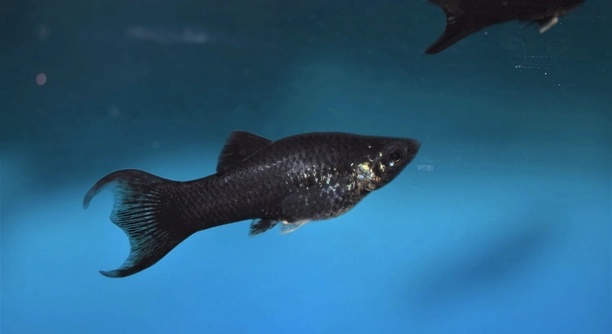
Keeping Black Mollies in a home aquarium can be rewarding, but overcrowding often becomes a challenge for many fishkeepers. Observing their behavior and growth patterns early can help maintain a healthy and balanced tank environment.
Overcrowding in Black Molly aquariums results from insufficient tank space relative to the number of fish. Maintaining proper population density, providing adequate filtration, and monitoring water quality are essential to prevent stress, disease, and territorial aggression in these freshwater fish.
Proper tank management ensures your Black Mollies remain healthy and active. Following practical steps can create a more stable and enjoyable environment for both fish and keeper.
Understanding Black Molly Behavior
Black Mollies are social fish that thrive in groups, but too many can cause stress and aggression. They require space to swim freely, hiding spots, and areas to explore. Overcrowding often leads to rapid breeding, competition for food, and visible signs of stress, such as fin nipping or lethargy. Observing their interactions daily can help identify early problems before they escalate. Proper care includes monitoring water quality, performing regular tank maintenance, and ensuring compatible tank mates. A balanced environment reduces territorial disputes and supports natural behavior. Feeding should be measured and consistent to prevent waste accumulation, which can worsen overcrowding issues. Mollies benefit from a varied diet that supports growth without overfeeding. Providing plants or decorations encourages movement and creates natural boundaries within the tank. Maintaining the right balance in fish population and habitat ensures they remain active, healthy, and less prone to disease, creating a calmer, more enjoyable aquarium.
Black Mollies display calmer behavior when their tank is appropriately sized, which promotes better overall health.
Careful planning of tank layout, population, and feeding routines minimizes stress and keeps the aquarium stable for all inhabitants.
Proper Tank Size and Setup
A 20-gallon tank is generally recommended for a small group of Black Mollies, with additional space for each extra fish. They require clean, filtered water with a consistent temperature between 72-78°F. Decorations, plants, and hiding spots reduce stress and encourage natural behavior. Substrate choice can impact their activity, as they enjoy swimming near the bottom. Regular water changes, at least 25% weekly, maintain proper chemical balance and prevent buildup of harmful substances. Strong filtration is necessary to handle increased waste from multiple fish. Monitoring water parameters like pH, ammonia, and nitrate ensures early detection of potential issues. A well-planned tank promotes social interactions without conflict, giving fish enough territory to thrive. Adjusting the environment based on observed behavior is important, especially as the population grows. Breeding can increase overcrowding, so managing reproduction is crucial. Observing each fish daily helps maintain a stable and healthy ecosystem.
Maintaining proper tank conditions reduces stress and prevents common problems associated with overcrowded aquariums.
Regular maintenance, adequate space, and attentive observation support the long-term health and activity of Black Mollies in any home aquarium.
Monitoring Fish Population
Keeping track of the number of Black Mollies in your tank helps prevent overcrowding. Regularly counting fish and noting any new fry ensures you can take action before stress and aggression become a problem.
Overpopulation often occurs quickly because Black Mollies breed easily. Fry grow fast, and if left unchecked, the tank can become crowded in a matter of weeks. Removing some fish or relocating them to another tank helps maintain balance. Observing their behavior gives clues about stress levels, such as hiding, chasing, or reduced appetite. Proper management prevents competition for food and space, keeping fish active and healthy.
Maintaining population control also protects water quality. Too many fish increase waste, raising ammonia and nitrate levels. Consistent monitoring, combined with appropriate filtration and water changes, keeps the environment stable and reduces the risk of disease or sudden deaths.
Feeding and Nutrition
Overfeeding contributes to overcrowding problems by promoting rapid growth and excess waste in the tank. Measuring portions and feeding small amounts multiple times a day helps prevent these issues.
A balanced diet is essential for Black Mollies. Providing high-quality flake or pellet food supplemented with vegetables or live food supports healthy growth. Feeding only what fish can consume in a few minutes avoids leftover food that decays and pollutes water. Monitoring feeding habits allows you to notice any health concerns or competition among fish. Ensuring everyone receives adequate nutrition reduces stress and helps maintain social harmony in the tank.
In addition to diet, timing and consistency matter. Feeding at the same times daily establishes a routine, keeping fish calm and preventing aggressive behavior during meal times. Adjusting portions as the fish grow and accounting for fry ensures all fish receive proper nutrition without overcrowding the tank’s resources.
Regular Water Changes
Frequent water changes help control waste buildup and maintain water quality. Replacing 20-25% of the water weekly keeps ammonia and nitrate levels low, which is essential in preventing stress in Black Mollies.
Clean water also reduces the likelihood of disease spreading quickly. Overcrowded tanks with poor water quality often show sick or lethargic fish.
Using Live Plants
Live plants provide hiding spots and help absorb excess nutrients. They create natural boundaries that reduce aggression and give fish areas to explore, improving overall tank dynamics.
Avoiding Overbreeding
Controlling reproduction is important to prevent overcrowding. Separating males and females or using breeding tanks helps manage population growth and maintains a stable environment for adult fish.
Observing Fish Behavior
Regular observation of interactions helps detect stress, aggression, or illness early. Prompt action can prevent minor issues from escalating into larger problems.
FAQ
How many Black Mollies can I keep in a 20-gallon tank?
A 20-gallon tank can comfortably house about 6 to 8 adult Black Mollies. This allows enough swimming space and reduces stress caused by overcrowding. Adding more fish can lead to aggressive behavior, poor water quality, and rapid depletion of resources.
What signs indicate my Black Mollies are stressed due to overcrowding?
Stress often shows through fin nipping, hiding, lethargy, or loss of appetite. You may also notice rapid breathing, frequent darting, or persistent chasing among fish. Early observation helps prevent disease and keeps the aquarium balanced.
How often should I perform water changes?
Weekly water changes of 20-25% are recommended for a healthy Black Molly tank. This maintains low ammonia and nitrate levels and prevents the accumulation of harmful waste from overcrowding. Larger tanks may require slightly less frequent changes if filtration is strong.
Can I prevent overbreeding in Black Mollies?
Yes, separating males from females or using a dedicated breeding tank prevents uncontrolled fry production. Removing fry promptly or relocating them helps maintain stable population levels and avoids additional stress for adult fish.
What type of filtration is best for Black Mollies?
A strong, reliable filter that can handle the tank’s volume is essential. Filters that provide mechanical, chemical, and biological filtration help keep water clean, especially in tanks with multiple fish, and reduce the risk of disease from overcrowding.
Do live plants help with overcrowding?
Yes, live plants offer hiding spots and create natural boundaries. They also absorb excess nutrients from food and waste, supporting water quality. Plants reduce aggression by giving fish personal space, making the tank environment calmer and healthier.
What diet is best for Black Mollies?
A varied diet including high-quality flake or pellet food, supplemented with vegetables or live food, supports healthy growth. Feeding only what they can consume in a few minutes prevents leftover food, which can pollute water and contribute to overcrowding issues.
How can I monitor fish behavior effectively?
Observe fish daily for signs of aggression, hiding, or irregular swimming. Regular monitoring helps detect stress or illness early. Noting changes in behavior allows you to adjust population, feeding, or tank layout to maintain a stable environment.
Is tank size the only factor in preventing overcrowding?
No, tank size is important, but population control, diet, water quality, and habitat setup all play critical roles. Proper planning and ongoing maintenance ensure fish remain healthy and stress-free. Even a large tank can become overcrowded without careful management.
How do I balance tank decorations and swimming space?
Provide enough plants and hiding spots without restricting swimming paths. Decorations should create zones rather than block movement. Observing how fish interact with their environment helps determine if adjustments are needed to reduce aggression and overcrowding stress.
What is the impact of poor water quality on Black Mollies?
Poor water quality from overcrowding increases ammonia, nitrite, and nitrate levels, leading to stress, disease, and weakened immune systems. Maintaining filtration, performing regular water changes, and monitoring chemical levels protects the fish and supports a stable, healthy tank environment.
How often should I check population numbers?
Counting fish weekly or after observing new fry ensures the tank remains balanced. Keeping accurate records of additions, breeding, or relocations allows you to make timely decisions to prevent overcrowding and maintain a harmonious aquarium.
Can I keep other species with Black Mollies?
Yes, but choose peaceful, similarly sized species. Aggressive or territorial fish may increase stress and competition. Compatibility reduces conflict and maintains a healthy environment, even in a moderately populated tank.
What adjustments are needed as fish grow?
As Mollies grow, they need more swimming space and possibly larger filtration. Monitoring tank population and adjusting feeding amounts ensures their growth does not lead to overcrowding or water quality issues.
How does temperature affect Black Molly behavior?
Consistent temperature between 72-78°F keeps Black Mollies active and healthy. Fluctuations can cause stress, reduce immunity, and worsen aggression in crowded tanks. Using a reliable heater and thermometer ensures a stable environment.
What is the best approach to introducing new Mollies?
Acclimate new fish slowly to reduce stress. Quarantine them for 2-3 weeks if possible to prevent disease transmission. Introducing a small number at a time prevents sudden population spikes that can lead to overcrowding.
How can I prevent disease in a crowded tank?
Maintaining clean water, balanced population, proper diet, and regular observation reduces disease risk. Isolating sick fish promptly and treating the tank as needed ensures the overall health of the aquarium.
How do I know if my tank decorations are helping or hurting?
Watch fish behavior. If hiding spots reduce aggression and swimming space is adequate, decorations are beneficial. If fish seem trapped or territorial disputes increase, consider rearranging or removing excess items.
Are there long-term risks if overcrowding continues?
Yes, prolonged overcrowding leads to chronic stress, disease outbreaks, stunted growth, and shortened lifespans. Consistent monitoring, population control, and proper tank management prevent these issues and ensure a healthy, thriving aquarium environment.
Can I use filtration alone to manage overcrowding effects?
Filtration helps but cannot replace proper tank size, population control, or regular maintenance. A combined approach of monitoring, water changes, diet management, and habitat setup is necessary for optimal health and behavior.
What is the easiest method to reduce stress in crowded tanks?
Adding hiding spots, performing regular water changes, and controlling population growth are effective ways. Small adjustments in feeding, tank layout, and monitoring behavior can make a significant difference in reducing stress.
How often should I rearrange plants or decorations?
Rearranging occasionally keeps the environment stimulating and can reduce aggression. Avoid drastic changes; gradual adjustments allow fish to adapt without causing additional stress. Observing reactions helps determine if further changes are needed.
What are the key takeaways for managing overcrowding in Black Mollies?
Control population, maintain water quality, provide sufficient space and hiding spots, monitor behavior, and feed appropriately. Attention to these factors ensures a healthy, calm, and balanced aquarium for all fish.
How do I handle fry if breeding occurs unexpectedly?
Relocate fry to a separate tank or provide dense plant cover to protect them. Managing numbers prevents overcrowding and allows adults to remain healthy without excessive competition for resources.
Can overcrowding affect breeding behavior?
Yes, stressed fish may breed less frequently or exhibit aggressive tendencies. Providing adequate space and reducing population pressure encourages natural breeding patterns and healthier offspring.
How important is daily observation?
Daily observation allows early detection of stress, illness, or aggression. Prompt action prevents minor issues from escalating and helps maintain a stable and healthy environment for all Black Mollies.
What are common mistakes that lead to overcrowding?
Overestimating tank capacity, ignoring breeding, overfeeding, and neglecting water changes all contribute. Regular monitoring and proactive management prevent these mistakes and keep the aquarium balanced.
Are there benefits to keeping fewer Black Mollies?
Yes, fewer fish reduce stress, aggression, and disease risk. They are easier to care for, water quality remains higher, and interactions are calmer, creating a healthier environment for both adults and fry.
How do I balance decorations, plants, and open space?
Provide zones with hiding spots while leaving open swimming areas. Observing fish movement and interactions helps maintain harmony. Adjust as necessary to reduce stress and prevent territorial disputes.
What role does feeding schedule play in overcrowding issues?
Consistent feeding prevents competition and stress. Overfeeding or irregular meals can increase aggression, uneaten food, and water pollution, which worsens overcrowding effects.
How can I plan ahead for population growth?
Anticipate breeding, plan tank expansions, or prepare additional tanks. Managing numbers proactively prevents sudden overcrowding and maintains a stable, healthy environment for all Black Mollies.
What equipment helps maintain a balanced tank?
A reliable filter, heater, thermometer, and test kits for ammonia, nitrite, and nitrate are essential. These tools support stable water conditions and make monitoring easier, preventing overcrowding-related problems.
Is overcrowding reversible once it occurs?
Yes, by reducing population, increasing tank size, improving filtration, and maintaining water quality. Prompt action restores balance, reduces stress, and supports healthier fish.
How do I know when the tank is at optimal capacity?
Fish swim freely, show normal behavior, and aggression is minimal. Water parameters remain stable, and feeding does not cause excess waste. Observation confirms a balanced population.
Can overcrowding affect molly lifespan?
Yes, chronic stress and poor water quality reduce immunity and lifespan. Proper care, population control, and regular maintenance support longevity and overall well-being of Black Mollies.
What is the simplest long-term strategy to prevent overcrowding?
Monitor population, control breeding, maintain water quality, and provide adequate space. Consistent observation and adjustments create a sustainable, healthy environment for all Black Mollies.
Keeping Black Mollies in a home aquarium can be highly rewarding, but it requires careful planning and consistent attention. Overcrowding is one of the most common challenges faced by fishkeepers. When too many fish share the same space, it can quickly lead to stress, aggression, and water quality issues. Black Mollies are active fish that need enough room to swim freely, explore, and establish territories. Without sufficient space, they may chase one another, nip fins, or become lethargic. Paying attention to tank size, population numbers, and tank setup is essential. Providing hiding spots, plants, and decorations helps reduce stress and encourages natural behavior. These measures make a noticeable difference in the overall health and activity levels of the fish, creating a more balanced and harmonious environment.
Proper maintenance and monitoring are key factors in preventing overcrowding. Regular water changes, proper filtration, and consistent observation of fish behavior can prevent minor problems from becoming serious. Black Mollies produce waste that, if not managed properly, can increase ammonia and nitrate levels, leading to disease and weakened immunity. Feeding should be measured and appropriate for the number of fish in the tank, avoiding excess food that can pollute the water. Keeping track of population growth, especially if breeding occurs, is another important step. Separating fry or relocating some fish helps maintain a manageable population while ensuring adults remain healthy and stress-free. By combining attention to tank size, water quality, and feeding routines, fishkeepers can create a stable environment that supports long-term health and reduces conflicts.
Understanding the needs of Black Mollies and planning ahead is crucial for maintaining a thriving aquarium. Consistent care, population management, and a well-planned tank setup prevent overcrowding and support natural behavior. Overcrowding not only affects the physical health of the fish but also impacts their overall well-being, behavior, and lifespan. By creating sufficient space, monitoring interactions, and maintaining clean water, fishkeepers can ensure their Black Mollies remain active, healthy, and stress-free. Paying attention to these key factors allows for a balanced, enjoyable aquarium that benefits both the fish and the keeper. Thoughtful management and daily observation make a significant difference in creating a sustainable and harmonious environment for Black Mollies, allowing them to thrive for years.

Hello,
If you enjoy the content that we create, please consider saying a "Thank You!" by leaving a tip.
Every little bit helps us continue crafting quality advice that supports the health, happiness, and well-being of pets around the world, for pets of all shapes, sizes, and species.
We really appreciate the kindness and support that you show us!