
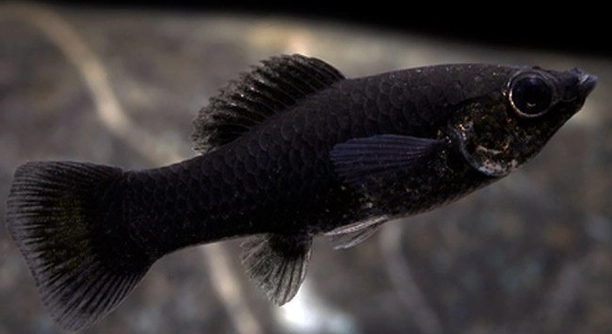
Black Mollies are small, active fish often kept in home aquariums. Observing their early breeding behavior can be fascinating, especially for those new to fishkeeping. Their actions reveal how they interact, establish bonds, and prepare for reproduction.
Early-stage Black Molly breeding behavior includes chasing, nipping, frequent swimming near the surface, showing brighter coloration, flaring fins, hiding in plants, and following mates. These behaviors signal readiness to mate and help ensure successful reproduction in captivity.
Recognizing these behaviors early can make caring for Black Mollies easier and more rewarding. Each action offers clues about their health, mood, and reproductive readiness.
Chasing and Nipping
In early-stage breeding, Black Mollies often chase each other around the tank. This behavior is mostly males following females, trying to court them. Nipping can also happen, where the male gently bites the female’s fins or sides. It’s not aggressive; it’s a natural part of courtship. Chasing and nipping help the fish establish pair bonds and show dominance. Females may swim away at first, but this is typical. Observing these behaviors helps you understand who is ready to mate. Some tanks may show more chasing depending on the number of males and females. Plant coverage can give females places to hide, reducing stress. Even in small aquariums, chasing is visible and important for reproduction. Watching carefully allows aquarists to recognize when the breeding process might begin and when intervention may be needed to protect stressed fish.
Chasing and nipping are clear signals that mating interest is present, showing readiness and natural courtship patterns in early-stage Black Mollies.
By noticing the intensity of chasing and how females respond, you can better manage tank conditions. Proper hiding spaces, consistent water temperature, and gentle feeding routines all support healthy breeding behavior, keeping stress low and encouraging natural interactions.
Surface Swimming and Bright Coloration
Surface swimming is common when Black Mollies prepare for breeding. Males often spend time near the top, displaying to females.
Bright coloration is another breeding sign. Males show more vivid patterns to attract females and indicate health. The color intensity can vary with diet, water quality, and stress levels. Females may respond by swimming closer or hiding among plants. These visual cues are part of courtship, helping fish select suitable mates. Tank lighting and clean water make coloration more visible. Over time, males may display repeatedly, creating a rhythm of attraction. Observing changes in both swimming patterns and color can help identify breeding-ready pairs. Feeding high-quality food can enhance coloration and energy, supporting healthier interactions. Surface swimming and color display also signal environmental comfort. When conditions are right, these behaviors become more frequent and coordinated. Managing plants, tank mates, and water parameters ensures these displays can happen naturally and safely.
Flaring Fins
Flaring fins is a common breeding behavior in male Black Mollies. Males spread their fins wide to appear larger and more attractive to females. This display signals dominance and readiness to mate, often accompanied by chasing or circling a chosen female in the tank.
Flaring fins is part of the male’s courtship ritual. By extending their dorsal and anal fins, males communicate health and strength, which females use to choose mates. The display can be brief or repeated throughout the day, depending on tank conditions and the presence of other males. A male with bright, extended fins usually shows confidence and energy, making him more likely to successfully court a female. This behavior also helps reduce conflicts, as dominant males use displays rather than fights to establish hierarchy. Observing which males flare most often can indicate breeding potential.
Environmental factors influence fin displays. Clean water, proper temperature, and adequate lighting enhance the male’s ability to flare fins fully. Overcrowded tanks may reduce these behaviors, while well-planted areas provide space for males to show off without stressing females. Monitoring these cues helps in understanding mating readiness and ensures a healthier breeding environment.
Hiding in Plants
Hiding in plants is a strategy female Black Mollies use to feel safe from persistent males. It allows them to control interactions and reduce stress during early breeding.
Females often retreat to dense plant areas when males chase or display aggressively. This behavior is not avoidance of mating but a natural mechanism to manage courtship pressure. Plants provide cover, giving females time to choose when and with whom to interact. Hiding also helps protect developing fry later, as females instinctively seek secluded spaces for birthing. The presence of plants reduces aggressive chasing and helps maintain harmony in community tanks. Regular observation can reveal which females are most receptive and which need more space.
Proper tank setup is crucial for supporting hiding behavior. Tall plants, floating greenery, and secure corners give females options to escape persistent males, reducing stress and potential injury. By creating a balanced environment with ample cover, both males and females can exhibit natural breeding behaviors. This approach promotes healthier interactions, allows females to control mating timing, and increases the likelihood of successful reproduction while maintaining a calm, stable aquarium.
Following Mates
Following behavior is common in early-stage Black Mollies. Males often swim closely behind females, gently guiding them through the tank. This behavior helps males stay near potential mates and signals interest.
Females may respond by slowing down or swimming into plants. Following allows males to maintain courtship while giving females control over interactions, reducing stress and encouraging natural mating patterns.
Circling Behavior
Circling occurs when a male swims in tight loops around a female. This is a courtship behavior meant to attract attention and demonstrate vitality. Circling often happens near plants or tank corners where the female feels safe. Multiple males may circle the same female, creating a subtle display of hierarchy. Observing circling frequency helps identify dominant males and receptive females. Circling is accompanied by fin flaring and occasional nudges, forming a complete mating sequence. Well-fed, healthy fish perform this behavior more actively. Maintaining stable water conditions and minimizing tank stress ensures circling happens naturally and supports successful reproduction.
Repetitive Display
Repetitive display involves males repeating flaring, chasing, or circling consistently. It signals ongoing readiness to mate and reinforces dominance over rivals.
FAQ
How do I know when my Black Mollies are ready to breed?
You can tell by observing behaviors like chasing, nipping, fin flaring, surface swimming, and circling. Males display brighter colors and follow females closely. Females may hide among plants to control interactions. These signs together indicate readiness to mate and a healthy environment.
Do male Black Mollies fight during breeding?
Males can show dominance through chasing, nipping, and flaring fins. These actions are usually ritualized rather than harmful. Actual fighting is rare in well-planted tanks with enough space. Providing hiding spots and maintaining proper population ratios reduces stress and prevents serious injury.
Why do females hide so much during early breeding?
Hiding is a natural strategy. It allows females to regulate courtship pressure from males and choose when to interact. Dense plants or tank decorations give them security. This behavior also protects females from stress, especially if multiple males are present or the tank is small.
How often do males perform flaring and circling?
Frequency depends on health, tank conditions, and number of females available. Healthy males in stable water environments may flare and circle several times a day. Repetitive displays increase chances of attracting receptive females while reinforcing hierarchy among males.
What role does coloration play in breeding?
Coloration is a visual cue for females. Brighter, more vivid patterns indicate a healthy, energetic male. Diet, clean water, and proper lighting enhance these colors. Color changes can be subtle, so consistent observation helps identify which males are actively courting.
Can stress affect breeding behaviors?
Yes, stress reduces chasing, flaring, and circling. Overcrowding, poor water quality, or aggressive tank mates can prevent natural behaviors. Maintaining stable temperature, regular water changes, and ample plant cover helps minimize stress and encourages breeding activities.
Is it necessary to separate males and females for breeding?
Separation isn’t required but can help manage aggressive males or give females rest. In community tanks, hiding spaces are often enough. For controlled breeding or protecting fry, temporary separation may improve survival rates and reduce female exhaustion.
How do I support fry survival after breeding?
Providing dense plants or breeding mops allows fry to hide from adults. Feeding high-quality, small foods like infusoria, baby brine shrimp, or finely crushed flakes ensures growth. Removing adults is optional but may increase fry survival in crowded tanks.
Do environmental factors influence breeding behaviors?
Absolutely. Water temperature, pH, and hardness affect activity levels and mating readiness. Stable, clean conditions encourage chasing, flaring, and surface swimming. Bright lighting highlights coloration and makes courtship more effective, while hiding spaces prevent stress.
How long does early-stage breeding last?
Behavior can persist for several days to weeks depending on the tank setup and number of fish. Repeated displays, chasing, and circling continue until females are ready to mate. Regular observation ensures you can monitor health and intervene if stress becomes a problem.
Can I predict which males will successfully mate?
Observing dominance behaviors like consistent chasing, frequent flaring, and circling helps identify likely successful males. Bright coloration and energy also indicate reproductive potential. Providing optimal conditions ensures dominant males can court without stressing females.
Are there signs that breeding is not progressing well?
Signs include excessive chasing causing injury, females constantly hiding without interacting, or males showing dull coloration. Poor water quality and overcrowding are common contributors. Adjusting tank conditions, adding plants, and monitoring population balance usually restores normal behavior.
What is the best way to encourage natural breeding behaviors?
Maintain stable water conditions, provide hiding spaces, keep appropriate male-to-female ratios, and feed high-quality food. Observing fish daily allows you to notice subtle changes and intervene if stress or aggression increases. Natural behaviors thrive in calm, well-maintained environments.
Can breeding behaviors occur without actual mating?
Yes. Males may chase and display without fertilization occurring. Females may reject advances or hide. Courtship behaviors are often more frequent than successful mating, especially in tanks with multiple males and limited hiding spaces. Observation helps distinguish between displays and true mating events.
How important are plants in the breeding process?
Plants serve multiple roles: hiding spots for females, staging areas for displays, and protection for fry later. They reduce stress, prevent injury, and encourage natural behaviors like circling, chasing, and flaring. Dense planting often results in more successful breeding and healthier interactions.
How can I tell if my Black Mollies are stressed during breeding?
Signs include erratic swimming, loss of color, hiding excessively without interacting, or reduced chasing and flaring. Stress can be caused by overcrowding, poor water quality, or aggressive tank mates. Correcting these factors often restores normal breeding behavior.
Does diet affect early-stage breeding behavior?
Yes, a balanced diet with protein-rich foods enhances energy, coloration, and activity. Well-fed males perform more displays, while healthy females are more receptive. Regular feeding with high-quality flakes, live foods, or frozen alternatives supports successful mating and fry development.
Are multiple males necessary for healthy breeding?
Not strictly, but having more than one male can encourage natural competition and displays. Too many males without sufficient hiding spaces can stress females, so a balanced ratio is crucial. Observing behavior helps determine if the male-to-female ratio is effective.
How can I tell if a female is receptive?
Receptive females reduce hiding, respond to circling and flaring by slowing down, and may swim near males willingly. They often choose secluded spots for mating and show less avoidance. Tracking responses over time helps identify when breeding is likely to succeed.
Do Black Mollies require special conditions for breeding compared to other livebearers?
They are fairly adaptable but prefer slightly brackish or mineral-rich water and stable conditions. Clean water, ample plants, and adequate space improve natural breeding behaviors. Unlike some species, they do not need elaborate setups, but proper care ensures better success and healthier offspring.
Final Thoughts
Observing early-stage breeding behaviors in Black Mollies can be a very rewarding part of fishkeeping. These small fish display a range of actions, from chasing and nipping to fin flaring and circling, which signal readiness to mate. Each behavior has a purpose in reproduction and reflects the health and energy of the fish. For example, males chasing females or following them closely is not aggression but a natural way to maintain courtship. Similarly, females hiding among plants helps them control interactions and reduce stress. Understanding these behaviors allows aquarists to provide better care and support natural breeding patterns, creating a calm and balanced environment for both males and females. By paying attention to subtle signals, it becomes easier to recognize when fish are healthy, active, and ready to breed, which is important for successful reproduction.
Providing the right tank conditions is essential for encouraging these behaviors. Stable water temperature, clean water, adequate lighting, and a balanced diet all play a role in maintaining fish health and promoting reproductive activity. Plants and decorations are not only aesthetic but also functional, giving females hiding spots and males areas to display their courtship behaviors safely. Overcrowding or aggressive tank mates can interfere with natural behavior and increase stress, which may suppress breeding activity. By observing interactions and adjusting the environment when needed, you can create conditions that allow Black Mollies to perform natural displays like chasing, flaring, and circling without harm. These adjustments help ensure that courtship is successful and that the fish remain healthy throughout the breeding process.
Paying attention to early breeding behaviors also helps in planning for fry care. Recognizing when females are ready to give birth allows you to provide appropriate protection for the young, whether through dense plant cover or a separate breeding area. High-quality food and clean water support both the adults and the developing fry. Repeated observation of behaviors such as chasing, following, and flaring provides insight into the health and social dynamics of the fish. Understanding these patterns makes it easier to manage the aquarium and ensure that both adults and fry thrive. Overall, careful observation, stable conditions, and thoughtful management of the tank create an environment where Black Mollies can naturally breed and display their full range of behaviors safely and successfully.

Hello,
If you enjoy the content that we create, please consider saying a "Thank You!" by leaving a tip.
Every little bit helps us continue crafting quality advice that supports the health, happiness, and well-being of pets around the world, for pets of all shapes, sizes, and species.
We really appreciate the kindness and support that you show us!